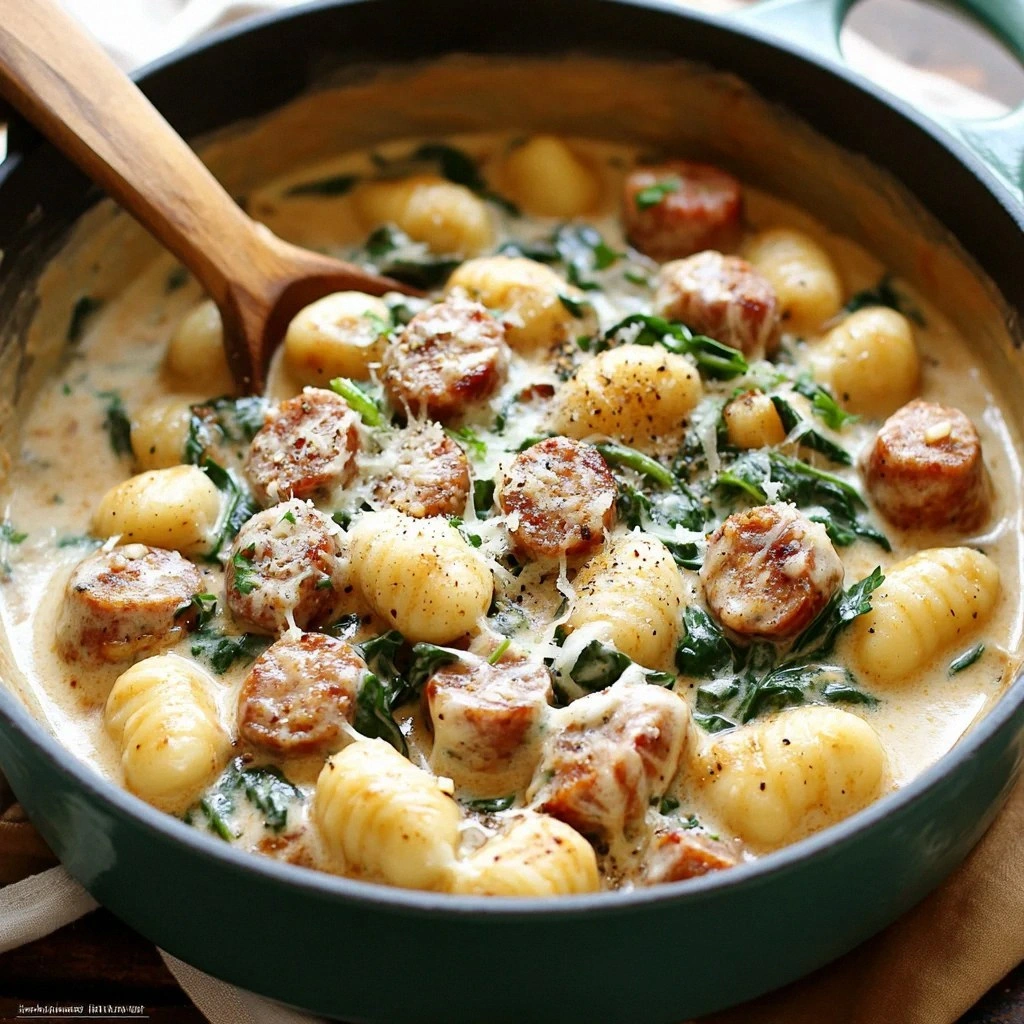
I was standing in my kitchen, staring at a half‑cooked pork roast that smelled like a bland Sunday dinner gone wrong, when my roommate shouted, “If you can’t make that pork taste like fireworks, you’re never cooking again!” I laughed, tossed the sad pork into the trash, and dared myself to create a version that would make even the most skeptical meat‑eater beg for seconds. The next day, armed with a handful of pantry staples and a mischievous grin, I set out to prove that five ingredients could deliver a flavor explosion louder than a brass band in Times Square. The moment the chili sauce hit the hot pan, the air filled with a sizzling perfume that made my nose tingle, and I knew I was onto something spectacular.
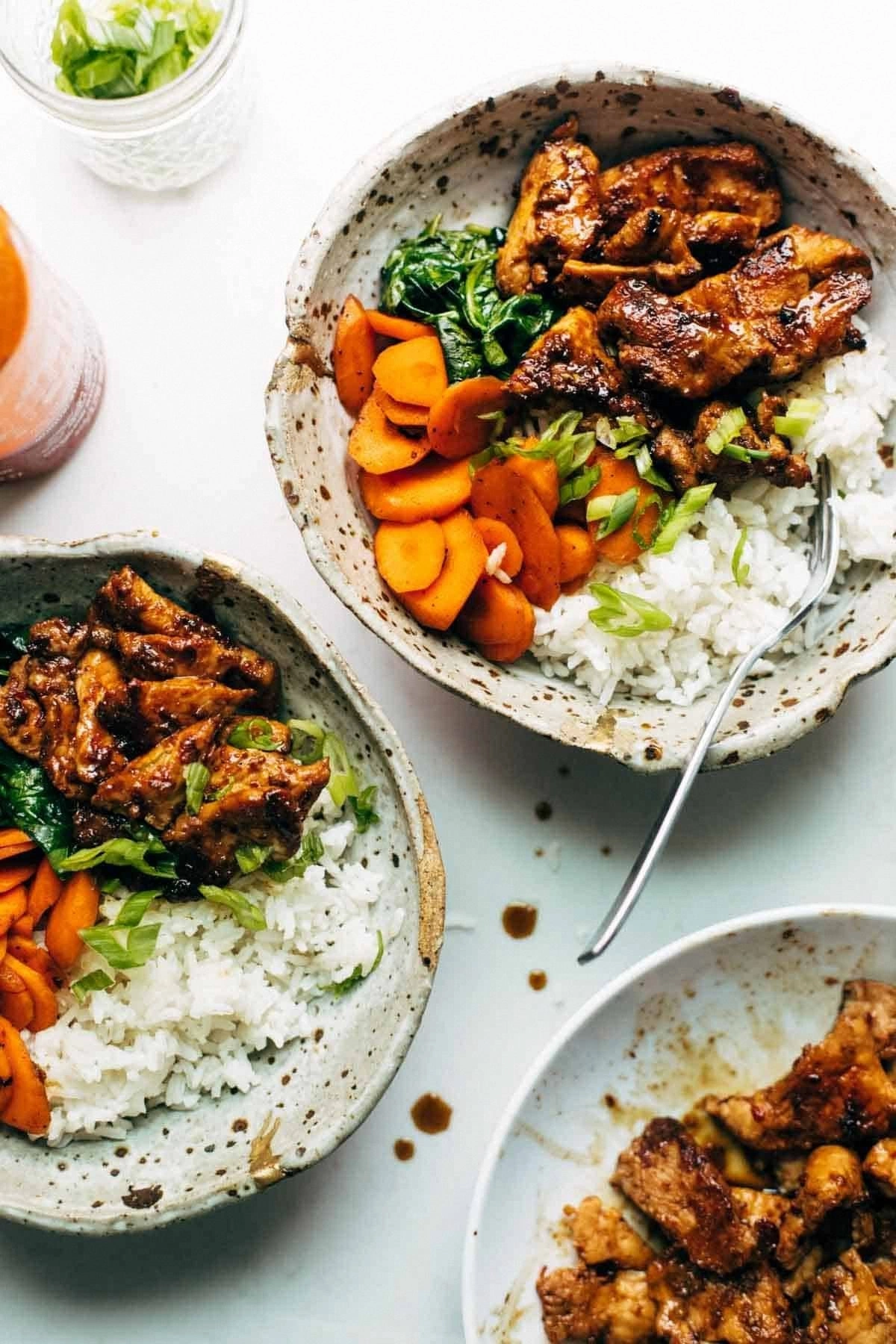
Imagine the scene: a glossy, ruby‑red glaze coating tender chunks of pork, each bite releasing a burst of heat that dances across your tongue like a salsa troupe on a summer night. The sound of the pork caramelizing—those tiny pops and crackles—creates a rhythm that feels like a culinary drum solo, while the faint sweetness of honey whispers in the background like a secret lover. Your fingertips feel the heat radiating from the pan, and the kitchen becomes a stage where every sense is performing a solo. This isn’t just dinner; it’s an experience that turns a mundane Tuesday into a memory you’ll replay at every family gathering.
Most recipes for spicy pork drown you in a sea of ingredients, confusing sauces, and endless steps that leave you wondering if you’re cooking or performing a chemistry experiment. I’ve tried those “complicated” versions, and they usually end up either too sweet, too bland, or a soggy mess that clings to the fork like cheap glue. That’s why this five‑ingredient masterpiece stands out: it strips away the noise, letting the pork’s natural richness shine while the chili sauce delivers a clean, focused heat that’s perfectly balanced by a whisper of honey. No extra spices, no mystery powders—just pure, honest flavor that hits you right where it counts.
Now, I’m about to walk you through every single step—by the end, you’ll wonder how you ever made this dish any other way. I’ll reveal a tiny trick involving the timing of the honey that most cooks completely overlook, and trust me, it makes the glaze cling to the pork like a second skin. I dare you to taste this and not go back for seconds. Ready? Let’s dive in and unleash the ultimate spicy pork that will have your friends begging for the recipe.
What Makes This Version Stand Out
- Flavor: The combination of chili garlic sauce and honey creates a sweet‑heat balance that’s both bold and nuanced, delivering a punch without overwhelming the palate.
- Texture: Slow‑cooked pork becomes melt‑in‑your‑mouth tender, while the glaze forms a caramelized crust that cracks delightfully with each bite.
- Simplicity: Only five ingredients mean no grocery‑store scavenger hunts; you can whip this up with pantry staples you already own.
- Uniqueness: Most spicy pork recipes rely on a dozen spices; this one lets the chili sauce shine, proving less truly can be more.
- Crowd Reaction: Expect gasps, exclamations, and that inevitable “What’s the secret?” when you serve this at a dinner party.
- Ingredient Quality: Using a well‑marbled pork shoulder ensures juicy bites, while a high‑quality chili garlic sauce brings depth you can’t fake.
- Cooking Method: The quick sear followed by a gentle simmer locks in juices and creates that coveted caramelized edge.
- Make‑Ahead Potential: This dish actually improves after a night in the fridge, as the flavors meld and intensify.
Inside the Ingredient List
The Flavor Base
First up, the chili garlic sauce. This isn’t just any hot sauce; it’s a fermented blend of chilies, garlic, and a touch of vinegar that brings a complex, umami‑rich heat. If you skip it, you lose the signature zing that makes this pork unforgettable, and you’ll end up with a bland, one‑dimensional dish. Look for a sauce that lists chilies and garlic near the top of the ingredient list, and avoid those overly sweet, ketchup‑like versions. A quick tip: choose a sauce with a visible speck of garlic; that speck signals real flavor, not just artificial heat.
The Sweet Counterpoint
Honey is the secret sweetener that tames the fire without turning the dish sugary. Its natural floral notes add depth, and because honey caramelizes beautifully, it creates that glossy, sticky coating we all love. If you substitute maple syrup, you’ll get a different flavor profile—think breakfast pancakes rather than a bold dinner. When selecting honey, go for a light, mildly floral variety; dark, robust honey can dominate the palate and mask the chili’s subtle nuances.
The Savory Glue
Soy sauce is the unsung hero that binds the sweet and spicy together. Its salty, umami backbone amplifies the pork’s natural richness and makes the glaze cling like a second skin. Skipping soy sauce means losing that depth, and the final product can feel flat. Opt for a naturally brewed soy sauce rather than a low‑sodium version; the latter often lacks the depth that makes the glaze sing.
The Protein Star
We’re using pork shoulder, a cut that’s marbled with fat and connective tissue, guaranteeing juicy, melt‑in‑your‑mouth results after a gentle simmer. If you choose a lean cut like pork loin, you’ll miss out on that buttery richness, and the meat could dry out. When buying, look for a piece with a nice pink hue and visible marbling—those white streaks are pockets of flavor waiting to be released.
The Aromatic Kick
Garlic, minced finely, adds an aromatic punch that rounds out the heat. It’s the subtle background choir that makes the main flavors shine brighter. If you forget it, the dish loses that warm, comforting note that makes the palate feel complete. Fresh garlic is a must; pre‑minced jars often contain preservatives that dull the flavor.
Everything's prepped? Good. Let’s get into the real action, where heat meets sweet, and pork transforms into a dish you’ll be bragging about for weeks.
The Method — Step by Step
-
Start by patting the pork shoulder dry with paper towels; this step is crucial because moisture on the surface prevents a proper sear. Cut the pork into bite‑size cubes, about 1½ inches each, so the glaze can coat every nook and cranny. Toss the cubes lightly with a pinch of salt to draw out a little moisture and enhance the meat’s natural flavor. Set the pieces aside while you prep the sauce—this little pause builds anticipation.
Kitchen Hack: Freeze the pork cubes for 15 minutes before searing; the slight chill creates a better crust. -
Heat a large, heavy‑bottomed skillet over medium‑high heat and add a splash of neutral oil—just enough to coat the bottom. When the oil shimmers, add the pork in a single layer, making sure not to overcrowd the pan. You’ll hear an immediate sizzle that’s the sound of flavor being locked in; let the pieces sit untouched for about 2 minutes so they develop a deep, caramelized crust.
After the first side turns a gorgeous golden‑brown, flip the cubes and repeat on the other side. This searing step is the foundation of the dish; skipping it would leave you with a soggy, bland piece of meat.
-
Once all sides are nicely browned, reduce the heat to medium and sprinkle the minced garlic over the pork. The garlic should sizzle gently, releasing a fragrant aroma that fills the kitchen like a warm hug. Stir constantly for about 30 seconds—just enough to toast the garlic without burning it, because burnt garlic turns bitter and can ruin the entire glaze.
Watch Out: If the garlic starts to brown too quickly, lower the heat immediately to prevent a burnt, acrid taste. -
Now comes the magic mixture: combine the chili garlic sauce, soy sauce, and honey in a small bowl. Whisk vigorously until the honey dissolves completely, creating a glossy, uniform sauce. This is the moment of truth—if the sauce looks too thick, add a splash of water; if it’s too thin, a pinch more honey will bring it back to the perfect consistency.
Pour the sauce over the seared pork, ensuring every cube is generously coated. The pan should hiss and steam, signaling that the glaze is beginning to caramelize.
-
Reduce the heat to low, cover the skillet with a tight‑fitting lid, and let the pork simmer for 20‑25 minutes. During this time, the pork will become tender, and the sauce will thicken, clinging to each piece like a velvety blanket. Stir occasionally—just enough to prevent sticking, but not so much that you break up the tender cubes.
After about 15 minutes, lift the lid and check the glaze; it should be thick enough to coat the back of a spoon, with a glossy sheen that hints at caramelization.
-
When the pork is fork‑tender and the sauce has reduced to a sticky glaze, remove the lid and increase the heat to medium‑high for a final 2‑3 minute burst. This step creates those coveted crispy edges that crackle under the fork, delivering a textural contrast that’s pure bliss.
Give the pork a quick toss to ensure the glaze caramelizes evenly, then immediately remove the pan from the heat to prevent burning.
Kitchen Hack: Finish with a splash of fresh lime juice right before serving; the acidity lifts the glaze and adds a bright pop. -
Transfer the pork to a serving platter, spoon any remaining glaze over the top, and sprinkle a handful of chopped cilantro or green onions for a fresh, herbaceous finish. The garnish not only adds color but also a subtle aromatic lift that balances the heat.
Take a moment to admire the glossy, ruby‑red coating—you’ve just created a dish that looks as good as it tastes.
-
Serve the spicy pork hot, alongside steamed rice, crusty bread, or a simple cucumber salad to cool the palate. The contrast of the fiery pork with a cool side is the culinary equivalent of a perfect duet.
That’s it—you did it. But hold on, I’ve got a few more tricks that’ll take this to another level, especially if you want to impress a crowd or meal‑prep for the week.
Insider Tricks for Flawless Results
The Temperature Rule Nobody Follows
Most home cooks keep the heat on “medium” for the entire cooking process, but the secret to that perfect caramelized crust is a two‑stage temperature approach. Start high to sear, then drop low for a gentle simmer, and finish with a burst of high heat to crisp the edges. This rhythm mimics professional wok cooking, where chefs constantly adjust the flame to control texture. I once tried skipping the final high‑heat blast, and the result was a soggy, sauce‑laden mess that clung to the fork like toothpaste.
Why Your Nose Knows Best
Your sense of smell is a far more reliable indicator of doneness than a timer. When the glaze starts to emit a caramel aroma—sweet, slightly nutty, with a hint of toasted garlic—you know the sugar is reaching its optimal stage. If you rely solely on a clock, you risk over‑cooking and turning that beautiful glaze into a bitter crust. Trust the scent; it’s the culinary compass that will guide you to perfection every time.
The 5‑Minute Rest That Changes Everything
After you pull the pork off the heat, let it rest uncovered for five minutes. This short pause allows the juices to redistribute and the glaze to set, preventing a soggy plate. I’ve seen friends skip this step and end up with a pool of liquid at the bottom of the serving dish—no one wants that. The rest period also gives the flavors a chance to meld, making each bite more harmonious.
The Sweet‑Heat Ratio Trick
If you love heat, increase the chili sauce by a tablespoon, but balance it by adding an extra half‑teaspoon of honey. This maintains the sweet‑heat equilibrium, ensuring the dish never becomes one‑dimensional. When I first tried a “spicier” version without adjusting the honey, the heat overpowered the pork’s natural richness, and the dish felt harsh.
The One‑Pan Clean‑Up Secret
After cooking, deglaze the pan with a splash of rice vinegar while it’s still warm. The vinegar loosens any caramelized bits, turning them into a quick sauce you can drizzle over rice. This not only adds a tangy finish but also saves you from scrubbing a stubborn pan later—a win‑win for flavor and cleanup.
Creative Twists and Variations
This recipe is a playground. Here are some of my favorite ways to switch things up:
Smoky Chipotle Swap
Replace the regular chili garlic sauce with chipotle in adobo blended with a little extra garlic. The result is a smoky, earthy heat that pairs beautifully with the honey’s sweetness. Chipotle lovers will swear this is the ultimate comfort food.
Coconut Curry Fusion
Add a half‑cup of coconut milk and a teaspoon of curry powder to the sauce mixture. The coconut brings a silky richness, while the curry adds layers of spice that transport you to a Thai street market. Serve over jasmine rice for a full‑on tropical vibe.
Crunchy Peanut Crunch
Stir in a quarter‑cup of toasted peanuts just before serving. The peanuts add a satisfying crunch and a nutty undertone that contrasts the tender pork. This version is perfect for a family gathering where texture matters.
Zesty Lime & Cilantro
Finish the dish with a generous squeeze of fresh lime juice and a handful of cilantro leaves. The acidity brightens the glaze, and the herbaceous cilantro provides a refreshing finish that cuts through the heat. This is my go‑to for summer barbecues.
Vegetarian “Pork” Alternative
Swap the pork for firm tofu or tempeh, pressing it to remove excess moisture first. Marinate the cubes in the same sauce for 30 minutes, then follow the same searing and simmering steps. The result is a plant‑based version that still delivers that sweet‑heat punch.
Storing and Bringing It Back to Life
Fridge Storage
Transfer the cooled pork to an airtight container and store in the refrigerator for up to four days. The glaze actually deepens in flavor as it sits, making leftovers taste even better. When reheating, add a splash of water or broth to loosen the sauce, then gently warm on the stove over low heat.
Freezer Friendly
Portion the pork into freezer‑safe bags, removing as much air as possible, and freeze for up to three months. To thaw, move the bag to the fridge overnight, then reheat in a skillet, adding a tablespoon of water to revive the glaze. This makes meal‑prepping for busy weeks effortless.
Best Reheating Method
For the crispiest revival, reheat the pork in a hot skillet over medium heat, allowing the edges to re‑caramelize. Add a tiny splash of water—just enough to create steam—so the meat stays juicy while the glaze regains its shine. Avoid microwaving; it turns the glaze rubbery and steals the texture.