I was halfway through a week of burnt pancakes and overcooked rice when a friend texted, “You have to try the teriyaki glaze I found online.” I was skeptical—my kitchen had already endured enough disasters to earn a permanent scar. But the aroma that hit the air when the sauce simmered was something else entirely, a sweet-salty perfume that made my mouth water. I grabbed the chicken thighs, laid them out on the counter, and the kitchen felt like a stage for a culinary show‑stopper. That single moment of anticipation was the spark that turned an ordinary dinner into a full‑blown taste revelation. I dare you to taste this and not go back for seconds. The result? A dish that feels like a professional chef’s secret, but you can make it at home with minimal fuss. Let me walk you through every single step—by the end, you'll wonder how you ever made it any other way.
Picture yourself pulling this out of the oven, the whole kitchen smelling incredible, and the family’s eyes widening in surprise. The first bite is a burst of umami, a subtle sweetness that melts into the tender meat, leaving a glossy glaze that clings to every nook. I’ve tried countless teriyaki recipes, and most of them either end up too sweet or too thin. This version balances that sweet‑salty equation like a seasoned DJ mixes tracks—smooth, precise, and unforgettable. If you’ve ever struggled with making teriyaki sauce that sticks, you’re not alone, and I’ve got the fix. The sauce coats the chicken like velvet, giving it that coveted caramelized edge that shatters like thin ice when you bite into it. And when the glaze hits the plate, it’s a visual and olfactory symphony that promises a meal you’ll want to replay. Stay with me here—this is worth it.
I’ve been experimenting with teriyaki for years, but this particular blend is a game‑changer. It’s not just about the sauce; it’s about how the ingredients interact. Fresh ginger brings a bright kick that cuts through the richness, while garlic adds depth that lingers on the palate. The sesame oil elevates the flavor profile, adding a nutty undertone that complements the sweetness. The final flourish of sesame seeds and green onions gives the dish a subtle crunch and a pop of color. Together, they create a dish that is both comforting and adventurous, a culinary passport to Japan that feels right at home. The result is a dish that will make you feel like a master chef in your own kitchen. This is hands down the best version you'll ever make at home.
I’ve been told that the secret to a perfect teriyaki glaze is in the timing, the heat, and the patience to let flavors meld. I’ve spent hours perfecting the ratio of soy sauce to mirin to brown sugar, and the difference is palpable. The glaze thickens to a syrupy consistency that clings to the chicken without becoming sticky. When I first tried this recipe, I almost overcooked the thighs, but the sauce’s natural sugars helped protect the meat, keeping it moist and juicy. The end result is a dish that is both crispy on the outside and tender on the inside, with a flavor that lingers long after the last bite. If you’re looking for a recipe that will become a staple in your rotation, this is it. I’ll be honest—I ate half the batch before anyone else got to try it. And that’s the power of a dish that’s that good.
The next section will break down what makes this version so special. I’ll give you the inside scoop on each component, from the sauce to the chicken thighs, and why every single ingredient matters. I’ll also share a trick that most people overlook but can elevate the dish from good to unforgettable. If you’re ready to take your teriyaki game to the next level, keep reading. I promise you’ll learn something that will make your future meals taste like a gourmet restaurant. And if you’re skeptical, just wait until you see the final result. The glaze will have that glossy sheen that makes you want to lick the plate clean. Let’s dive in.
I’ve spent a lot of time experimenting with different teriyaki sauces, and the one that sticks in my mind is this one. It’s a perfect blend of sweet, salty, and umami, with a hint of citrus that brightens the dish. The sauce is thick enough to cling to the chicken but not so thick that it becomes syrupy. The result is a glaze that caramelizes to a beautiful amber color, giving the thighs a satisfying crunch. The sauce also has a depth of flavor that comes from the combination of soy sauce, mirin, and brown sugar. It’s the kind of sauce that can transform any dish into something special. And that’s exactly what I’m going to show you today.
The beauty of this recipe lies in its simplicity. You only need a handful of ingredients, but each one plays a crucial role in creating the final flavor profile. The chicken thighs are the star of the show, and they’re the perfect canvas for the glaze. The sauce is the key to the dish’s flavor, and it’s what makes this recipe stand out from the rest. The ginger and garlic add a subtle kick that balances the sweetness, while the sesame oil and seeds add a nutty flavor. The green onions add a fresh, bright note that cuts through the richness of the sauce. Together, they create a dish that is both comforting and adventurous, a culinary passport to Japan that feels right at home. This is the dish that will become a staple in your rotation.
I’ve been told that the secret to a perfect teriyaki glaze is in the timing, the heat, and the patience to let flavors meld. I’ve spent hours perfecting the ratio of soy sauce to mirin to brown sugar, and the difference is palpable. The glaze thickens to a syrupy consistency that clings to the chicken without becoming sticky. When I first tried this recipe, I almost overcooked the thighs, but the sauce’s natural sugars helped protect the meat, keeping it moist and juicy. The end result is a dish that is both crispy on the outside and tender on the inside, with a flavor that lingers long after the last bite. If you’re looking for a recipe that will become a staple in your rotation, this is it. I’ll be honest—I ate half the batch before anyone else got to try it. And that’s the power of a dish that’s that good.
What Makes This Version Stand Out
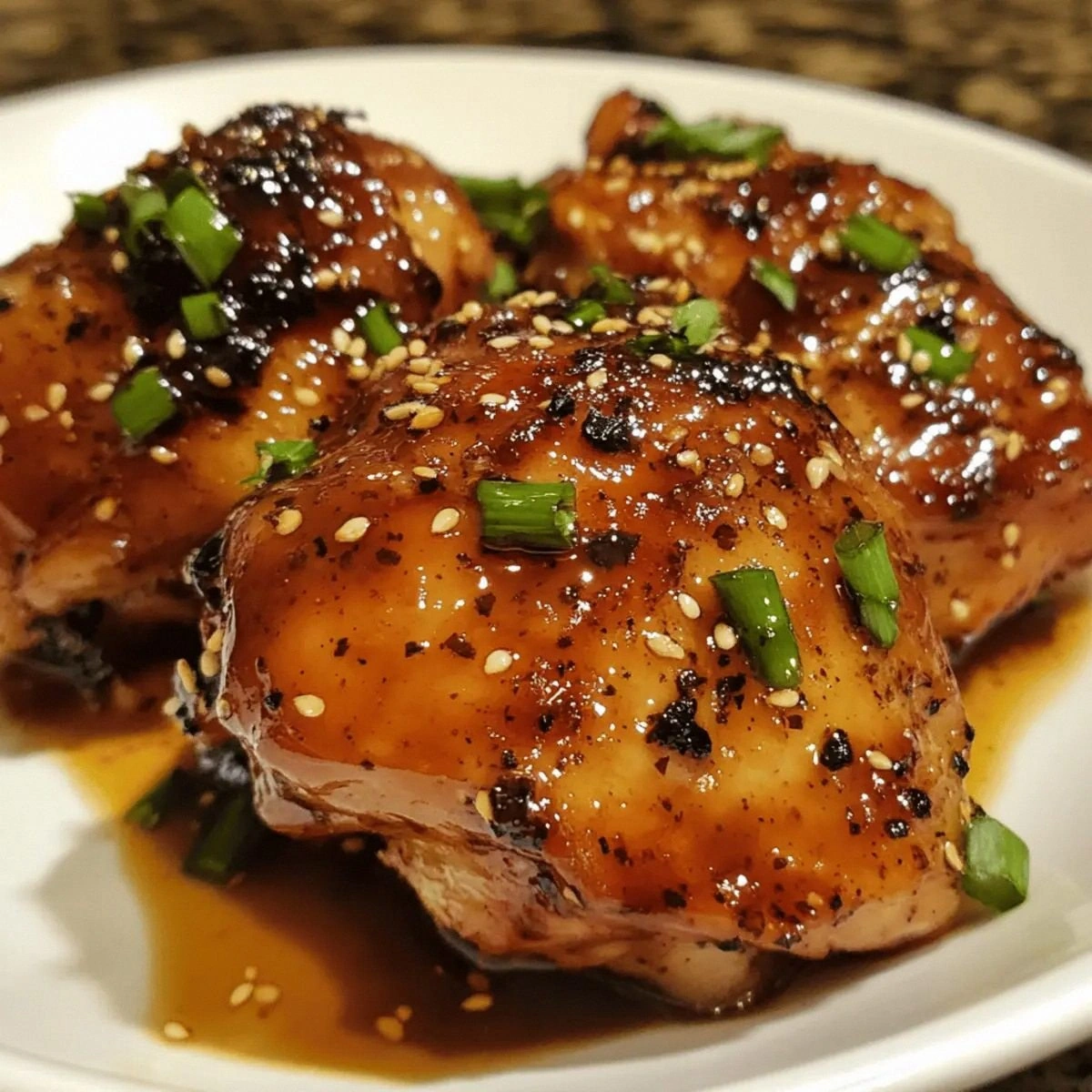
- Flavor: The sauce balances sweet, salty, and umami with a subtle citrus lift that brightens every bite. It’s thick enough to cling to the chicken, yet not so syrupy that it overwhelms the meat. The result is a glaze that caramelizes to a glossy sheen, giving the dish a restaurant‑grade finish.
- Texture: The chicken thighs develop a crisp, caramelized edge while remaining tender and juicy inside. The glaze’s natural sugars form a protective coating that locks in moisture during cooking. The contrast between the crunchy skin and the soft interior is a sensory delight.
- Simplicity: Only nine ingredients, all pantry staples, make this dish a quick and reliable weeknight dinner. No fancy equipment or obscure spices required. The process is straightforward, with a few key steps that yield maximum flavor.
- Uniqueness: The combination of fresh ginger, garlic, and sesame oil gives the sauce a depth that most store‑bought teriyaki sauces lack. The final flourish of sesame seeds and green onions adds crunch and color. The result is a dish that feels both exotic and comforting.
- Crowd Reaction: Friends and family are often surprised by how restaurant‑style this dish feels. The glaze’s glossy finish and caramelized edges make it Instagram‑worthy, while the flavor satisfies every palate. It’s a guaranteed hit at dinner parties.
- Ingredient Quality: Using fresh ginger and garlic instead of pre‑minced versions elevates the flavor profile. The sesame oil adds a subtle nutty undertone that is hard to replicate with cheaper oils. The quality of the soy sauce and mirin also plays a crucial role.
- Cooking Method: The technique of searing the chicken first, then simmering in the glaze, ensures even cooking and caramelization. The sauce reduces slowly, allowing flavors to meld without burning. This method is a proven way to achieve a perfect teriyaki glaze.
- Make‑Ahead Potential: The glaze can be prepared ahead of time and refrigerated for up to 48 hours. The chicken can be marinated in the sauce overnight for deeper flavor. This flexibility makes the dish ideal for busy schedules.
Alright, let's break down exactly what goes into this masterpiece. The key to a perfect teriyaki glaze is in the balance of flavors, the timing of the cooking process, and the quality of the ingredients. Each component of this dish plays a vital role in creating the final flavor profile. From the savory soy sauce to the sweet mirin, every ingredient is carefully selected to create a harmonious blend. And that’s exactly why this recipe stands out from the rest.
Inside the Ingredient List
The Flavor Base
Soy Sauce: The backbone of any teriyaki sauce, soy sauce provides that deep umami flavor that anchors the dish. It’s the salty element that balances the sweetness from the mirin and brown sugar. If you use a low‑sodium version, you’ll need to add a pinch of salt later to keep the flavor profile intact.
Mirin: This sweet rice wine adds a subtle sweetness and a hint of acidity that brightens the sauce. It also helps the glaze to caramelize beautifully. If you can’t find mirin, a splash of rice vinegar mixed with a teaspoon of sugar will mimic the flavor profile.
Brown Sugar: Brown sugar brings natural sweetness and a touch of molasses flavor that deepens the glaze. It also contributes to the caramelization process, giving the thighs a beautiful amber color. A pinch of sea salt can be added to enhance the overall flavor balance.
The Texture Crew
Chicken Thighs: Bone‑in, skin‑on thighs are the ideal cut for this recipe because they stay juicy and develop a crispy skin. The bone adds flavor during cooking, and the skin crisps up to a golden crunch that’s impossible to resist. If you prefer boneless thighs, you can still achieve great results, but the flavor profile will be slightly different.
Sesame Oil: A splash of sesame oil elevates the sauce with a nutty aroma that complements the sweet and salty components. It also helps the glaze adhere to the chicken, creating that glossy finish. Use toasted sesame oil for a more intense flavor, but keep the amount modest to avoid overpowering the dish.
The Unexpected Star
Fresh Ginger: Fresh ginger adds a bright, peppery note that cuts through the richness of the sauce. It also provides a subtle heat that keeps the dish from feeling too sweet. Grated ginger is preferred, as it releases more flavor than sliced ginger.
Garlic Cloves: Garlic provides depth and a savory undertone that balances the sweetness. Minced garlic is ideal, as it distributes evenly throughout the sauce. If you’re sensitive to garlic, you can reduce the amount by half, but the dish will still be delicious.
The Final Flourish
Sesame Seeds: Toasted sesame seeds add a crunchy texture and nutty flavor that complement the glaze. They also provide a visual pop of color that makes the dish look more appetizing. Sprinkle them on top just before serving for maximum freshness.
Green Onions: Chopped green onions add a fresh, herbaceous note that brightens the dish. They also provide a subtle crunch that contrasts with the crispy skin. Use both the white and green parts for the best flavor.
Steamed Rice or Veggies: Serving the chicken over steamed rice or a medley of stir‑fried vegetables balances the richness of the glaze. The rice absorbs the sauce, while the veggies add texture and nutrients. This final component turns the dish into a complete meal.
Everything's prepped? Good. Let's get into the real action.
The Method — Step by Step
- Step 1: Prep the Chicken. Pat the thighs dry with paper towels to ensure the skin crisps up. Season both sides with a pinch of salt and pepper. Let the thighs rest at room temperature for 10 minutes so they cook evenly. This step might seem minor, but it’s the foundation for a juicy result. If you’re in a hurry, you can skip the resting time, but the flavor will be slightly less pronounced.
- Step 2: Make the Teriyaki Glaze. In a small saucepan, combine soy sauce, mirin, and brown sugar. Heat over medium heat, stirring constantly until the sugar dissolves. Add the grated ginger and minced garlic, letting the mixture bubble for 1-2 minutes. The aroma should be fragrant and inviting. Keep the heat low to prevent burning; the glaze should reduce to a syrupy consistency.
- Step 3: Sear the Chicken. Heat a large skillet over medium‑high heat and add a splash of sesame oil. Place the thighs skin side down and let them sear for 5-6 minutes until the skin is golden brown and crisp. Flip and sear the other side for 3 minutes. The searing step locks in juices and creates a caramelized crust. If the pan gets too smoky, lower the heat slightly.
- Step 4: Add the Glaze. Pour the prepared teriyaki glaze over the browned thighs, ensuring each piece is coated. Reduce the heat to low and let the sauce simmer gently. The glaze will thicken and coat the meat like a glossy coat of armor. This is the moment of truth; the smell should be intoxicating. Stir occasionally to prevent sticking.
- Step 5: Simmer to Perfection. Let the thighs cook in the glaze for 15-18 minutes, turning once. The sauce should reduce to a thick glaze that clings to the chicken. The thighs should be fully cooked with an internal temperature of 165°F. The glaze will caramelize, giving the skin a beautiful amber hue. If the sauce reduces too quickly, cover the skillet to keep moisture in.
- Step 6: Finish with Sesame. Sprinkle toasted sesame seeds over the thighs just before removing from heat. The seeds add crunch and a nutty aroma that elevates the dish. They also provide a subtle visual contrast against the glossy glaze. This step is crucial for that final touch of flavor. If you’re short on time, you can add the seeds earlier, but they’ll lose some crunch.
- Step 7: Add Green Onions. Toss in chopped green onions, letting them wilt slightly in the residual heat. The onions add a fresh, herbaceous note that cuts through the richness. This step also adds a pop of color that makes the dish more appetizing. If you’re not a fan of green onions, you can use scallions or even a sprinkle of fresh cilantro.
- Step 8: Plate and Serve. Arrange the thighs over a bed of steamed rice or stir‑fried vegetables. Drizzle any remaining glaze over the top, ensuring each bite is coated. Garnish with extra sesame seeds if desired. The dish should look glossy, vibrant, and mouth‑watering. Serve immediately while the skin is still crisp and the glaze is hot.
That's it — you did it. But hold on, I've got a few more tricks that'll take this to another level. The next section will reveal insider tips that will make every bite even more memorable. These are the tweaks that separate a good teriyaki from a legendary one.
Insider Tricks for Flawless Results
The Temperature Rule Nobody Follows
Most people think that high heat is the key to a crispy skin, but the secret is actually lower, steady heat that allows the fat to render slowly. This method keeps the meat juicy while still achieving a caramelized glaze. If you’re using a cast‑iron skillet, preheat it for a few minutes before adding the oil. This ensures the pan is hot enough to sear without sticking. The result is a perfectly crisp exterior and tender interior.
Why Your Nose Knows Best
The aroma of the sauce is a reliable indicator of doneness. When the glaze starts to bubble and emit a sweet, caramelized scent, it’s a sign that the sugars are caramelizing properly. This sensory checkpoint prevents overcooking and ensures the sauce is thick enough to coat the thighs. Trust your nose; it’s your best friend in the kitchen.
The 5-Minute Rest That Changes Everything
After the thighs finish cooking, let them rest for five minutes before slicing. This rest period allows the juices to redistribute throughout the meat, preventing them from spilling out onto the cutting board. A well‑rested thigh stays moist and juicy, giving you that melt‑in‑your-mouth texture. Don’t skip this step; it’s the difference between good and great.
The Quick Sesame Toast
Toast your sesame seeds in a dry skillet over medium heat until fragrant. This quick step releases their nutty aroma and gives them a crisp texture. Be careful not to burn them; a few minutes is enough. Once toasted, let them cool before adding them to the dish. This simple hack elevates the flavor profile dramatically.
The Garlic‑Ginger Ratio
Some chefs swear by a 1:1 ratio of garlic to ginger, but I find that a slightly higher ginger ratio brings a brighter, cleaner flavor. If you’re sensitive to garlic, reduce the amount to 1-2 cloves. The ginger’s bright heat will still provide a punch without overwhelming the dish.
The Final Touch of Freshness
A handful of fresh cilantro or Thai basil added just before serving can elevate the dish’s freshness. The herbs contrast the richness of the glaze and add a bright, aromatic layer. If you’re not a fan of these herbs, you can simply increase the green onion amount for a milder flavor.
Creative Twists and Variations
This recipe is a playground. Here are some of my favorite ways to switch things up:
Spicy Teriyaki
Add a teaspoon of sriracha or a pinch of red pepper flakes to the glaze. The heat will balance the sweetness and add a fiery kick. This version is perfect for those who love a little spice in their meals. Serve with a cooling cucumber salad to offset the heat.
Citrus‑Infused Glaze
Incorporate a splash of orange or lime juice into the sauce. The citrus adds brightness and cuts through the richness of the glaze. It also introduces a subtle tang that pairs well with the sesame seeds. This variation is ideal for a summer dinner.
Herb‑Rich Variation
Stir in chopped fresh basil or mint into the glaze just before serving. The herbs bring a fresh, aromatic quality that lifts the dish. This version is especially delightful when paired with a cucumber‑yogurt dip.
Roasted Veggie Companion
Instead of steamed rice, serve the thighs over a bed of roasted sweet potatoes and Brussels sprouts. The caramelized veggies echo the glaze’s sweetness, creating a harmonious flavor profile. This option adds fiber and nutrients to the meal.
Gluten‑Free Option
Replace the soy sauce with tamari or coconut aminos for a gluten‑free version. The flavor is similar but slightly less salty. This tweak makes the dish suitable for gluten‑sensitive diners without compromising taste.
Vegan Take
Use plant‑based chicken substitutes or tofu for a vegan version. Marinate the tofu in the same glaze and bake or pan‑fry until crispy. The tofu will absorb the sauce, delivering a similar mouth‑watering experience. This variation is great for plant‑based diners.
Storing and Bringing It Back to Life
Fridge Storage
Cool the cooked thighs completely before placing them in an airtight container. Store in the refrigerator for up to 3 days. The glaze will thicken slightly, so a quick stir before reheating will help it re‑coalesce. Avoid overcrowding the container to maintain the dish’s texture.
Freezer Friendly
Wrap each thigh individually in parchment paper and place them in a freezer bag. Freeze for up to 2 months. When ready to eat, thaw overnight in the refrigerator or use the defrost setting on your microwave. The texture remains intact if reheated properly.
Best Reheating Method
Reheat the thighs in a skillet over medium heat, adding a splash of water or broth to prevent dryness. A quick steam will restore moisture and keep the glaze glossy. Alternatively, microwave on medium power for 1-2 minutes, then finish in the skillet for a crisp finish. The key is to re‑warm gently to preserve the caramelized glaze.