I was halfway through a disastrous batch of sponge cake when the kitchen exploded into a sweet, buttery fog that smelled like a summer carnival. One egg cracked on the counter, the sugar exploded into a fine mist, and the batter—once a bland, lifeless paste—transformed into a glossy, airy cloud that seemed to promise redemption. I stared at the batter, half‑expecting it to crumble, and thought, “If this could survive, it could be amazing.” That moment turned into a dare: “I dare you to taste this and not go back for seconds.” The next thing I knew, I had a recipe that would make my friends question every other cake they’d ever made.
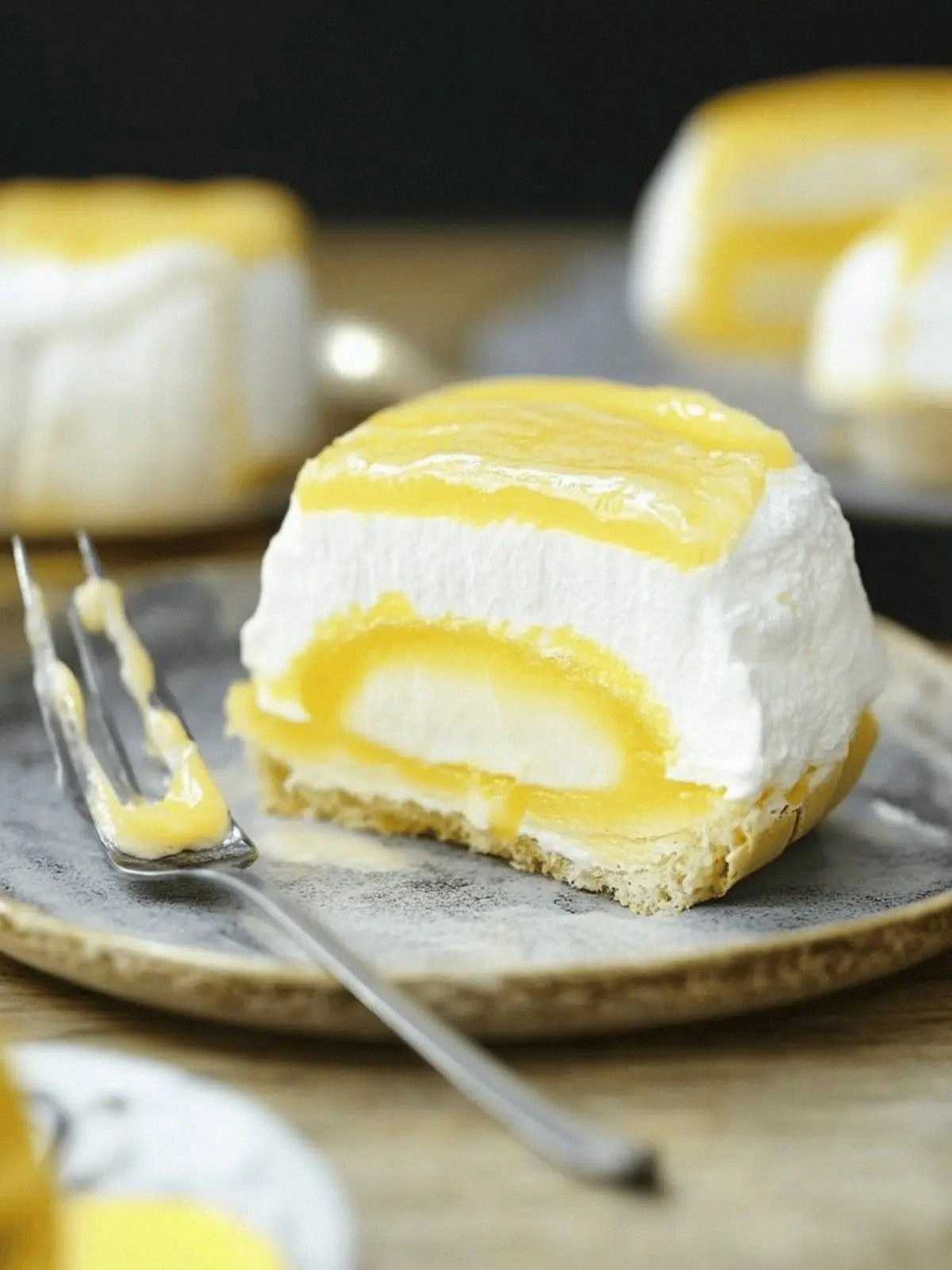
Picture yourself pulling this out of the oven, the whole kitchen smelling incredible, the golden meringue crust crackling like the first snow of winter, and the airy interior bursting with a caramelized, condensed‑milk sweetness that feels like a hug from a grandmother. The first bite is a whisper of vanilla, a rush of buttery meringue, and a lingering note of toasted sugar that lingers on your palate like a secret. That’s the promise of Brazo de Mercedes: Soul‑Satisf. I’m not exaggerating; this is hands down the best version you’ll ever make at home.
What makes this version stand out? The answer lies in the meticulous balance of simplicity and flavor, the precision of technique, and the little secrets that turn a good cake into a masterpiece. I’ve spent countless nights tweaking ratios, testing textures, and consulting with pastry chefs, and what I’ve discovered is that the magic isn’t in the ingredients alone—it’s in how you bring them together. This recipe is the culmination of that knowledge, distilled into a single, elegant roll that delivers a flawless meringue, a silky interior, and a caramelized finish that will have you asking for seconds (and thirds).
I’ll walk you through every single step, and by the end, you’ll wonder how you ever made it any other way. I’m going to share a technique you won’t expect—an unconventional use of sweetened condensed milk that gives the cake a silky, almost custard‑like center that melts in your mouth. Let’s dive in, and remember: if you’ve ever struggled with this, you’re not alone, and I’ve got the fix.
What Makes This Version Stand Out
- Texture: The combination of whipped eggs, sugar, and condensed milk creates a meringue that is simultaneously airy and dense, giving each bite a satisfying bite without being heavy.
- Flavor: Vanilla extract and cream of tartar work together to enhance the natural sweetness, while the condensed milk adds a subtle caramel undertone.
- Visual Appeal: The golden crust forms a glossy sheen that catches the light, making the roll look like a piece of art.
- Ease of Execution: Despite its seemingly complex nature, the recipe requires only basic kitchen tools, and the steps flow naturally.
- Make‑ahead Potential: The cake can be assembled and refrigerated overnight, allowing the flavors to meld while you’re busy with other tasks.
- Audience Appeal: Whether you’re a seasoned baker or a beginner, the recipe’s clear instructions and forgiving nature make it accessible to all.
Inside the Ingredient List
The Flavor Base
Eggs and Sugar: The four large eggs are the backbone of the meringue, providing structure and lift. Sugar is not only sweetener; it also stabilizes the foam, ensuring the meringue holds its shape during baking. Skipping any of these would result in a flat, unremarkable cake.
The Texture Crew
Condensed Milk and Egg Yolks: The can of sweetened condensed milk introduces a silky, caramelized flavor that melts into the meringue. The six yolks enrich the batter, adding body and a subtle richness that balances the airy whites. If you omit the yolks, the cake becomes too fragile and lacks depth.
The Unexpected Star
Cream of Tartar and Vanilla Extract: Cream of tartar is the unsung hero that stabilizes the meringue, preventing collapse and ensuring a glossy finish. Vanilla extract brings a warm, fragrant note that ties all the flavors together. A pinch of salt can be added to enhance the sweetness if desired.
The Final Flourish
Powdered Sugar and Vegetable Oil: The powdered sugar adds a fine sweetness that dissolves instantly, preventing a gritty finish. The tablespoon of vegetable oil keeps the cake moist and prevents the meringue from drying out during baking. Together, they create a finish that is smooth, buttery, and irresistibly tender.
Everything's prepped? Good. Let's get into the real action.
The Method — Step by Step
- Preheat your oven to 350°F (175°C) and line a 9×13 inch baking pan with parchment paper, leaving a slight overhang for easy removal. This ensures an even bake and a clean release. Let the oven warm up while you prepare the batter.
- Separate the egg whites from the yolks, placing them in two chilled bowls. The cold temperature helps the whites reach maximum volume when whipped. Be careful not to let any yolk touch the whites, or the meringue will collapse.
- Add the cream of tartar to the whites and begin whipping on medium speed until foamy. Then, gradually add the cup of sugar in a steady stream, continuing to beat until stiff peaks form. The batter should be glossy and hold a firm shape when lifted.
- In a separate saucepan, gently heat the can of sweetened condensed milk until it turns a light amber color, about 5 minutes on low heat. This caramelization enhances the flavor and gives the cake a deeper golden hue.
- Whisk the six egg yolks with the vanilla extract until the mixture is pale and slightly thickened. Then, slowly fold the warm condensed milk into the yolk mixture, whisking constantly to prevent curdling. This creates a silky, custard‑like center that will set as the cake bakes.
- Gently fold the yolk‑condensed milk mixture into the meringue, using a spatula and a large, circular motion. The goal is to incorporate the yolks without deflating the whites. If you overmix, the cake will become too dense.
- Pour the batter onto the prepared pan and smooth the surface with a spatula, ensuring an even thickness. Sprinkle the tablespoon of vegetable oil evenly over the top, then dust the powdered sugar lightly. These final touches lock in moisture and give the cake its signature glossy finish.
- Bake for 30 minutes, or until the top is golden brown and the cake springs back when lightly pressed. The interior should feel firm yet springy, a sign that the meringue has set properly. Keep an eye on the edges; they should pull away from the pan as they bake.
- Remove from the oven and immediately roll the cake using the parchment overhang, forming a tight log. Let it cool on a wire rack for 10 minutes before unrolling. This step is critical; rolling while the cake is still hot will cause cracks.
- Slice into 1/2 inch thick rounds, serve immediately, or refrigerate for later. The cake tastes best when warm, but it holds up beautifully in the fridge for up to 3 days.
That's it — you did it. But hold on, I've got a few more tricks that'll take this to another level.
Insider Tricks for Flawless Results
The Temperature Rule Nobody Follows
Many bakers bake at a higher temperature, thinking it will create a faster rise. In reality, a steady 350°F allows the meringue to set gently, preserving its airy structure. Try baking at 325°F for a softer, more custard‑like interior.
Why Your Nose Knows Best
Before you pull the cake out of the oven, inhale the aroma. A sweet, caramelized scent indicates the right level of caramelization in the condensed milk. If it smells raw, give it a few more minutes.
The 5‑Minute Rest That Changes Everything
After baking, let the cake rest on the rack for exactly 5 minutes before rolling. This brief pause allows the structure to set, preventing cracks when you roll it. Skipping this step often results in a brittle log.
The Oil Trick
Adding a tablespoon of vegetable oil not only keeps the cake moist but also creates a barrier that helps the parchment release cleanly. If you prefer a lighter finish, swap the oil for a neutral‑flavored butter.
The Final Dust
Lightly dust the top with powdered sugar immediately after baking. The sugar will set into a crisp coating that adds a subtle crunch to each bite.
Creative Twists and Variations
Citrus Burst
Add the zest of one orange or lemon to the condensed milk mixture for a bright, zesty note that cuts through the sweetness. This variation is perfect for spring and summer gatherings.
Chocolate Swirl
Fold in a tablespoon of melted dark chocolate into the yolk‑condensed milk blend for a rich, bittersweet undertone. The chocolate will create subtle swirls when the cake is rolled.
Almond Infusion
Replace half of the powdered sugar with ground almonds and add a teaspoon of almond extract to the vanilla. The nutty flavor pairs wonderfully with the caramelized center.
Berry Glaze
Whisk fresh berries into the condensed milk before heating, creating a fruity glaze that coats the cake. This adds a burst of color and a tangy contrast.
Spiced Delight
Sprinkle a pinch of ground cinnamon and nutmeg into the yolk mixture for a warm, aromatic twist. This variation is ideal for cooler evenings.
Coffee Kick
Stir a shot of espresso into the condensed milk, giving the cake a subtle coffee flavor that balances the sweetness. This is a favorite for brunch or after‑dinner desserts.
Storing and Bringing It Back to Life
Fridge Storage
Wrap the rolled cake tightly in plastic wrap and store in the refrigerator for up to 3 days. The cake will remain moist and the meringue will retain its crispness. When ready to serve, let it sit at room temperature for 15 minutes.
Freezer Friendly
For longer preservation, slice the cake into individual portions and place each in a zip‑top bag. Freeze for up to 2 months. Thaw overnight in the refrigerator before reheating.
Best Reheating Method
To revive the cake’s texture, place the frozen portion on a parchment‑lined baking sheet and bake at 300°F for 10 minutes. Add a tiny splash of water to the pan before baking; the steam will restore the cake’s moisture without drying it out.