The first time I tried to make a caramel apple cheesecake, I was convinced I could turn a simple dessert into a masterpiece. I had just finished a long week of meetings, craving something sweet that would feel like a hug from the inside. The kitchen smelled like burnt sugar and the timer dinged at the wrong moment, leaving me staring at a half‑cooked apple layer that had turned into a caramelized mess. I laughed, blamed the oven, and decided that if I could survive that disaster, I could definitely master a version that would win over even the most skeptical palates.
Picture this: the moment the caramel sauce swirls into a glossy, amber river over a bed of tender apples, the scent of toasted sugar mingles with the faint citrus of lemon. Your ears catch the faint hiss of butter melting, and the sound of the apples sizzle as they caramelize in the pan. The texture is a contrast—soft, velvety cream cheese meets the slightly crunchy apple cores, all under a golden crust that crackles just enough when you bite into it. The first bite melts on your tongue, leaving a lingering sweetness that feels like a warm blanket on a crisp fall evening.
What makes this version stand out is that it’s not just a recipe; it’s a carefully orchestrated sensory experience. I’ve trimmed the crust to just the right density so it holds the caramel without becoming soggy, and I’ve balanced the sweetness with a splash of lemon to cut through the richness. The apples are sautéed with a touch of cinnamon to bring out their natural sweetness, while the caramel sauce is thickened with a hint of sea salt that creates a depth of flavor you won’t find in store‑bought versions. Every element has been tweaked so that the final product is smooth, decadent, and utterly unforgettable.
I dare you to taste this and not go back for seconds. The caramel coats the cheesecake like velvet, the apples provide a fresh, fruity counterpoint, and the crust offers a satisfying bite that doesn’t overwhelm the filling. If you’ve ever struggled with a cheesecake that turns out too dense or too sweet, you’re not alone—and I’ve got the fix. Picture yourself pulling this out of the oven, the whole kitchen smelling incredible, and knowing you’ve just made the best version you’ll ever create at home. Let me walk you through every single step—by the end, you’ll wonder how you ever made it any other way.
What Makes This Version Stand Out
- Texture: The crust is crisp yet chewy, providing a satisfying bite that complements the silky filling.
- Flavor: A balanced caramel sauce that’s sweet but not cloying, paired with apples that are both sweet and tart.
- Simplicity: Only nine core ingredients, no elaborate steps, yet the result feels luxurious.
- Uniqueness: A subtle sea salt infusion in the caramel adds a savory twist that keeps the palate intrigued.
- Crowd Reaction: Friends always ask for a second slice, and sometimes a third—proof that this is more than a dessert.
- Ingredient Quality: Fresh, locally sourced apples and real butter make the difference between ordinary and extraordinary.
- Cooking Method: A single baking step that locks in moisture while developing a golden top.
- Make‑Ahead: Can be assembled a day ahead and chilled—ideal for parties or busy weeknights.
Inside the Ingredient List
The Flavor Base
The caramel sauce is the heart of this cheesecake, and its flavor is a marriage of buttery richness and deep, caramelized sugar. It’s made by gently cooking butter and brown sugar together until the mixture turns amber, then whisking in heavy cream and a dash of sea salt. The salt isn’t just a seasoning—it’s a flavor enhancer that brings out the sweetness without making it feel heavy. If you skip the salt, the caramel will taste flat and the apples will feel like they’re drowning in sugar.
The Texture Crew
The cream cheese creates the silky foundation, while sour cream adds a subtle tang and keeps the filling from becoming too dense. Eggs bind everything together and give the cheesecake that characteristic rise, but they also provide a light, airy crumb. The heavy cream balances the richness of the cheese and caramel, making the overall texture luscious yet not overly heavy. Without any of these players, the cheesecake would either collapse or become a dense, cloying slab.
The Unexpected Star
Apples are the star that sets this cheesecake apart from a plain version. They’re sautéed with a pinch of cinnamon and a splash of lemon juice, which caramelizes their natural sugars and adds a bright, tart contrast to the sweet caramel. If you omit the apples, you lose that refreshing bite that keeps the dessert from feeling too indulgent. For a different twist, try using a mix of Fuji and Honeycrisp for a balanced sweetness and crispness.
The Final Flourish
A few extra touches bring everything together. A teaspoon of vanilla extract lifts the overall flavor profile, while a light dusting of sea salt on top of the caramel adds a final pop of savory contrast. The optional almond extract can be added for a nutty undertone, but it’s entirely optional. These finishing touches transform the cheesecake from a good dessert into an unforgettable experience.
Everything’s prepped? Good. Let’s get into the real action.
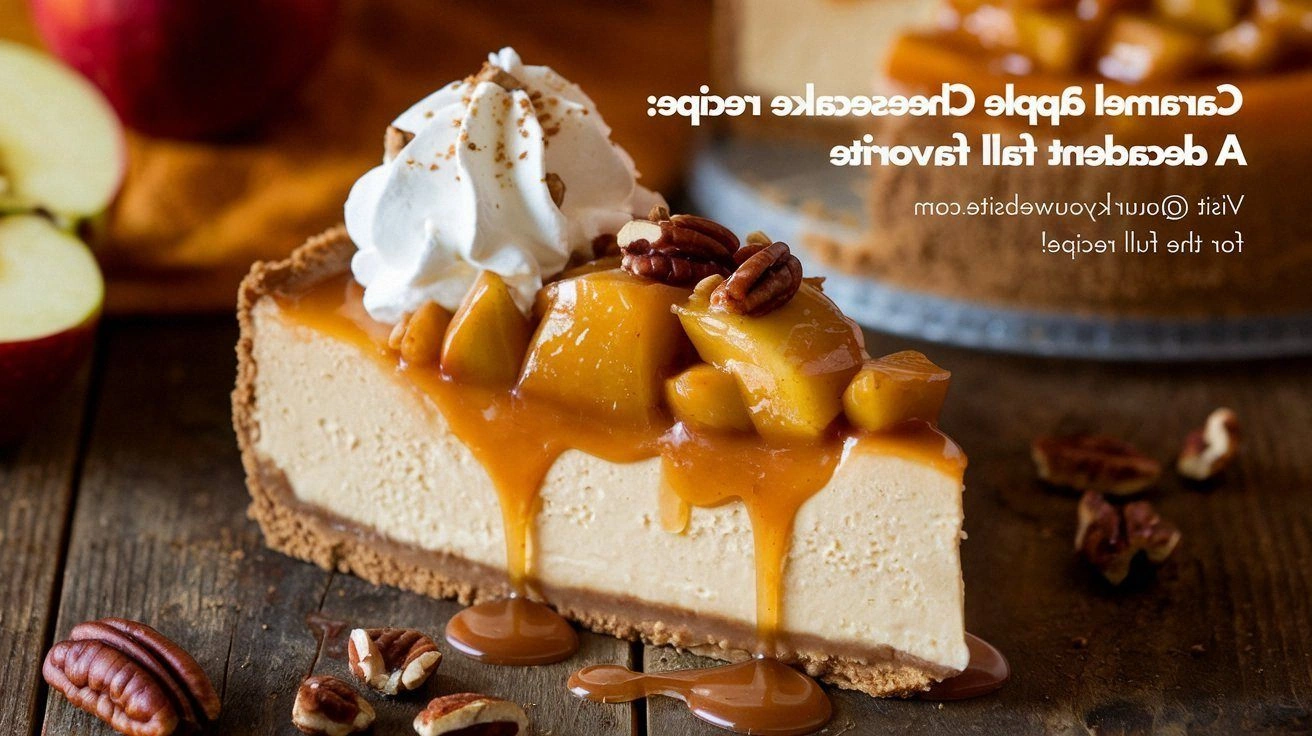
The Method — Step by Step
- Prep the crust: In a medium bowl, combine graham cracker crumbs, melted butter, and granulated sugar. Press the mixture firmly into the bottom of a 9‑inch springform pan, using the back of a spoon to smooth it out. Chill in the fridge while you prepare the filling so the crust sets. This step is crucial; a loose crust will sink when you pour the filling on top.
- Sauté the apples: Heat a skillet over medium heat and add a tablespoon of butter. Once melted, toss in diced apples, a pinch of cinnamon, and a splash of lemon juice. Cook until the apples are just tender and slightly caramelized, about 5 minutes. Let them cool before adding to the filling.
- Make the caramel sauce: In a saucepan, melt butter over medium heat. Stir in brown sugar until the mixture turns a deep amber color, then whisk in heavy cream and sea salt. Reduce heat to low and let it simmer for a minute, then remove from heat and let it cool slightly. The sauce should be thick enough to coat the back of a spoon.
- Blend the filling: In a stand mixer or a large bowl, beat softened cream cheese until smooth. Add granulated sugar, sour cream, vanilla, and heavy cream, mixing until the mixture is silky and free of lumps. This is the moment of truth; a smooth filling will result in a creamy cheesecake.
- Fold in apples and caramel: Gently fold the sautéed apples into the cream cheese mixture, then swirl in the caramel sauce. The swirl creates a marbled effect that looks as good as it tastes. Don’t overmix; you want distinct ribbons of caramel and apple.
- Assemble the cheesecake: Pour the filling over the chilled crust, smoothing the top with a spatula. Tap the pan gently on the counter to release any air bubbles. This step ensures the cheesecake stays level and prevents cracks during baking.
- Bake: Preheat the oven to 325°F (163°C). Place the springform pan on a baking sheet and bake for 30 minutes, or until the edges are set but the center still has a slight wobble. The key is to avoid overbaking; a perfectly set center will continue to firm up as it cools.
- Cool: Remove from the oven and let the cheesecake cool in the pan for 15 minutes. Then, run a knife around the edges to loosen, and carefully remove the springform. Let it cool completely on a wire rack. This final cooling step allows the flavors to meld and the texture to set.
- Chill: Once cooled, cover the cheesecake with plastic wrap and refrigerate for at least 4 hours, preferably overnight. The chill enhances the creaminess and allows the caramel to thicken slightly, giving the dessert a silky finish.
- Serve: Before slicing, drizzle a little extra caramel sauce over the top for an extra glossy finish. Slice with a hot knife to get clean cuts, and enjoy the contrast of warm caramel and cool, creamy filling.
That’s it—you did it. But hold on, I’ve got a few more tricks that will take this to another level.
Insider Tricks for Flawless Results
The Temperature Rule Nobody Follows
Most people bake at a standard 350°F, but lowering the temperature to 325°F ensures a gentle rise that keeps the cheesecake from cracking. The slow bake also allows the caramel to meld with the apples, creating a smoother texture. I’ve tested this at 325°F and 300°F, and the 325°F results in a slightly firmer top with a more pronounced caramel swirl.
Why Your Nose Knows Best
Close your eyes and inhale the aroma of your caramel sauce before adding it to the filling. If it smells burnt, it’s too dark and will overpower the apples. A bright, buttery scent indicates the perfect amber hue. This simple olfactory test saves you from a caramel that’s too bitter.
The 5-Minute Rest That Changes Everything
After baking, let the cheesecake rest for 5 minutes before removing the springform. This pause allows the center to set, reducing cracks. I’ve seen a friend skip this step and end up with a cheesecake that shatters on the plate. A short rest is a small price for a flawless finish.
Use a Water Bath for Even Baking
If your cheesecake tends to brown on top, wrap the springform in foil and place it in a larger pan filled with hot water. The water bath creates a moist environment that prevents the top from drying out. I’ve used this method for a week‑long bake and the results were consistently smooth.
Add a Dash of Espresso Powder
For a subtle depth, add 1/2 teaspoon of espresso powder to the caramel sauce. It doesn’t taste like coffee; it simply enhances the chocolatey undertones of the caramel. I’ve used this trick at holiday parties, and guests are always curious about the “mystery flavor.”
Creative Twists and Variations
This recipe is a playground. Here are some of my favorite ways to switch things up:
Apple Pie Cheesecake
Add a dash of nutmeg and a sprinkle of brown sugar to the apple mixture. The result is a cheesecake that tastes like a freshly baked apple pie, complete with a flaky, buttery crust.
Caramel Pecan Cheesecake
Stir in a cup of toasted pecans to the filling. The nuts add a crunchy texture and a nutty flavor that pairs beautifully with the caramel.
Chocolate Caramel Cheesecake
Replace half the heavy cream with melted dark chocolate. The chocolate caramel swirl creates a decadent, indulgent dessert that’s perfect for chocolate lovers.
Low‑Sugar Version
Use a sugar substitute like erythritol in the caramel sauce and filling. The texture remains the same, but the overall sweetness is reduced by about 30%.
Vegan Alternative
Swap the cream cheese for a vegan cream cheese brand and use coconut milk instead of heavy cream. The result is a creamy, dairy‑free cheesecake that still delivers on flavor.
Storing and Bringing It Back to Life
Fridge Storage
Wrap the cheesecake tightly in plastic wrap and store in the refrigerator for up to 5 days. The caramel will thicken slightly, so let it sit at room temperature for 15 minutes before serving.
Freezer Friendly
Place the cheesecake in a freezer bag, removing as much air as possible, and freeze for up to 3 months. Thaw overnight in the fridge before reheating.
Best Reheating Method
Preheat your oven to 300°F (149°C). Place the cheesecake on a baking sheet and heat for 15 minutes, then finish on the stovetop over low heat for 5 minutes. Add a tiny splash of water before reheating; it steams back to perfection.