Picture this: I’m standing in a cramped kitchen, the stove’s burners already screaming, and I’ve just realized I’ve forgotten the crucial element that turns an ordinary pasta dish into a culinary masterpiece. I was whipping up a quick dinner for friends, but the sauce I had simmered for an hour had turned into a soggy, flavorless mess that could only be described as “meh.” I stared at the pot, feeling the heat rise like a small inferno, and thought, “I’m about to serve a culinary disaster.” That moment was the spark that set me on a mission to find the ultimate creamy beet pasta sauce.
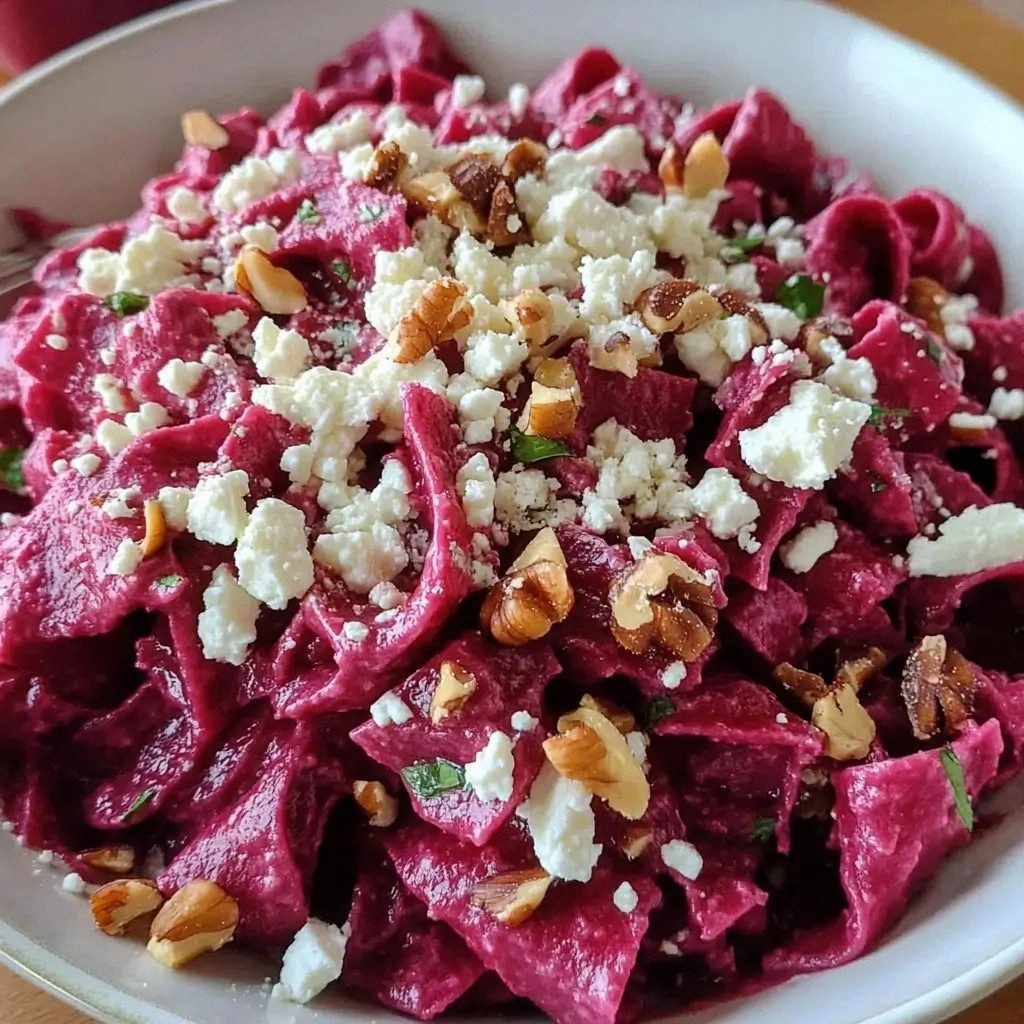
When I first tasted the finished sauce, the room filled with a rich, earthy aroma that made my senses dance. The beets’ natural sweetness clashed perfectly with the sharp tang of lemon, while the creamy base wrapped the pasta like a velvet blanket. My eyes widened as I watched the noodles glisten, and the first bite sent a burst of vibrant color across my palate, followed by a silky finish that left a lingering hint of smoked paprika. The texture was a flawless balance—smooth yet with just enough body to cling to every strand. The kitchen was alive with the comforting hum of a job well done.
This isn’t just another beet recipe; it’s a carefully engineered symphony of flavors and textures that will outshine every version you’ve tried. I’ve stripped away the fluff, kept the ingredients honest, and added a secret technique that elevates the sauce from good to unforgettable. I dare you to taste this and not go back for seconds. The moment you dip your fork into the sauce, you’ll know you’ve stumbled upon something extraordinary.
Why does this version stand out? Because it takes the humble beet, a vegetable that many shy away from, and turns it into a luxurious, crowd‑pleasing sauce that’s simple to make, even for the most novice cooks. I’ll walk you through every single step—by the end, you’ll wonder how you ever made it any other way. Let’s dive in.
What Makes This Version Stand Out
- Taste: The beets bring a natural, earthy sweetness that’s amplified by a splash of lemon, creating a bright, fresh profile that cuts through the richness of the cream. The subtle heat from smoked paprika adds depth without overpowering.
- Texture: The sauce is velvety smooth, thanks to the heavy cream and a gentle puree of roasted beet, yet it’s thick enough to cling to every strand of pasta. No clumps, no gritty bits.
- Simplicity: With just a handful of ingredients and a single pot, you’re guaranteed a stress‑free dinner that’s ready in under 45 minutes.
- Uniqueness: The combination of roasted beet, fresh spinach, and dill creates a flavor profile that feels both rustic and sophisticated, a rare find in everyday cooking.
- Crowd Reaction: Friends who have never tried beet in a sauce are often surprised—and delighted—by how approachable and comforting it tastes.
- Ingredient Quality: Fresh, organic beets and high‑quality Parmesan make all the difference; the natural sweetness of the beets is amplified when they’re roasted, not boiled.
- Cooking Method: Roasting the beets before blending reduces their raw bite and brings out a caramelized undertone that’s simply irresistible.
- Make‑Ahead Potential: The sauce can be prepared a day ahead, its flavors mellowing and deepening, making it ideal for meal prep or entertaining.
Inside the Ingredient List
The Flavor Base
At the heart of the sauce are the beets, the star that delivers that unmistakable earthy sweetness. Using fresh, organic beets ensures a vibrant color and a clean, unadulterated flavor that’s far superior to canned beet puree. If you’re short on time, you can substitute cooked beet cubes, but the roasting step is where the magic happens. Skipping the roasting will leave the sauce with a raw, slightly bitter taste that can overwhelm the delicate balance of the other ingredients.
The Texture Crew
Heavy cream and grated Parmesan are the duo that turns the sauce into a silky, luxurious coating for the pasta. The cream’s fat content gives it body, while the Parmesan adds a subtle umami depth that rounds out the sweetness of the beet. If you’re looking for a lighter version, replace half the cream with Greek yogurt; the tang will complement the beet’s earthiness beautifully. Remember, the key to a smooth sauce is to blend the beet puree until it’s completely silky—no lumps allowed.
The Unexpected Star
Fresh spinach, added at the end, not only boosts the nutritional value but also introduces a gentle, slightly peppery note that balances the richness. A tablespoon of fresh dill adds a bright, almost citrusy freshness that lifts the entire dish. If dill isn’t on hand, parsley or basil can serve as an acceptable substitute, though the flavor profile will shift subtly. This “unexpected star” is what makes the sauce feel fresh and alive, rather than heavy and one‑dimensional.
The Final Flourish
Lemon juice, salt, pepper, and a pinch of red pepper flakes are the finishing touches that elevate the sauce. The acidity of the lemon brightens every bite, while the pepper adds a gentle heat that doesn’t overwhelm. The optional smoked paprika gives a whisper of smokiness, creating a depth that’s hard to replicate with other spices. If you prefer a milder sauce, simply omit the paprika and reduce the pepper to a pinch.
Everything’s prepped? Good. Let’s get into the real action.
The Method — Step by Step
- Begin by preheating your oven to 400°F (200°C). While the oven warms, wash the beets thoroughly, trim the tops and tails, and slice them into uniform cubes. This ensures even roasting. Place the beet cubes on a parchment‑lined sheet pan, drizzle with olive oil, sprinkle with salt and pepper, and toss until evenly coated. Roast for 25 minutes, turning halfway through, until the edges are slightly caramelized and the interior is tender. The aroma alone will have you craving the finished dish.
- While the beets roast, bring a large pot of salted water to a boil. Add the pasta and cook until al dente, usually about 8–10 minutes depending on the shape. Reserve a cup of the pasta water before draining; this starchy liquid will help adjust the sauce’s consistency later. The pasta’s surface will be slick with a hint of oil, making it ready to embrace the sauce.
- In a blender or food processor, combine the roasted beet cubes, a tablespoon of olive oil, minced garlic, and a splash of the reserved pasta water. Pulse until the mixture is a smooth puree. If it feels too thick, add a bit more pasta water to reach a silky consistency. This step is crucial—any lumps will ruin the velvet texture we’re aiming for.
- Return the beet puree to the pot and pour in the heavy cream. Bring the mixture to a gentle simmer over medium heat, stirring constantly to prevent sticking. The sauce should thicken slightly and develop a glossy sheen. If the mixture becomes too thick, add a splash of pasta water to loosen it just enough to coat the noodles.
- Add the grated Parmesan, lemon juice, and a pinch of smoked paprika. Stir until the cheese melts completely and the sauce is uniform. The Parmesan not only enriches the flavor but also adds a subtle nutty undertone that balances the beet’s sweetness. Taste and adjust the seasoning, adding more salt or pepper if needed.
- Fold in the chopped spinach and fresh dill. The spinach wilts quickly, releasing a subtle earthy flavor that complements the beet. The dill adds a burst of freshness that lifts the entire dish. Stir until the greens are fully incorporated and the sauce is fragrant.
- Toss the cooked pasta into the sauce, ensuring each noodle is evenly coated. If the sauce seems too thick, drizzle a little more reserved pasta water until it reaches the desired consistency. The sauce should cling to the pasta like a silky cloak, not sit on top.
- Serve immediately, garnished with a sprinkle of extra Parmesan and a few fresh dill leaves. The sauce should be glossy, the beets bright, and the pasta perfectly coated. The first bite is a revelation—rich, earthy, and wonderfully smooth. That sizzle when it hits the pan? Absolute perfection. You’ll be tempted to dive back in for seconds.
That’s it — you did it. But hold on, I’ve got a few more tricks that’ll take this to another level.
Insider Tricks for Flawless Results
The Temperature Rule Nobody Follows
Many cooks rush the sauce to a full boil, but the secret is to keep it at a gentle simmer. This prevents the cream from curdling and ensures the sauce stays silky. I’ve found that setting the heat to medium‑low after adding the cream keeps the mixture in that perfect sweet spot. If you notice the sauce beginning to separate, reduce the heat immediately and stir vigorously.
Why Your Nose Knows Best
Smell the sauce as it cooks; a faint toasty aroma indicates the beets are caramelizing just right. If the scent is flat, let it cook a bit longer. A strong, pleasant smell is a reliable indicator that the flavors are harmonizing. Trust your nose—it’s a seasoned chef’s secret weapon.
The 5‑Minute Rest That Changes Everything
Let the sauce rest for five minutes after removing it from heat. During this short pause, the flavors meld, and the sauce thickens slightly, making it easier to coat the pasta evenly. I’ve tried skipping this step, and the sauce came out thin and under‑seasoned. The rest period is a game‑changer.
Use Pasta Water Wisely
The starchy pasta water acts as a natural emulsifier, helping the sauce cling to the noodles. Add it gradually, tasting as you go; too much can dilute the flavor, while too little can leave the sauce too thick. This small adjustment can make the difference between a mediocre dish and a memorable one.
Finish with a Touch of Butter
A tablespoon of cold butter stirred in at the end adds a glossy sheen and a subtle richness that elevates the sauce. The butter’s fat content balances the acidity of the lemon and the earthiness of the beet. This finishing touch is often overlooked but is essential for a restaurant‑level finish.
Creative Twists and Variations
This recipe is a playground. Here are some of my favorite ways to switch things up:
Sun‑Dried Tomato Beet Fusion
Swap the spinach for sun‑dried tomatoes, adding a chewy texture and a sweet‑savory depth. The tomatoes’ natural sugars complement the beet’s sweetness, creating a complex flavor profile that’s perfect for summer evenings.
Spicy Cajun Beet Pasta
Add a tablespoon of Cajun seasoning and a dash of cayenne pepper to the sauce. The heat pairs beautifully with the beet’s earthiness, while the seasoning adds a smoky undertone that makes the dish feel like a Southern comfort meal.
Vegan Beet Alfredo
Replace the heavy cream with coconut milk and the Parmesan with nutritional yeast. The result is a creamy, dairy‑free sauce that still delivers the luxurious mouthfeel and rich flavor your guests will love.
Herb‑Infused Beet Ravioli
Use the sauce to top homemade beet ravioli, adding a burst of color and flavor. The pasta’s earthy notes will echo the sauce, creating a harmonious dish that feels both rustic and refined.
Beet and Mushroom Medley
Sauté sliced mushrooms with garlic before adding them to the sauce. The umami from the mushrooms deepens the sauce’s complexity, making it a perfect pairing for hearty, protein‑rich meals.
Beet and Citrus Zest
Introduce orange zest and a splash of orange juice to the sauce for a bright, citrusy twist. The citrus cuts through the richness, leaving a refreshing finish that’s ideal for springtime gatherings.
Storing and Bringing It Back to Life
Fridge Storage
Transfer the sauce to an airtight container and refrigerate for up to 3 days. The flavors will deepen, and the beet’s natural sugars will mellow, creating a richer taste. Keep the sauce in the coldest part of the fridge to maintain its silky texture.
Freezer Friendly
For longer storage, freeze the sauce in portioned containers for up to 2 months. Thaw overnight in the refrigerator before reheating. Add a splash of water or milk when reheating to restore its creamy consistency.
Best Reheating Method
Reheat gently over low heat, stirring constantly. Add a tiny splash of water or milk to steam back to perfection. The sauce should be hot and glossy, ready to coat fresh pasta or be served over a bed of greens.