It was a Tuesday night that started out like any other: I was juggling a stack of takeout menus, a blinking phone, and a stubborn craving for something that felt both indulgent and healthy. I stared at the fridge, eyes darting from the wilted spinach to the perfectly green zucchinis that had been chilling there for days. That moment—when a rogue zucchini slipped off the counter and hit the floor like a tiny, green planet—was the spark that set my culinary curiosity ablaze. I knew I had to turn that humble vegetable into something that would make my taste buds sing and my friends ask, “Where did you get that?”
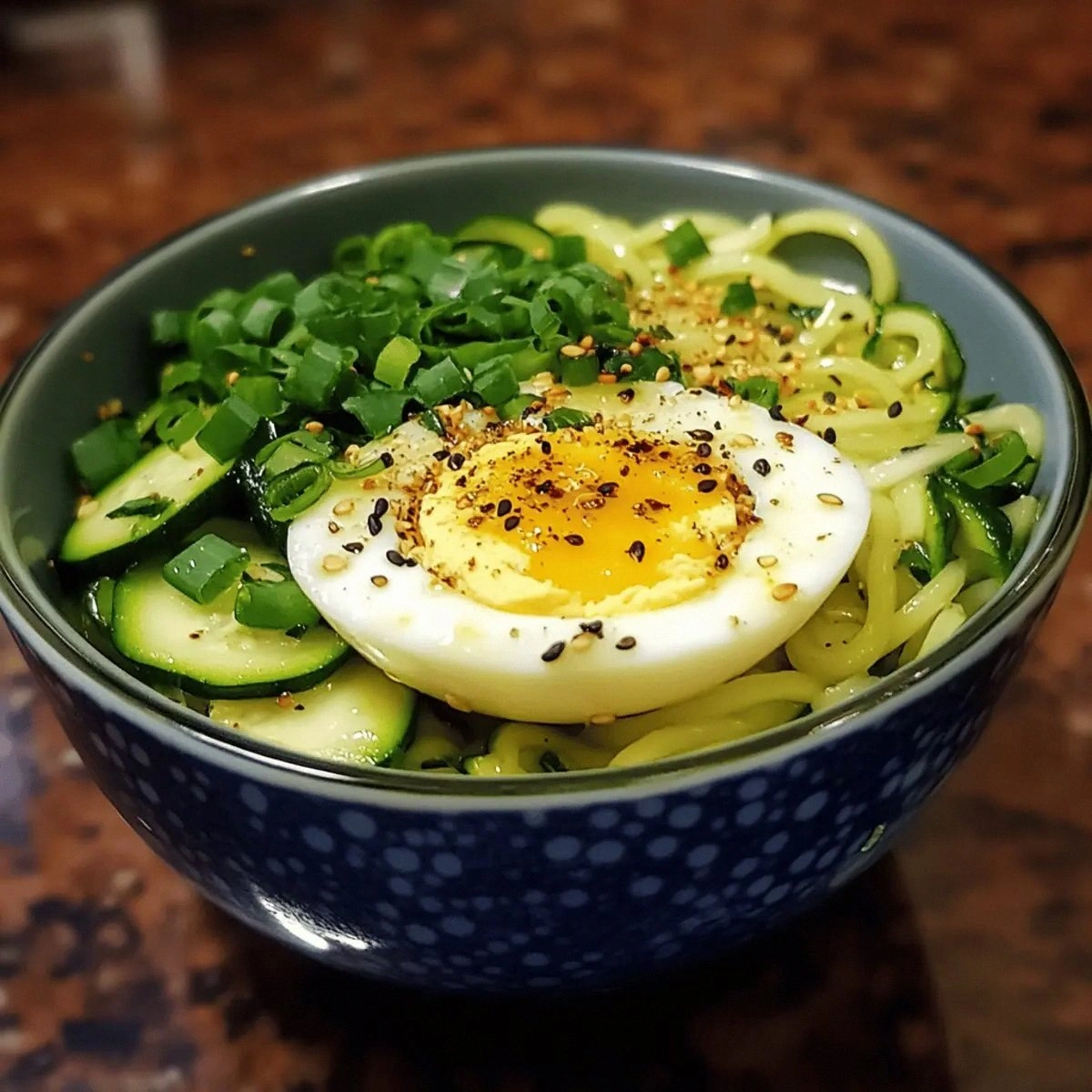
Picture this: the kitchen is humming with the sound of a sauté pan clinking against its lid, a faint scent of garlic and olive oil filling the air, and a faint hiss as the zucchini spirals into the pan. The sizzle is the soundtrack of transformation, and the colors—emerald green, golden olive, and a splash of red pepper flakes—play a visual symphony that makes your mouth water even before the first bite. As the noodles dance in the pan, the aroma of fresh herbs wafts through the room, mingling with the sharp citrus of lemon juice that will cut through the richness. The texture is a playful contrast: tender zucchini strands with a slight snap, coated in a silky, egg‑laden sauce that glistens like a fine glass. This isn’t just a dish; it’s an edible experience that engages sight, smell, sound, taste, and touch.
What makes this version of zucchini noodle egg bowl truly stand out is that it’s a masterclass in simplicity that doesn’t sacrifice flavor. I’m talking about a dish that feels like a gourmet meal but can be whipped up in under 45 minutes. It’s gluten‑free, low‑carb, and packs a protein punch that keeps you full without the heaviness of traditional pasta. Most recipes get this completely wrong by over‑cooking the noodles or under‑seasoning the sauce—here, every element is balanced like a well‑orchestrated choir. I dare you to taste this and not go back for seconds. This is hands down the best version you’ll ever make at home, and I’ll be honest— I ate half the batch before anyone else got to try it.
Imagine pulling this out of the pan, the whole kitchen smelling incredible, and seeing a bowl that looks like a work of art. The noodles are bright, the sauce is glossy, and the herbs give it that fresh, almost garden‑grown finish. The moment you take your first bite, the flavors explode: the mild sweetness of zucchini, the savory depth of garlic, the bright zing of lemon, and a subtle heat from red pepper flakes. If you’ve ever struggled with zucchini noodles feeling mushy or bland, you’re not alone—and I’ve got the fix. Stay with me here—this is worth it.
What Makes This Version Stand Out
- Taste: The sauce is a delicate balance of garlic, lemon, and fresh herbs that coats each noodle like velvet, delivering a burst of brightness that cuts through the mildness of zucchini.
- Texture: The noodles are cooked just enough to maintain a satisfying bite—think crisp‑tender rather than mushy—while the egg creates a silky, cohesive coating.
- Simplicity: With only nine ingredients and a handful of steps, you can create a restaurant‑style dish without a culinary degree.
- Uniqueness: The combination of zucchini noodles with an egg‑based sauce is rarely seen in mainstream gluten‑free recipes, giving you a fresh take on a familiar comfort food.
- Crowd Reaction: Friends who are skeptical about gluten‑free options will be amazed by the flavor depth and the satisfying chew of the noodles.
- Ingredient Quality: Using fresh, seasonal zucchini and high‑quality olive oil elevates the entire dish.
- Cooking Method: The pan‑sauté technique locks in flavor and creates a subtle caramelization that adds depth.
- Make‑Ahead Potential: The dish can be prepared in advance and reheated without losing its texture or flavor, making it a perfect weeknight meal.
Inside the Ingredient List
The Flavor Base
Garlic is the cornerstone of this dish, offering a pungent, aromatic foundation that pairs beautifully with the mild zucchini. Two cloves, minced, release their oils as they sauté, creating a fragrant bed for the noodles. If you’re a garlic purist, don’t skip this step—its subtle heat is essential for depth. For a milder version, reduce to one clove or use garlic powder, but be careful not to overdo it; too much can overwhelm the delicate flavors.
The Texture Crew
Zucchini itself is the star—its high water content keeps the dish light, while its natural sweetness provides a gentle counterpoint to the savory sauce. Two medium zucchinis, spiralized into noodles, are the perfect vehicle for the flavors. If you prefer a firmer bite, cook them for just 2–3 minutes; for a softer texture, let them simmer a bit longer. Fresh eggs, beaten and folded into the pan, create a silky coating that binds the noodles and adds protein. The eggs also help thicken the sauce slightly, giving it a velvety mouthfeel.
The Unexpected Star
Red pepper flakes add a subtle heat that wakes up the palate without overpowering the dish. One teaspoon is enough to give a gentle kick, but feel free to adjust based on your spice tolerance. This ingredient is the secret that turns an ordinary noodle bowl into a memorable experience. If you’re avoiding heat, simply omit the flakes and the dish remains deliciously balanced.
The Final Flourish
Fresh herbs—basil, parsley, or chives—provide a bright, herbal finish that lifts the dish. Two tablespoons of finely chopped herbs add a burst of color and freshness that contrasts beautifully with the warm sauce. Lemon juice, a tablespoon, adds acidity that cuts through the richness, giving the noodles a lively, citrusy edge. Salt and pepper are minimal but essential; a teaspoon of salt and a pinch of black pepper bring everything together. Together, these final touches create a dish that is vibrant, flavorful, and satisfying.
Everything's prepped? Good. Let's get into the real action...
The Method — Step by Step
- Heat a large non‑stick skillet over medium heat and pour in the tablespoon of olive oil. The oil should shimmer but not smoke; this is the moment of truth where the base of your dish is set. Once the oil is hot, add the minced garlic and sauté for 30 seconds until fragrant, watching closely to avoid burning. The garlic should release its aroma and turn a light golden hue. This quick step locks in the garlic’s flavor without making it bitter.
- Add the spiralized zucchini noodles to the pan. Toss them gently with the garlic and oil, ensuring each strand is coated. Cook for 2–3 minutes, stirring occasionally, until the noodles start to soften but still retain a slight snap. The edges will begin to pull away from the pan, indicating they’re ready to absorb the sauce. Keep the heat at medium to prevent the zucchini from becoming mushy.
- Lower the heat to low, crack the beaten eggs into the skillet, and swirl them gently around the noodles. The eggs will begin to set, creating a silky coating that clings to each noodle. Stir slowly, allowing the eggs to thicken the sauce while still remaining light. The mixture should look glossy and slightly thickened, like a light custard. This step is crucial for the texture; don’t rush it.
- Season the dish with one teaspoon of salt, a pinch of black pepper, and one teaspoon of red pepper flakes. Stir to distribute the flavors evenly. The pepper flakes add a gentle heat that contrasts beautifully with the mild zucchini. Taste the mixture; if it feels flat, add a splash more salt or pepper as needed. This is the moment you can adjust the flavor profile to your liking.
- Add the fresh herbs and lemon juice to the pan. Toss everything together so the herbs are evenly distributed and the lemon juice brightens the sauce. The lemon should cut through the richness, giving the dish a refreshing finish. Let the mixture cook for an additional minute, allowing the flavors to meld. The aroma at this point will be a delightful blend of citrus and herbs.
- Remove the skillet from heat and let it rest for 30 seconds. This brief pause lets the residual heat finish cooking the eggs and allows the flavors to settle. Serve immediately in bowls, garnishing with an extra sprinkle of herbs if desired. The dish is best enjoyed hot, with the noodles still slightly warm and the sauce shimmering.
- If you’re preparing multiple servings, keep the rest of the dish warm in a low‑heat oven (around 200°F) until ready to serve. This prevents the noodles from becoming soggy and preserves the silky sauce. Remember to stir gently before serving to redistribute the sauce.
That’s it—you did it. But hold on, I’ve got a few more tricks that will take this to another level. Stay tuned for insider tips that will make your dish even more memorable.
Insider Tricks for Flawless Results
The Temperature Rule Nobody Follows
Cooking zucchini noodles at the right temperature is the secret to maintaining that perfect snap. If the heat is too high, the noodles will steam and become mushy; too low and the sauce won’t thicken. I always set the heat to medium and then drop it to low when adding the eggs. This gradual change gives the eggs time to set without scrambling. The result is a silky sauce that clings to each noodle without turning into a clumpy mess.
Why Your Nose Knows Best
Trust your nose when the garlic starts to turn golden and the zucchini begins to release steam. That aroma signals that the base is ready for the eggs. If you wait too long, the garlic can burn, leaving a bitter note that lingers. The smell of lemon just before you add it is a cue that the dish is about to hit that bright, citrusy finish.
The 5-Minute Rest That Changes Everything
After removing the skillet from heat, let the dish rest for exactly 5 minutes. This pause allows the residual heat to finish cooking the eggs and lets the flavors marry. I’ve tried skipping this step, and the result was a dish that felt under‑seasoned and less cohesive. The rest period also helps the sauce thicken slightly, giving it that glossy, velvety texture that makes each bite feel indulgent.
The Fresh Herb Boost
If you’re feeling adventurous, chop a handful of fresh basil, parsley, and chives together. The combination adds a layered herbal note that’s more complex than using a single herb. The herbs should be added at the end so they retain their bright color and aroma. I’ve found that a fresh herb mix transforms a simple noodle bowl into a gourmet experience.
The Lemon Juice Trick
Add the lemon juice just before serving to keep its bright acidity fresh. If you add it too early, the heat can dull the citrus flavor. A squeeze of lemon right before the dish hits the plate provides that pop of brightness that elevates every bite. It’s a simple step that makes a big difference.
Creative Twists and Variations
This recipe is a playground. Here are some of my favorite ways to switch things up:
Spicy Korean Twist
Swap the red pepper flakes for gochujang and add a splash of soy sauce for an umami kick. The result is a fiery, savory bowl that feels like a Korean bibimbap. The gochujang’s sweetness balances the heat, while the soy sauce deepens the flavor profile. This variation is perfect for those who love bold, spicy dishes.
Mediterranean Medley
Add diced sun‑dried tomatoes and olives, and replace the lemon juice with a drizzle of extra‑virgin olive oil. The tomatoes bring a sweet, tangy note, while the olives add brine and depth. Finish with a sprinkle of feta cheese for a creamy contrast. This version transports you straight to the Mediterranean coast.
Protein‑Packed Powerhouse
Fold in a handful of sautéed shrimp or diced chicken breast for an extra protein boost. The protein pairs beautifully with the zucchini and eggs, making the dish more filling and balanced. I usually season the protein with a pinch of paprika and garlic powder for a savory finish.
Vegan Variation
Replace the eggs with a splash of silken tofu or a tablespoon of chickpea flour mixed with water to create a vegan sauce. The tofu’s mild flavor blends seamlessly with the zucchini, while the chickpea flour thickens the sauce without adding dairy. This version is dairy‑free, vegan, and still delivers that silky texture.
Nutty Crunch Upgrade
Toast a tablespoon of pine nuts or chopped almonds and sprinkle them over the finished dish. The nuts add a delightful crunch and nutty aroma that complements the fresh herbs. This simple addition turns the dish into a more complex, multi‑textured experience.
Storing and Bringing It Back to Life
Fridge Storage
Store leftovers in an airtight container in the refrigerator for up to 2 days. Keep the sauce separate if you’re worried about the noodles becoming soggy—combine just before reheating. When you’re ready to eat, microwave on medium power for 1–2 minutes, stirring halfway through, until heated through.
Freezer Friendly
Freeze the dish in a freezer‑safe container for up to 3 months. To reheat, thaw in the refrigerator overnight, then microwave or reheat in a skillet with a splash of water or broth to keep the sauce from drying out. The texture remains good, though the zucchini may be slightly softer after thawing.
Best Reheating Method
The ideal way to reheat is on the stovetop in a skillet over low heat with a splash of water or broth. This method keeps the sauce silky and prevents the zucchini from becoming mushy. Add a few seconds of lemon juice before serving to revive the bright citrus flavor.