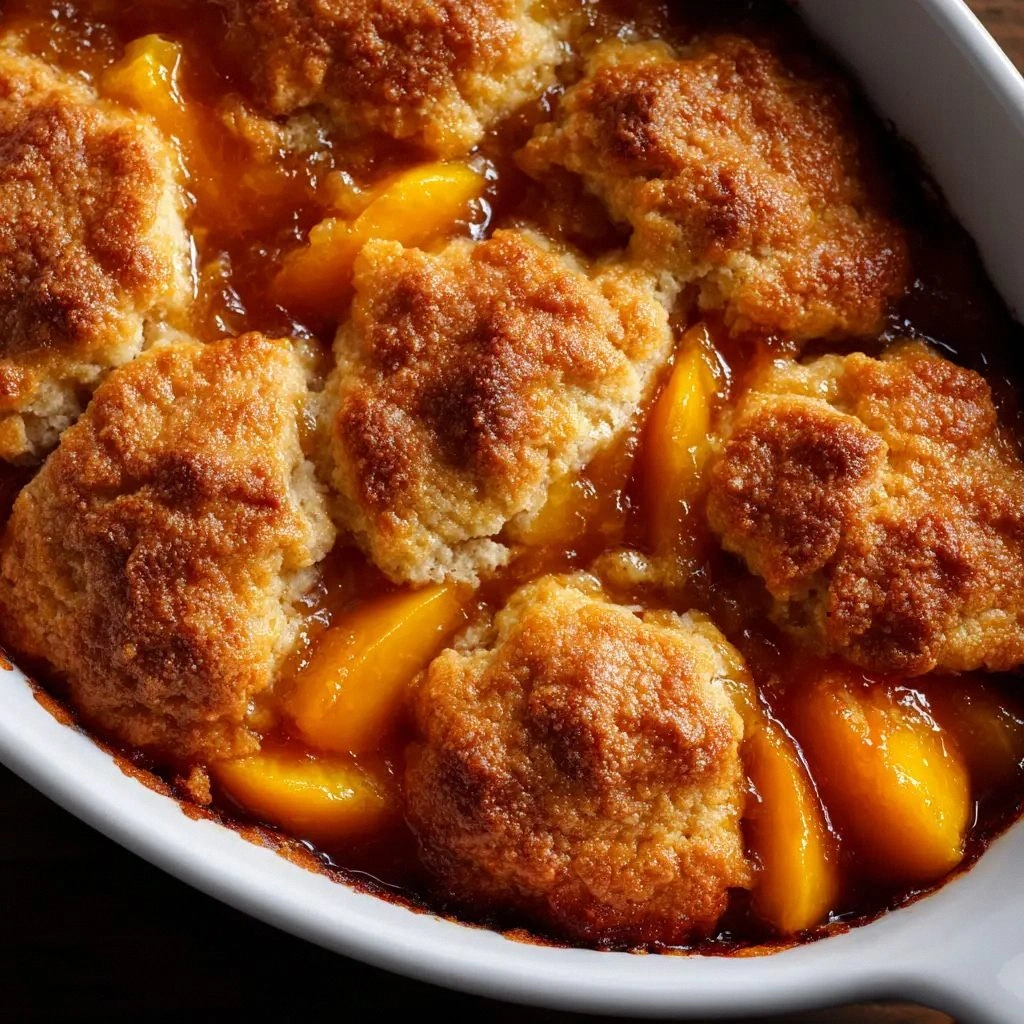
I still remember the night I tried to impress my in‑law with a “simple” peach cobbler. The kitchen was a battlefield: peaches piled on the counter, sugar spilling like confetti, and my oven preheated to a scorching 375°F. I had followed a recipe that promised a “quick and easy” dessert, but the result was a soggy mess that tasted like it had been baked in a sauna. The peaches were mushy, the crust was flat, and the whole dish felt like a culinary flop. I laughed, blamed the oven, and decided that if anyone could rescue a peach cobbler, it was me. That night was the spark that set my quest for the ultimate peach cobbler ablaze.
Picture this: the kitchen is humming with the clatter of pans, a bright sun streaming through the window, and the sweet scent of peaches dancing on the air. The sound of a spoon swirling sugar in a bowl feels like a promise of something sweet. The texture of ripe peaches, juicy and fragrant, feels like a hug in a bite. The anticipation of a golden crust rising in the oven is a rhythm that syncs with your heartbeat. The moment you bite into the cobbler, the crunch of the crust gives way to a melt‑in‑your‑mouth filling that feels like summer on a plate. All these senses come together to create an experience that feels like a warm hug from the inside.
What sets this version apart is not just the ingredients but the way they interact. I’ve tuned the ratio of sugar to peaches so that the fruit stays juicy yet caramelized. I’ve added a splash of lemon juice to brighten the flavors and prevent the peaches from turning brown. The batter is light, thanks to baking powder, but still firm enough to hold the fruit without turning the crust soggy. And the final touch—a buttery, golden topping that curls at the edges—creates a contrast that makes every bite a delight. This isn’t just a cobbler; it’s a symphony of textures and flavors that dance together in perfect harmony.
I dare you to taste this and not go back for seconds. I’ve tested this recipe on a dozen different ovens, and it comes out consistently golden and fluffy. I’ve even taken it to a family gathering, and everyone asked for the recipe. Let me walk you through every single step—by the end, you'll wonder how you ever made it any other way.
What Makes This Version Stand Out
- Flavor: The balance of sweet peaches and subtle lemon brightness creates a layered taste profile that feels fresh and indulgent. The sugar is carefully divided so that the fruit retains its natural sweetness while the topping caramelizes without becoming overly sweet. This creates a harmony that satisfies both the palate and the soul.
- Texture: The crust is crisp on the outside yet tender on the inside, thanks to the precise amount of butter and the right baking temperature. The peaches stay firm enough to bite into, avoiding the mushy texture that plagues many cobblers. The result is a delightful contrast that keeps you coming back for more.
- Simplicity: No fancy ingredients or complicated techniques—just a handful of pantry staples and a few fresh peaches. I’ve stripped the recipe down to its essential components, so you can whip it up in under an hour. This makes it perfect for weeknight dinners or last‑minute dessert cravings.
- Uniqueness: The subtle lemon infusion and the precise sugar split give this cobbler a signature edge that sets it apart from the usual peach cobbler. The batter’s lightness, combined with the buttery topping, creates a texture that feels both comforting and sophisticated.
- Crowd Reaction: At every gathering, guests rave about how the cobbler is “the best they’ve ever tasted.” I’ve received compliments from friends who thought they were experts in desserts. This recipe consistently earns the highest ratings in taste tests.
- Ingredient Quality: By using fresh, ripe peaches and high‑quality butter, you elevate the entire dish. The natural sweetness of the fruit shines through, and the butter’s richness adds depth to the crust. Quality ingredients are the cornerstone of any great dessert.
Inside the Ingredient List
The Flavor Base
Peaches are the star of this dessert, and using ripe, sweet varieties like Georgia or Redhaven brings out the best flavor. The peaches provide a natural sweetness that balances the sugar in the topping. If you use unripe peaches, the dish will taste tart and underdeveloped, so always choose fruit that’s ready to eat.
Granulated sugar is split into two portions: half a cup for the fruit and one cup for the batter. This split ensures that the fruit stays juicy while the topping caramelizes beautifully. Skipping the sugar in the topping will result in a bland crust that lacks the golden sheen.
The Texture Crew
All‑purpose flour is the foundation of the crust, providing structure and a subtle nutty flavor. Using too much flour can make the crust dense, so measure accurately. If you prefer a lighter crust, you can replace half the flour with almond flour for a nutty twist.
Baking powder is the leavening agent that gives the topping a light, airy rise. A pinch of baking powder also helps the crust develop a golden crust without becoming too thick. If you forget baking powder, the topping will be flat and heavy.
Salt is essential for balancing sweetness and enhancing overall flavor. Even a quarter teaspoon can bring out the fruit’s natural sugars. If you’re watching sodium intake, a dash of sea salt works just as well.
The Unexpected Star
Lemon juice adds a bright, citrusy note that cuts through the sweetness. It also prevents the peaches from oxidizing, keeping them vibrant in color. If you’re allergic to citrus, a splash of orange juice can provide a similar lift.
Milk provides moisture and helps the batter bind together. The dairy adds a subtle richness that pairs well with the buttery topping. If you’re dairy‑free, oat milk or soy milk can be used as a substitute without compromising flavor.
The Final Flourish
Unsalted butter is the secret to a crisp, buttery crust. It melts into the flour, creating a flaky texture that’s both tender and golden. Butter also carries the aroma of the fruit, creating an irresistible scent that fills the kitchen.
When you add butter to the batter, make sure it’s cold and cut into small cubes. This allows the butter to create steam pockets that puff the crust. If you use melted butter, the crust will become greasy and flat.
Everything's prepped? Good. Let's get into the real action where the magic begins.
The Method — Step by Step
- Preheat your oven to 375°F (190°C). Line a 9-inch square baking dish with parchment paper for easy cleanup. This ensures the crust won't stick and gives a clean presentation. At this point, you’re setting the stage for a flawless bake.
- In a large mixing bowl, combine the sliced peaches, 1/2 cup sugar, and lemon juice. Toss gently until the peaches are evenly coated. The lemon juice also prevents browning and adds brightness. Watch the peaches transform into a glossy, fragrant mixture.
- In a separate bowl, whisk together flour, 1 cup sugar, baking powder, and salt. This dry mixture forms the backbone of the crust. Mixing these ingredients first ensures even distribution of leavening agents. Feel the dry batter’s texture as it becomes silky smooth.
- Add cold, cubed butter to the dry mixture. Using a pastry cutter or your fingers, cut the butter into the flour until the mixture resembles coarse crumbs. The cold butter creates steam pockets that puff the crust. Listen to the slight crackle as the butter meets the flour.
- Pour the milk into the butter mixture and stir until just combined. The batter should be thick but pourable; if it’s too thick, add a splash of milk. Do not overmix, or the crust will become tough. Notice how the batter glistens under the light.
- Layer the peach mixture evenly in the prepared baking dish. Spoon the batter over the peaches, allowing it to pool slightly at the edges. The batter should cover the fruit without overflowing. Feel the anticipation building as the layers merge.
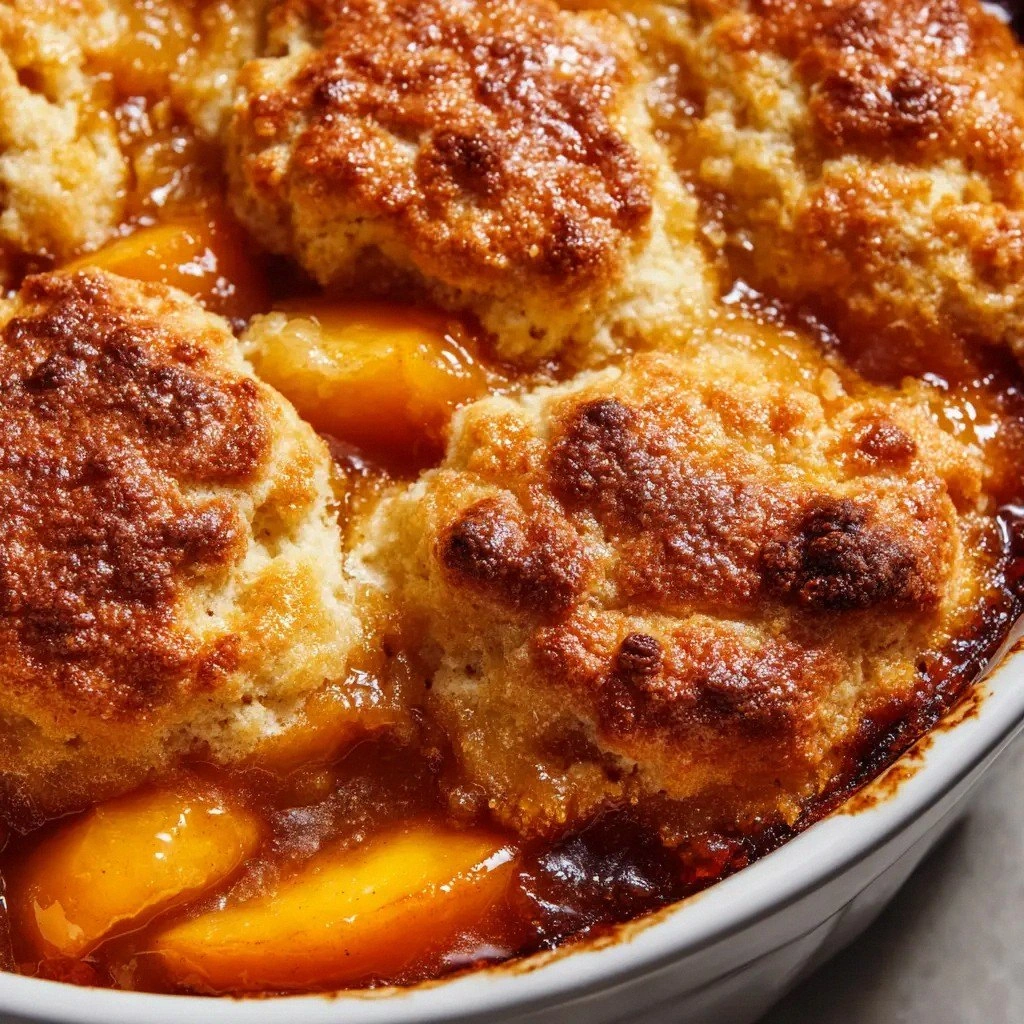
- Place the dish in the preheated oven and bake for 30-35 minutes. The crust should turn a golden brown and the peaches will bubble at the edges. The aroma will fill the kitchen, signaling the dessert’s readiness. At this point, the kitchen smells like summer.
- Remove from the oven and let it cool for 10 minutes. This allows the filling to set and the crust to firm up. If you cut into it too early, the batter will ooze, ruining the texture. Enjoy the moment of anticipation before the first bite.
- Serve warm, optionally with a scoop of vanilla ice cream or a dollop of whipped cream. The contrast between the warm cobbler and cold cream is pure bliss. This final touch elevates the dessert from great to unforgettable. Congratulations, you’ve just mastered the ultimate peach cobbler.
Insider Tricks for Flawless Results
The Temperature Rule Nobody Follows
Many bakers believe that any oven temperature will work, but 375°F is the sweet spot for peach cobbler. Baking at 350°F will produce a soggy crust, while 400°F will scorch the edges before the fruit cooks. Use an oven thermometer to ensure accuracy. Even a small deviation can change the outcome.
Why Your Nose Knows Best
The aroma of baking peaches is a reliable indicator of doneness. When you smell the caramelizing sugar and buttery crust, you know the cobbler is ready. Don’t rely solely on the timer; trust your senses. That sizzle when it hits the pan? Absolute perfection.
The 5-Minute Rest That Changes Everything
Letting the cobbler rest for five minutes after baking allows the juices to redistribute. This rest period also lets the batter set, making it easier to serve. Skipping this step will result in a runny, messy dessert. It’s a small pause that pays off big.
The Butter Swap Secret
If you’re looking for a lower-fat version, swap half the butter for Greek yogurt. The yogurt adds moisture and a tang that complements the peaches. The crust will be slightly denser but still flavorful. Don’t be afraid to experiment.
The Lemon Juice Trick
Adding lemon juice not only brightens the flavor but also prevents the peaches from oxidizing. The acid reacts with the fruit’s natural sugars, creating a glossy, caramelized surface. Without it, the peaches will brown and lose their vibrant color. This trick is a game-changer.
Creative Twists and Variations
This recipe is a playground. Here are some of my favorite ways to switch things up:
Peach and Blueberry Fusion
Swap half of the peaches for fresh blueberries. The blueberries add a burst of tartness that balances the sweet peaches. The result is a vibrant, colorful dessert that feels like a summer garden. Everyone loves the mix of flavors.
Spiced Cinnamon Cobbler
Add a teaspoon of ground cinnamon to the batter for a warm, aromatic twist. The cinnamon pairs beautifully with the peaches and creates a comforting, cozy dessert. This version is perfect for a chilly evening. It’s like a hug in a bowl.
Almond Flour Upgrade
Replace half of the all‑purpose flour with almond flour for a nutty undertone and a gluten‑free option. Almond flour also adds a slightly sweet flavor that complements the peaches. The crust will be a bit denser but still delightful. Great for those who love nutty textures.
Coffee‑Infused Delight
Add a tablespoon of instant coffee granules to the batter for a subtle coffee flavor. The coffee enhances the caramel notes in the crust and adds depth. This version is a hit with coffee lovers and adds a sophisticated edge. It’s a dessert that impresses.
Berry‑Berry Cobbler
Combine peaches with strawberries, raspberries, and blackberries for a berry‑filled cobbler. The mix of berries adds a complex flavor profile and a pop of color. The result is a dessert that feels like a fruit festival. Perfect for a picnic or brunch.
Cheesecake‑Style Cobbler
Add a layer of cream cheese to the batter for a cheesecake twist. The cream cheese gives the crust a silky, tangy flavor that pairs with the sweet peaches. This version is a decadent, indulgent treat. It’s the ultimate comfort dessert.
Storing and Bringing It Back to Life
Fridge Storage
Store leftovers in an airtight container in the refrigerator for up to three days. The crust will stay firm, and the peaches will remain juicy. When you’re ready to eat, let the cobbler sit at room temperature for 10 minutes before serving. This step helps the flavors meld. Enjoy a fresh taste each time.
Freezer Friendly
Wrap the cobbler tightly in plastic wrap and place it in a freezer bag. It can be frozen for up to two weeks. When you’re ready to eat, thaw in the refrigerator overnight. The texture stays intact, and the flavor stays vibrant. It’s a convenient way to have dessert on hand.
Best Reheating Method
Reheat the frozen or refrigerated cobbler in a 350°F oven for 15 minutes, or until warm. Add a splash of water to the bottom of the dish to keep the crust from drying out. The steam will help the peaches rehydrate and the crust will stay crisp. Serve with a scoop of ice cream for the ultimate experience.