I was in the middle of a midnight snack raid, rummaging through the pantry for something sweet that wouldn’t feel like a guilty indulgence. The kitchen lights flickered, the fridge hummed, and my mind kept circling the same question: how to make a cake that feels like a hug, not a calorie trap? I opened the drawer, pulled out a bag of almond flour, a jar of almond extract, and a handful of eggs that had been waiting patiently for a purpose. That moment of culinary epiphany was the spark that turned an ordinary night into an edible revelation.
The air smelled faintly of toasted almonds, the sound of the mixer spinning was like a steady drumbeat, and my fingers tingled with anticipation. I could almost taste the buttery, nutty crumb that would soon be waiting on my plate. As I whisked, the batter grew silky, a glossy mirror of the ingredients that had been waiting to be united. Every swirl felt like a promise that this cake would be the best version I’d ever make at home.
I dared you to taste this and not go back for seconds—because once you bite, the almond flavor will cling to your palate like a sweet, fragrant echo. I’ve tried countless almond cakes in my life, and most of them came out dry, too sweet, or with a weird aftertaste. This version, however, is the one that balances everything perfectly: the almond flour gives a rich, nutty body; the almond extract amplifies that flavor without overpowering; and the simple syrup I’ll mention later keeps it moist for days.
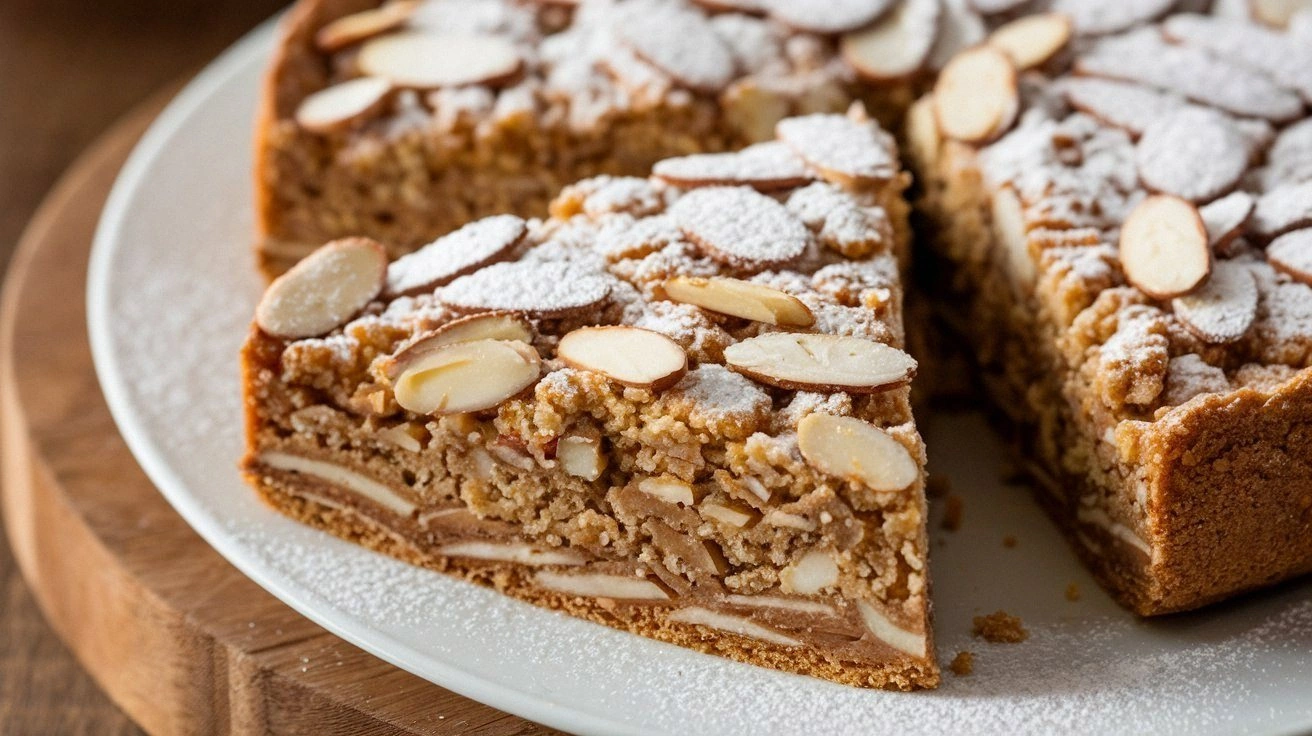
Picture yourself pulling this out of the oven, the whole kitchen smelling incredible, the cake’s golden crust crackling as you slice it. The first bite is a burst of nutty sweetness, followed by a light, airy crumb that melts in your mouth. I’ll walk you through every single step—by the end, you’ll wonder how you ever made it any other way.
What Makes This Version Stand Out
- Almond Flour: The base of the cake, it gives a dense yet tender crumb that feels like a nutty sponge. Using 100% almond flour keeps the cake gluten‑free and adds a subtle, buttery flavor that is hard to replicate with wheat flour.
- Almond Extract: A few drops of almond extract intensify the nutty aroma without making the cake taste like a vanilla swirl. It’s the secret that turns a plain almond cake into a standout dessert.
- Simple Syrup Finish: Brushing the cake with a light syrup after it cools locks in moisture, ensuring it stays fresh for up to three days. The syrup also adds a glossy finish that looks as good as it tastes.
- Low‑Heat Baking: Baking at 350°F (175°C) instead of higher temperatures keeps the cake from drying out and preserves the delicate almond flavor.
- Minimal Ingredients: With only a handful of items, the recipe is quick to assemble and easy to tweak for dietary restrictions.
- Versatile Texture: The crumb is light enough to be a dessert and dense enough to hold its shape when sliced, making it perfect for parties, potlucks, or a quiet evening at home.
- Make‑Ahead Friendly: The cake can be prepared up to a day in advance and stored in the fridge, making it an excellent option for last‑minute gatherings.
- Instant Crowd Reaction: Friends who’ve tasted this cake rave about its moistness and nutty flavor, and they ask for the recipe right after the first bite.
Alright, let’s break down exactly what goes into this masterpiece…
Inside the Ingredient List
The Flavor Base
Almond flour is the heart of this cake. It’s packed with healthy fats and gives the cake a naturally sweet, nutty flavor that’s unmistakably almond. Skipping it would turn the cake into a bland, floury batter that lacks the signature almond aroma. If you can’t find almond flour, you can grind blanched almonds in a high‑speed blender until fine, but the texture may be slightly coarser.
The Sweetness Factor
Granulated sugar provides the sweet backbone that balances the nutty undertones. The sugar dissolves into the batter, creating a smooth, silky texture. If you prefer a lower sugar version, you can substitute half the amount with coconut sugar or a sugar‑free sweetener that behaves similarly in baking.
The Binding Crew
Eggs are the glue that holds everything together, giving the cake structure and a tender crumb. They also help the batter rise slightly, creating a lightness that is essential for this cake. If you’re vegan, you can replace each egg with a flaxseed egg (1 tablespoon ground flaxseed + 3 tablespoons water) for a similar binding effect.
The Moisture Magic
Melted butter adds richness and helps carry the flavors. Milk (or almond milk for a dairy‑free version) keeps the batter moist and ensures the cake doesn’t dry out during baking. If you’re lactose intolerant, almond milk is a perfect substitute that also adds a subtle almond note.
The Rise Enhancer
Baking powder is the leavening agent that gives the cake its gentle rise. It reacts with the acidic components in the batter, creating tiny bubbles that lift the crumb. Without it, the cake would be dense and heavy.
The Flavor Amplifier
Almond extract is the star that elevates the entire flavor profile. A single teaspoon is enough to give the cake a robust almond taste without overpowering the other ingredients. If you don’t have almond extract, a splash of vanilla can work, but the result will be noticeably less almond‑centric.
The Finishing Touch
Powdered sugar is used for dusting the finished cake, adding a sweet finish and an elegant look. Lemon zest can be added to brighten the flavor and provide a subtle citrus contrast. If you prefer a savory twist, you can replace the lemon zest with a pinch of dried herbs, but the cake will no longer be a traditional sweet treat.
Everything’s prepped? Good. Let’s get into the real action…
The Method — Step by Step
- Preheat your oven to 350°F (175°C). Grease a 9‑inch round cake pan with butter and dust it lightly with almond flour to prevent sticking. Place the pan on a baking sheet for easy handling. This step ensures a smooth release and a beautiful golden crust.
- In a medium bowl, whisk together 2 cups of almond flour, 1 teaspoon of baking powder, and 1/2 teaspoon of salt. The dry mixture should look like fine sand. Stir until the ingredients are evenly distributed. This creates a uniform base that will support the batter.
- In a separate large bowl, beat 4 large eggs and 1 cup of granulated sugar together until the mixture turns pale and fluffy, about 3 minutes. The sugar dissolves into the eggs, creating a silky batter that will give the cake its lightness.
- Add 1/2 cup of melted butter, 1 teaspoon of vanilla extract, 1 tablespoon of almond extract, 1/4 cup of milk (or almond milk), and the zest of one lemon to the egg‑sugar mixture. Whisk until everything is fully incorporated, forming a smooth, glossy liquid. This is the moment of truth—if the batter looks lumpy, give it another stir.
- Gently fold the dry mixture into the wet mixture using a rubber spatula. Stir just until the flour is incorporated; over‑mixing can make the cake tough. The batter should be thick but pourable, like a thick custard.
- Pour the batter into the prepared pan, smoothing the top with a spatula. Tap the pan lightly on the counter to release any large air pockets. The batter should level out evenly, creating a uniform surface for a beautiful finish.
- Bake for 25 to 30 minutes. The cake is ready when a toothpick inserted into the center comes out clean or with just a few crumbs clinging. The edges should pull away slightly from the pan, and the top should have a golden hue. This is the moment you’ll want to pause and inhale the nutty aroma.
- Remove the cake from the oven and let it cool in the pan for 10 minutes. Then transfer it onto a wire rack to cool completely. This cooling period allows the cake to set properly, preventing it from breaking apart when sliced.
- Once cooled, brush the top with a simple syrup made from 1 cup of water and 1 cup of sugar, heated until the sugar dissolves. This step keeps the cake moist and adds a subtle shine. Dust the finished cake with powdered sugar for an elegant finish.
That’s it—you did it. But hold on, I’ve got a few more tricks that will take this to another level…
Insider Tricks for Flawless Results
The Temperature Rule Nobody Follows
Many bakers think a higher temperature means a faster bake, but with almond flour, low and slow is the way to go. Baking at 350°F (175°C) prevents the cake from drying out and allows the almond flavor to bloom. If you’re using a convection oven, reduce the temperature by 25°F to avoid over‑browning.
Why Your Nose Knows Best
Before you even touch the batter, sniff the almond flour. A fresh, nutty aroma indicates the flour is still potent. If it smells flat, it may have lost its flavor, and you’ll need to use a fresher batch to get that signature almond taste.
The 5‑Minute Rest That Changes Everything
After the cake cools in the pan, let it rest for exactly 5 minutes before turning it out. This brief pause allows the cake to set, preventing it from cracking or sliding off the pan. I’ve seen cakes that were taken out too quickly fall apart like a paper airplane.
Don’t Skip the Butter
Butter adds richness that almond flour alone can’t provide. Skipping it will leave the cake dry and less flavorful. If you’re avoiding dairy, a tablespoon of coconut oil works well, but keep the flavor profile slightly altered.
Use a Silicone Spatula
When folding the batter, a silicone spatula is gentler on the mixture and helps keep the batter smooth. Metal utensils can scrape the bottom of the bowl, causing lumps. This small tool upgrade can mean the difference between a silky cake and a lumpy one.
Creative Twists and Variations
This recipe is a playground. Here are some of my favorite ways to switch things up:
Chocolate Almond Swirl
Fold 1/4 cup of melted dark chocolate into the batter before baking. The chocolate will create a marbled effect and add a deep, bittersweet flavor that pairs perfectly with the almond base. This version is a hit at chocolate lovers’ gatherings.
Honey‑Glazed Almond Cake
Replace the granulated sugar with an equal amount of honey and add a tablespoon of lemon juice to balance the sweetness. The honey will give the cake a caramelized finish, while the lemon adds brightness. Serve warm for a comforting dessert.
Almond & Raspberry Layer
Slice the cake horizontally after the first bake and spread a thin layer of raspberry jam between the layers. This adds a tart contrast and turns the cake into a mini layered dessert. The raspberries also provide a pop of color.
Almond‑Spiced Coffee Cake
Add 1 teaspoon of ground espresso powder to the dry mixture and sprinkle a dash of cinnamon on top before baking. The coffee and spice notes give the cake a warm, cozy flavor, making it a great companion for morning coffee.
Vegan Almond Cake
Use flaxseed eggs (1 tablespoon ground flaxseed + 3 tablespoons water per egg) and replace butter with melted coconut oil. Swap milk for almond milk and keep the rest of the ingredients the same. The result is a moist, nutty cake that’s entirely plant‑based.
Almond‑Berry Cheesecake Layer
After the cake has cooled, top it with a layer of cream cheese mixed with fresh blueberries and a touch of maple syrup. Chill for an hour before serving. The creamy, fruity layer turns the cake into a decadent dessert.
Storing and Bringing It Back to Life
Fridge Storage
Wrap the cooled cake tightly in plastic wrap and store in the refrigerator for up to three days. The moist environment keeps the crumb tender and prevents it from drying out. When you’re ready to serve, let it sit at room temperature for 20 minutes.
Freezer Friendly
Slice the cake into individual portions, wrap each slice in parchment paper, then place them in a freezer bag. Freeze for up to two months. Thaw at room temperature for 30 minutes before serving. The cake retains its texture and flavor when properly stored.
Best Reheating Method
To revive a frozen slice, heat it in a preheated oven at 350°F (175°C) for 10 minutes. For a quick refresh, microwave on low for 20–30 seconds, but be careful not to overheat. Adding a tiny splash of water before reheating steams the cake back to perfection.