Picture this: I’m standing in my kitchen, a half‑cooked chicken breast wobbling on a cutting board, the smell of burnt garlic curling around my nose, and a frantic text from my roommate daring me to make something “spicy enough to make her eyes water.” I was half‑heartedly scrolling through a dozen fajita recipes, each promising fireworks, but most ending up as soggy, flavor‑less disappointments. That night, I decided to stop Googling and start experimenting, because I was determined to turn that kitchen catastrophe into a triumph.
The first thing I realized was that the problem wasn’t the chicken – it was the way the filling was handled. Most recipes dump the peppers and onions straight into the chicken cavity, resulting in a soggy mess that steams rather than sears. I wanted a stuffing that stayed crisp, that sang with the smoky heat of fajita seasoning, and that melted into a gooey cheese blanket the moment you cut into it. So I turned the whole concept on its head: I sautéed the veggies separately, seasoned them aggressively, let them cool, then mixed them with a blend of cheeses that would stretch like a warm sunrise over a desert horizon.
While the chicken was marinating in a quick olive‑oil, lime, and fajita spice bath, I could already hear the sizzle in my head – that high‑pitched, almost musical pop when the veggies hit the hot pan. The aroma was a head‑on collision of smoky paprika, sweet onion, and the faint citrus tang of lime, instantly making my mouth water. I swear, at that moment I could almost taste the final dish, and I dared you to try it and not go back for seconds. This isn’t just another stuffed chicken; it’s a flavor bomb that explodes in your mouth, leaving a lingering warmth that makes you reach for the next bite before you’ve even swallowed the first.
But the real secret? A tiny dash of smoked paprika tucked into the cheese mixture, and a quick sear that locks in juices while giving the outside a caramelized crust that crackles like thin ice when you bite into it. I’m about to walk you through every single step – by the end, you’ll wonder how you ever made this dish any other way. Okay, ready for the game‑changer?
What Makes This Version Stand Out
- Bold Flavor Profile: The combination of fajita seasoning, smoked paprika, and a splash of lime creates a taste that’s both smoky and bright, hitting every taste bud like a well‑timed drum solo.
- Texture Contrast: Crispy, caramelized chicken skin meets a buttery, melt‑in‑your‑mouth cheese filling, while the peppers stay perfectly crisp for that satisfying crunch.
- Simplicity Meets Sophistication: Only a handful of pantry staples are needed, yet the result feels like it came from a high‑end Mexican grill.
- Unique Ingredient Twist: A pinch of smoked paprika in the cheese blend adds depth that ordinary fajita mixes miss.
- Crowd‑Pleaser Factor: I’ve served this at family gatherings and parties, and it consistently disappears within minutes – I dare you to taste this and not go back for seconds.
- Make‑Ahead Friendly: The stuffing can be prepared ahead of time, and the chicken can be assembled and refrigerated, making dinner prep a breeze.
- Versatile Pairings: Pair with a simple cilantro‑lime rice, a fresh avocado salad, or even a bold black‑bean salsa for a complete meal.
- Confidence Boost: The technique of butterflying and stuffing the chicken looks impressive, giving you kitchen cred without the stress.
Inside the Ingredient List
The Flavor Base
Fajita seasoning (2 tbsp): This blend of chili powder, cumin, garlic, and oregano is the backbone of the dish, delivering that signature smoky‑spicy punch. Skipping it would leave the filling flat, so don’t be tempted to cut corners. If you prefer extra heat, add a pinch of cayenne or a dash of chipotle powder.
Olive oil (1 tbsp): A little fat is essential for searing the chicken and coating the veggies, ensuring they don’t stick and that the flavors meld beautifully. Use a good‑quality extra‑virgin olive oil for a fruity undertone. In a pinch, avocado oil works just as well.
Lime juice (1 tbsp, optional): The acidity brightens the whole profile, cutting through the richness of the cheese and balancing the spices. Freshly squeezed is best; bottled juice can taste flat.
The Texture Crew
Red, green, and yellow bell peppers (½ cup each, diced): These colorful gems add sweetness, crunch, and a pop of visual appeal. If you overcook them, you lose that snap, so keep the sauté short. For a twist, try poblano or roasted red peppers for a deeper flavor.
Onion (½ cup, diced): Sweetness and a slight bite, the onion caramelizes just enough to add a subtle sweetness without turning mushy. A yellow onion works best; white onions can be too sharp.
Garlic (2 cloves, minced): Garlic is the aromatic glue that binds the veggies and seasoning together. Too much can overwhelm, so keep it to two cloves for a balanced aroma.
The Unexpected Star
Smoked paprika (¼ tsp): This tiny addition transforms the cheese mixture, giving it a whisper of smoky depth that mimics a grill without the actual fire. If you can’t find smoked paprika, a dash of liquid smoke will do the trick.
Cheddar cheese (½ cup, shredded): Sharp cheddar adds a bite that contrasts with the milder mozzarella, creating a layered cheese experience. Substitute with pepper jack for extra heat.
The Final Flourish
Mozzarella cheese (1 cup, shredded): The melt‑in‑your‑mouth factor – mozzarella stretches beautifully, binding the stuffing together. Fresh mozzarella can be used for an even creamier texture.
Boneless, skinless chicken breasts (4, about 1½ lb): The canvas for all this goodness. Choose breasts of similar size for even cooking; if they vary, pound the larger ones thinner.
Salt and pepper (to taste): Simple seasoning that enhances every component. Don’t forget to season both the chicken and the stuffing.
Everything's prepped? Good. Let’s get into the real action…
The Method — Step by Step
Start by butterflying each chicken breast: place the breast flat on a cutting board, slice horizontally almost to the edge, then open it like a book. Lay a piece of plastic wrap over the meat and gently pound with a meat mallet until it’s an even ½‑inch thick. This not only creates a perfect pocket for stuffing but also ensures uniform cooking. Season both sides with salt, pepper, and half of the fajita seasoning, then set aside while you prep the filling.
Heat the olive oil in a large skillet over medium‑high heat. Toss in the diced bell peppers, onion, and garlic, and let them sizzle – that first “shhh” is the sound of flavor being built. Sprinkle the remaining fajita seasoning over the veggies, stirring constantly for about 3‑4 minutes until they’re just tender but still crisp. That sizzle when it hits the pan? Absolute perfection. Once done, transfer to a bowl and let cool; this prevents the cheese from melting prematurely.
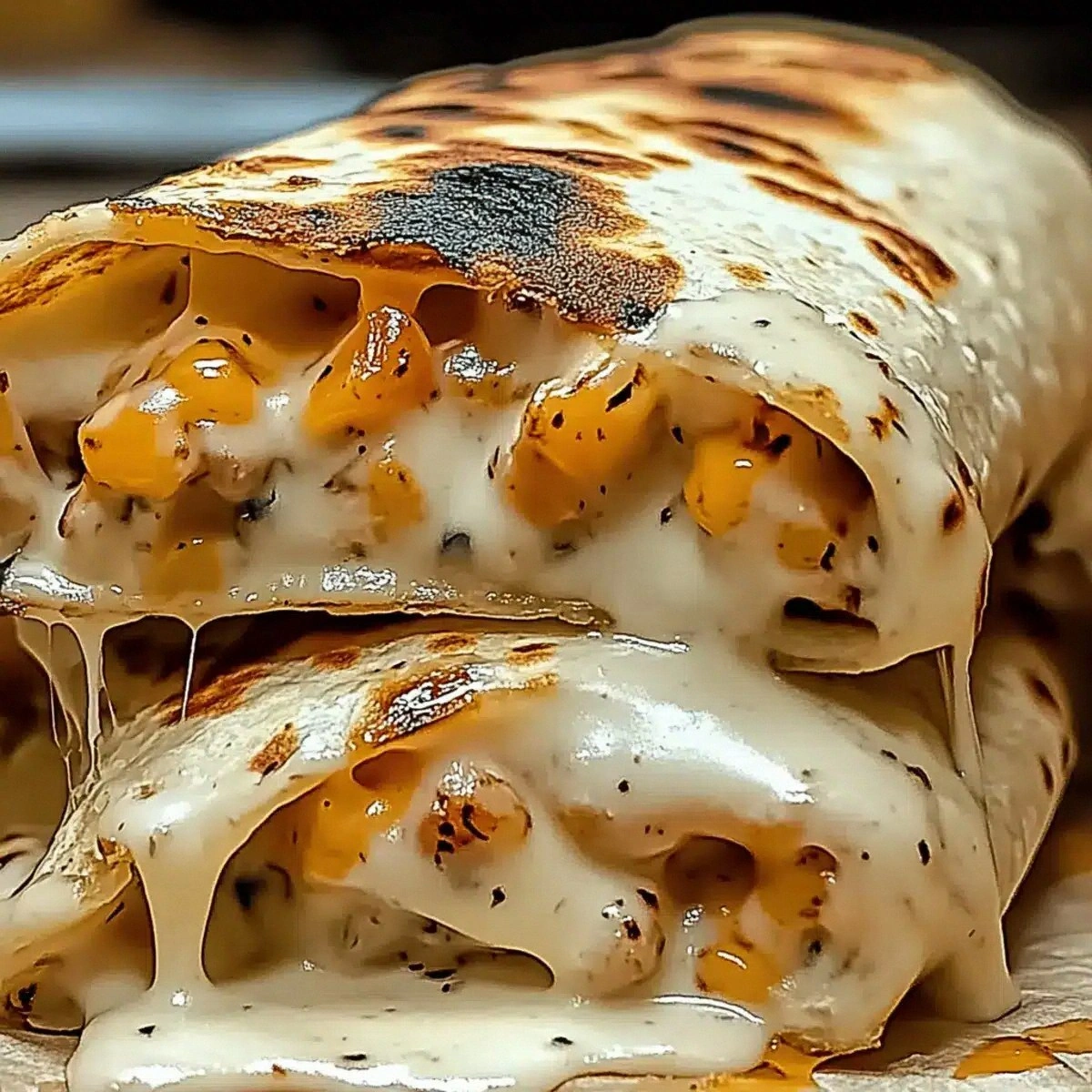
Kitchen Hack: To keep the veggies from releasing too much moisture, pat them dry with a paper towel after sautéing – this keeps the stuffing firm.In a large mixing bowl, combine the shredded mozzarella, cheddar, smoked paprika, and a squeeze of lime juice if you’re using it. Fold the cooled veggies into the cheese mixture, ensuring every pepper piece is coated. This step is where the magic happens – the cheese acts as a binder, while the paprika adds that smoky whisper that makes the filling unforgettable.
Lay each butterflied chicken breast on a clean surface. Spoon an even amount of the cheese‑veggie mixture onto one side, spreading it out but leaving a small border to prevent overflow. Carefully fold the other half over, encasing the filling like a delicious envelope. Secure the edges with toothpicks or kitchen twine – this is the moment of truth, because a loose seal will let the juices escape.
Heat a clean skillet over medium‑high heat and add a drizzle of olive oil. Place the stuffed breasts seam‑side down first; you’ll hear a satisfying sizzle as the proteins start to caramelize. Cook for 3‑4 minutes without moving them – this creates a golden crust that locks in moisture. Flip and sear the other side for another 3 minutes.
Now comes the oven finish: preheat your oven to 375°F (190°C). Transfer the seared chicken to a baking dish, cover loosely with foil, and bake for 20‑25 minutes, or until the internal temperature reaches 165°F (74°C).
The edges should start pulling away from the pan, a visual cue that the meat is tender and the stuffing is bubbling.Watch Out: If you overbake, the cheese can become grainy and the chicken dry – set a timer and trust the thermometer.Remove the foil for the last 5 minutes of baking to let the top brown slightly. This final burst of heat creates a lightly crisped cheese top that crackles when you cut into it – think of it as the perfect finishing note in a symphony.
Let the chicken rest for 5 minutes after pulling it from the oven. Resting allows the juices to redistribute, ensuring every bite is juicy rather than watery. While it rests, you can slice off the toothpicks or twine and give the breasts a quick, gentle press with a spatula to keep the stuffing centered.
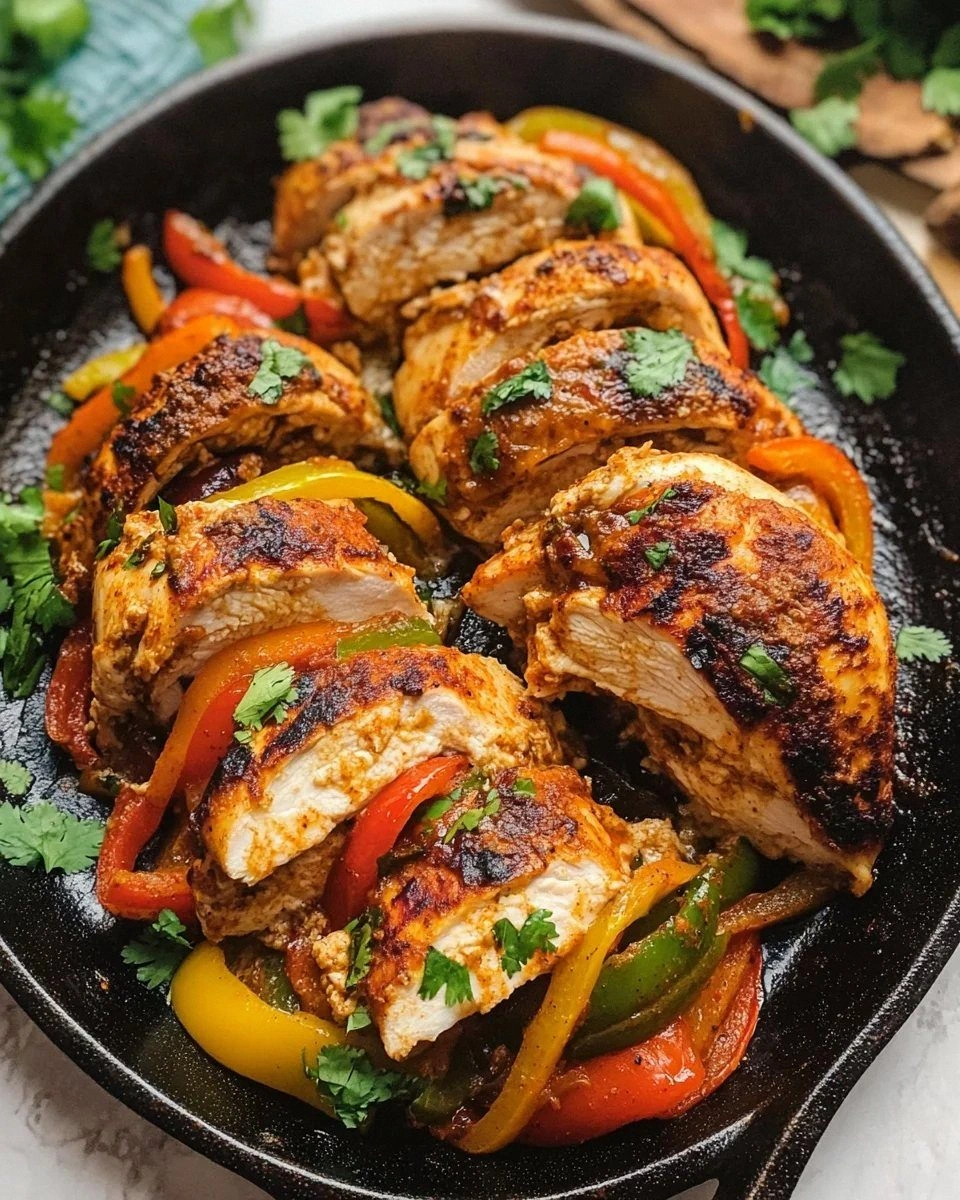
Slice each breast on a diagonal to showcase the colorful, melty interior. Plate with a drizzle of fresh lime, a sprinkle of chopped cilantro, and perhaps a side of avocado crema. Picture yourself pulling this out of the oven, the whole kitchen smelling incredible, and you’re ready to serve a masterpiece that will have everyone begging for the recipe.
That's it — you did it. But hold on, I've got a few more tricks that'll take this to another level…
Insider Tricks for Flawless Results
The Temperature Rule Nobody Follows
Most home cooks start at high heat and then panic when the chicken starts to brown too quickly. The secret is a gentle start: preheat your oven to 375°F and keep the stovetop at medium‑high, not blazing. This balanced approach ensures the exterior caramelizes without the interior drying out. Trust the thermometer, not just the color.
Why Your Nose Knows Best
Before you even touch a thermometer, listen to your kitchen. When the chicken sizzles, you’ll notice a subtle shift from a sharp pop to a soft, steady hiss – that’s the moment the proteins are sealing. When the veggies are done, they’ll give off a sweet, caramelized perfume that signals they’re ready to be folded into the cheese.
The 5‑Minute Rest That Changes Everything
Resting isn’t just a fancy term; it’s science. Allowing the chicken to sit for five minutes after baking lets the fibers relax, preventing juice from spilling out when you slice. I once skipped this step and ended up with a soggy plate – lesson learned. Set a timer; those five minutes are worth every second.
Cheese Blend Secrets
Using a blend of mozzarella and cheddar creates both stretch and bite. Adding a pinch of smoked paprika to the cheese mixture adds depth without overpowering the fajita spice. If you crave extra creaminess, toss in a tablespoon of cream cheese – it melts into a silky sauce that hugs the veggies.
Seasoning Layers for Maximum Impact
Don’t rely on a single seasoning dump. Season the chicken, the veggies, and the cheese mixture separately. This layered approach builds depth, ensuring every bite has a hint of spice, a whisper of citrus, and a smoky undertone. I’ve seen recipes that only season the chicken and end up flat – don’t make that mistake.
Storing the Stuffing Separately
If you’re meal‑prepping, keep the cheese‑veggie stuffing in an airtight container in the fridge. When you’re ready to assemble, simply spoon it onto the butterflied chicken. This prevents the chicken from becoming soggy during storage and keeps the flavors bright.
Creative Twists and Variations
This recipe is a playground. Here are some of my favorite ways to switch things up:
Southwest Chipotle
Swap the fajita seasoning for chipotle in adobo sauce, and add a tablespoon of chopped chipotle peppers to the stuffing. The result is a smoky, slightly sweet heat that pairs perfectly with a dollop of sour cream.
Greek Fusion
Replace the Mexican spices with oregano, lemon zest, and feta cheese. Toss in kalamata olives and sun‑dried tomatoes for a Mediterranean twist that feels fresh and vibrant.
Breakfast Edition
Use scrambled eggs and breakfast sausage crumbles in place of the peppers, and swap mozzarella for cheddar. Serve with a side of hash browns for a hearty brunch that will make your morning shine.
Vegan Delight
Substitute the chicken with large portobello mushrooms, and use a blend of plant‑based mozzarella and nutritional yeast. The veggies stay the same, delivering that same crunchy, cheesy experience without animal products.
Spicy Mango
Add diced fresh mango and a splash of orange juice to the stuffing, and finish with a drizzle of honey‑lime glaze. The sweet‑spicy combo creates a tropical flair that’s perfect for summer gatherings.
Storing and Bringing It Back to Life
Fridge Storage
Place leftover chicken breasts in an airtight container with a piece of parchment paper on top to absorb excess moisture. They’ll keep fresh for up to 3 days. When reheating, add a tiny splash of water before covering – the steam revives the juicy interior.
Freezer Friendly
Wrap each stuffed breast tightly in plastic wrap, then foil, and store in a freezer‑safe bag. They freeze beautifully for up to 2 months. To defrost, move them to the fridge overnight, then bake as directed – you’ll barely notice the time lapse.
Best Reheating Method
Preheat your oven to 350°F (175°C). Place the chicken on a baking sheet, cover loosely with foil, and heat for 12‑15 minutes, or until the internal temperature reaches 165°F. The foil prevents the cheese from over‑browning while the gentle oven heat restores the crisp exterior.