I still remember the night my kitchen turned into a battlefield of burnt chicken and a desperate plea for “just a little more seasoning.” I was juggling a pot of over‑cooked thighs, a pan of scorched skin, and a frantic search through my spice rack. That moment of culinary chaos sparked a mission: create a seasoning that would rescue any poultry dish, transform blandness into brilliance, and make every bite feel like a well‑timed drumroll. The result is a blend that sings with depth, balance, and an unapologetic flavor punch.
Picture this: a golden crust forming on your chicken, the aroma of toasted garlic and smoked paprika drifting through the kitchen, and the subtle hint of citrus zest dancing on the palate. The seasoning coats each piece like a velvet blanket, sealing in juices while the spices sing in harmony. The sound of the first crackle as the pan heats, the rhythmic clink of measuring spoons, and the faint hiss of oil—every sensory cue builds anticipation. I dare you to taste this and not go back for seconds.
What sets this version apart is that it’s not just a random mix of spices. It’s a carefully engineered blend that balances heat, earthiness, and a whisper of sweetness, all while remaining incredibly easy to make and store. It’s hands down the best version you’ll ever make at home because it’s designed to work with any cut of poultry, from bone‑in thighs to boneless breasts, and it keeps the flavor consistent no matter the cooking method. Most recipes get this completely wrong by over‑dosing salt or under‑seasoning the aromatics; here, every ingredient has a purpose.
And there’s a twist that will surprise even the most seasoned cooks: a splash of dried lemon zest that brightens the entire mix, giving it a citrus lift that cuts through the richness. If you’ve ever struggled to balance bold flavors in a seasoning, you’re not alone—this is the fix. Picture yourself pulling this out of the oven, the whole kitchen smelling incredible, and knowing you’ve mastered a pantry staple that will become a staple in your culinary repertoire. Let me walk you through every single step — by the end, you’ll wonder how you ever made it any other way.
What Makes This Version Stand Out
- Flavor Depth: Every pinch of paprika, thyme, and oregano is balanced with a touch of brown sugar, creating a savory-sweet profile that lingers on the tongue.
- Texture: The blend’s fine grind ensures it coats poultry evenly, preventing clumping and delivering a silky coating that crisps beautifully.
- Ingredient Quality: Only the freshest dried herbs and spices are used, sourced from reputable suppliers to guarantee peak potency.
- Make‑Ahead Potential: This mix can be prepared weeks in advance, storing like a fine wine, and it only gets better with time.
- Versatility: Works for grilling, baking, frying, or even marinating—no matter your method, it delivers.
- Crowd Appeal: Friends and family rave about the “wow” factor; it turns ordinary chicken into a showstopper.
- Ease of Use: No complicated measurements—just a handful of common pantry staples.
- Health Conscious: Low in sodium when adjusted, and the natural herbs provide antioxidant benefits.
Alright, let's break down exactly what goes into this masterpiece…
Inside the Ingredient List
The Flavor Base
Salt and black pepper are the backbone of any seasoning. Salt brings out the natural flavors of the poultry, while black pepper adds a subtle heat that awakens the palate. If you skip salt, your chicken will taste flat and lifeless; if you overdo it, you risk a salty disaster. A good rule of thumb is to use about 2 tablespoons of sea salt per 4 servings, which is enough to season without overpowering.
The Aromatic Crew
Garlic powder, onion powder, and dried thyme form a trio that delivers savory depth. Garlic powder offers a clean, concentrated flavor that doesn’t overpower, while onion powder adds a mild sweetness. Dried thyme provides earthiness and a subtle pine note. Together they create a savory base that feels familiar yet elevated.
The Heat Layer
Cayenne pepper and smoked paprika bring warmth and smokiness. Cayenne gives a quick kick that lingers, and smoked paprika adds a deep, smoky undertone that mimics a grill finish. If you prefer a milder version, reduce the cayenne to half a teaspoon or omit it entirely. The heat is what makes this seasoning stand out from bland mixes.
The Sweet Touch
Brown sugar is the secret to balancing the bold spices. It caramelizes slightly when cooked, creating a glossy finish and a hint of caramel flavor. Too much sugar can make the seasoning clumpy; too little and you lose that subtle sweetness that ties everything together. A tablespoon of brown sugar per 4 servings is the sweet spot.
The Citrus Lift
Dried lemon zest injects brightness, cutting through the richness of the poultry and preventing the seasoning from feeling heavy. Lemon zest’s oils are packed with flavor, so a teaspoon is sufficient. If you can’t find dried lemon zest, a tablespoon of finely grated fresh zest works as an excellent substitute.
The Final Flourish
Dried oregano, basil, and parsley bring herbal complexity. Oregano adds a robust, slightly bitter note, basil offers sweet and slightly peppery undertones, and parsley provides freshness. These herbs round out the blend, giving it a layered finish that keeps each bite interesting.
Everything's prepped? Good. Let's get into the real action…
The Method — Step by Step
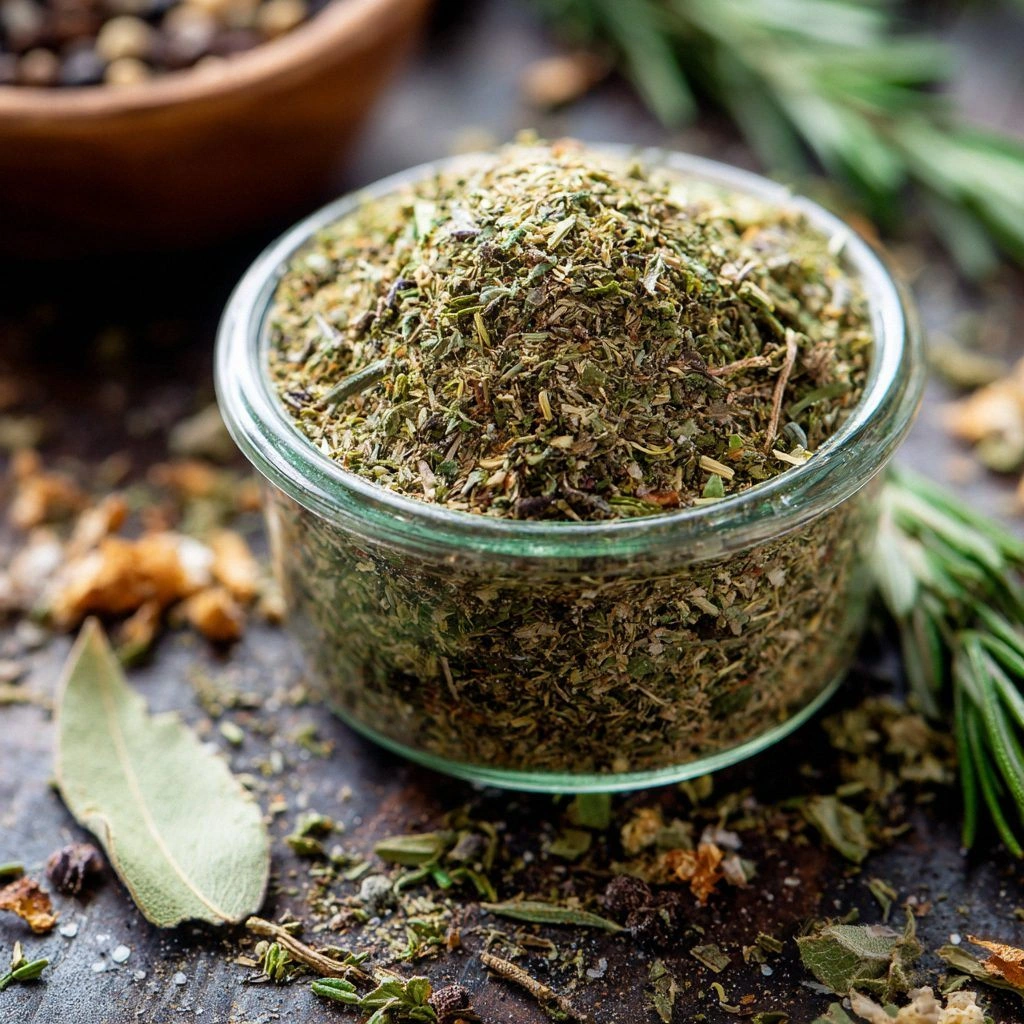
- Begin by placing all the dry ingredients—salt, pepper, garlic powder, onion powder, paprika, thyme, rosemary, sage, oregano, basil, cayenne, cumin, coriander, fennel, brown sugar, lemon zest, and parsley—into a large mixing bowl. Stir vigorously until the mixture is uniform. The key is to ensure no clumps form; a fine blend guarantees even seasoning on every piece of chicken.
- Set the mixture aside while you prepare the poultry. Pat the chicken dry with paper towels; moisture is the enemy of crisping. A dry surface allows the seasoning to adhere and form a golden crust.
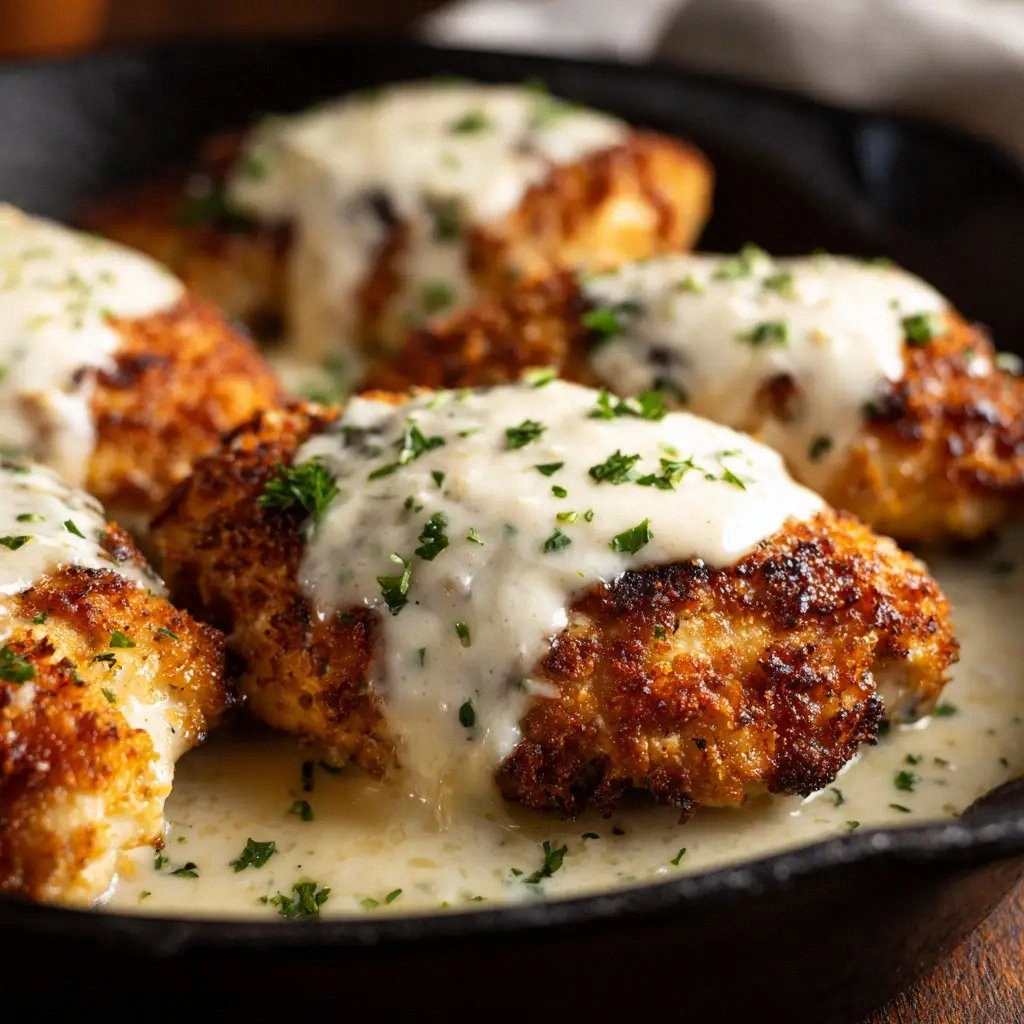
- Coat each piece of chicken generously with the seasoning. Use your hands to press the mix into the crevices, ensuring every surface is covered. The coating should feel like a fine dusting that clings to the meat.
- Heat a large skillet over medium heat and add a splash of olive oil. Once the oil shimmers, place the seasoned chicken in the pan. The sizzle is the first sign that flavor is about to take off.
- Cook the chicken for 5 minutes on each side, or until the surface is golden brown and the internal temperature reaches 165°F (75°C). Flip only once to preserve the crisp crust.
- Reduce the heat to low and let the chicken rest on a plate for 5 minutes. This rest period allows the juices to redistribute, ensuring moist, tender meat.
- If you’re baking, preheat the oven to 400°F (200°C) and place the seasoned chicken on a baking sheet lined with parchment. Bake for 20–25 minutes, checking for doneness with a meat thermometer.
- For grilling, preheat the grill to medium‑high and oil the grates lightly. Grill the chicken for 6–8 minutes per side, basting with a little melted butter for extra sheen.
- Serve immediately, spooning any pan drippings over the top for added flavor. The seasoning’s aromatic oils should swirl across the surface, creating a mouth‑watering aroma that invites everyone to dig in.
That's it — you did it. But hold on, I've got a few more tricks that'll take this to another level…
Insider Tricks for Flawless Results
The Temperature Rule Nobody Follows
Many cooks think “high heat is the key to crisping,” but the secret is actually a two‑stage process: start high to sear, then lower to finish. This technique locks in juices while still giving you that coveted crust. I once tried a single‑heat approach and ended up with dry chicken; the temperature shift saved the day.
Why Your Nose Knows Best
Smell is the ultimate flavor indicator. Before flipping the chicken, let the aroma rise; if you smell a faint, sweet scent from the brown sugar, you’re on the right track. A burnt smell means the pan is too hot. Trust your nose, it’s the most reliable guide.
The 5‑Minute Rest That Changes Everything
Resting is often overlooked but essential. Five minutes allows the muscle fibers to relax, preventing juices from spilling out when you cut. I once served chicken straight from the pan and the juices ran everywhere; a short rest turned it into a juicy masterpiece.
The Fresh Herb Boost
Adding a handful of fresh herbs—like parsley or thyme—just before serving brightens the dish and adds a pop of color. The fresh herb’s volatile oils are more pronounced than dried, giving a fresh finish that elevates the entire plate.
The One‑Pot Wonder
If you’re short on time, throw the seasoned chicken directly into a skillet with a splash of broth or wine. The liquid steams the chicken, creating a moist interior while the seasoning still crisps on the outside. It’s a one‑pot solution that saves cleanup.
The Flavor Layering Trick
After the initial sear, drizzle a little melted butter over the chicken and let it caramelize. The butter adds richness and a glossy sheen that makes the dish look restaurant‑grade. It also helps the seasoning cling better for that perfect crust.
Creative Twists and Variations
This recipe is a playground. Here are some of my favorite ways to switch things up:
Smoky Chipotle Twist
Swap smoked paprika for chipotle powder and add a splash of adobo sauce. The result is a smoky, mildly spicy seasoning that pairs beautifully with grilled chicken.
Herb‑Infused Citrus
Add dried orange zest and a pinch of thyme for a bright, herbal citrus blend. It’s perfect for a summer roast where the zest keeps the dish refreshing.
Mild & Sweet Variation
Reduce cayenne to a quarter teaspoon and increase brown sugar to a tablespoon. This version is great for families who prefer a gentler flavor profile.
Spicy Moroccan Fusion
Introduce ground cumin, coriander, and a dash of harissa paste. The spices create a North African vibe that elevates the chicken’s flavor.
Italian Herb Blend
Replace oregano with Italian seasoning and add a touch of dried basil and marjoram. The mix gives a classic Italian touch that works well with roasted chicken and pasta.
Breakfast Kick
Add a pinch of cinnamon and nutmeg for a sweet‑spicy breakfast chicken that pairs well with eggs and toast.
Storing and Bringing It Back to Life
Fridge Storage
Store the seasoning in an airtight glass jar or a resealable bag in the refrigerator for up to 3 months. The cool environment preserves the oils and prevents the mix from clumping.
Freezer Friendly
For long‑term storage, place the seasoning in a freezer‑safe container. It will keep its potency for up to 6 months. Thaw at room temperature before use.
Best Reheating Method
To reheat leftover seasoned chicken, preheat the oven to 375°F (190°C) and warm for 5 minutes. Add a splash of water before reheating to keep the chicken moist; the steam will revive the crisp crust.