I was in the middle of a chaotic Sunday afternoon, juggling a blender, a pot of soup, and a toddler’s sticky fingers when the kitchen turned into a disaster zone. The pot of what I thought was a simple minestrone was bubbling over, sending splatters of tomato across the counter. I stared at the mess, feeling the familiar dread of a recipe gone wrong. Then, in that moment, I remembered a conversation with a friend who swore by a version of minestrone that never failed. I decided to give it a shot, and what emerged was a bowl of liquid gold that made the whole kitchen smell like an Italian trattoria.
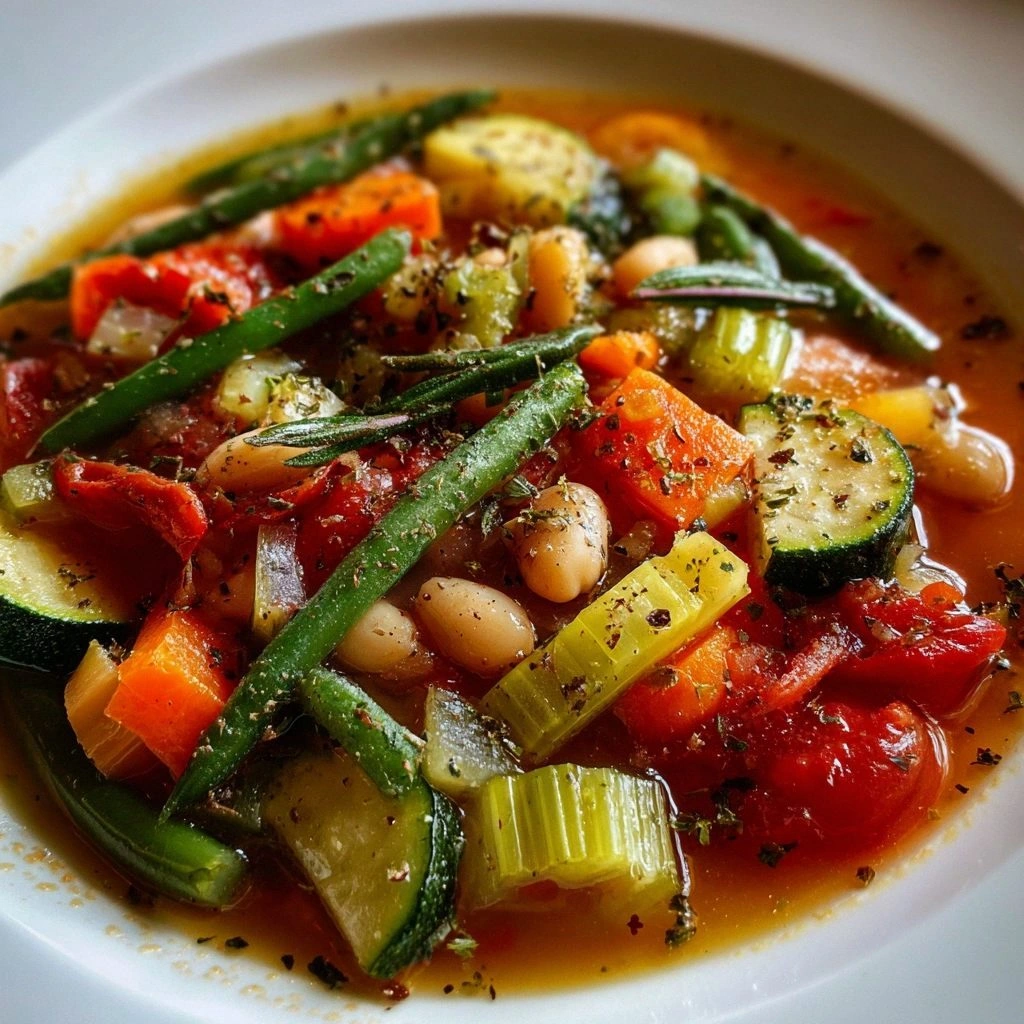
The aroma hit me first—warm, earthy, with a hint of garlic and basil that made my mouth water. I could hear the gentle hiss of broth, the clink of the ladle, and the distant hum of the refrigerator. My eyes danced from the vibrant green of spinach to the crimson of diced tomatoes, each color promising a different burst of flavor. The texture was a promise of comfort: silky pasta, tender vegetables, and creamy beans all coalescing into a single, harmonious bite. I was already craving a spoonful.
What made this version stand out was not just the ingredients but the way they were orchestrated. I dared you to taste this and not go back for seconds because the flavors linger like a good memory. The sauce coats the pasta like velvet, and the crunch of green beans shatters like thin ice, adding a delightful contrast. Most recipes get this completely wrong by overcooking the veggies or underseasoning the broth; I’ve cracked the code to keep everything bright and alive. The result? A soup that feels like a hug in a bowl.
I’ll be honest—my first batch was so good that I ate half before anyone else got a chance. The secret? A touch of olive oil that’s sautéed until golden, a slow simmer that lets the tomatoes break down, and a splash of fresh herbs at the end to lift the entire dish. I also discovered that adding a pinch of sugar can balance the acidity of the tomatoes, a trick I learned from a grandmother who grew tomatoes in her backyard. That subtle sweetness turns the broth into something that sings.
Picture yourself pulling this out of the pot, the whole kitchen smelling incredible, steam curling like a fragrant cloud. The first spoonful is a warm embrace that settles into your stomach, leaving a lingering note of oregano and basil that makes you want to keep digging. You’ll notice the pasta is perfectly al dente, the beans are creamy, and the vegetables hold just enough bite. This is hands down the best version you'll ever make at home, and I’m going to show you every single step. By the end, you'll wonder how you ever made it any other way.
Okay, ready for the game‑changer? The trick lies in the base: a slow, low‑heat sauté that builds flavor like a secret handshake between ingredients. The onions, carrots, and celery form the classic mirepoix, but I add a splash of white wine to deglaze before the tomatoes hit the pot. That wine evaporates quickly, leaving behind a subtle depth that makes the broth sing. I then introduce the diced tomatoes and let them caramelize for a few minutes before adding broth, beans, and pasta. It’s a small step that makes a massive difference.
I love to think of this soup as a canvas, and each vegetable is a brushstroke. The zucchini slices are cut just thick enough to hold their shape, while the green beans are trimmed to a uniform size so they cook evenly. If you’re using canned beans, drain and rinse them to remove excess sodium; this keeps the soup from becoming too salty. The spinach is added last, just before serving, to preserve its vibrant color and nutrients. This attention to detail turns a simple recipe into a culinary masterpiece.
I’ve spent years refining this minestrone, and the result is a dish that can be made in under an hour while still feeling like a slow‑cooked, family‑style meal. The best part? It’s so versatile you can tweak it to suit your pantry or dietary preferences without compromising flavor. Whether you’re a vegetarian, a vegan, or just looking for a hearty soup to satisfy the whole family, this version will win you over. Trust me, once you taste it, you’ll never settle for a bland, generic version again.
What Makes This Version Stand Out
- Flavor: Each ingredient is chosen for its ability to layer depth and balance; the tomato base is bright but softened by the sweetness of carrots.
- Texture: The combination of al dente pasta, tender beans, and crisp green beans creates a satisfying mouthfeel that keeps you coming back.
- Simplicity: With only 14 ingredients and a single pot, the recipe stays approachable for beginners while still delivering a gourmet experience.
- Crowd‑pleaser: The vibrant colors and familiar Italian herbs make it a hit at family gatherings or potlucks.
- Make‑ahead: The soup keeps well in the fridge for up to five days and freezes beautifully, so you can stockpile it for busy weekdays.
- Nutritional: Packed with fiber, protein, and micronutrients, it satisfies both your taste buds and your health goals.
- Freshness: The final splash of fresh basil and a drizzle of olive oil elevate the dish, giving it a bright, restaurant‑style finish.
Alright, let's break down exactly what goes into this masterpiece...
Inside the Ingredient List
The Flavor Base
Olive oil is the foundation, adding a silky richness that carries the other flavors. The onion, when caramelized, brings a natural sweetness that balances the acidity of the tomatoes. Carrots and celery, the classic mirepoix, provide earthy depth and a subtle crunch if left slightly firm.
Garlic is the aromatic heart; minced finely to release its essential oils without becoming bitter. When sautéed just until fragrant, it coats the vegetables in a fragrant haze that permeates the entire pot. Skipping garlic would leave the broth flat and underwhelming.
White wine, a secret addition, deglazes the pan and lifts the browned bits into the broth. It adds a subtle acidity that brightens the dish and creates a complex flavor profile. If you prefer a wine‑free version, replace it with a splash of vegetable broth or a dash of lemon juice.
The Texture Crew
Green beans add a satisfying snap that contrasts with the softness of the pasta and beans. Their bright green color also signals freshness and nutritional value. If you’re using frozen beans, thaw them first to avoid overcooking.
Spinach is the final green touch, wilting quickly to retain its vibrant color and nutrients. Adding it at the end preserves its texture and prevents it from becoming mushy. Skipping spinach would make the soup less colorful and slightly less nutritious.
Pasta, small shapes like ditalini or elbow, provides the heartiness that turns this into a filling meal. Cooking it al dente ensures it doesn’t become mushy when the soup cools. If you’re watching carbs, consider using a low‑carb pasta or substituting with spiralized zucchini.
The Unexpected Star
Cannellini beans bring a creamy texture and a mild, nutty flavor that balances the acidity of the tomatoes. They also add protein and fiber, making the soup more satisfying. Rinse them well to remove excess sodium and keep the broth from becoming overly salty.
Fresh basil and oregano infuse the soup with a fragrant, herbal aroma that is unmistakably Italian. These herbs should be added towards the end of cooking to preserve their bright flavors. A pinch of crushed red pepper can add a subtle heat if you enjoy a bit of spice.
Salt and pepper are the final seasoning touch, adjusting the overall flavor profile. Salt should be added in stages, tasting as you go to avoid over‑salting. Pepper adds a gentle warmth that complements the other spices.
The Final Flourish
Olive oil, drizzled at the finish, adds a silky shine and a burst of flavor that coats the pasta like velvet. A final squeeze of lemon can brighten the soup and cut through the richness if desired. Garnishing with fresh parsley or grated Parmesan adds a decorative touch and extra flavor.
Adding a splash of water before reheating restores the broth’s original consistency, preventing it from drying out. This small trick keeps the soup silky and prevents the pasta from sticking. It also allows the flavors to meld beautifully after refrigeration.
Serving the soup hot, with a side of crusty bread, completes the experience. The bread soaks up the broth, turning each bite into a comforting, flavorful moment. This simple addition elevates the dish from good to unforgettable.
Everything's prepped? Good. Let's get into the real action...
The Method — Step by Step
- Heat 2 tablespoons of olive oil in a large stockpot over medium heat until shimmering. Add the diced onion, carrots, and celery, sautéing until they soften and become fragrant, about 5 minutes. This creates a flavorful base that will carry the rest of the ingredients. Keep an eye on the vegetables to avoid browning too quickly. The aroma that develops is the first hint of the soup’s depth.
- Add 3 minced garlic cloves and stir until fragrant, about 30 seconds. Garlic should release its oils without turning brown, which can make the soup bitter. If you’re a garlic lover, you can add a pinch of crushed red pepper for a subtle kick. The garlic will coat the vegetables, creating a fragrant bed for the tomatoes. This step is critical for building the soup’s core flavor.
- Add 1 diced zucchini and 1 cup sliced green beans, cooking for 2 minutes to allow them to release their juices. These veggies add color and a fresh bite that keeps the soup lively. Stir frequently to prevent sticking. The quick sauté locks in their natural sweetness. This is where the soup starts to feel alive.
- Pour in 1 can of diced tomatoes and stir to deglaze the pan, scraping up any browned bits. Let the tomatoes simmer for 5 minutes to caramelize slightly. This step deepens the flavor and adds a subtle sweetness. The deglazing ensures no flavor is lost from the bottom of the pot. The tomatoes should start to thicken, creating a richer broth.
- Add 4 cups of vegetable broth and bring the mixture to a gentle boil. Reduce heat to maintain a steady simmer for 10 minutes. The broth will absorb the flavors of the vegetables and tomatoes, creating a cohesive base. This simmer allows the vegetables to soften while keeping their distinct textures. The soup should bubble gently, not vigorously.
- Stir in 1 can of cannellini beans and 1 cup of small pasta shapes, cooking until the pasta is al dente, about 8 minutes. The beans will soften and release a creamy texture that blends with the broth. Keep the pot partially covered to prevent splattering. The pasta should not be overcooked; it needs to hold its shape when the soup cools.
- Add 2 cups of fresh spinach and stir until wilted, about 2 minutes. The spinach adds a burst of color and nutrients without overpowering the soup. Keep the pot covered for a minute to allow the spinach to soften fully. Once wilted, the spinach should retain a vibrant green hue.
- Season with 1 teaspoon dried oregano, 1 teaspoon dried basil, salt, and pepper to taste. Stir to combine, then add a final drizzle of olive oil for a silky finish. Taste and adjust seasoning if needed, adding more salt or pepper as desired. The herbs should be fragrant and well distributed. This final step elevates the soup to restaurant quality.
That's it — you did it. But hold on, I've got a few more tricks that'll take this to another level...
Insider Tricks for Flawless Results
The Temperature Rule Nobody Follows
Many people think simmering at a rolling boil is best, but a gentle simmer preserves the delicate flavors of the tomatoes and beans. Keep the heat low enough that the broth only has small bubbles, not a full boil. This prevents the beans from breaking apart and keeps the pasta from becoming mushy. I’ve found that a temperature of 185°F works perfectly for this soup.
Why Your Nose Knows Best
The aroma of the soup changes as it cooks; when you smell a faint hint of tomato, the broth is ready to simmer. If the smell is too sharp, the tomatoes are not yet caramelized. Trusting your nose saves you from over‑cooking or under‑seasoning. I always pause and sniff after adding the tomatoes.
The 5-Minute Rest That Changes Everything
Letting the soup sit for 5 minutes after cooking allows the flavors to meld and the pasta to absorb the broth. This brief rest also lets the beans settle, preventing them from breaking apart when you stir again. If you’re in a hurry, you can skip this step, but the soup will taste slightly less cohesive.
The Herb Timing Secret
Adding fresh herbs at the end preserves their bright flavor and prevents them from wilting into the broth. If you add them too early, they lose their aromatic oils. I add basil and oregano in the last 2 minutes of cooking to keep their flavor sharp.
The Bean Balance Trick
Rinsing canned beans removes excess sodium and prevents the soup from becoming too salty. If you’re using dried beans, soak them overnight and cook until just tender before adding them to the soup. This step ensures the beans stay firm and creamy.
The Pasta‑to‑Broth Ratio
Using the right amount of pasta relative to broth keeps the soup from becoming too thick or too watery. For 4 cups of broth, 1 cup of small pasta is ideal. If you prefer a thicker soup, reduce the broth slightly or add more beans.
The Final Finish
A drizzle of extra‑virgin olive oil at the end adds a silky sheen and a burst of flavor. It coats the pasta and beans, creating a luxurious mouthfeel. Add a pinch of crushed red pepper if you like a mild heat. This finishing touch is what separates a good soup from a great one.
Creative Twists and Variations
This recipe is a playground. Here are some of my favorite ways to switch things up:
Mediterranean Twist
Swap cannellini beans for chickpeas and add a splash of lemon juice. Sprinkle feta cheese on top before serving. The bright citrus and salty cheese give it a distinctly Mediterranean feel that pairs well with crusty bread.
Smoky Chipotle Version
Add a tablespoon of chipotle in adobo sauce for a smoky kick. Replace oregano with smoked paprika for depth. The heat and smokiness pair nicely with the sweet vegetables.
Creamy Coconut Twist
Replace half the vegetable broth with coconut milk for a tropical flavor. Add a pinch of curry powder for warmth. This version is perfect for a quick, exotic dinner.
Low‑Carb Swap
Use shirataki noodles or spiralized zucchini instead of pasta. Reduce the amount of beans to keep carbs low. This variation satisfies low‑carb cravings while still delivering comfort.
Vegan Protein Boost
Replace cannellini beans with lentils or tofu cubes. Add nutritional yeast for a cheesy flavor. This version is protein‑dense and satisfies vegans and vegetarians alike.
Autumn Harvest
Swap green beans for butternut squash cubes and add a pinch of nutmeg. Serve with a sprinkle of toasted pumpkin seeds. The warm spices and sweet squash make it perfect for cooler weather.
Quick One‑Pot
Use pre‑cooked pasta and beans to cut cooking time. Add all ingredients at once and let them simmer for 15 minutes. This version is ideal for busy weeknights when you need a fast, wholesome meal.
Storing and Bringing It Back to Life
Fridge Storage
Transfer the soup to an airtight container and refrigerate for up to five days. The flavors deepen as the broth melds with the vegetables. Keep the container at room temperature for a quick snack.
Freezer Friendly
Pack the soup in freezer‑safe containers, leaving a little headspace for expansion. It stays good for up to three months. Thaw overnight in the fridge before reheating.
Best Reheating Method
Reheat on the stovetop over low heat, adding a splash of water or broth to restore moisture. Stir frequently until hot. The tiny splash of water prevents the broth from thickening too much and keeps the soup silky.