I still remember the night I almost burned down the kitchen while trying to salvage a batch of stale bread that had been sitting in the pantry for weeks. The smell of scorched dough filled the air, and my friend, who had been watching with a skeptical grin, declared that I was destined to become a culinary legend—or a disaster. I laughed, but the taste of that ruined loaf lingered, and I vowed to find a recipe that could turn that despair into something that would make every guest beg for seconds. After countless trials, I stumbled upon a version of onion bread that has since become my signature, and I’m about to reveal the secret sauce that turns an ordinary loaf into a crowd‑pleaser.
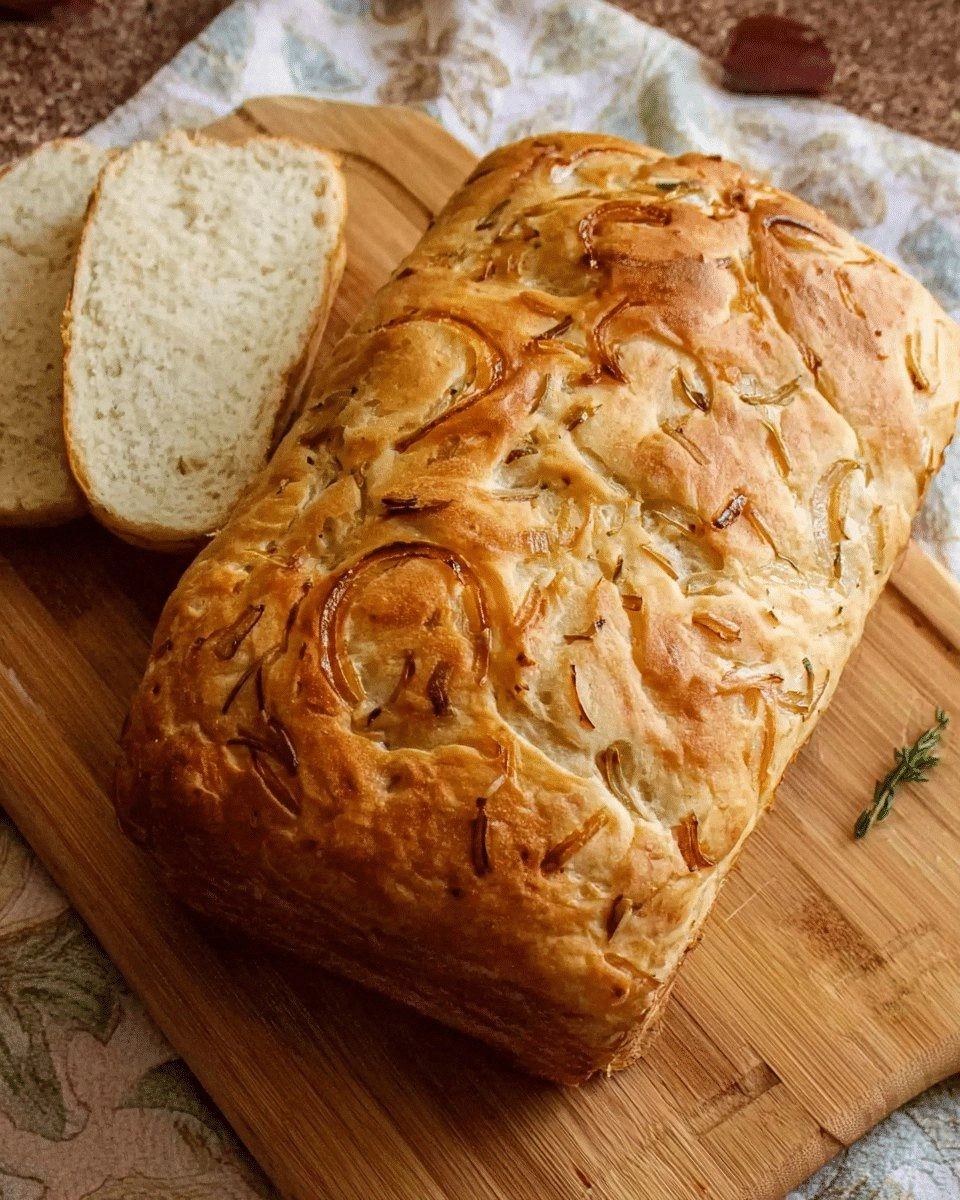
Picture this: a golden crust that cracks with a satisfying pop, revealing a moist, savory interior where caramelized onions mingle with a subtle hint of cheese. The aroma that drifts from the oven is a comforting blend of sweet onion, buttery dough, and a whisper of garlic, instantly pulling people toward the kitchen. When you take the first bite, the crunch gives way to a buttery softness, while the onions add a depth of flavor that feels like a warm hug. The taste is layered—sweet, salty, and a touch of umami—making it the perfect side for any dinner or an impressive appetizer for guests.
What makes this version stand out? It’s the meticulous balance of ingredients and the methodical approach that I’ve refined over the years. I’ve eliminated the common pitfalls—too dry, too sweet, or uneven browning—by incorporating a few unconventional tweaks that elevate the loaf to “hands down the best version you'll ever make at home.” I dare you to taste this and not go back for seconds. The secret? A blend of caramelized onions, a splash of milk, a dash of olive oil, and a generous amount of cheese that melts into the dough, creating a flavor profile that’s both comforting and sophisticated.
If you’ve ever struggled with making bread that turns out too dense or too bland, you’re not alone. I’ve been there, and I’ve cracked the code. The key is to treat the dough like a living organism, giving it the right amount of moisture, the right amount of yeast activity, and the right amount of flavor. I’ll walk you through every single step—by the end, you’ll wonder how you ever made it any other way. The journey from raw ingredients to a steaming loaf is a culinary adventure that will have you singing, “This next part? Pure magic.”
What Makes This Version Stand Out
- Flavor: The caramelized onions bring a natural sweetness that balances the savory yeast, creating a depth that’s hard to find in other bread recipes.
- Texture: A chewy crumb with a crisp, buttery crust that holds its shape without becoming tough.
- Ease: All the steps are straightforward, yet the result feels like you’ve spent hours in the kitchen.
- Ingredient Quality: Using a single type of cheese and a simple, fresh onion base keeps the flavors pure.
- Crowd Reaction: It’s the kind of bread that people keep asking for, even after the first bite.
- Make‑ahead Potential: The dough can be prepared the night before and baked in the morning, making it perfect for busy weekdays.
- Versatility: Works as a side for soups, a base for mini sandwiches, or an appetizer that pairs with wine.
- Time Efficiency: Total prep and cook time is under an hour, making it a quick yet impressive addition to any meal.
Alright, let’s break down exactly what goes into this masterpiece…
Inside the Ingredient List
The Flavor Base
At the heart of this loaf is a classic yeast dough that’s been given a twist. The flour, water, and yeast form the foundation, but the addition of butter, milk, and a pinch of sugar creates a richer, more tender crumb. Butter melts into the dough, adding a silky mouthfeel, while the milk’s proteins help with browning and give the crust a beautiful golden hue. If you skip the milk, the loaf will feel drier and the crust less glossy.
For the best flavor, choose a high‑protein bread flour. It provides the gluten structure needed to trap the gases from the yeast, ensuring the loaf rises beautifully. A lower protein flour will result in a denser loaf, which isn’t ideal for this recipe. If you’re in a pinch, all-purpose flour works, but you’ll need to knead a bit longer to develop the gluten.
The Texture Crew
The onions are the unsung heroes of the texture. Finely diced and caramelized until they’re a deep amber, they release moisture that keeps the loaf from drying out. The caramelization process also introduces a subtle sweetness that balances the savory notes. If you’re short on time, you can use pre‑caramelized onion flakes, but the flavor won’t be as pronounced.
Cheddar cheese adds a creamy, slightly sharp element that melts into the dough, giving the loaf a delightful gooey center. The cheese also contributes to the browning of the crust, creating a beautiful, appetizing look. If you prefer a milder flavor, try mozzarella or a blend of cheddar and Gruyère for a more complex profile.
The Unexpected Star
Olive oil is a small but mighty ingredient that elevates the overall mouthfeel. It softens the dough, keeps the crumb moist, and adds a subtle fruity note that complements the onions. If you’re looking for a different flavor profile, try a splash of white wine or a teaspoon of Dijon mustard to add a hint of acidity.
A pinch of pepper or smoked paprika can also be added to give the loaf a smoky undertone, turning a simple side into a showstopper at dinner parties.
The Final Flourish
Eggs are used not just for structure but also for a glossy, golden crust. They bind the ingredients together, creating a cohesive dough that rises evenly. If you’re vegan, a flax egg or a commercial egg replacer can substitute, though the crust may be slightly less golden.
Lastly, the salt is the flavor enhancer that brings everything together. It balances sweetness, sharpens the cheese’s flavor, and brings out the depth of the caramelized onions. Don’t skip it—salt is essential for a well‑balanced loaf.
Everything’s prepped? Good. Let’s get into the real action…
The Method — Step by Step
- Gather the dough ingredients. In a large mixing bowl, combine 4 cups of bread flour, 1 cup of warm milk, 1/4 cup of melted butter, 1/4 cup of sugar, 2 teaspoons of active dry yeast, and 1 teaspoon of salt. Stir until the mixture becomes a shaggy dough. The dough should be tacky but not overly sticky; if it feels dry, add a tablespoon of water. This first step sets the stage for the rise.
- Activate the yeast. Sprinkle the yeast over the wet mixture, then let it sit for 5 minutes. You’ll see a frothy layer form—this is the yeast waking up. If no froth appears, the yeast may be expired; replace it with fresh yeast.
- Knead the dough. Turn the dough onto a lightly floured surface and knead for about 8–10 minutes until it’s smooth and elastic. You’ll notice a faint sheen on the surface. This kneading process develops gluten, which traps the gas bubbles that make the loaf rise.
- First rise. Place the dough in a greased bowl, cover it with a damp cloth, and let it rise in a warm spot for 1 hour, or until it doubles in size. The dough should feel airy and have a pleasant, yeasty aroma. If your kitchen is cool, wrap the bowl in a towel to keep it warm.
- Prepare the onion mixture. While the dough rises, heat a skillet over medium heat and add 2 tablespoons of butter. Toss in 2 finely diced onions and a pinch of salt. Cook, stirring frequently, for 20–25 minutes until the onions are deep golden brown and caramelized. The onions should have a sweet, nutty aroma that fills the kitchen. Remove from heat and let cool.
- Incorporate the onions. After the dough has risen, punch it down to release excess air. Fold the caramelized onions into the dough, then add 1/2 cup of shredded cheddar cheese. Knead gently for 2 minutes to distribute the onions and cheese evenly. The dough should feel slightly tacky and moist.
- Second rise. Shape the dough into a loaf and place it on a greased baking sheet. Cover with a kitchen towel and let rise for 30–35 minutes, or until it puffs up noticeably. The dough should have a soft, airy texture.
- Preheat the oven. While the dough is in its second rise, preheat the oven to 375°F (190°C). The oven should be hot enough to give the crust a crisp finish without burning the interior.
- Beat an egg and brush the loaf. In a small bowl, whisk 1 beaten egg with 1 tablespoon of olive oil. Brush the loaf generously, creating a shiny, golden surface that will caramelize beautifully.
- Bake to perfection. Slide the loaf into the oven and bake for 25–30 minutes. The crust should be a deep golden brown, and when you tap the bottom, it should sound hollow. The internal temperature should reach 190°F (88°C) for optimal doneness.
- Cool and serve. Remove the loaf from the oven and let it cool on a rack for at least 15 minutes before slicing. The cooling period allows the steam to redistribute, resulting in a moister crumb. Slice and serve warm, or let it cool completely and store for later.
That's it — you did it. But hold on, I've got a few more tricks that'll take this to another level…
Insider Tricks for Flawless Results
The Temperature Rule Nobody Follows
Many bakers assume that a higher oven temperature always gives a crisper crust. The truth is, a moderate 375°F (190°C) is ideal for this loaf. It allows the sugars in the onions to caramelize without burning and gives the yeast time to work properly. If you’re in a humid environment, consider turning on the oven fan for a slightly drier finish.
Why Your Nose Knows Best
During the second rise, trust your nose. If the dough smells like fresh yeast, it’s ready. If you notice a faint burnt scent, it’s a sign the dough has overproofed, and you should bake sooner. A good rule of thumb is to touch the dough; it should feel soft but not sticky.
The 5‑Minute Rest That Changes Everything
After removing the loaf from the oven, let it rest for 5 minutes before slicing. This brief pause allows the steam inside to settle, preventing the crumb from collapsing. The result is a loaf that stays fluffy and doesn’t fall apart when you cut into it.
Cheese Selection Matters
Using sharp cheddar adds a depth of flavor that plain cheddar can’t match. If you prefer a milder taste, try a blend of cheddar and Gruyère. The combination of cheeses not only enriches the flavor but also improves the browning of the crust.
Keep the Dough Moist
If your dough feels dry before the first rise, add a tablespoon of milk or water. A moist dough will rise better and produce a softer crumb. Don’t over‑hydrate; too much liquid can make the dough sticky and difficult to handle.
Watch Your Yeast
Yeast is a living organism, and its activity is temperature‑dependent. If your kitchen is cold, let the dough rise in a slightly warm spot or in an oven with the light on. For hot kitchens, cover the dough with a damp cloth to prevent it from drying out.
Creative Twists and Variations
This recipe is a playground. Here are some of my favorite ways to switch things up:
Herb‑Infused Onion Bread
Add a tablespoon of dried thyme or rosemary to the dough for a fragrant, herbaceous note. The herbs pair beautifully with the sweet onions, creating a loaf that’s perfect for a rustic dinner.
Spicy Sriracha Onion Bread
Stir in a teaspoon of sriracha or a pinch of cayenne pepper during the dough mixing stage. The heat balances the sweetness of the onions and adds a kick that’s great with a creamy dip.
Cheese‑Only Variation
Omit the onions and double the cheese to 1 cup of shredded cheddar. This version becomes a cheesy, melty bread that’s a hit with kids and adults alike. It’s also a great base for mini grilled cheese sandwiches.
Gluten‑Free Option
Swap the bread flour for a gluten‑free blend and use xanthan gum as per the blend’s instructions. The texture will differ slightly, but the flavor profile remains intact. Use a gluten‑free yeast that’s active dry.
Vegan Version
Replace the butter with an equal amount of vegan margarine, the egg with a flax egg, and the cheddar with a vegan cheese blend. The loaf will still rise beautifully and deliver a similar buttery, cheesy flavor.
Chocolate‑Onion Fusion
Add 1/4 cup of dark chocolate chips to the dough for a surprising twist. The chocolate balances the onion’s sweetness and adds a rich, indulgent note that’s perfect for a special occasion.
Storing and Bringing It Back to Life
Fridge Storage
Cool the loaf completely, then wrap it tightly in plastic wrap and store in the refrigerator for up to 3 days. The bread will stay fresh, though it may lose a bit of its crusty texture. Reheat in the oven at 350°F (175°C) for 10 minutes to revive the crispness.
Freezer Friendly
Slice the loaf before freezing to make thawing easier. Wrap each slice in plastic wrap, then place in a freezer bag. Freeze for up to 2 months. Thaw at room temperature or microwave on a low setting for 30 seconds. The bread may soften slightly, but the flavor remains intact.
Best Reheating Method
To bring the loaf back to life, preheat your oven to 350°F (175°C). Place the bread on a baking sheet and heat for 10–12 minutes. For a crispier crust, add a splash of water to the bottom of the pan to create steam. The bread should smell like freshly baked bread and feel warm and soft inside.