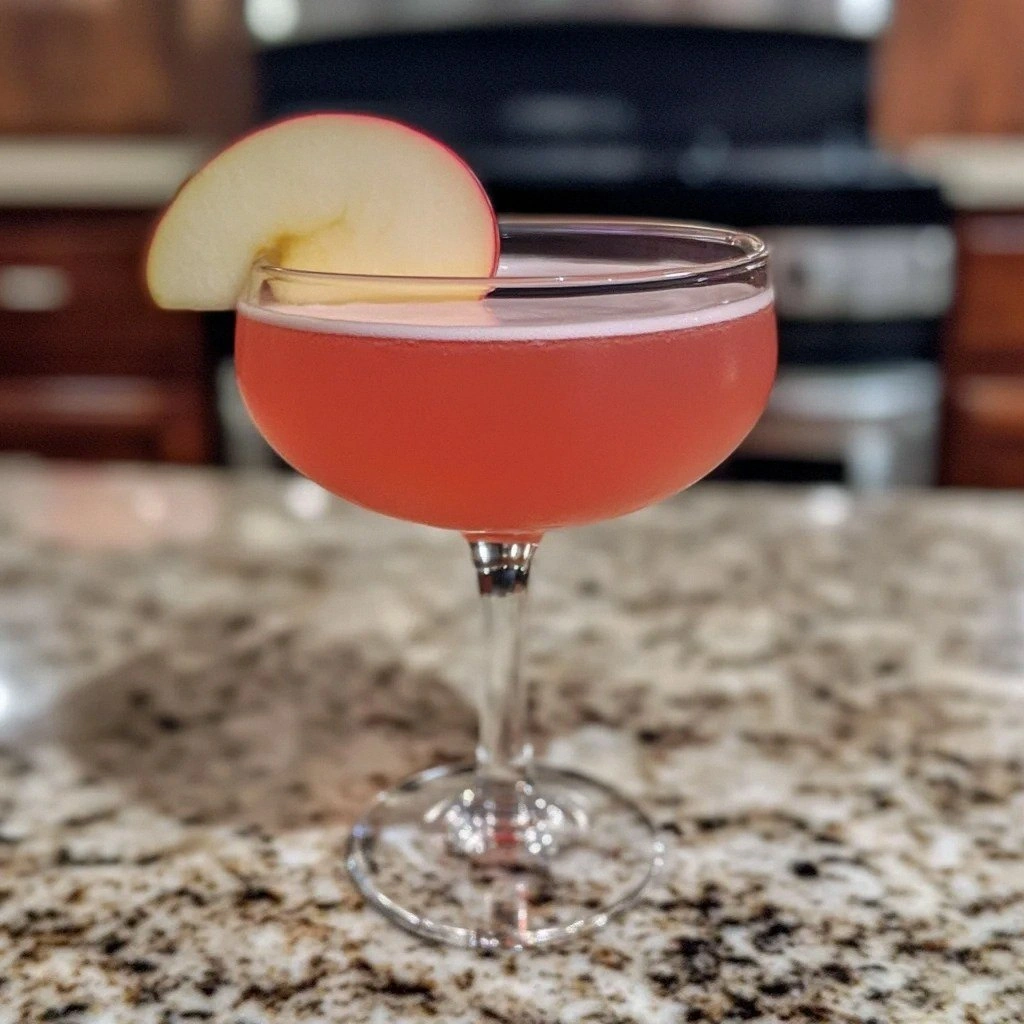
I still remember the first time I ordered a Pink Lady cocktail at a dimly lit speakeasy in Chicago. The bartender—a wiry woman with tattoo sleeves and a knowing smirk—asked if I was sure. "Most people think they want this drink until they realize it's not some sugar bomb," she warned. Challenge accepted. What arrived in that chilled coupe glass was nothing short of transformative: a delicate pink elixir that tasted like springtime had decided to throw a party on my palate. The silky foam cap gave way to bright apple notes wrapped in gin's botanical embrace, while the lemon juice danced with grenadine in perfect harmony. I was hooked.
Fast forward through three failed attempts at recreating this magic at home, a small fortune spent on obscure liqueurs, and one particularly embarrassing incident involving a cheap blender and pink foam all over my kitchen ceiling. Most recipes I found online were complete disasters—either sickeningly sweet messes that tasted like melted cotton candy, or tart disasters that made my face pucker like I'd bitten into a lemon wrapped in sandpaper. They all missed the point entirely. The Pink Lady isn't about overwhelming sweetness or hiding the alcohol; it's about balance, elegance, and that gorgeous pale pink hue that makes you feel like you're drinking liquid silk.
After months of experimentation, countless taste tests on unsuspecting friends, and some serious deep-dives into pre-Prohibition cocktail manuals, I've cracked the code. This version delivers everything that first Pink Lady promised and more. We're talking about a cocktail that layers flavors like a symphony—the crisp bite of apple brandy playing against gin's juniper notes, while egg white creates that signature velvety texture that makes each sip feel like you're drinking a cloud. The color alone will stop conversations, but the flavor will keep them talking long after the glasses are empty.
Here's what nobody tells you about the Pink Lady: it's actually one of the most sophisticated cocktails from the golden age of mixology, beloved by flappers and socialites who wanted something stronger than the typical sweet concoctions of the era. When made correctly, it's a revelation. When made poorly, it's pink disappointment in a glass. Let me walk you through every single step—by the end, you'll wonder how you ever made it any other way.
What Makes This Version Stand Out
Perfect Balance: This isn't your grandmother's overly sweet Pink Lady. The combination of gin and apple brandy creates a complex base that's both botanical and fruity, while just enough grenadine adds sweetness without turning it into liquid candy. The result is a cocktail that serious drinkers respect and newcomers fall in love with.
Silky Texture: That signature foam cap isn't just for show—it's what makes this drink feel like you're sipping on a pink cloud. The egg white (yes, we're using real egg white) creates a microfoam that carries flavors across your palate, making each sip smoother and more luxurious than the last.
Authentic Ingredients: No shortcuts here. We're using real grenadine made from pomegranate, fresh-squeezed lemon juice, and quality gin that actually tastes like something. Every ingredient pulls its weight, creating layers of flavor that unfold as you drink.
Visual Drama: The pale pink hue with that pristine white foam cap looks like something served at an exclusive 1920s jazz club. It's Instagram-worthy without being gimmicky, elegant without trying too hard.
Crowd-Pleasing Complexity: Despite its sophisticated flavor profile, this Pink Lady has universal appeal. I've served it to whiskey drinkers who claimed to hate gin, to wine enthusiasts who "don't do cocktails," and to friends who normally order vodka sodas. Every single one asked for the recipe.
Make-Ahead Magic: You can pre-batch the base (minus the egg white) for parties, then shake individual servings with fresh egg white. It's perfect for dinner parties where you want to impress without spending the whole night playing bartender.
Seasonal Versatility: This isn't just a summer drink. The apple notes make it perfect for fall, the bright citrus works in spring, and the warming gin base makes it cozy enough for winter holidays.
Inside the Ingredient List
The Spirit Foundation
The gin you choose will make or break this cocktail. Skip the bottom-shelf stuff that tastes like pine-scented cleaning fluid, but don't feel obligated to break out the rarest small-batch bottle either. A good London Dry gin with prominent juniper and citrus notes works perfectly—think Beefeater, Tanqueray, or Bombay Sapphire. The botanical complexity needs to stand up to the other ingredients while playing nicely with the apple brandy. If you can taste the gin's character in a simple gin and tonic, it'll work beautifully here.
Apple brandy is the secret weapon that separates an okay Pink Lady from an extraordinary one. Don't confuse this with apple liqueur or apple-flavored vodka—we're talking proper apple brandy that's been aged in oak barrels. Laird's Applejack is the classic American choice, but if you want to get fancy, a good Calvados brings incredible depth. The apple brandy adds warmth and fruit notes that complement the gin's botanicals while giving the cocktail its distinctive character.
The Fresh Element
Fresh lemon juice is non-negotiable here. That bottled stuff that claims to be "100% juice" has been pasteurized and preserved within an inch of its life, leaving it tasting flat and metallic. Buy actual lemons and squeeze them yourself—your taste buds will thank you. You need exactly half an ounce per cocktail, which is about half a lemon's worth. Pro tip: roll your lemon on the counter before cutting to maximize juice extraction.
The grenadine situation deserves serious attention. Most commercial grenadines are corn syrup with artificial coloring and a whisper of pomegranate flavor. Real grenadine is simply pomegranate juice reduced with sugar until syrupy. You can make your own by simmering equal parts pomegranate juice and sugar until it coats the back of a spoon. Store-bought options like Small Hand Foods or even the pomegranate molasses from Middle Eastern markets will transform your cocktail.
The Texture Maker
I know what you're thinking about the egg white, and I had the same reservations initially. Raw egg white in a drink sounds weird until you experience what it does for texture. The protein in egg white creates a stable foam when shaken, giving the Pink Lady its signature silky mouthfeel. Use fresh, cold eggs from a reliable source. If you're still squeamish, you can use pasteurized egg whites or even aquafaba (chickpea brine), though the texture won't be quite as luxurious.
The magic happens when you shake the egg white with the other ingredients—proteins unwind and trap air bubbles, creating that beautiful foam cap. It's like making a meringue, but instead of sugar and heat, we're using alcohol and elbow grease. The result is a texture that's simultaneously light and rich, coating your palate in a way that makes the flavors linger and evolve.
The Final Flourish
While traditional Pink Lady recipes don't include bitters, a single dash of orange bitters adds incredible complexity. It's like adding a secret ingredient that nobody can quite identify but everyone notices. The bitters tie together the botanical gin notes with the fruit elements, creating a more cohesive flavor profile. Regans' Orange Bitters or Angostura Orange are perfect choices.
Ice quality matters more than most people realize. Use fresh, clean ice that hasn't been absorbing freezer odors for months. If your tap water has strong mineral flavors, consider using filtered water for ice. The goal is to chill and dilute the cocktail without adding any off-flavors. Some bartenders swear by using one large cube for shaking, but regular bar ice works fine as long as it's fresh.
The Method — Step by Step
- Start by chilling your coupe glass—this is crucial for maintaining that perfect temperature. Fill it with ice water and set it aside while you prepare everything else. A properly chilled glass keeps your cocktail cold without excessive dilution, preserving those delicate flavors you've worked so hard to balance. Let it sit for at least two minutes while you measure out your ingredients.
- Measure your ingredients precisely using a jigger or small measuring cup. Combine 1.5 ounces of gin, 0.75 ounce of apple brandy, 0.5 ounce of fresh lemon juice, 0.25 ounce of grenadine, and 1 egg white in your shaker. The order doesn't matter much, but I like to add the egg white last so it doesn't sit in contact with the alcohol too long before shaking.
- This next part? Pure magic. Close your shaker and perform what's called a "dry shake"—shake vigorously without ice for 15 seconds. You want to hear that distinctive sloshing sound as the egg white creates foam. Don't be gentle here; really put your back into it. The proteins in the egg white need this agitation to unfold and trap air bubbles.
- Now add fresh ice to the shaker—about three-quarters full—and shake again, this time for 10 seconds. You should feel the shaker getting ice-cold in your hands. This second shake chills the cocktail while stabilizing the foam you've created. The outside of your shaker should frost over, signaling it's ready.
- Dump the ice water from your chilled glass and fine-strain the cocktail through a mesh strainer. This catches any stray ice chips and ensures that silky-smooth texture. The foam should cascade into the glass like a pink waterfall, settling into a beautiful cap that sits about half an inch above the liquid.
- For the garnish, express the oils from a lemon peel over the top by holding it skin-side down and giving it a gentle squeeze. This releases essential oils that add incredible aromatics. Run the peel around the rim of the glass before dropping it in or discarding it. Some bartenders add a single drop of bitters on top of the foam for visual appeal.
- Serve immediately with a small napkin. The Pink Lady is best enjoyed fresh while the foam is still perky and the temperature is perfect. The first sip should reveal layers of flavor—bright citrus up front, followed by apple and botanical notes, with a smooth, slightly sweet finish that lingers pleasantly.
- Watch your guests' faces light up when they taste it. I've seen self-proclaimed cocktail snobs become Pink Lady evangelists after one sip. There's something about the combination of familiar flavors in an unexpected format that makes people rethink what they thought they knew about cocktails.
- If you're making multiple rounds, rinse your shaker between cocktails to prevent any bitter flavors from building up. The egg white residue can be tricky to clean completely, but a quick rinse with warm water keeps everything fresh. Dry the shaker before starting the next round to maintain proper dilution.
- Document your success—you'll want to remember exactly how you made this perfect version. Take notes on which gin you used, how fresh your lemon juice was, even the room temperature. Tiny variations can make noticeable differences in the final cocktail, and having a record helps you recreate perfection.
Insider Tricks for Flawless Results
The Temperature Rule Nobody Follows
Room temperature egg whites create better foam than cold ones straight from the fridge. Take your egg out 10 minutes before mixing and you'll get a more stable, voluminous head that lasts longer. This is because the proteins unwind more easily at slightly warmer temperatures, trapping air more effectively. If you forget this step, don't panic—cold egg white still works, but your foam might not be quite as dramatic.
The same principle applies to your other ingredients. Gin that's been sitting in a warm cabinet will dilute faster when shaken, potentially throwing off your balance. Keep your spirits at a consistent, moderate temperature for predictable results. I store my frequently-used bottles in a cool, dark cabinet away from the stove and dishwasher heat.
Why Your Nose Knows Best
That lemon peel expression isn't just for show—our sense of smell contributes up to 80% of what we perceive as flavor. By expressing citrus oils over your cocktail, you're adding an aromatic dimension that completely changes the drinking experience. Hold the peel about six inches above the glass and give it a firm squeeze before running it around the rim. This distributes the oils evenly and creates an aromatic halo that enhances every sip.
Different citrus varieties produce different oil profiles. Meyer lemon peels are more floral and less bitter than regular lemon, while lime adds a brighter, more assertive note. Experiment with different citrus expressions to find your perfect match. Just remember that a little goes a long way—too much oil can overwhelm the delicate balance you've achieved.
The 5-Minute Rest That Changes Everything
After shaking, let your strained cocktail sit for exactly 30 seconds before serving. This brief rest allows the foam to settle into an even layer and the temperature to stabilize throughout the drink. The flavors also have a moment to marry, creating a more harmonious profile. This is especially important if you're making multiple cocktails—batch your shaking, then let them rest while you prepare garnishes.
During this rest, you'll notice the foam changing texture, becoming more stable and integrated with the liquid below. This is the egg white proteins continuing to set up, creating that signature silky mouthfeel. Don't let it sit too long though—more than a minute and you risk the foam deflating and the cocktail warming up.
Creative Twists and Variations
This recipe is a playground. Here are some of my favorite ways to switch things up:
The Blushing Bride
Swap the gin for vodka and add a splash of St-Germain elderflower liqueur. This creates a more delicate, floral version that's perfect for wedding showers or anyone who finds gin too assertive. The elderflower adds incredible aromatics that complement the apple beautifully. Garnish with an edible flower instead of lemon peel for extra romance.
The Green Apple Twist
Replace the apple brandy with a good pear brandy and add a dash of Green Chartreuse. The pear brings a different fruit dimension while the Chartreuse adds complex herbal notes and a subtle green tint to the foam. It's like a Pink Lady that spent time studying in France—sophisticated, unexpected, and absolutely delicious.
The Smoky Lady
Use a smoky mezcal instead of gin for a completely different flavor profile. The smoke adds depth and mystery, turning the cocktail into something that would feel at home in a dimly lit jazz club. The mezcal's vegetal notes pair surprisingly well with the apple and grenadine. This version appeals to whiskey drinkers who claim they don't like "girly" cocktails.
The Tropical Pink
Add 0.25 ounce of passion fruit syrup and a dash of Angostura bitters to the original recipe. This creates a more tropical, exotic version with layers of fruit complexity. The passion fruit's tart-sweet character plays beautifully with the apple brandy, while the bitters add depth and prevent it from becoming too sweet.
The Sparkling Pink
Strain the original cocktail into a flute and top with a splash of chilled brut rosé champagne. The bubbles add effervescence that lifts the drink, making it perfect for celebratory occasions. The wine's acidity also helps balance the sweetness while adding another layer of pink color. This is my go-to for New Year's Eve parties.
The Virgin Pink
For a non-alcoholic version, combine 2 ounces of apple cider, 0.5 ounce of lemon juice, 0.25 ounce of grenadine, and 1 ounce of aquafaba. Shake hard with ice and strain into a chilled glass. The aquafaba creates the same foam texture without the egg, making it vegan-friendly too. It won't have the same complexity as the original, but it's surprisingly satisfying.
Storing and Bringing It Back to Life
Fridge Storage
If you need to make these ahead for a party, you can pre-batch everything except the egg white and keep it refrigerated for up to 24 hours. Mix all the liquid ingredients (gin, apple brandy, lemon juice, grenadine) in a sealed container and store it cold. When ready to serve, add 1.5 ounces of the base plus one egg white per cocktail to your shaker and proceed with the shaking method. The pre-mixed base actually benefits from this brief rest, allowing the flavors to meld beautifully.
Fresh egg whites can be stored separately in an airtight container for up to two days, though they're best used within 24 hours. Some bartenders swear by freezing egg whites in ice cube trays—one cube equals about one egg white, and they thaw quickly at room temperature. I've tried this method and it works well, though the foam isn't quite as stable as with fresh.
Freezer Friendly
You can freeze the pre-mixed base (again, no egg white) for up to a month. Pour it into ice cube trays for easy portioning—each cube equals about one cocktail's worth of base. Thaw in the refrigerator overnight, then shake with fresh egg white when ready to serve. The texture might be slightly different from fresh, but it's remarkably close and perfect for emergency cocktail situations.
Never freeze the finished cocktail with egg white—the texture becomes grainy and unpleasant when thawed. The freezing process breaks down the protein structure, leaving you with a separated mess that no amount of shaking will fix. Trust me on this one; I learned the hard way.
Best Reheating Method
Since this is a cold cocktail, "reheating" isn't quite the right term, but you can revive a Pink Lady that's been sitting too long. If the foam has deflated but the drink is still cold, give it a gentle stir and add a fresh dash of bitters on top. The stirring redistributes the flavors, while the bitters refresh the aromatics.
For cocktails that have warmed up too much, you have two options: embrace it as a room-temperature drink (which actually reveals different flavor notes) or make a fresh one. Never try to rechill by adding ice directly to the glass—this will over-dilute and destroy the carefully balanced flavors. If you absolutely must save it, strain it into a fresh glass with fresh ice, but accept that it won't be quite the same.