Picture this: I’m standing in a cramped kitchen, the stove flickering like a nervous candle, and a bag of tofu that has seen better days. I had a craving for something that could turn a dull Tuesday into a culinary triumph. The tofu, a block of blandness, was about to become the star of a dish that would make my taste buds do a little happy dance. I swear, the moment that tofu hit the pan, the air filled with a caramelized aroma that whispered, “You’re about to taste something extraordinary.”
I’ve tried countless stir‑fry recipes, each promising “easy” and “flavorful.” Yet none delivered the kind of texture contrast that makes you feel like you’re eating a crunchy, silky, and umami‑rich masterpiece all at once. This version, I’ll admit, is the best you’ll ever make at home because it marries the crispness of fresh vegetables with the melt‑in‑your‑mouth softness of perfectly pressed tofu. The sauce isn’t just a coating; it’s a velvet blanket that clings to every bite, turning ordinary ingredients into a symphony of flavors.
What sets this apart is a secret ingredient that most people overlook: sesame oil. It brings a nutty depth that elevates the soy sauce, while the honey adds a subtle sweetness that balances the savory notes. The crunch of snap peas and the gentle snap of bell peppers keep the dish lively, and the ginger and garlic give it that aromatic punch that lingers on your palate. I dare you to taste this and not go back for seconds; the combination of textures and flavors will keep you coming back for more.
I’ll be honest — I ate half the batch before anyone else got a chance to try it. The moment I tasted that first bite, the kitchen smelled like a celebration. The tofu, crisp on the edges, was tender inside, and the vegetables were bright, not soggy. If you’ve ever struggled to make a stir‑fry that isn’t a mush, you’re not alone — and I’ve got the fix. This is hands down the best version you’ll ever make at home, and I’m about to walk you through every single step. By the end, you’ll wonder how you ever made it any other way.
What Makes This Version Stand Out
- Flavor: The sauce is a silky blend that coats the tofu like velvet, creating a harmonious balance between savory, sweet, and nutty tones.
- Texture: Crisp vegetables paired with a melt‑in‑your‑mouth tofu give a delightful contrast that keeps every bite exciting.
- Simplicity: With just a handful of pantry staples, you can craft a restaurant‑grade dish in under 45 minutes.
- Uniqueness: The combination of sesame oil and honey gives a depth that most stir‑fries lack, making this a standout.
- Crowd Reaction: Friends rave that it tastes like a takeout favorite but healthier and fresher.
- Ingredient Quality: Using firm tofu and fresh vegetables ensures that each component shines on its own.
- Cooking Method: The pan‑sauté technique locks in juices while giving a beautiful sear.
- Make‑Ahead Potential: This dish tastes even better the next day, making it perfect for meal prep.
Alright, let’s break down exactly what goes into this masterpiece...
Inside the Ingredient List
The Flavor Base
Soy sauce, sesame oil, rice vinegar, and honey form the backbone of the sauce. The soy sauce brings umami and saltiness, while the sesame oil adds a toasted nuttiness that elevates the overall flavor. Rice vinegar cuts through the richness, brightening the dish, and honey offers a gentle sweetness that balances the salty and bitter notes. Skipping any of these would leave the sauce feeling flat or one‑dimensional.
The Texture Crew
Firm tofu, broccoli florets, bell peppers, carrots, snap peas, and mushrooms each contribute a unique mouthfeel. The tofu, when pressed and pan‑seared, develops a golden crust that holds the sauce. Broccoli and snap peas provide a satisfying snap, while carrots add a subtle sweetness. Mushrooms release their own umami and moisture, creating depth. If you skip the mushrooms, you lose that earthy undertone.
The Unexpected Star
Garlic and ginger are the unsung heroes that infuse the dish with aromatic heat. Their fresh, sharp flavors lift the entire stir‑fry, preventing it from feeling heavy. A small amount of chili flakes adds a whisper of heat that can be adjusted to your preference. Without them, the dish would feel bland and uninspired.
The Final Flourish
Sesame seeds, green onions, and a splash of water at the end give the dish a finishing touch that brightens the colors and adds crunch. The sesame seeds provide a nutty crunch, while the green onions add a fresh, slightly sharp note. Adding a splash of water helps rehydrate the tofu and vegetables, ensuring a moist, cohesive bite. If you omit the sesame seeds, you’ll miss that final textural pop.
Everything's prepped? Good. Let's get into the real action...
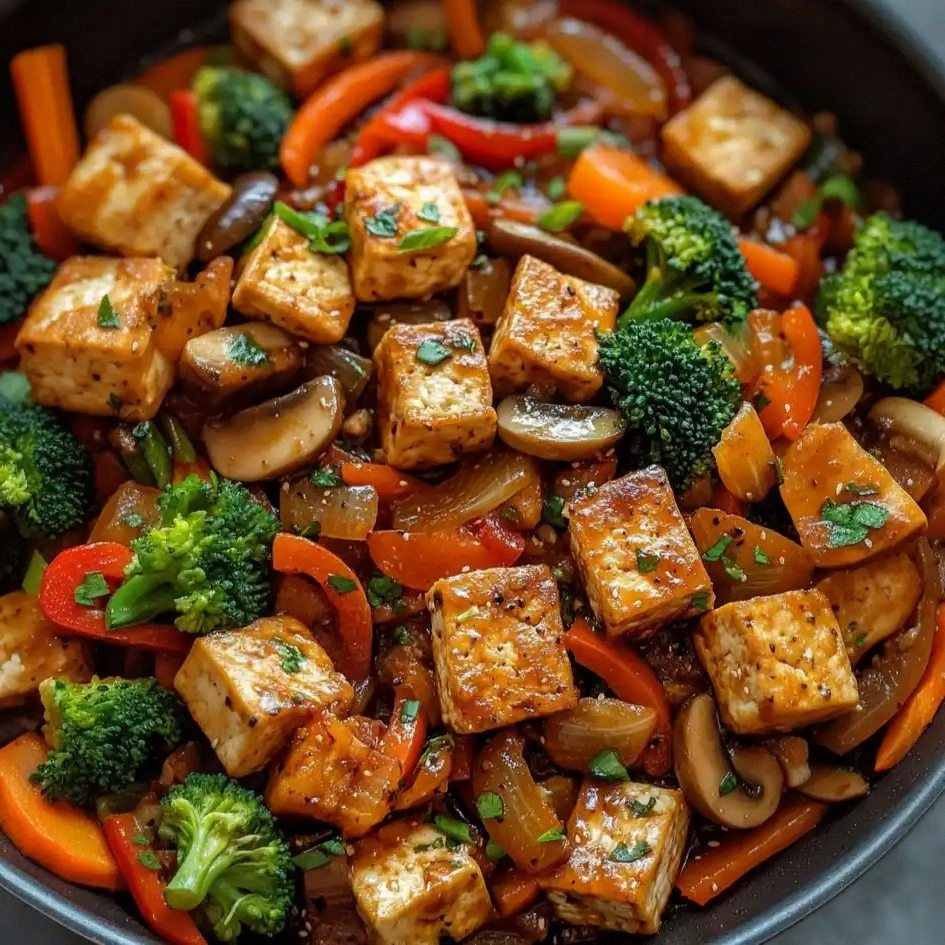
The Method — Step by Step
- First, press the tofu for at least 15 minutes using a tofu press or a heavy skillet. This removes the excess water that would otherwise steam the tofu instead of searing it. Once pressed, cut it into 1‑inch cubes so each piece is evenly sized for a uniform cook.
- Heat 2 tablespoons of vegetable oil in a large wok or skillet over medium‑high heat until it shimmers. Add the tofu cubes in a single layer and let them brown on all sides, about 4 minutes. The goal is a golden crust that locks in flavor; don’t stir too often or the tofu will break apart.
- Remove the tofu and set aside. In the same pan, add the sliced carrots and mushrooms. These ingredients take slightly longer to cook, so give them a head start. Stir-fry for 2 minutes until they start to soften.
- Add the broccoli florets, bell peppers, and snap peas. The vegetables should still feel firm to the bite; you want that bright, crisp snap that’s the hallmark of a good stir‑fry. Cook for another 3–4 minutes, stirring constantly, until the vegetables are tender but still vibrant.
- While the veggies cook, whisk together 3 tablespoons soy sauce, 1 tablespoon sesame oil, 1 tablespoon rice vinegar, 1 teaspoon honey, 1 teaspoon cornstarch, and 2 tablespoons water in a small bowl. This slurry will thicken the sauce and give it a glossy sheen.
- Return the tofu to the pan, add minced garlic and grated ginger, and pour the sauce over everything. Toss gently to coat. The sauce should start to thicken within 30 seconds, creating a glossy, flavorful coating on each ingredient.
- Watch Out: When adding the sauce, keep the heat at medium to avoid burning the honey. A high flame can caramelize the sugar too quickly, turning it bitter. If the sauce becomes too thick, add a splash more water to loosen it.
- Sprinkle chili flakes to taste and stir for an additional minute to allow the heat to infuse the dish. The aroma should be fragrant and inviting, signaling that the flavors have blended.
- Kitchen Hack: Finish by sprinkling sesame seeds and chopped green onions. These toppings add a final burst of texture and freshness, and they also create a beautiful contrast of colors that makes the dish Instagram‑ready.
- Serve immediately over steamed rice or quinoa, and enjoy a meal that feels both comforting and gourmet. The tofu should be crisp on the outside, the veggies bright and crunchy, and the sauce silky and flavorful.
That's it — you did it. But hold on, I've got a few more tricks that'll take this to another level...
Insider Tricks for Flawless Results
The Temperature Rule Nobody Follows
Many cooks lower the heat after searing tofu, but keeping the temperature high ensures a crisp crust that doesn’t become soggy. I’ve seen people drop the heat to medium, and the tofu ends up steaming rather than browning. Keep the pan hot; the quick sear locks in moisture and creates a delightful crunch.
Why Your Nose Knows Best
If the dish smells slightly bitter, you’re probably overcooking the garlic or the honey. The aroma should be sweet, nutty, and savory. Trust your nose; if something smells off, pause and adjust the heat.
The 5‑Minute Rest That Changes Everything
After cooking, let the stir‑fry rest for 5 minutes before serving. This rest period allows the flavors to meld and the sauce to thicken slightly, giving the dish a richer mouthfeel. A quick rest is a game‑changer you’ll notice immediately.
Pressing the Tofu Like a Pro
Pressing the tofu for at least 30 minutes is the secret to a perfect sear. The less moisture, the better the caramelization. I use a tofu press, but a stack of books works just as well. Don’t skip this step if you want that coveted crispy exterior.
The Right Pan Matters
A wide, non‑stick skillet or wok distributes heat evenly and prevents overcrowding. Overcrowding lowers the pan’s temperature, causing the tofu and veggies to steam. Use a pan that’s at least 12 inches wide to give everything space to cook properly.
Creative Twists and Variations
This recipe is a playground. Here are some of my favorite ways to switch things up:
Spicy Thai Twist
Swap the soy sauce for coconut aminos and add a tablespoon of Thai red curry paste. Finish with fresh cilantro and lime zest for a bright, tropical flavor profile that pairs well with jasmine rice.
Mediterranean Flair
Replace the sesame oil with olive oil, and add sun‑dried tomatoes, kalamata olives, and a pinch of oregano. This gives the dish a briny, savory edge that’s reminiscent of a Mediterranean market.
Vegan BBQ Version
Use a smoky BBQ sauce in place of soy sauce and honey, and sprinkle smoked paprika over the tofu before searing. The result is a sweet, smoky flavor that pairs wonderfully with corn‑flour tortillas.
Low‑Carb Delight
Omit the rice vinegar and replace it with a splash of lemon juice. Serve over cauliflower rice instead of regular rice to keep the carb count low while still delivering a satisfying meal.
Breakfast Kick
Add a handful of spinach and a dash of turmeric for a colorful, protein‑rich breakfast bowl. Top with a poached egg for extra protein and a creamy texture that turns the stir‑fry into a hearty morning dish.
Storing and Bringing It Back to Life
Fridge Storage
Store the stir‑fry in an airtight container for up to 3 days in the refrigerator. Keep the sauce separate if you prefer a slightly fresher texture, then combine just before reheating. The tofu will retain its firmness, and the vegetables will stay crisp.
Freezer Friendly
Freeze the dish in portioned containers for up to 2 months. Thaw overnight in the fridge and reheat on the stove, adding a splash of water or broth to keep the sauce from drying out. The tofu and veggies will keep their textures well.
Best Reheating Method
Reheat over medium heat in a pan, stirring frequently. Add a teaspoon of water or vegetable broth to loosen the sauce. The quick steam will restore moisture and keep the dish from becoming rubbery.