I was standing in my tiny kitchen, the kind of place where the only thing louder than the fan is my own inner monologue, when my roommate dared me to create a drink that would make the scorching July heat surrender. I had just rescued a half‑ripe mango from the fruit bowl, a dragon fruit that looked like it belonged on a tropical postcard, and a lemon that practically screamed “zest me up!”. The result? A liquid that looks like a sunrise caught in a glass, tastes like a vacation, and makes you wonder why you ever settled for plain old water. The moment I blended those ingredients together, the kitchen filled with a sweet‑tart perfume that reminded me of a beachside market in Bali, and I knew I’d stumbled onto something legendary.
Imagine the first sip: the mango’s buttery silk slides across your tongue, instantly followed by the dragon fruit’s subtle floral whisper, while the lemon’s bright acidity cuts through the sweetness like a cool breeze on a sweltering day. The fizz from the sparkling water adds that playful pop you’d expect from a carnival, and the mint—if you dare—delivers a refreshing finish that feels like a gentle pat on the back from Mother Nature herself. I dare you to taste this and not go back for seconds; it’s that good. Most recipes get this completely wrong, either drowning the fruit in sugar or forgetting the crucial balance of acidity, but this version nails it with precision and flair.
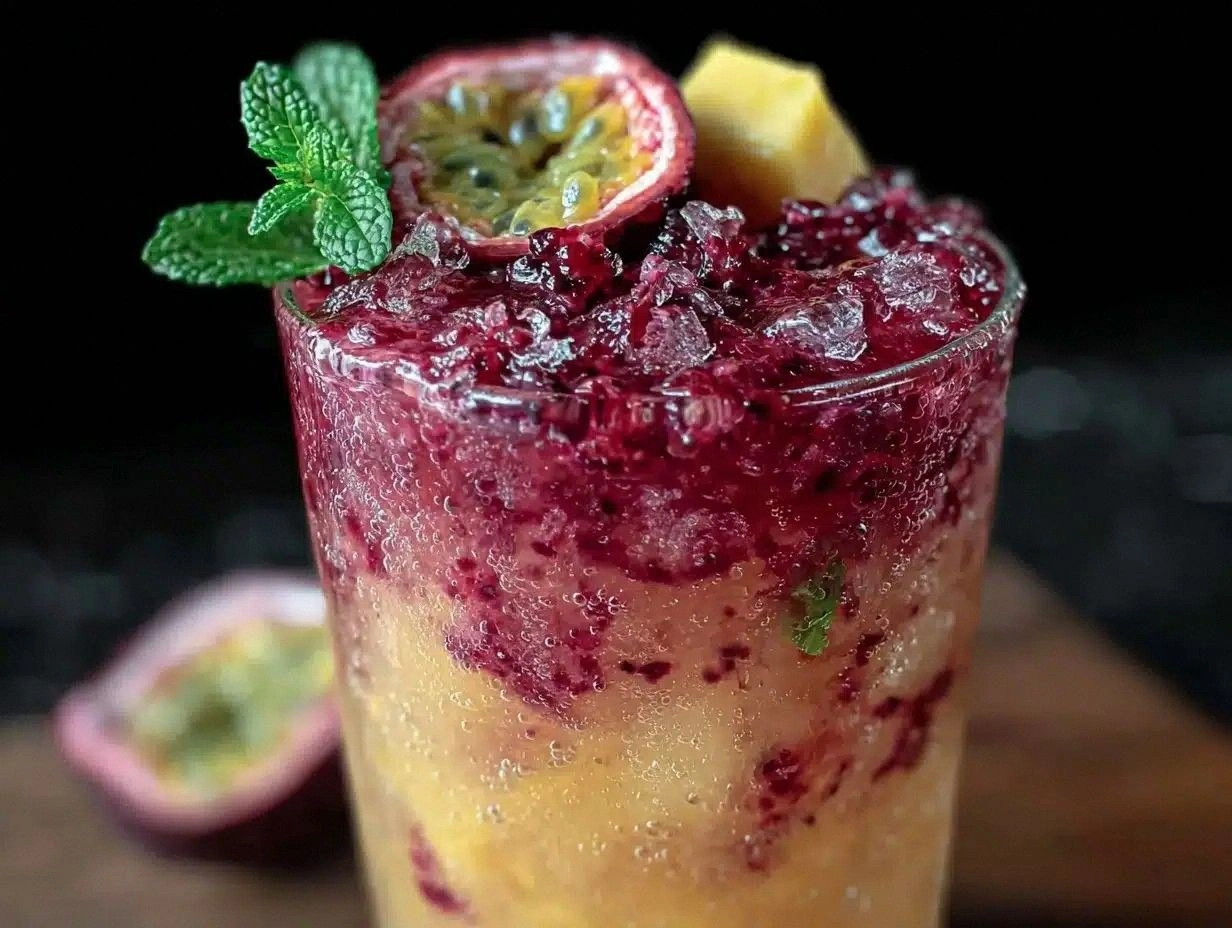
Why does this drink stand out among the sea of lemonade variations? For starters, the combination of mango and dragon fruit is practically unheard of in a classic lemonade, giving you a visual spectacle of pink and gold that could easily double as a centerpiece for any summer soirée. I’m being honest — I ate half the batch before anyone else got to try it, because let’s face it, the first glass is pure, unadulterated bliss. And the secret? A splash of honey that adds depth without overwhelming the fruit’s natural sweetness, plus a dash of sparkling water that turns a simple beverage into a celebration. This isn’t just a drink; it’s a statement.
Now, picture yourself pulling this out of the fridge on a scorching afternoon, the condensation beading on the glass like tiny jewels, the aroma of citrus and tropical fruit mingling in the air, and the first sip sending a wave of coolness through your body. You’ll feel the stress melt away, replaced by a grin that says, “I’ve got this summer under control.” Okay, ready for the game‑changer? Let me walk you through every single step — by the end, you’ll wonder how you ever made it any other way.
What Makes This Version Stand Out
- Taste: The natural sweetness of mango pairs perfectly with the subtle floral notes of dragon fruit, while lemon adds a bright, clean finish that never feels cloying.
- Texture: A silky, almost creamy mouthfeel from the mango blended with the light, airy fizz of sparkling water creates a contrast that’s both refreshing and indulgent.
- Simplicity: Fewer than ten ingredients, no fancy equipment—just a blender, a pitcher, and a dash of confidence.
- Uniqueness: The pink‑gold hue from dragon fruit and mango makes this lemonade Instagram‑ready without any artificial coloring.
- Crowd Reaction: Guests often ask for the recipe after the first glass, and you’ll earn the title of “best host” without breaking a sweat.
- Ingredient Quality: Using ripe, fragrant mangoes and fresh, ripe dragon fruit maximizes flavor; you’ll taste the difference instantly.
- Method: No cooking, no simmering—just a quick blend that preserves the fruit’s bright, fresh character.
- Make‑Ahead Potential: You can prep the fruit puree a day ahead, store it chilled, and assemble the lemonade in minutes when guests arrive.
Inside the Ingredient List
The Flavor Base
Fresh mango is the heart of this lemonade. I usually hunt for Ataulfo mangoes because their buttery flesh and honey‑like sweetness elevate the drink beyond ordinary. If you can’t find Ataulfo, a ripe Haden works just as well—just make sure it’s soft to the touch, not hard. Skipping the mango would be a crime; the drink would lose its creamy backbone and become a thin, watery concoction that feels more like a fruit‑infused soda than a lemonade.
The Texture Crew
Dragon fruit brings a subtle floral note and, more importantly, that stunning pink‑orange color that makes the lemonade look like a work of art. Red‑fleshed varieties are best for visual impact, but white‑fleshed dragon fruit works if you’re after a milder taste. If you miss out on dragon fruit, try a splash of beet juice for color, though you’ll lose the delicate flavor.
The Unexpected Star
Fresh lemon juice is the bright, acidic counterpoint that prevents the drink from becoming a sugary swamp. I always squeeze lemons by hand to capture the essential oils from the zest, which adds an aromatic layer you just can’t get from bottled juice. A common mistake is to add too much lemon, which makes the drink harsh; balance is key, and that’s why we stick to a quarter cup.
The Final Flourish
Honey or agave syrup provides natural sweetness without the grainy texture of granulated sugar. Raw honey adds a depth of flavor reminiscent of caramelized fruit, while agave keeps it vegan and slightly lighter. If you’re watching sugar, start with one tablespoon and adjust to taste. The optional mint leaves aren’t just for garnish—they add a cooling sensation that complements the citrus and fruit flavors beautifully.
Everything's prepped? Good. Let’s get into the real action…
The Method — Step by Step
Start by washing your mangoes, dragon fruit, and mint leaves under cool running water. Pat them dry with a clean kitchen towel. This step might sound trivial, but any leftover dirt can turn the final drink gritty. I always give the fruit a gentle rub to remove any waxy residue that sometimes clings to the skin.
Kitchen Hack: Use a kitchen towel to roll the mango before cutting; it helps release the flesh cleanly, minimizing waste.Peel the mangoes and cut the flesh away from the pit. For a smoother texture, slice the mango into chunks about 1‑inch thick. This size blends quickly and evenly, preventing any chunky bits that could ruin the silky mouthfeel.
Peel the dragon fruit and dice it into similar‑sized pieces. The bright pink flesh is delicate, so handle it gently. If you notice any white seeds, you can leave them—they’re edible and add a subtle crunch, but feel free to discard if you prefer a cleaner texture.
Squeeze the lemons until you have a precise ¼ cup (60 ml) of fresh juice. Roll the lemon on the countertop before cutting; this releases more juice and essential oils from the zest, giving the lemonade an extra aromatic punch.
Watch Out: Avoid over‑squeezing the lemon rind into the juice, as the white pith can add bitterness that overpowers the mango’s sweetness.Add the mango chunks, dragon fruit dice, lemon juice, and honey (or agave) into a high‑speed blender. Blend on high for about 30‑45 seconds, or until the mixture is completely smooth and no fruit fibers remain. The blender should sound like a gentle roar, and you’ll see the color shift to a vibrant pink‑gold swirl.
Taste the puree at this stage. If the sweetness feels a touch shy, add a teaspoon of honey and blend again for 10 seconds. Remember, the sparkling water will dilute the mixture slightly, so a little extra sweetness now prevents the final drink from tasting flat.
Pour the fruit puree into a large pitcher. Slowly add the cold water or sparkling water, stirring gently with a wooden spoon. If you’re using sparkling water, pour it over the back of the spoon to preserve the fizz. The drink should look like liquid sunshine, with bubbles rising like tiny fireworks.
Kitchen Hack: Chill the pitcher in the fridge for 10 minutes before adding water; this keeps the fizz from dissipating too quickly.Add a generous handful of ice cubes to the pitcher, then gently stir again. The ice should clink against the glass, creating a crisp sound that signals the drink is ready for immediate consumption. If you like extra chill, freeze some mango or dragon fruit chunks and use them as “ice cubes” that won’t water down the flavor.
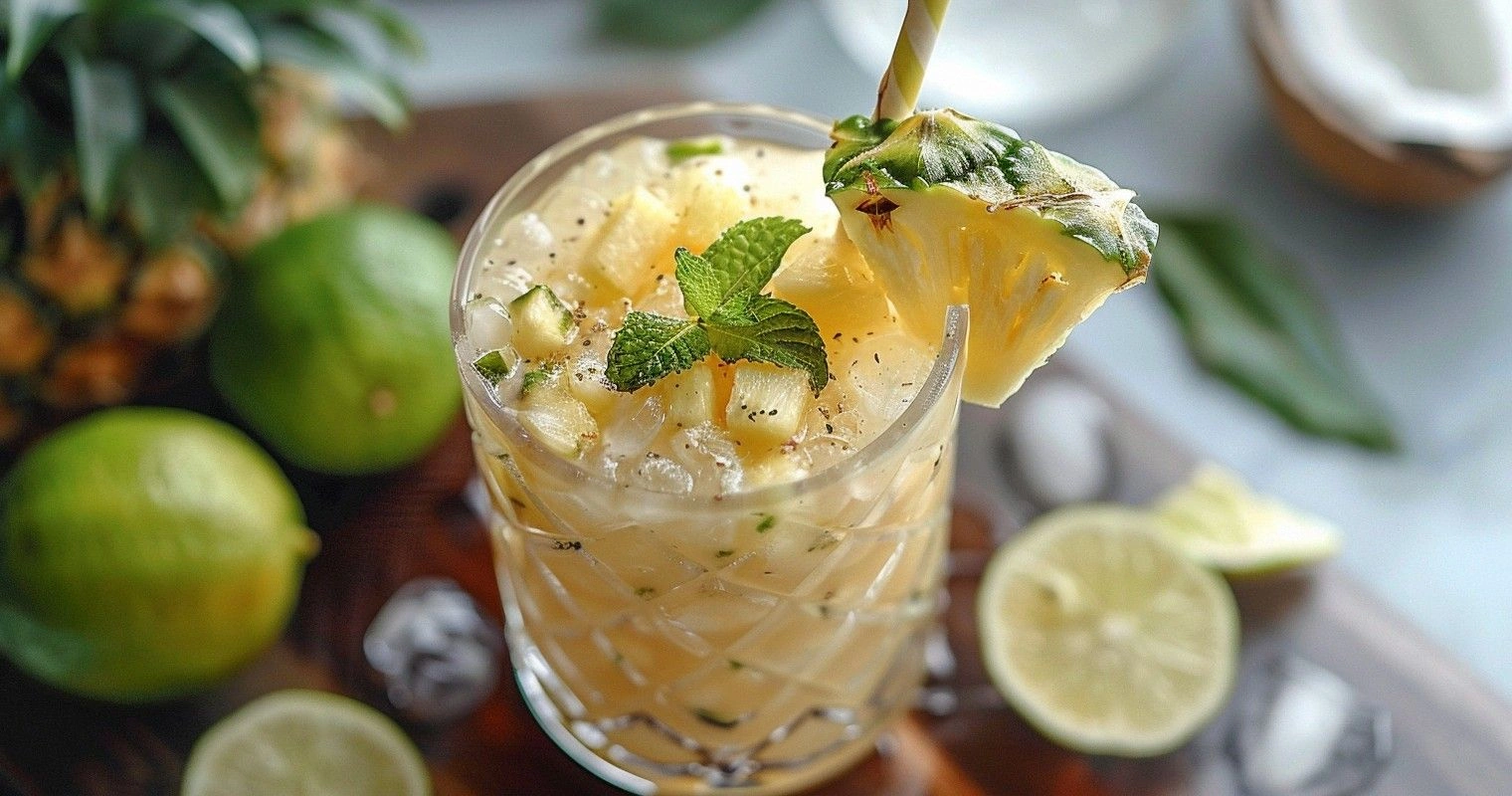
Finish with a sprig of fresh mint on each glass, if desired. The mint adds a cooling aroma that lifts the whole experience, especially on a hot day. Serve in clear glasses to showcase the gorgeous hue, and watch your guests’ eyes widen as they take that first sip.
That’s it — you did it. But hold on, I’ve got a few more tricks that’ll take this to another level…
Insider Tricks for Flawless Results
The Temperature Rule Nobody Follows
Never blend hot ingredients with cold ones; the sudden temperature shift can cause the blender motor to stall. Keep everything chilled—fruit, water, and even the blender jar—so the puree stays smooth and the fizz remains lively. I once tried blending room‑temperature mango with ice and ended up with a chunky mess that needed extra blending time.
Why Your Nose Knows Best
Before you add the final splash of water, give the puree a quick sniff. If you detect a faint citrus aroma, you’re on the right track. If the scent leans too sweet, a dash more lemon juice will balance it out. Trusting your nose saves you from over‑sweetening, which is a common pitfall for beginners.
The 5‑Minute Rest That Changes Everything
After mixing, let the lemonade sit uncovered in the fridge for five minutes. This short rest allows the flavors to meld, and the bubbles from the sparkling water settle just enough to give a smooth mouthfeel without being flat. A friend once skipped this step and complained the drink tasted “disconnected.”
Ice Cube Alchemy
Instead of plain water ice, freeze some of the mango‑dragon fruit puree in an ice‑cube tray. Drop those cubes into the pitcher; they melt slowly, releasing more flavor as they chill the drink. This trick keeps the lemonade vibrant from the first sip to the last.
Mint‑Infused Water Boost
If you love mint, steep a few leaves in the water before adding it to the pitcher. Warm the water just enough to release the mint oils (about 40 °C), then chill it. This subtle infusion adds an herbaceous layer that pairs perfectly with the tropical fruit.
Creative Twists and Variations
This recipe is a playground. Here are some of my favorite ways to switch things up:
Coconut‑Lime Breeze
Swap half of the sparkling water for coconut water and add a tablespoon of freshly squeezed lime juice. The coconut adds a subtle nutty sweetness, while lime brightens the citrus profile. Perfect for fans of tropical cocktails who want a non‑alcoholic version.
Spicy Chili Kick
Add a pinch of finely ground cayenne pepper or a slice of jalapeño to the blender. The heat contrasts the fruit’s sweetness, creating a thrilling flavor dance. Serve to adventurous guests who love a little fire with their refreshment.
Berry‑Boosted Fusion
Toss in a half‑cup of frozen mixed berries (strawberries, blueberries, raspberries) during blending. The berries add antioxidant power and a deeper red hue, while still letting mango and dragon fruit shine. Great for a brunch where you want a splash of color.
Herbal Green Twist
Blend a handful of fresh basil or cilantro along with the fruit. The herbaceous notes bring a garden‑fresh dimension, making the drink feel like a summer salad in a glass. Pair it with light appetizers for a cohesive menu.
Alcoholic Sunset
Add ½ cup of white rum or vodka for a grown‑up version. The spirit amplifies the tropical vibe without overwhelming the delicate fruit flavors. Serve in a highball glass with a lime wedge for a beach‑ready cocktail.
Storing and Bringing It Back to Life
Fridge Storage
Transfer any leftover lemonade to an airtight glass jar and store it in the refrigerator for up to 48 hours. The flavors will mellow slightly, but the drink remains vibrant. Before serving, give it a quick stir and add a splash of sparkling water if the fizz has softened.
Freezer Friendly
If you’ve made a big batch, pour the fruit puree (without water) into freezer‑safe containers, leaving a 1‑inch headspace for expansion. Freeze for up to three months. When you’re ready, thaw in the fridge overnight and then re‑mix with fresh sparkling water.
Best Reheating Method
While this lemonade is best served cold, if you ever need to warm it (perhaps for a hot toddy variation), gently heat the puree on low‑medium heat, stirring constantly. Add a tiny splash of water before reheating; it creates a gentle steam that revives the texture without turning the drink gummy.