I was standing in my kitchen, staring at a half‑roasted sweet potato that had turned from golden to a sad, brownish gray. I had been chasing a craving for something warm, comforting, and colorful all afternoon, and the disaster was my only excuse to finally try a new recipe. The smell of burnt sugar hit me like a slap of disappointment, and I wondered, “What if I could turn this mess into a masterpiece?” That question, and the stubborn, stubbornness of my kitchen, set the stage for the ultimate roasted veggie grain bowl.
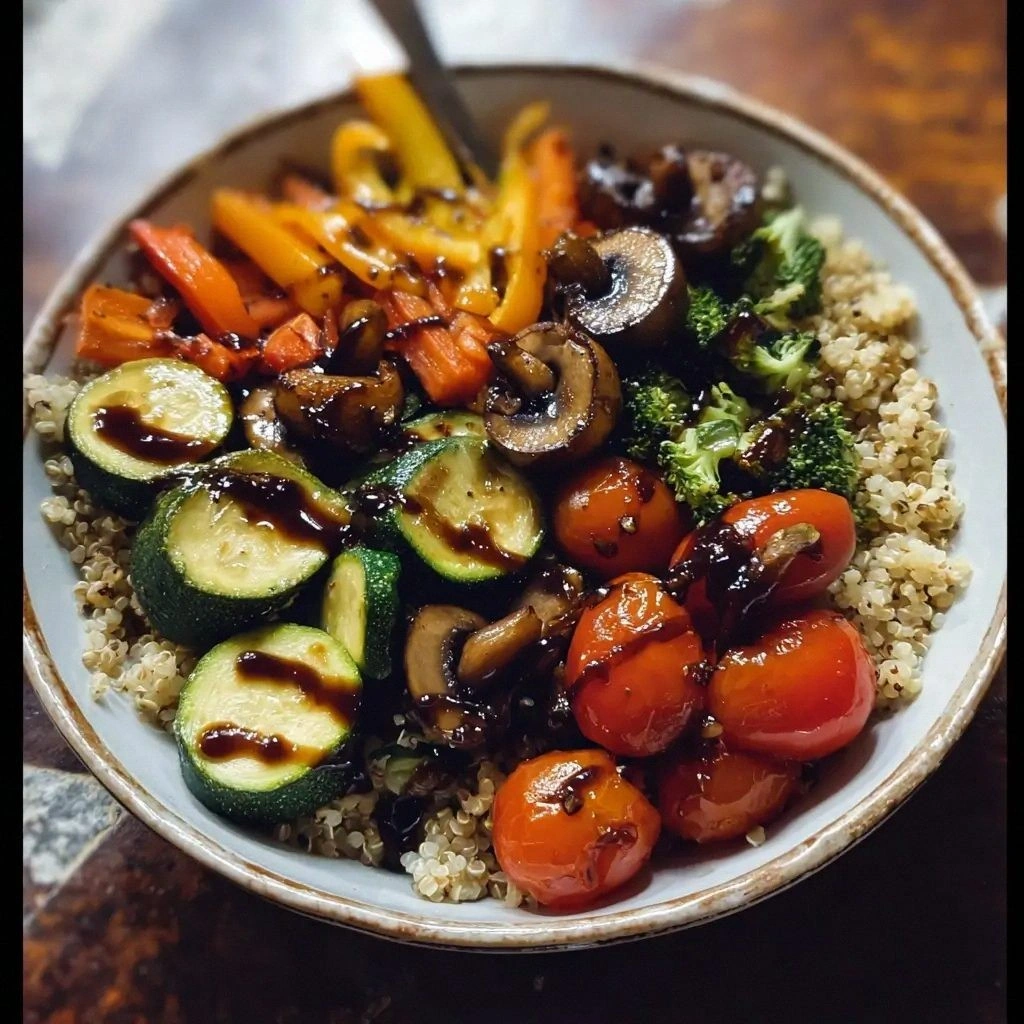
Picture this: a vibrant bowl of quinoa and brown rice, the crunch of roasted sweet potato cubes, the subtle bite of broccoli, and the bright pop of red cabbage. The aroma is a heady mix of caramelized vegetables and balsamic glaze, the sound is that satisfying crackle as the veggies hit the hot pan, and the texture ranges from silky grains to crisp, caramelized edges that shatter like thin ice. The first bite is a burst of sweet and savory, followed by a tangy finish that lingers on the palate. If you can taste it, you’ll feel the kitchen’s warmth wrapping around you like a cozy blanket.
What makes this version stand out? It’s not just the combination of grains and veggies; it’s the meticulous layering of flavors, the clever use of a balsamic‑mustard vinaigrette that coats everything like velvet, and the sprinkle of feta and pumpkin seeds that add a salty crunch. The dish is so adaptable that it can double as a lunch, a dinner, or even a hearty side. And the best part? It’s a one‑pan wonder that saves you from the post‑cooking cleanup frenzy. I dare you to taste this and not go back for seconds.
Now, let’s break down the secret sauce. I’ll walk you through every single step, from selecting the freshest produce to the final drizzle of dressing, and by the end, you’ll wonder how you ever made it any other way. The next part of the recipe is pure magic, so stay with me here — this is worth it.
What Makes This Version Stand Out
- Taste: The blend of sweet roasted veggies, tangy balsamic glaze, and creamy feta creates a flavor profile that sings. Each bite is a harmonious chorus of caramel, citrus, and savory notes that dance on your tongue.
- Texture: The contrast between the crunchy roasted edges and the tender grains is a sensory delight. The grains stay fluffy, while the veggies offer a satisfying snap that keeps the dish interesting.
- Ingredient Quality: Using organic, seasonal produce elevates the dish, ensuring each bite is packed with natural sweetness and robust flavor. Fresh herbs and high‑quality olive oil make the difference.
- Cooking Method: One‑pan roasting reduces cleanup and locks in flavor, while a quick vinaigrette adds brightness without overpowering the natural tastes of the ingredients.
- Make‑ahead Potential: The grains and veggies keep well for up to three days in the fridge, and the dressing can be pre‑mixed, making it a perfect meal‑prep option.
- Crowd Reaction: Friends who have tried this version rave about the balance of flavors and the ease of preparation. It’s become the go‑to dish for potlucks and casual dinner parties.
- Customization: Swap out quinoa for farro or barley, add protein like grilled chicken or tofu, or spice it up with chili flakes. The base is flexible enough to accommodate any dietary preference.
Inside the Ingredient List
The Flavor Base
At the heart of this bowl lies a simple yet powerful vinaigrette. The balsamic vinegar provides a sweet acidity that cuts through the richness of the roasted veggies, while Dijon mustard adds a subtle heat and depth. A splash of honey balances the tang, creating a glaze that coats each grain and vegetable like velvet. If you’re a fan of a little kick, a pinch of smoked paprika sneaks into the mix, adding a whisper of smokiness that elevates the entire dish.
The Texture Crew
Quinoa and brown rice form the foundation, offering a nutty backbone that absorbs the dressing and keeps the bowl from feeling light and airy. Sweet potatoes are diced into bite‑sized cubes, ensuring they roast evenly and develop a caramelized crust. Broccoli florets and thinly sliced red cabbage add crunch and a pop of color. Chickpeas bring a creamy, protein‑rich element that balances the vegetables and keeps you feeling full.
The Unexpected Star
Fresh parsley and lemon zest are the unsung heroes of this bowl. Parsley brings a bright, herbal note that lifts the overall flavor profile, while lemon zest adds a burst of citrus that brightens the dish and cuts through the richness. A squeeze of fresh lemon juice at the end of the cooking process adds a final layer of brightness that makes the bowl feel fresh and alive.
The Final Flourish
Crumbled feta cheese offers a salty, tangy contrast that pairs perfectly with the sweet vegetables. Toasted pumpkin seeds add a nutty crunch and a subtle sweetness that complements the roasted flavors. The dressing’s glaze coats everything, creating a glossy finish that invites you to dig in. Together, these final touches transform a simple bowl into a feast for the senses.
Everything’s prepped? Good. Let’s get into the real action.
The Method — Step by Step
- Preheat your oven to 425°F (220°C). While the oven heats, toss the diced sweet potatoes, broccoli florets, and sliced red cabbage in a bowl with 2 tablespoons of olive oil, 1 teaspoon smoked paprika, 1/2 teaspoon salt, and 1/4 teaspoon black pepper. Spread the vegetables on a parchment‑lined baking sheet in a single layer. The high heat will caramelize the edges, creating a sweet, slightly charred flavor that’s essential to the dish. Watch the veggies closely; they should start to brown after 12–15 minutes.
- While the veggies roast, rinse 1 cup of quinoa under cold water until the water runs clear. In a medium saucepan, combine the quinoa with 2 cups of water, bring to a boil, then reduce heat to low, cover, and simmer for 15 minutes. The quinoa should be fluffy and fully cooked, absorbing all the liquid. This step ensures the grains are ready to mingle with the roasted vegetables later.
- In a small bowl, whisk together 3 tablespoons balsamic vinegar, 1 tablespoon Dijon mustard, 1 tablespoon honey, 1 tablespoon lemon juice, and 2 minced garlic cloves. Add 1/4 cup chopped fresh parsley and 1 tablespoon lemon zest. This vinaigrette will be the sauce that ties everything together, coating the grains and veggies with a glossy, flavorful glaze. Set aside for later.
- When the vegetables are halfway done, stir them once to ensure even roasting. The aroma should be rich and sweet, a promise of the caramelization to come. If you’re craving an extra kick, sprinkle a pinch of chili flakes over the veggies now. This step is optional but adds a subtle heat that balances the sweetness.
- Add 1 cup of drained chickpeas to the baking sheet in the last 5 minutes of roasting. Chickpeas will warm up and slightly crisp, adding a protein boost and a pleasant bite. Keep an eye on them; they should not burn, just warm through.
- Remove the baking sheet from the oven. Let the veggies rest for 2 minutes; this pause allows the flavors to settle and the juices to redistribute. While resting, stir in 1 cup of cooked brown rice into the quinoa, creating a hearty grain base that’s ready to absorb the dressing.
- Transfer the roasted veggies and chickpeas into a large bowl. Pour the prepared vinaigrette over the top, tossing gently to coat everything evenly. The dressing should coat the grains and veggies like a silk scarf, adding depth and brightness. If the sauce feels too thick, add a splash of warm water to thin it out.
- Divide the mixture into four bowls. Sprinkle each bowl with 1/2 cup crumbled feta, 2 tablespoons toasted pumpkin seeds, and a final drizzle of olive oil. The feta adds a salty tang, the seeds bring a nutty crunch, and the oil ties the flavors together. Serve immediately, or let the bowl chill in the refrigerator for a few hours to let the flavors meld.
That’s it — you did it. But hold on, I’ve got a few more tricks that will take this to another level.
Insider Tricks for Flawless Results
The Temperature Rule Nobody Follows
Many people roast vegetables at 375°F, but the secret to a caramelized, slightly charred edge is 425°F. This higher temperature forces the natural sugars in the veggies to bloom, giving them a sweet, smoky flavor. If your oven is prone to hot spots, rotate the pan halfway through roasting for even results.
Why Your Nose Knows Best
Your sense of smell is a reliable guide when roasting. When the veggies start to emit a sweet, nutty aroma, you’re in the sweet spot. Don’t rely solely on the timer; let your nose tell you when the caramelization is just right.
The 5‑Minute Rest That Changes Everything
After roasting, allow the veggies a short rest on the baking sheet. This pause lets the steam redistribute, preventing the veggies from steaming in the pan and helping the edges stay crisp. It’s a simple step that elevates the texture dramatically.
Use a Sheet of Parchment Paper
Parchment paper not only prevents sticking but also helps the veggies roast evenly by creating a barrier between the pan and the food. It also makes cleanup a breeze, saving you valuable time after a busy cooking session.
Finish With a Splash of Lemon Juice
A final squeeze of fresh lemon juice brightens the entire bowl, cutting through the richness of the feta and the roasted sweetness of the veggies. It adds a fresh, zesty layer that makes the dish feel lighter and more vibrant.
Creative Twists and Variations
This recipe is a playground. Here are some of my favorite ways to switch things up:
Protein Power Pack
Swap chickpeas for grilled chicken breast or tofu cubes. Add a splash of soy sauce to the dressing for an umami boost. This variation turns the bowl into a hearty, protein‑rich meal perfect for post‑workout refueling.
Spicy Southwestern Twist
Add a handful of corn kernels and a pinch of chipotle powder to the roasted veggies. Top the bowl with sliced avocado and a dollop of Greek yogurt. The smoky heat pairs beautifully with the creamy avocado, creating a flavor profile that’s both bold and comforting.
Asian Fusion Flair
Replace the balsamic vinaigrette with a mixture of rice vinegar, sesame oil, and a touch of sriracha. Sprinkle toasted sesame seeds on top and garnish with sliced green onions. The dish becomes a vibrant, umami‑laden bowl that feels like a street food favorite.
Vegan Delight
Omit the feta and replace it with crumbled chickpea cheese or hemp seeds. Keep the pumpkin seeds and add a drizzle of tahini for extra creaminess. The bowl remains protein‑dense while staying fully plant‑based.
Breakfast Boost
Serve the bowl over a base of scrambled eggs or a poached egg. Add a handful of fresh spinach and a sprinkle of grated Parmesan. The savory, protein‑rich breakfast version is a perfect start to a busy day.
Low‑Carb Variation
Swap quinoa and brown rice for cauliflower rice. Keep the roasted veggies and dressing the same. The result is a low‑carb, high‑fiber bowl that satisfies without the extra carbs.
Storing and Bringing It Back to Life
Fridge Storage
Store the roasted veggie mixture in an airtight container for up to three days. Keep the dressing separate until you’re ready to serve to prevent the grains from becoming soggy. When ready to eat, simply reheat the veggies and grains in the microwave for 2 minutes, then drizzle the dressing on top.
Freezer Friendly
The bowl freezes well for up to two months. Pack the roasted veggies and grains in a freezer‑safe bag, then thaw overnight in the fridge. Reheat on the stove or in the microwave, and add a splash of fresh lemon juice to revive the brightness.
Best Reheating Method
To reheat, place the bowl in a skillet with a splash of water, cover, and stir occasionally. The water creates steam that keeps the grains moist. Add a tiny splash of water before reheating — it steams back to perfection and keeps the flavors vibrant.