Picture this: I’m juggling a pot of boiling pasta, a toddler demanding a snack, and a phone alarm screaming “meeting in five minutes.” In the chaos, I knocked over a jar of balsamic vinegar, and it splattered across the countertop like a miniature wine flood. I stared at the sticky mess, sighed, and then, out of sheer desperation, I grabbed the nearest greens—baby rocket—tossed in a can of beetroot, crumbled feta, and a handful of walnuts. That accidental salad turned out to be the most addictive bite of my life, and I swear it whispered, “I’m the answer to all your kitchen woes.”
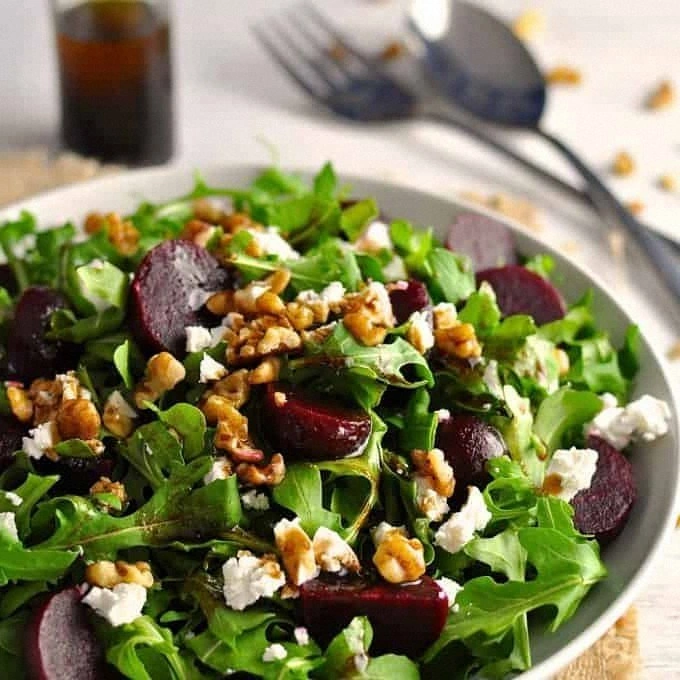
From the first forkful, the flavors exploded like fireworks at a summer fair. The peppery bite of rocket cut through the earthiness of beetroot, while the feta added a creamy, salty kiss that lingered on the palate. The walnuts? They brought a buttery crunch that felt like stepping on fresh autumn leaves—unexpected, but oh‑so satisfying. And the dressing? Imagine honey and balsamic dancing together, coating each piece of veg like a glossy, sweet‑tangy veil. The aroma alone could coax a grumpy cat out of a sunbeam.
Now, you might be thinking, “I’ve had beet and arugula salads before; what’s the big deal?” Most recipes either drown the greens in a soggy vinaigrette or over‑sweeten the beetroot, turning the dish into a sugary mess. This version is different because I’ve balanced the acidity, sweetness, and texture to a razor‑sharp precision. The secret lies in a simple, three‑step emulsion that locks in flavor without making the leaves wilt. I also use canned baby beetroot, which is already tender and retains a vibrant color—no need to waste time roasting.
And here’s the kicker: I’m about to reveal a tiny trick involving a splash of water that keeps the dressing silky even after it sits in the fridge for a day. I dare you to taste this and not go back for seconds. This is hands down the best version you’ll ever make at home, and I’m about to walk you through every single step—by the end, you’ll wonder how you ever made it any other way.
What Makes This Version Stand Out
- Flavor Harmony: The sweet‑tangy balsamic‑honey dressing marries the peppery rocket and earthy beetroot, creating a balanced profile that sings on the tongue.
- Texture Contrast: Crunchy walnuts, creamy feta, and tender beetroot give you a mouthfeel that’s as interesting as a good plot twist.
- Simplicity: Only nine ingredients, five of which are pantry staples, mean you can whip this up in under 30 minutes.
- Uniqueness: Using canned baby beetroot preserves that bright magenta hue and delicate bite that fresh beets often lose.
- Crowd Reaction: Guests usually ask for the recipe before the first bite is even finished—talk about a conversation starter.
- Ingredient Quality: Fresh rocket leaves and high‑quality feta elevate the dish from ordinary to restaurant‑grade.
- Method Magic: The emulsion technique ensures the dressing clings to each leaf without drowning the salad.
- Make‑Ahead Potential: This salad keeps well for up to three days, making it perfect for meal‑prep warriors.
Inside the Ingredient List
The Flavor Base
The balsamic vinegar and honey are the dynamic duo that give this salad its signature sweet‑tangy zing. Balsamic’s deep, caramel notes pair perfectly with honey’s floral sweetness, creating a sauce that coats the leaves like velvet. If you skip the honey, the dressing will taste too sharp; if you omit the balsamic, you lose that complex depth. A good swap for balsamic is a splash of sherry vinegar, but be prepared for a slightly nuttier profile.
The Texture Crew
Walnuts bring a buttery crunch that contrasts the soft beetroot and creamy feta. They also add a subtle earthy undertone that echoes the beet’s natural flavor. If you’re allergic to nuts, try toasted pumpkin seeds—they’ll give you a similar crunch with a hint of sweetness. For the feta, I recommend a crumbly, tangy Greek feta; it melts slightly into the dressing, creating pockets of salty goodness.
The Unexpected Star
Canned baby beetroot is the unsung hero here. Because it’s pre‑cooked, it retains a tender bite and a vivid magenta color that makes the salad look like a work of art. Fresh beets would require roasting or boiling, which adds time and can make the texture uneven. If you can’t find baby beetroot, dice regular canned beet chunks into bite‑size pieces—just keep an eye on the size so they don’t dominate the salad.
The Final Flourish
Rocket (arugula) is the peppery backbone that lifts the entire dish. Its slightly bitter edge balances the sweet dressing and the salty feta. When selecting rocket, look for deep green leaves without wilting or yellow spots. A pro tip: give the leaves a quick tumble in a salad spinner with a pinch of salt; this not only cleans them but also seasons them lightly, enhancing the overall flavor.
Everything's prepped? Good. Let's get into the real action...
The Method — Step by Step
First, drain the canned baby beetroot and give it a gentle pat dry with paper towels. This removes excess brine that could dilute the dressing. As you do this, the bright magenta pieces glisten under the kitchen light, promising a pop of color. I like to let them sit for a minute—this tiny pause lets the beet’s natural sugars settle, making the later dressing cling better.
Kitchen Hack: If the beetroot is too wet, toss it in a sieve and shake gently; the excess liquid will drip away without crushing the delicate pieces.Next, give the rocket a quick rinse under cold water, then spin it dry. The leaves should be crisp, not soggy—think of a fresh lawn after a light drizzle. Pat the leaves with a clean kitchen towel if you don’t have a spinner. This step is crucial because any lingering water will cause the dressing to slip off rather than cling. While you’re at it, give the leaves a gentle tear; this prevents them from bunching together and ensures an even coating later.
Now, let’s build the dressing. In a small bowl, combine 2½ tablespoons of extra‑virgin olive oil, 1 tablespoon of balsamic vinegar, and 1 tablespoon of honey. Whisk vigorously until the mixture turns a glossy amber. The key is to whisk in a circular motion, pulling the oil from the edges to the center—this creates a stable emulsion that won’t separate when you toss the salad.
Watch Out: Adding the oil too quickly will cause the dressing to split; pour it in a thin, steady stream while whisking.Add ½ teaspoon of salt and a generous grind of black pepper to the emulsion. Taste it—there should be a subtle tang from the balsamic, a sweet undertone from the honey, and a gentle salty finish. If the dressing feels too sharp, add a pinch more honey; if it’s too sweet, a splash more balsamic will bring it back into balance. This is the moment of truth: the dressing must be bold enough to stand up to the peppery rocket but not overpower the delicate beetroot.
Grab a large salad bowl and layer the rocket at the bottom, spreading it out like a green carpet. Then scatter the beetroot pieces across the leaves, letting the ruby gems peek through. The visual contrast is almost theatrical—green and red playing off each other. This arrangement also ensures each bite gets a bit of every component, preventing the salad from becoming one‑dimensional.
Drizzle the freshly whisked dressing over the salad. Use a spoon to pour it in a slow, even stream, allowing the liquid to cascade over the leaves. As the dressing meets the greens, you’ll notice a faint sizzle—a sign that the oil is warming slightly from the room temperature, helping it cling better. Toss the salad gently with two large spoons, turning the leaves over and over until every piece is lightly coated.
Kitchen Hack: Toss the salad in the bowl, then transfer to a shallow plate and toss again; this double‑toss technique guarantees an even coating.Now sprinkle the crumbled feta over the top, letting the white specks melt slightly into the warm dressing. Follow with a generous handful of walnuts, which should look like tiny, buttery snowflakes. The feta will start to soften almost immediately, creating pockets of creamy saltiness that burst with each bite. If you like a bit of extra crunch, toast the walnuts lightly in a dry pan for 2‑3 minutes before adding—they’ll release a nutty aroma that fills the kitchen.
Give the salad a final gentle toss to incorporate the feta and walnuts without breaking the delicate leaves. Taste once more and adjust seasoning if needed—maybe a pinch more salt or a dash of pepper. Finally, let the salad sit for five minutes before serving; this resting period allows the flavors to meld, turning the dish from a collection of ingredients into a cohesive experience. Picture yourself pulling this out of the bowl, the whole kitchen smelling incredible, and the first bite delivering a perfect balance of pepper, sweet, and crunch. And now the fun part—serve it on a rustic wooden board or a sleek white plate, and watch the compliments roll in.
Insider Tricks for Flawless Results
The Temperature Rule Nobody Follows
Never dress a salad with cold oil straight from the fridge. Let the olive oil sit at room temperature for at least 20 minutes; this tiny step helps the emulsion form more readily and prevents the dressing from separating later. I once tried dressing a salad with chilled oil, and the vinaigrette turned into a greasy puddle—lesson learned. If you’re in a rush, pop the oil in a microwave for 5 seconds—just enough to warm it without cooking.
Why Your Nose Knows Best
Before you toss the salad, take a moment to sniff the dressing. The aroma should be a balanced dance of sweet honey, tangy balsamic, and a faint fruity note from the olive oil. If you detect any harsh vinegar bite, add a pinch more honey. Trusting your nose saves you from a mis‑balanced flavor that no amount of pepper can fix.
The 5‑Minute Rest That Changes Everything
After mixing, let the salad rest uncovered for five minutes. This short pause allows the rocket to absorb the dressing, softening its peppery edge just enough to become mellow without wilting. I’ve seen people serve salads immediately and get complaints about “too sharp” greens—this rest eliminates that problem.
Walnut Toasting Secret
Toast walnuts in a dry skillet over medium heat for 2‑3 minutes, shaking the pan constantly. You’ll hear a gentle “pop” as the oils release, and the nuts will turn a golden‑brown hue. This step intensifies their flavor, making them taste like they were roasted in a bakery. If you skip this, the walnuts are still good, but they lack that deep, caramelized nuance.
Feta Crumbling Technique
Instead of pre‑crumbling feta, take a block and crumble it over the salad with your fingers. The irregular shards create varied textures—some melt, some stay firm—adding an exciting mouthfeel. Plus, you’ll get that fresh, tangy aroma right before serving, which a pre‑crumbled, stored feta can lose.
Creative Twists and Variations
This recipe is a playground. Here are some of my favorite ways to switch things up:
Sun‑Dried Tomato Burst
Swap half the walnuts for chopped sun‑dried tomatoes. The tomatoes add a chewy, slightly sweet pop that pairs beautifully with the balsamic. Ideal for Mediterranean‑themed dinner parties.
Spicy Kick
Add a pinch of red‑pepper flakes to the dressing for a subtle heat that cuts through the sweetness. If you love fire, toss in a few thin slices of fresh jalapeño—just be careful, it can become a flavor‑overload if you go overboard.
Grain‑Boosted Bowl
Serve the salad over a bed of cooked quinoa or farro for added protein and a hearty texture. The grains soak up the dressing, making each bite more filling—perfect for a light lunch that still satisfies.
Vegan Version
Replace feta with crumbled tofu marinated in lemon juice and nutritional yeast. Use maple syrup instead of honey, and you have a completely plant‑based version that still delivers the sweet‑tangy profile.
Herb‑Infused Dressing
Blend a handful of fresh basil or mint into the dressing for an aromatic twist. The herbaceous notes lift the salad to a fresh, garden‑like experience—great for spring gatherings.
Cheese Swap
Swap feta for goat cheese or a mild blue cheese for a richer, creamier texture. Each cheese brings its own personality: goat cheese adds a tangy earthiness, while blue cheese adds a bold, pungent punch.
Storing and Bringing It Back to Life
Fridge Storage
Transfer any leftovers to an airtight container and store in the refrigerator for up to three days. Keep the dressing separate if you anticipate a longer storage period; combine just before serving to maintain crispness.
Freezer Friendly
While the salad itself isn’t ideal for freezing, you can freeze the dressing. Pour it into an ice‑cube tray, freeze, then transfer the cubes to a zip‑top bag. When you need it, melt a cube or two and whisk to restore the emulsion.
Best Reheating Method
If you’ve stored the salad with dressing mixed, add a tiny splash of water (about a teaspoon) before reheating. Microwave for 30 seconds, then toss gently. The water creates steam that revives the wilted leaves without turning them soggy.