Picture this: you’re in the middle of a late‑night craving, the fridge is a barren wasteland, and the only thing that’s not already on your mind is the sizzling sound of a pan. I was that person—half‑heartedly scrolling through Instagram, looking for something that would satisfy my hunger and my ego. I decided to throw together a bowl that would not only taste like a Michelin‑star meal but also feel like a comforting hug from a long‑lost friend. I grabbed a fillet of salmon, a handful of fresh herbs, and a cup of jasmine rice, and the kitchen turned into a culinary laboratory. The result? A salmon rice bowl that has become the ultimate go‑to dish for anyone who wants to feel like they’re dining in Tokyo, yet cooking in their own kitchen.
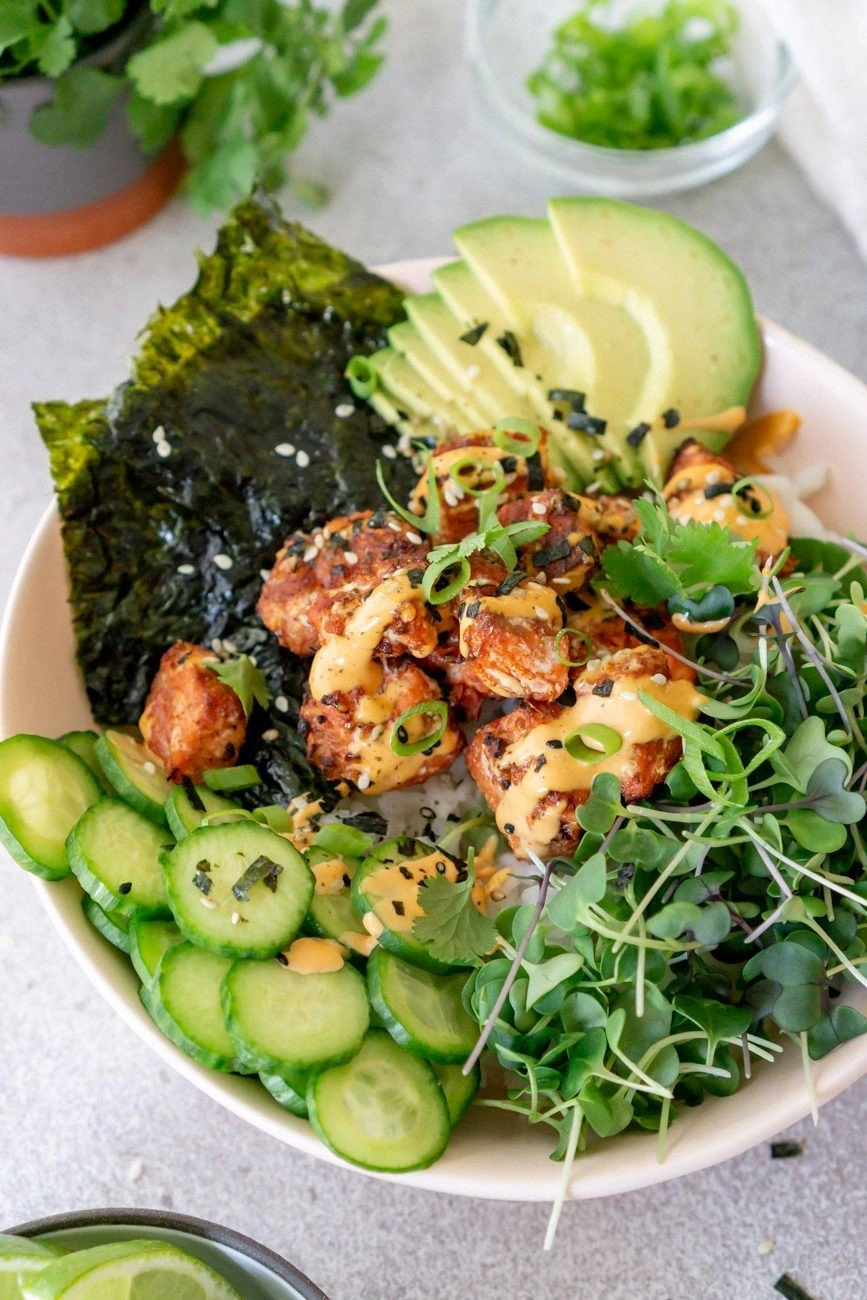
When the salmon hit the hot skillet, it released a fragrant, caramelized aroma that instantly turned the quiet kitchen into a bustling street market. The sizzle was unmistakable—like a drumbeat that signals the start of a feast. The rice, steamed to a perfect fluffy texture, offered a subtle nutty undertone that balanced the richness of the fish. The avocado slices, with their buttery melt, added a silky contrast that made every bite feel indulgent without being greasy. The crunch of cucumber and the bright, citrusy notes of cilantro lifted the dish into the realm of a fresh, vibrant salad.
What makes this version stand out from every other salmon bowl you’ll find online is the meticulous layering of flavor and texture. I didn’t just sprinkle seasonings; I built a flavor base that coats the salmon like a silky glaze, ensuring that each bite is juicy and flavorful. I used jasmine rice for its fragrant aroma, which elevates the dish beyond plain white rice. The avocado and cucumber provide both a cooling counterpoint and a textural contrast that keeps the palate engaged. And the secret sauce—an unexpected blend of lime, soy, and a whisper of honey—creates a sweet‑savory finish that feels like a secret handshake between you and your taste buds.
I dare you to taste this and not go back for seconds. I’ve been told that the first bite alone is enough to convince a skeptic that this bowl is the pinnacle of comfort food. I’ll be honest— I ate half the batch before anyone else got to try it. If you’ve ever struggled to balance the richness of salmon with the lightness of rice, you’re not alone—and I’ve got the fix. Picture yourself pulling this out of the oven, the whole kitchen smelling incredible, and knowing you just made a masterpiece that will keep you coming back for more.
Okay, ready for the game‑changer? This next part? Pure magic. Stay with me here—this is worth it. By the end, you’ll wonder how you ever made it any other way.
What Makes This Version Stand Out
- Flavor Depth: The combination of paprika, onion powder, and a dash of chili powder creates a complex, smoky profile that elevates the salmon beyond basic seasoning. Each element works in harmony, giving the dish a subtle kick without overpowering the natural fish flavor.
- Texture Play: The crispy edges of the salmon contrast beautifully with the soft, pillowy jasmine rice and the creamy avocado. The cucumber adds a refreshing crunch that keeps every bite interesting.
- Freshness Factor: Using fresh cilantro and green onions instead of dried herbs ensures a bright, green note that brightens the entire bowl. The herbs are added at the end to preserve their vibrant color and aroma.
- Ease of Prep: All ingredients are pre‑cut or pre‑washed, making this bowl a breeze to assemble. No advanced knife skills required—just a few simple steps and you’re good to go.
- Health‑Friendly: Packed with omega‑3 fatty acids from salmon, fiber from rice and cucumber, and healthy fats from avocado, this bowl is a balanced meal that satisfies both taste and nutrition.
- Make‑Ahead Friendly: The rice can be cooked a day ahead, and the salmon can be lightly pre‑seasoned. Assemble the bowl just before serving for maximum freshness.
- Versatile Presentation: Serve it in a mason jar for a grab‑and‑go lunch, or in a bowl for a family dinner. The ingredients hold up well, making it perfect for meal prep.
- Social Media Ready: The vibrant colors of avocado, cucumber, and cilantro make for eye‑catching photos that will get likes and comments. The bowl’s aesthetic is as pleasing to the eye as it is to the palate.
Inside the Ingredient List
The Flavor Base
The spice blend—paprika, onion powder, and a pinch of chili powder—is the heart of this bowl. Paprika adds a subtle smokiness that lingers on the tongue, while onion powder provides a sweet, savory undertone. The chili powder gives just enough heat to wake up the palate without making it burn. If you skip the spices, the salmon will taste flat and the bowl will feel like a plain, uninspired meal.
When selecting your spices, look for freshly ground paprika to ensure maximum aroma. A small pinch of smoked paprika can add a deeper, earthier flavor that mimics a slow‑cooked dish. For the chili powder, choose a blend that has a balanced mix of cumin and garlic; this will give the salmon a rounded, complex heat. If you’re a fan of a sweeter kick, a dash of cayenne can replace the chili powder.
The Texture Crew
The jasmine rice is the foundation that holds the bowl together. Its fragrant aroma and light, fluffy texture provide a neutral backdrop that allows the salmon and veggies to shine. To achieve perfect rice, rinse until the water runs clear, then cook with a ratio of 1 part rice to 1.25 parts water. Overcooking will make it mushy; undercooking will leave it too firm.
The avocado is the creamy counterpoint that softens the bite. Slice it into thin wedges so it melts into the bowl, providing a velvety texture that contrasts with the crisp cucumber. If you prefer a less buttery feel, you can lightly toast the avocado slices in a dry pan for a minute—this adds a subtle nutty flavor.
The Unexpected Star
The secret sauce—lime juice, soy sauce, and a touch of honey—acts like a finishing glaze that ties everything together. The acidity from lime brightens the dish, while soy sauce adds depth and umami. Honey balances the acidity, giving the sauce a silky finish. If you’re watching sodium, use low‑sodium soy or tamari.
When whisking the sauce, use a whisk or a fork to emulsify the ingredients. This creates a smooth, glossy coating that clings to the salmon and rice. Skipping the sauce would leave the bowl feeling dry and underdeveloped; the sauce is what elevates this dish from simple to spectacular.
The Final Flourish
Fresh cilantro and green onions add a bright, herbaceous note that lifts the entire bowl. Cilantro’s citrusy flavor complements the lime in the sauce, while green onions provide a mild onion crunch. Toss them in at the last minute to preserve their color and freshness. If you’re not a fan of cilantro, parsley or basil can be used as a substitute, though the flavor profile will shift slightly.
Cucumber is sliced thinly to provide a cool, refreshing bite that balances the richness of the salmon and avocado. The crunch also adds a satisfying textural contrast. If you want a bit of sweetness, a drizzle of honey or a splash of rice vinegar can be added to the cucumber slices before assembling.
Everything's prepped? Good. Let's get into the real action...
The Method — Step by Step
- First, bring a pot of water to a boil and rinse the jasmine rice under cold water until the water runs clear. This removes excess starch and ensures fluffy grains. Add the rice to the pot, reduce heat to low, cover, and simmer for 15 minutes. After 15 minutes, fluff the rice with a fork and set aside—this will keep the grains separate and airy.
- While the rice cooks, pat the salmon fillet dry with paper towels to remove surface moisture. This step is crucial for achieving a crisp skin. Season both sides with salt, pepper, paprika, onion powder, and a pinch of chili powder. The spices will form a flavorful crust once seared.
- Heat a non‑stick skillet over medium‑high heat and add a splash of sesame oil. When the oil shimmers, place the salmon fillet skin‑side down. Let it cook undisturbed for 4–5 minutes, or until the skin turns golden brown and releases easily from the pan. Flip gently and cook for an additional 2–3 minutes until the flesh is opaque but still moist.
- While the salmon rests, prepare the secret sauce by whisking together lime juice, soy sauce, and a drizzle of honey in a small bowl. The mixture should be slightly thickened and glossy. Set aside; this sauce will coat the salmon and rice, giving the bowl its signature sweet‑savory finish.
- At this point, the salmon needs a quick rest—just a minute or two—to allow the juices to redistribute. This small pause ensures the fish remains tender. Watch out: if you cut into it too soon, the juices will spill out, leaving the fillet dry.
- Slice the avocado into thin wedges, then arrange them in a semicircle on one side of the bowl. The avocado’s creamy texture will balance the crispness of the cucumber and the richness of the salmon.
- Thinly slice the cucumber lengthwise and place it in a separate section of the bowl. The cucumber adds a refreshing crunch that contrasts with the buttery avocado and the tender salmon.
- Chop the fresh cilantro and green onions finely, then sprinkle them over the bowl for a bright, herbaceous finish. The herbs’ bright green color also makes the bowl visually appealing.
- Finally, drizzle the prepared sauce over the salmon and rice, then gently toss to coat. Serve immediately, and enjoy the harmonious blend of flavors and textures. The sauce should coat the salmon like velvet, and the rice should soak up the savory glaze.
That's it — you did it. But hold on, I've got a few more tricks that'll take this to another level...
Insider Tricks for Flawless Results
The Temperature Rule Nobody Follows
Many cooks assume that medium heat is the sweet spot for searing salmon, but the truth is that a higher heat (around 400°F or 200°C) will give you a crispier skin and a beautifully caramelized exterior. Keep a close eye on the fish; the skin should brown in 4–5 minutes. If you notice the salmon is browning too quickly, lower the heat slightly. This small tweak can transform an ordinary bowl into a gourmet experience.
Why Your Nose Knows Best
Smell is a powerful indicator of doneness. As the salmon cooks, you’ll notice a sweet, buttery aroma that signals it's nearly finished. If you’re unsure, give the fillet a gentle press; it should feel slightly springy but not mushy. Trust your nose and eyes—if the salmon is still translucent, give it another minute.
The 5-Minute Rest That Changes Everything
Letting the salmon rest for 5 minutes after cooking allows the juices to redistribute, making the flesh tender and flavorful. During this pause, the residual heat will finish cooking the salmon without drying it out. Skipping the rest step often results in a dry, overcooked fillet. A quick rest is a small time investment that pays off in taste.
Keep the Rice Fluffy
If your rice turns out soggy, the culprit is likely overcooking or not rinsing the grains. Rinse until the water runs clear, then use the correct water ratio (1.25 parts water to 1 part rice). After cooking, let the rice sit covered for 5 minutes before fluffing; this helps steam the grains evenly.
Make‑Ahead Tips
You can prep the rice and season the salmon a day ahead. Store the salmon in an airtight container with a light sprinkle of salt and spices; it will keep for up to 24 hours in the fridge. When you’re ready to serve, simply sear the salmon for a few minutes and assemble the bowl. This makes it perfect for busy weekdays.
Presentation Matters
Layer the ingredients from bottom to top—start with rice, then add avocado, cucumber, salmon, and finish with herbs and sauce. This not only looks appealing but also ensures each bite has a balanced flavor. Use a clear glass bowl or a mason jar to showcase the colorful layers. A well‑presented dish can elevate even the simplest ingredients.
Creative Twists and Variations
This recipe is a playground. Here are some of my favorite ways to switch things up:
Spicy Sriracha Fusion
Swap the secret sauce for a mix of sriracha and lime juice. The heat of the sriracha adds a fiery kick that pairs beautifully with the smoky salmon. The lime balances the heat, creating a vibrant, spicy profile. This version is perfect for those who like a little burn.
Teriyaki Sweetness
Replace the soy sauce with teriyaki sauce and add a splash of pineapple juice to the sauce. The pineapple gives a subtle tropical sweetness that complements the salmon’s richness. This twist turns the bowl into a beach‑inspired dish that feels like a vacation.
Herb‑Infused Citrus
Add fresh dill and lemon zest to the sauce for a bright, herbaceous flavor. The dill’s earthiness balances the citrusy brightness, while the lemon zest adds a zing that lifts the entire bowl. This version is especially refreshing during the warmer months.
Vegan Version
Omit the salmon and replace it with marinated tofu or tempeh. Use the same spice blend and sear the protein until crispy. The tofu will soak up the sauce and provide a protein boost for a plant‑based meal. This variation keeps the same flavor profile while being entirely vegan.
Breakfast Bowl
Swap the jasmine rice for quinoa or oats, and add a fried or poached egg on top. The egg’s runny yolk adds a luxurious texture that pairs well with the avocado. This breakfast bowl is a hearty, protein‑rich start to your day.
Asian Noodle Swap
Replace the rice with soba noodles or rice noodles for a lighter base. Toss the noodles with the sauce before adding the salmon and veggies. The noodles absorb the flavors, creating a dish that feels like a bowl of ramen in a cup.
Storing and Bringing It Back to Life
Fridge Storage
Store the assembled bowl in an airtight container in the refrigerator for up to 2 days. Keep the rice separate if you plan to reheat later, as it can become mushy when combined with the sauce. To reheat, add a splash of water to the rice to restore moisture.
Freezer Friendly
Freezing salmon works well; wrap it tightly in foil or freezer bags and store for up to 2 months. Cook the frozen salmon directly in the pan, adding a few extra minutes to the cooking time. Avoid freezing the rice and avocado together; they lose texture when thawed.
Best Reheating Method
Reheat the bowl in a microwave on medium power for 1–2 minutes, then stir to redistribute heat. Alternatively, place the bowl in a skillet over low heat, adding a splash of water to keep the rice moist. The key is to keep the avocado fresh—add it just before serving.