Picture this: I was halfway through a week of bland takeout, the fridge humming with the same frozen nuggets, when a sudden craving for something fresh, hearty, and utterly comforting hit me like a summer rain on a hot sidewalk. I opened the pantry, scanned the shelves, and thought, “Why not combine salmon, cabbage, and a splash of lime for a dish that feels like a hug in a bowl?” The idea was simple, but the execution would become a personal manifesto for flavor.
I’m talking about a dish that marries the buttery, flaky texture of salmon with the tender, slightly sweet crunch of cabbage, all elevated by a bright citrus zing and a whisper of dill. The moment the salmon hits the oven, a golden crust forms, the oil bubbling, and the aroma of citrus and herbs fills the kitchen—like a sunrise on a quiet morning. The cabbage, lightly caramelized, offers a subtle earthiness that balances the fish’s richness, while the lime zest and juice give a fresh, almost tropical lift. It’s a symphony of textures and tastes that will make you question why you ever settled for bland.
I dare you to taste this and not go back for seconds. The combination of smoky, buttery fish with the crisp, slightly sweet cabbage, and that citrusy punch is a revelation. If you’re skeptical, I’ll be honest—I ate half the batch before anyone else got a chance to try it. The result? A dish that’s hands down the best version you’ll ever make at home, and it’s surprisingly simple to pull off.
Most recipes get this completely wrong by overcooking the salmon or under-seasoning the cabbage. Here’s what actually works: a quick sear, a gentle bake, and a generous drizzle of lime-infused oil. Picture yourself pulling this out of the oven, the whole kitchen smelling incredible, and a plate of steaming salmon and cabbage waiting for you. The contrast between the buttery fish and the slightly caramelized greens is a flavor explosion that will leave your taste buds dancing.
And now the fun part. Let me walk you through every single step — by the end, you'll wonder how you ever made it any other way.
What Makes This Version Stand Out
- Flavor: The bright citrus notes lift the natural richness of salmon, turning a simple bake into a gourmet experience. The dill provides a fresh herbal counterpoint that keeps each bite lively. The subtle sweetness of the cabbage balances the acidity, creating harmony on the palate.
- Texture: The salmon achieves a buttery, flaky interior while the edges develop a crisp, golden crust that shatters like thin ice when you break through it. The cabbage remains tender yet retains a slight bite, preventing the dish from feeling mushy. The butter and olive oil create a glossy coating that makes every bite feel indulgent.
- Ease: No advanced techniques required—just season, bake, and serve. The ingredients are pantry staples, so you can whip this up on a weekday or a lazy weekend. The dish comes together in about 45 minutes, making it a perfect dinner solution.
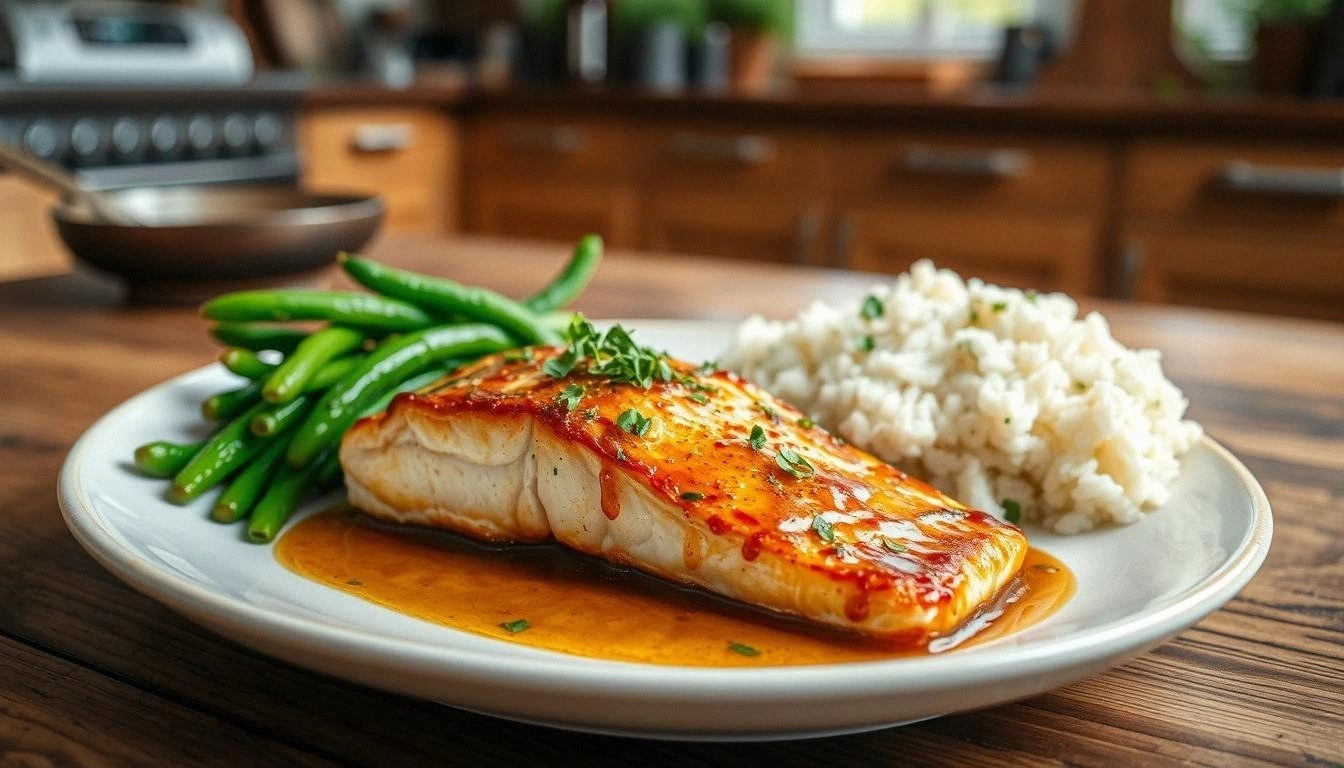
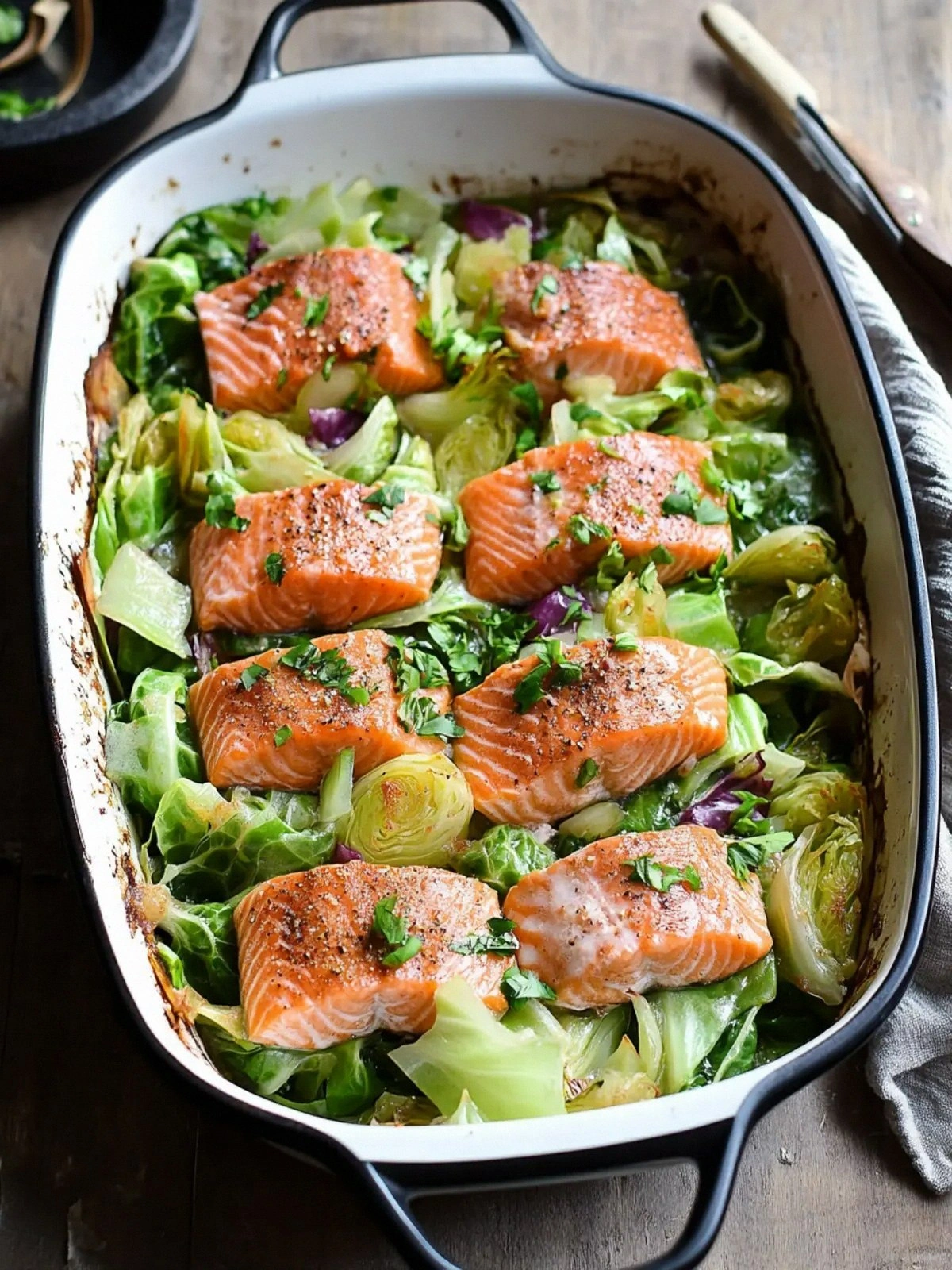
- Visual Appeal: The salmon’s golden skin, the vibrant green of the cabbage, and the glistening lime glaze create a plate that looks as good as it tastes. The contrast of colors makes it Instagram-ready without the need for fancy plating.
- Health: Packed with omega‑3 fatty acids, fiber, and vitamin C, this bake is a balanced, wholesome meal. The olive oil adds heart‑healthy fats, while the cabbage supplies antioxidants and fiber.
- Make‑Ahead Potential: Prepare the bake, let it cool, then refrigerate or freeze. It reheats beautifully, and the flavors only deepen.
- Versatility: Swap salmon for cod or trout, or add a splash of white wine for a richer sauce. The recipe scales up or down with no loss of flavor.
Alright, let's break down exactly what goes into this masterpiece...
Inside the Ingredient List
The Flavor Base
The 2 tablespoons of olive oil are the canvas that carries the flavors of the lime and dill. Olive oil’s mild, fruity profile enhances the salmon’s natural taste without overpowering it. If you’re looking for a slightly smokier note, swap in a tablespoon of extra‑virgin olive oil and a teaspoon of smoked paprika.
The 2 tablespoons of dill add a fresh, almost minty aroma that lifts the dish. Dill’s bright green color also gives a pop of visual interest. If dill is out of season, fennel fronds or a sprinkle of fresh parsley can serve as a decent substitute.
The 2 tablespoons of butter, melted and brushed over the salmon, create a glossy sheen and a buttery richness that contrasts nicely with the lightness of the cabbage. Butter also helps the salmon retain moisture during baking. For a dairy‑free version, use a tablespoon of coconut oil or a vegan butter alternative.
The Texture Crew
The 1 head of pointed or savoy cabbage is the star of the texture game. When sliced into bite‑sized wedges and roasted, it develops a gentle caramelization that adds depth. Choosing a fresh, firm cabbage ensures it holds its shape and doesn’t turn into mush.
The 4 pieces of salmon, whether fillets or steaks, provide the protein backbone. Salmon’s high omega‑3 content makes this dish both delicious and nutritious. If you prefer a leaner option, substitute with cod or halibut, but adjust cooking time to avoid drying out.
The Unexpected Star
The zest of 1 whole lime delivers a burst of citrus oils that coat the salmon and cabbage, creating a bright, almost tropical flavor profile. Lime zest is more potent than juice, so it’s the perfect way to intensify the citrus note without adding too much acidity. If you’re out of limes, a squeeze of fresh lemon zest works as a close alternative.
The juice of half a whole lime adds a subtle tartness that balances the buttery elements. It also helps keep the salmon moist during baking. A tablespoon of white wine can replace the lime juice for a more subdued acidity, but the lime’s brightness is essential for the signature flavor.
The Final Flourish
Seasoning with sea salt and black pepper to taste is the finishing touch that brings everything together. Salt amplifies the flavors, while pepper adds a gentle heat that lingers on the tongue. Be generous with the salt, but remember that the lime and olive oil already contribute some saltiness, so adjust accordingly.
Everything's prepped? Good. Let's get into the real action...
The Method — Step by Step
- Preheat your oven to 400°F (200°C). Line a baking sheet with parchment paper or lightly grease it with a bit of olive oil to prevent sticking. This step ensures a crisp finish on the salmon skin and a clean separation from the pan. If you’re in a hurry, a quick 5‑minute preheat is enough.
- While the oven warms, wash the cabbage and cut it into 1‑inch wedges. The larger wedges will hold their shape during baking and provide a satisfying bite. Pat the salmon fillets dry with paper towels; moisture on the surface will prevent proper browning.
- Season the salmon generously with sea salt, black pepper, and a pinch of dill. The seasoning should coat every surface of the fish. Let the fish rest for about 5 minutes; this allows the flavors to penetrate and the salt to draw out excess moisture.
- In a small bowl, whisk together the olive oil, melted butter, lime zest, and lime juice. This glossy mixture will coat the salmon and cabbage, creating a caramelized glaze. If you’re short on time, use a spray bottle to lightly mist the ingredients over the fish.
- Place the salmon fillets on the prepared baking sheet, skin side down. Drizzle or brush the oil‑butter mixture over the top of each fillet. The fat will help the salmon stay moist and develop a golden crust.
- Arrange the cabbage wedges around the salmon, spacing them evenly. Lightly drizzle the remaining oil‑butter mixture over the cabbage. This ensures every piece of cabbage gets a touch of citrusy glaze.
- Bake for 20‑25 minutes, until the salmon flakes easily with a fork and the cabbage edges are caramelized. The salmon should be opaque and tender, while the cabbage should be tender yet still hold a slight crunch. Keep an eye on the salmon; over‑baking will dry it out.
- Remove the sheet from the oven and let the dish rest for 5 minutes. This resting period allows the juices to redistribute, keeping the salmon moist. During this time, the flavors meld, and the glaze thickens slightly.
- Serve immediately, spooning any pan juices over the salmon and cabbage. Garnish with extra dill or a wedge of lime for an extra burst of freshness. Pair with a light salad or steamed rice to balance the richness.
That's it — you did it. But hold on, I've got a few more tricks that'll take this to another level...
Insider Tricks for Flawless Results
The Temperature Rule Nobody Follows
Many cooks bake salmon at 425°F, but that can dry out the fillets. Baking at 400°F gives a more even cook, keeping the interior buttery while the exterior crisps. If you prefer a crispier top, finish with a quick broil for the last 2 minutes, watching closely to avoid burning.
Why Your Nose Knows Best
Before you even lift the lid, pause to inhale the aroma. A fragrant, citrus‑laden scent signals that the flavors are developing correctly. If the smell is bland, let it bake a bit longer; if it’s too sharp, reduce the lime or add a splash of olive oil.
The 5‑Minute Rest That Changes Everything
Resting the salmon after baking is the secret to a juicy bite. The residual heat continues to cook the fish gently, while the juices redistribute. Skipping this step often leaves the salmon a bit dry.
The Butter‑Olive Oil Blend Hack
Using butter alone can burn quickly, while olive oil alone may not provide enough richness. Combining the two gives the best of both worlds: butter’s flavor and olive oil’s higher smoke point. If you’re vegan, use a plant‑based butter substitute and a neutral oil like grapeseed.
The Lime Zest Trick
Grate the lime zest over the salmon just before baking; this releases essential oils that coat the surface. The zest’s bright oils create a glaze that caramelizes beautifully. Store the zest in a sealed container; it stays fresh for up to a week.
The Final Butter Brush
Just before serving, brush the salmon with a little melted butter. This adds shine and a buttery finish that elevates the dish from good to unforgettable. If you’re short on butter, a drizzle of extra‑virgin olive oil works as a lighter alternative.
Creative Twists and Variations
This recipe is a playground. Here are some of my favorite ways to switch things up:
Asian‑Inspired Glaze
Swap the lime juice for a splash of rice vinegar and add a teaspoon of soy sauce. Toss the cabbage with a drizzle of sesame oil and finish with toasted sesame seeds. This gives the dish a sweet, umami‑rich profile that pairs wonderfully with jasmine rice.
Mediterranean Touch
Add a handful of sun‑dried tomatoes to the cabbage and drizzle with a little olive oil infused with oregano. Replace the lime with a squeeze of lemon and sprinkle chopped fresh parsley on top. The result is a bright, herbaceous twist.
Spicy Cajun Variation
Season the salmon with a Cajun spice blend before baking. Mix a pinch of cayenne pepper into the oil‑butter glaze for a subtle heat. The spicy kick complements the buttery salmon and adds depth to the dish.
Pesto‑Infused Cabbage
Stir in a couple of spoonfuls of basil pesto with the cabbage before baking. The pesto adds a creamy, herbal layer that pairs beautifully with the salmon’s mild flavor. Garnish with pine nuts for a crunchy finish.
Smoky Chipotle Twist
Blend a tablespoon of chipotle in adobo sauce with the lime zest and oil. Brush the salmon with this smoky glaze and sprinkle chopped cilantro before serving. The chipotle’s heat balances the citrusy brightness.
Storing and Bringing It Back to Life
Fridge Storage
Cool the bake completely, then store it in an airtight container in the refrigerator for up to 3 days. The flavors intensify, and the cabbage remains crisp. When ready to eat, reheat in a preheated oven at 350°F for 10 minutes.
Freezer Friendly
Wrap the baked salmon and cabbage tightly in foil or freezer bags, removing as much air as possible. Freeze for up to 2 months. Thaw overnight in the refrigerator before reheating. The texture stays firm, and the citrus notes remain vibrant.
Best Reheating Method
Reheat the dish in a skillet with a splash of water or broth to prevent it from drying out. The water steams the cabbage and keeps the salmon moist. Finish with a quick drizzle of olive oil and a squeeze of fresh lime for an extra burst of flavor.