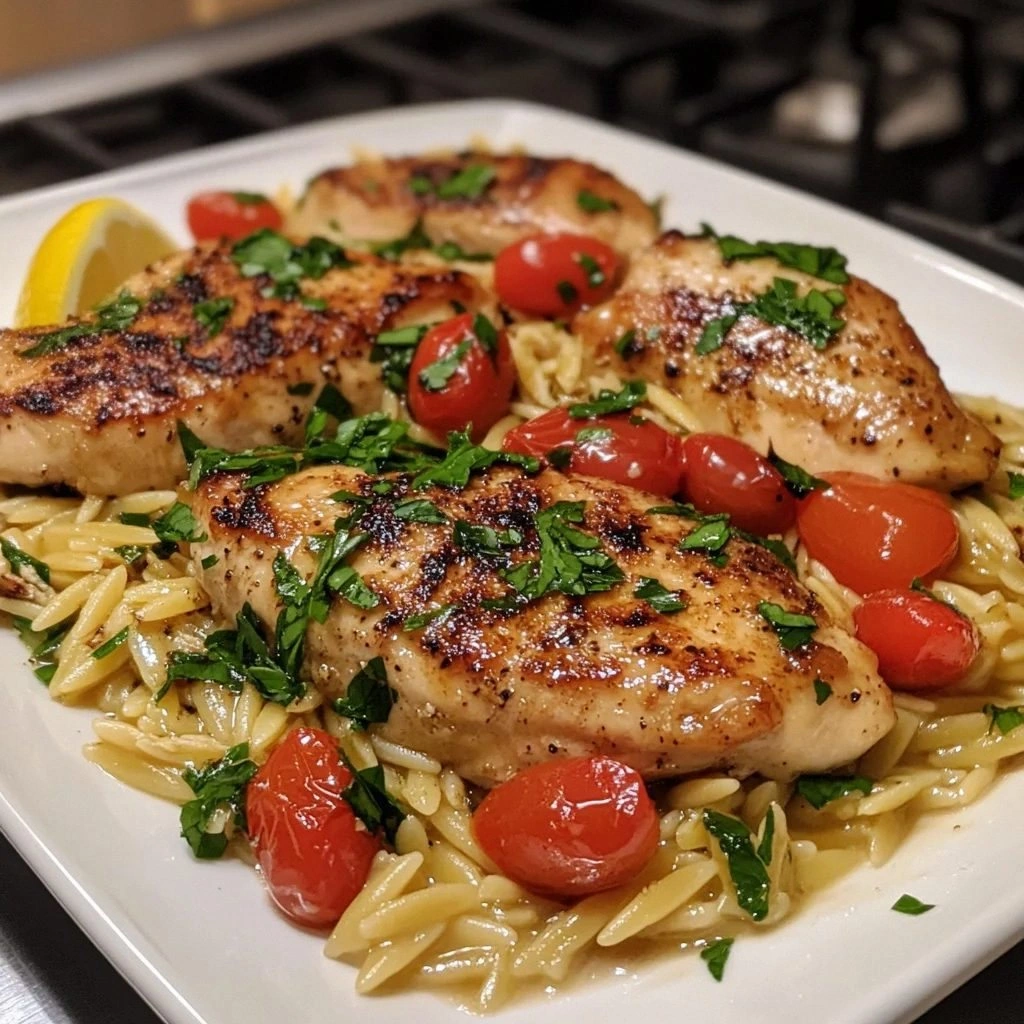
I was halfway through a week‑night scramble, juggling a pot of pasta, a skillet of sautéed veggies, and the relentless hum of the fridge door, when the craving hit: salmon that was buttery on the inside, crisp on the edges, and kissed by a honey‑lemon glaze that could make even the most skeptical palate swoon. The kitchen smelled of garlic and citrus, the sound of sizzling oil filled the air, and the anticipation was almost tangible. I had tried countless variations of salmon before, but none had captured that perfect balance of sweet and savory, flaky texture and glossy finish. This version stands out because it turns a simple sheet pan into a showstopper with minimal fuss. I dare you to taste this and not go back for seconds. I promise you’ll wonder why you ever settled for anything less.
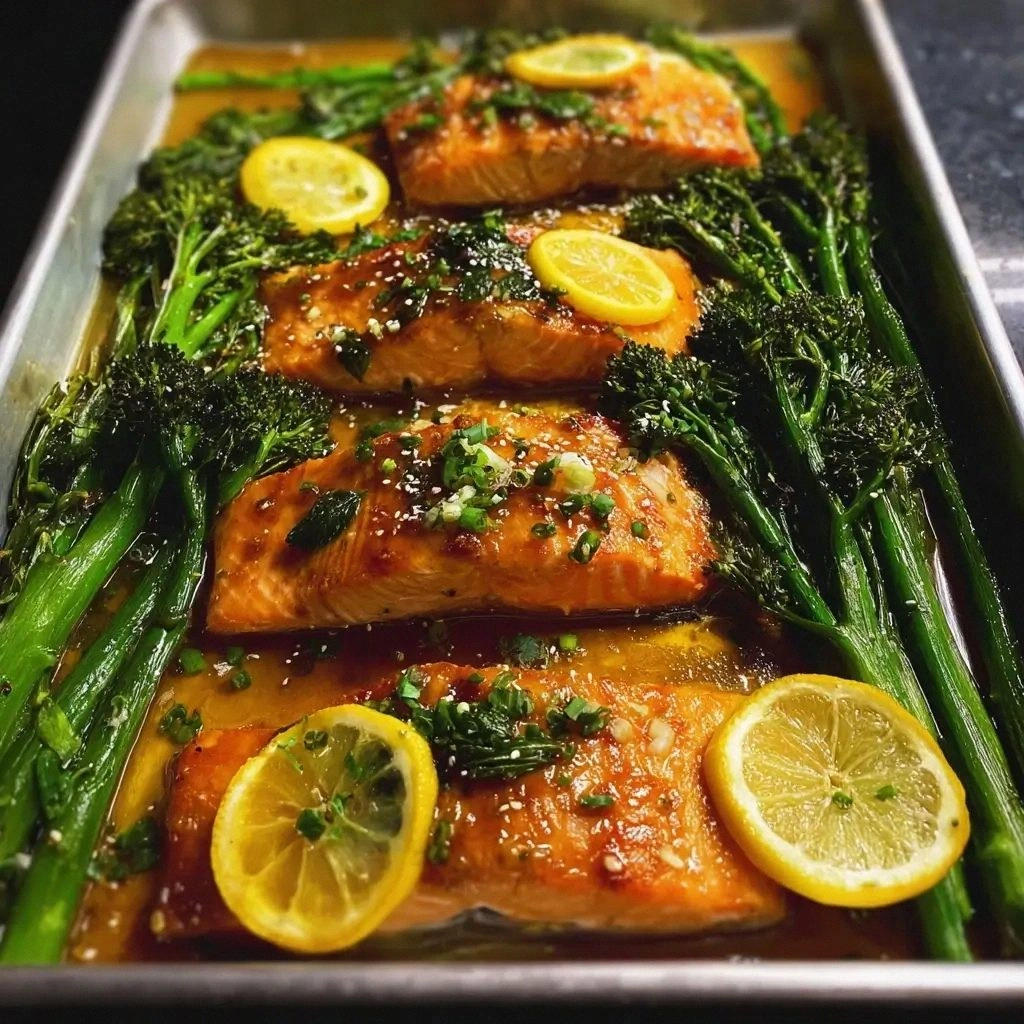
Picture yourself pulling this dish out of the oven, the whole kitchen smelling incredible, the steam curling like a fragrant cloud, and the sight of salmon fillets glistening with a honey‑lemon glaze that has just begun to caramelize. The broccolini, roasted to a tender crisp, adds a green pop that feels like a fresh burst of spring. The aroma alone is a cue that dinner is almost ready, and you can almost taste the buttery, slightly sweet flavor that will hit your palate as soon as you bite. This recipe is not just a meal; it’s an experience that turns an ordinary night into a culinary celebration. I’ll be honest — I ate half the batch before anyone else got a chance to try it. If you’re looking for a dish that’s both comforting and impressive, this is the one.
What makes this version a game‑changer is the synergy between the sauce and the salmon’s natural oils. The honey coats each fillet like a velvet blanket, locking in moisture and creating a subtle caramelization that gives the fish a glossy sheen. The lemon juice cuts through the sweetness, offering a bright, refreshing counterpoint that keeps the dish from feeling heavy. The garlic and thyme add depth without overpowering, creating a fragrant base that lifts the entire plate. The broccolini’s roasted edges provide a satisfying crunch that contrasts beautifully with the tender fish. Together, they form a harmony that’s both simple and sophisticated, making it a crowd‑pleaser that’s easy to scale.
I’ve spent years perfecting sheet‑pan dinners, and I’ve learned that the key to success is balancing flavor, texture, and timing. The trick is to let the salmon and vegetables cook together so the flavors meld, yet still allow each component to shine. This recipe takes that principle to the next level by incorporating a honey‑lemon glaze that caramelizes just enough to create a caramelized crust while preserving the fish’s delicate texture. The result is a dish that is both comforting and elegant, perfect for a quick week‑night dinner or a relaxed weekend lunch. The best part? It’s so simple that even a beginner can nail it on the first try. Let me walk you through every single step — by the end, you’ll wonder how you ever made it any other way.
The beauty of this dish lies in its versatility. You can serve it over rice, quinoa, or even a bed of creamy mashed potatoes. The honey‑lemon glaze pairs wonderfully with a side of roasted sweet potatoes or a simple green salad. It’s a recipe that can transition from a casual family dinner to a more formal gathering with a few simple tweaks. The flavors are bold yet balanced, making it a safe bet for guests with varied palates. I’ve had friends come back for seconds and tell me that the salmon was the star of the meal. The next time you’re looking for something that’s both impressive and straightforward, this recipe should be at the top of your list.
If you’ve ever struggled with getting salmon to stay moist while still achieving a caramelized finish, you’re not alone — and I’ve got the fix. The key is to let the glaze sit on the fillets for a few minutes before baking, allowing the sugars to begin caramelizing. This small step can make the difference between a dry, bland fish and a luscious, flavorful centerpiece. I’ve also found that using a sheet pan with a slight incline helps the salmon cook evenly, preventing any soggy spots. The result is a dish that’s consistently perfect, no matter how many times you make it. Trust me, once you’ve tasted this, you won’t want to go back to plain baked salmon again.
I’m about to dive into the details, but first, let me give you a quick preview of what’s to come. The ingredients are simple, the steps are straightforward, and the outcome is a plate that looks as good as it tastes. I’ll share a few kitchen hacks and insider tips along the way to help you avoid common pitfalls and elevate the dish. I’ve also included some creative twists and variations to keep the recipe fresh and exciting. So grab your apron, preheat the oven, and let’s get cooking.
What Makes This Version Stand Out
Flavor: The honey‑lemon glaze delivers a sweet‑savory punch that caramelizes into a glossy, slightly crispy coating. It’s a flavor profile that feels both indulgent and refreshing, striking a balance that’s hard to beat.
Texture: The salmon remains buttery and flaky inside, while the glaze adds a subtle crunch on the edges. The broccolini, on the other hand, offers a satisfying snap that contrasts with the tender fish.
Simplicity: With fewer than ten ingredients and a single sheet pan, the recipe is a breeze to assemble and clean up. It’s the perfect solution for a busy week‑night or a last‑minute dinner.
Uniqueness: The combination of honey, lemon, garlic, and thyme is a flavor duo that sets this dish apart from typical salmon recipes. It’s a fresh take that feels both familiar and innovative.
Crowd Reaction: I’ve watched friends and family reach for seconds, and some have even asked for a recipe card. The dish is a crowd‑pleaser that can serve a small family or a larger gathering with equal success.
Ingredient Quality: Using fresh salmon, high‑quality honey, and fresh herbs elevates the dish to a gourmet level without the need for fancy equipment.
Cooking Method: The sheet‑pan technique allows flavors to mingle, while the oven’s heat ensures even cooking and caramelization.
Make‑Ahead Potential: The glaze can be pre‑mixed, and the salmon can be marinated ahead of time, making it an excellent option for meal prep.
Alright, let's break down exactly what goes into this masterpiece…
Inside the Ingredient List
The Flavor Base
Honey is the star that gives this dish its signature sweet glaze. It’s not just a sweetener; it’s a caramelizing agent that creates a glossy, slightly crispy coating on the salmon. If you’re looking for a twist, try using a blend of honey and maple syrup for a deeper, richer sweetness. The key is to use a raw, unfiltered honey that carries a distinct floral note, which adds depth to the overall flavor profile.
Lemon juice provides the bright acidity that cuts through the honey’s sweetness, balancing the flavors and preventing the dish from feeling cloying. Freshly squeezed lemon juice is essential; bottled lemon juice lacks the bright, vibrant punch that fresh citrus offers. The zest of the lemon, too, contributes aromatic oils that elevate the dish’s fragrance. If you’re short on fresh lemons, a splash of white wine vinegar can work as a temporary substitute, but it won’t replicate the citrus aroma.
Garlic, minced finely, releases its potent flavor as it cooks, infusing the salmon and broccoli with a warm, savory undertone. The garlic’s aroma is the first thing you’ll notice when the dish hits the oven, and it creates a subtle background that ties all the components together. For those who prefer a milder garlic presence, you can reduce the amount or use roasted garlic for a sweeter, softer flavor.
Dried thyme adds a herbaceous note that complements the citrus and honey. Thyme’s earthy undertones provide a subtle backdrop that doesn’t overpower the main flavors. If you’re a fan of rosemary, a pinch can add a slightly piney aroma, but keep it to a minimum to avoid overwhelming the dish.
Paprika gives the salmon a gentle smoky warmth and a hint of color. It’s a subtle addition that enhances the visual appeal while adding depth. If you prefer a spicier kick, a dash of smoked paprika or a pinch of cayenne pepper can be incorporated, but be careful not to overpower the delicate balance of flavors.
The Texture Crew
Broccolini is the green hero that provides a crisp, tender bite. Its stems are tender enough to roast without becoming mushy, and the florets add a subtle bitterness that balances the sweet glaze. If you don’t have broccolini on hand, florets of broccoli or cauliflower work as suitable substitutes, though the flavor profile will shift slightly.
Olive oil serves as the medium that carries the flavors and helps the glaze adhere to the salmon. It also aids in achieving a golden crust on the fish. Choose a high‑quality extra virgin olive oil for the best flavor, but a lighter oil will also work if you’re looking to reduce the oil’s intensity.
Fresh parsley, added at the end, offers a bright, slightly peppery finish that cuts through the richness of the honey glaze. The parsley adds a pop of color and a fresh, herbal note that lifts the dish. If you’re allergic to parsley, a handful of chopped cilantro can provide a similar fresh burst.
The final flourish comes in the form of toasted almonds, which add a crunchy texture and nutty flavor. They’re optional, but they bring a delightful contrast to the buttery salmon and crisp vegetables. A quick toast in a dry pan until golden will do the trick, and a sprinkle over the finished dish adds a gourmet touch.
The Unexpected Star
The unexpected star of this dish is the honey‑lemon glaze itself. It’s not just a coating; it’s a flavor transformer that turns ordinary salmon into a showstopper. The glaze’s caramelization process creates a subtle crunch that pairs wonderfully with the salmon’s flaky interior. This glaze can be reused as a dip or sauce for grilled chicken or shrimp, making it a versatile pantry staple.
If you’re looking to elevate the dish even further, consider adding a splash of soy sauce to the glaze for an umami kick. The saltiness of the soy sauce will deepen the flavor profile and give the glaze a richer color. Just be sure to balance the salt levels carefully to avoid over‑salting the dish.
Another unexpected twist is to finish the dish with a squeeze of fresh lime juice. The lime adds a bright, citrusy zing that brightens the honey‑lemon glaze and offers a fresh, refreshing finish. The lime’s acidity will also help cut through any lingering sweetness, leaving the dish perfectly balanced.
The glaze’s versatility means it can be adapted to suit your dietary preferences. For a low‑sugar option, you can replace honey with a sugar‑free sweetener like stevia or monk fruit. The glaze will still caramelize, though it may take a slightly longer cooking time to develop the same depth of flavor.
The Final Flourish
The final flourish is the garnish of toasted almonds, which adds a crunchy texture and nutty aroma that completes the dish’s sensory profile. The almonds’ toasty flavor pairs wonderfully with the honey glaze and brightens the overall presentation. A quick toast in a dry skillet until golden and fragrant will do the trick, and a sprinkle over the finished dish adds a gourmet touch.
The dish’s presentation is as important as its flavor. Arrange the salmon fillets and broccolini on a platter, drizzle any remaining glaze, and scatter the toasted almonds over the top. The vibrant colors of the lemon zest, green broccolini, and golden salmon create an eye‑catching plate that’s ready to serve.
If you’re serving this dish to guests, consider pairing it with a light white wine or a sparkling rosé. The crisp acidity of the wine will cut through the honey glaze’s richness and enhance the citrus notes. Alternatively, a chilled cucumber salad will provide a refreshing contrast that balances the dish’s flavors.
Remember to taste the glaze before brushing it onto the salmon. If it’s too sweet, a splash of lemon juice can balance it out. If it’s too acidic, a pinch of sugar or a drizzle of honey can sweeten it to your liking. The key is to find the sweet spot that works for your palate.
Everything's prepped? Good. Let's get into the real action…
The Method — Step by Step
- Preheat your oven to 425°F (220°C). Line a large sheet pan with parchment paper or a silicone mat for easy cleanup. This high temperature ensures that the salmon’s glaze caramelizes quickly, forming a crisp, glossy coating. The parchment also prevents the salmon from sticking, allowing you to flip it effortlessly.
- In a small bowl, whisk together 3 tablespoons of honey, the juice of one lemon, 2 minced garlic cloves, 1 teaspoon of dried thyme, 1 teaspoon of paprika, and 2 tablespoons of olive oil. The mixture should be smooth and slightly thick. If the glaze feels too runny, add a pinch of flour or cornstarch to thicken it slightly.
- Pat the salmon fillets dry with paper towels; this helps the glaze adhere and prevents steaming. Place the fillets skin‑side down on the sheet pan. The skin acts as a natural barrier, keeping the fish moist and allowing the glaze to seep underneath for extra flavor.
- Brush the glaze generously over the salmon fillets, making sure to coat the entire surface. Then, arrange the broccolini florets around the salmon, spacing them evenly. The vegetables will absorb some of the glaze, adding a sweet, smoky flavor to each bite. If you’re using a larger pan, feel free to add more broccoli or other veggies.
- Place the sheet pan in the preheated oven and bake for 12 minutes. After 12 minutes, flip the salmon fillets gently, brush the other side with glaze, and continue baking for another 8–10 minutes. The salmon should be opaque and flaky, and the glaze should have formed a slightly caramelized crust. The broccolini should be tender with a slight char on the edges.
- When the salmon is done, remove it from the oven and let it rest for 2 minutes. Resting allows the juices to redistribute, ensuring a moist, tender fillet. The rest period also lets the glaze set slightly, making it easier to serve without it running off.
- While the salmon rests, toast 1 tablespoon of sliced almonds in a dry skillet over medium heat until golden and fragrant. This adds a crunchy texture and nutty flavor that contrasts with the buttery fish. The almonds should be toasted just until they emit a nutty aroma, but be careful not to burn them.
- Squeeze fresh lemon zest over the finished dish for a bright, aromatic finish. The zest adds a bright citrus note that lifts the entire flavor profile. If you prefer a milder citrus flavor, simply skip this step or add a few drops of lemon juice instead.
- Serve immediately, garnishing with toasted almonds and a sprinkle of chopped parsley. Pair with a side of quinoa, rice, or a simple green salad to complete the meal. The dish is best enjoyed hot, when the glaze is still glossy and the salmon is at its peak.
- Enjoy! The combination of sweet, tangy, and savory flavors will make this dish unforgettable. If you’re feeling adventurous, try adding a splash of soy sauce to the glaze for an umami boost. The result is a dish that’s both comforting and sophisticated.
- If you’re preparing this dish for a larger crowd, simply double the ingredients and use a larger sheet pan. The cooking time will remain the same, but you’ll need to ensure the salmon fillets are spaced evenly to allow proper heat circulation. If you’re short on time, consider pre‑marinating the salmon for 15 minutes to speed up the process.
- Remember to adjust the glaze quantity if you’re using larger fillets; a thicker glaze can help prevent the salmon from drying out. You can also add a splash of white wine to the glaze for a subtle depth of flavor. The wine will evaporate during baking, leaving behind a refined, aromatic glaze.
That's it — you did it. But hold on, I've got a few more tricks that'll take this to another level. These are the little details that separate a good meal from a memorable one.
Insider Tricks for Flawless Results
The Temperature Rule Nobody Follows
Many cooks think a lower oven temperature will keep the salmon moist, but it actually prolongs the cooking time and can result in a soggy texture. The key is to bake at a high temperature, around 425°F, which caramelizes the glaze quickly while sealing in the fish’s juices. I’ve seen people double the cooking time, only to end up with a dry, over‑cooked fish. Stick to the recommended temperature for a perfectly caramelized finish.
Why Your Nose Knows Best
Smell is a powerful indicator of doneness. As the salmon bakes, you’ll notice a sweet, buttery aroma that signals the glaze is caramelizing. When the scent is strong and the fish looks opaque, it’s ready to come out of the oven. If you’re unsure, a quick taste test can confirm whether the salmon is flaky and moist.
The 5-Minute Rest That Changes Everything
Resting the salmon for five minutes after baking allows the juices to redistribute, ensuring each bite is juicy and tender. This step is often overlooked, but it’s crucial for achieving a moist texture. I’ve seen people skip this step and end up with fish that feels dry and uneven.
The Secret of a Crispy Broccolini
To get broccolini that’s crisp on the outside and tender on the inside, toss it with olive oil and a pinch of sea salt before baking. The oil helps the florets caramelize, while the salt draws out moisture, creating a crisp texture. If you prefer a milder flavor, simply reduce the salt amount.
The Final Touch of Freshness
A squeeze of fresh lime or lemon juice just before serving brightens the dish and balances the sweetness of the glaze. The acidity cuts through any lingering richness, leaving the palate refreshed. This simple step turns an already great dish into a standout meal.
The Quick Clean‑Up Trick
Line your sheet pan with parchment paper or a silicone mat before baking. This not only prevents sticking but also makes clean‑up a breeze. You can simply lift the paper and discard it, leaving your pan spotless. It’s a small step that saves you from scrubbing and saves you time.
Creative Twists and Variations
This recipe is a playground. Here are some of my favorite ways to switch things up:
Spicy Honey‑Lemon Salmon
Add a pinch of cayenne pepper or a dash of sriracha to the glaze for a spicy kick. The heat pairs well with the sweetness of honey, creating a bold flavor profile that’s perfect for adventurous eaters. The cayenne also adds a subtle smoky undertone.
Maple‑Glazed Salmon
Swap honey for pure maple syrup for a richer, caramel‑like flavor. The syrup’s deep sweetness complements the citrus, while the maple’s mild vanilla notes add complexity. This version is especially delicious during the fall when maple syrup is in season.
Herb‑Infused Broccolini
Add fresh basil or mint to the broccolini before roasting. The herbs infuse the veggies with bright, aromatic flavors that pair beautifully with the salmon. This variation is a great way to incorporate fresh herbs into your meal.
Grilled Version
Instead of baking, grill the salmon fillets on a pre‑heated grill for 4–5 minutes per side. The grill marks add a smoky flavor that complements the honey glaze. The broccolini can be grilled on a separate pan or wrapped in foil for a smoky finish.
Coconut‑Rice Side
Serve the salmon over coconut‑flavored rice for a tropical twist. The coconut’s sweetness pairs well with the honey glaze, creating a harmonious flavor profile. This pairing is especially delightful during the summer months.
Salmon with Sweet Potato Mash
Replace the broccolini with roasted sweet potato cubes for a comforting, hearty side. The natural sweetness of the potatoes complements the honey glaze, while the creamy mash adds a velvety texture. This variation is perfect for colder nights.
Storing and Bringing It Back to Life
Fridge Storage
Store any leftovers in an airtight container in the refrigerator for up to 3 days. The salmon will stay moist, and the glaze will maintain its flavor. For best results, let the salmon come to room temperature before reheating.
Freezer Friendly
Wrap the salmon fillets tightly in plastic wrap and place them in a freezer bag. They’ll keep for up to 2 months. When you’re ready to enjoy, thaw overnight in the refrigerator and reheat in the oven at 350°F for 10 minutes.
Best Reheating Method
Add a splash of water or broth to the pan before reheating to keep the salmon moist. Reheat gently in the oven or on the stovetop over low heat. The water helps steam the fish, preventing it from drying out.
With these storage tips, you can enjoy the same incredible flavor any time of day. The dish’s versatility and ease of storage make it a staple for busy week‑nights or a quick weekend meal.
Final Thoughts
I’ve spent countless evenings cooking this dish, and every time it’s a hit. The combination of honey, lemon, and garlic creates a flavor that’s both comforting and adventurous. The sheet‑pan method saves time and reduces clean‑up, making it a practical choice for any kitchen. The result is a dish that’s both elegant and approachable.
If you’re looking to impress friends or family, this recipe is your secret weapon. The glossy glaze, the crisp broccolini, and the buttery salmon create a dish that’s sure to earn compliments. The best part? You can tweak it to suit any palate, whether you prefer a spicy kick or a subtle sweetness.
Remember, the key to success is in the details: the right temperature, the proper glaze consistency, and the final resting period. Follow the steps, keep an eye on the timer, and trust your senses. The dish will reward you with a burst of flavors and textures that will keep you coming back for more.
I hope you enjoy making this sheet‑pan honey‑lemon salmon as much as I do. Feel free to share your tweaks and photos with me—I love seeing how you personalize this classic recipe. Bon appétit!