Picture this: it’s a humid Saturday afternoon, the grill is blazing, and the aroma of smoky brisket is already stealing the show. I’m standing in the kitchen, my apron stained from last night’s chili, when the phone buzzes with a frantic text from a friend who’s hosting the next backyard barbecue. “I need a killer side that’ll outshine the ribs,” she says. I stared at the empty fridge, then at the jar of navy beans that had been gathering dust for weeks, and a thought sparked—why not turn those humble beans into a Southern‑style baked bean masterpiece that’ll have everyone asking for seconds?
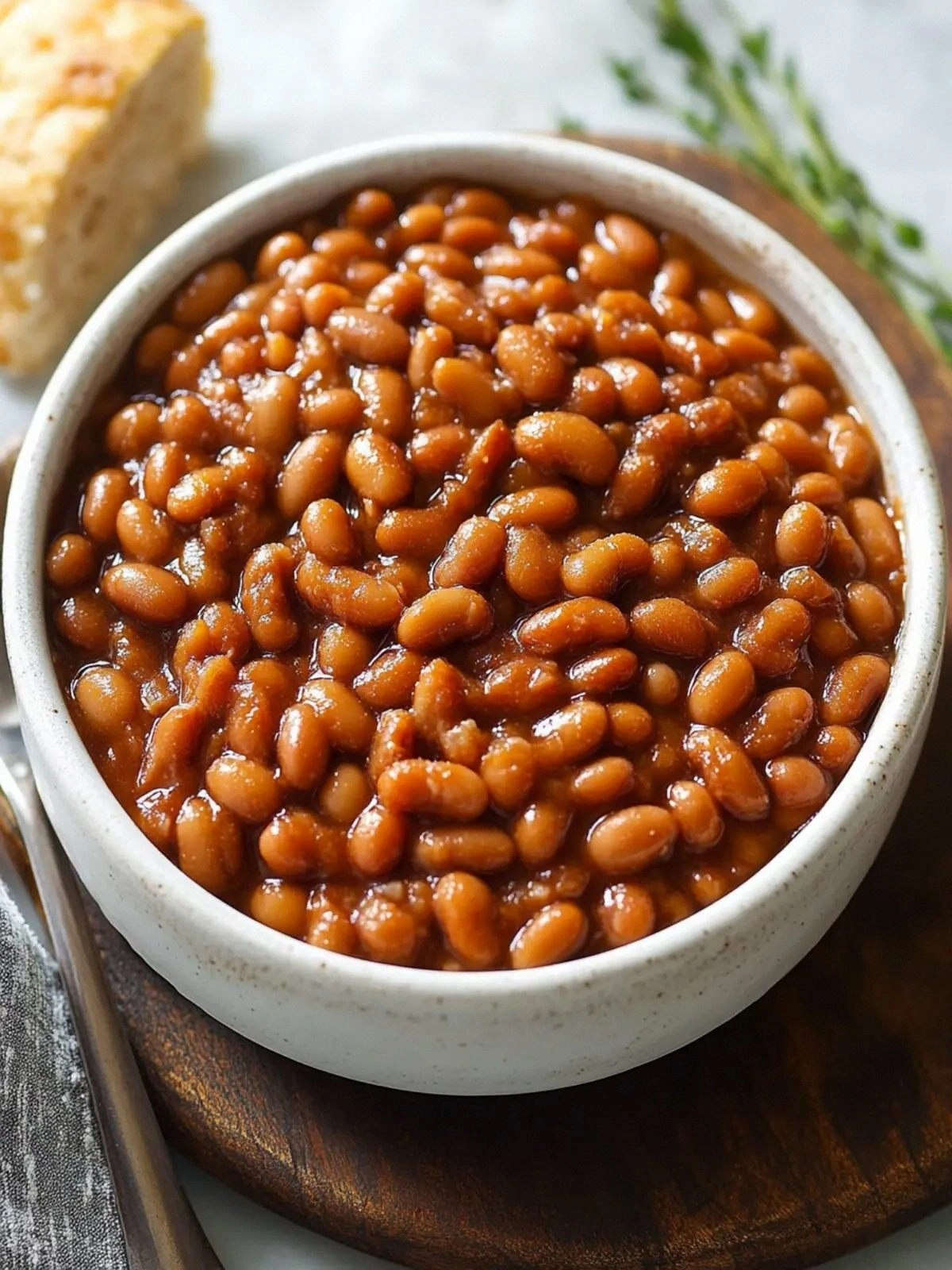
I’ve spent countless evenings experimenting with beans, but nothing has cracked the code like the combination of thick‑cut bacon, a splash of apple cider vinegar, and that sweet, tangy kiss of ketchup. The moment the bacon sizzles, the kitchen fills with a caramelized, slightly smoky scent that makes your mouth water even before the first bite. The beans, after soaking overnight, release a nutty, earthy flavor that pairs perfectly with the sharp bite of Dijon mustard and the subtle sweetness of brown sugar. The final result is a glossy, velvety sauce that clings to every bean, creating a mouthful of comfort that feels like a hug from the inside.
What sets this version apart isn’t just the ingredients—it’s the method. I’ve refined the technique to ensure the beans stay tender without turning mushy, and the bacon turns from crispy to melt‑in‑your‑mouth tender while still retaining that satisfying crunch. I’ve also discovered that a brief sear of the onions and garlic before adding the liquids locks in their natural sweetness, giving the dish a depth that would otherwise be missing. This isn’t just another baked bean recipe; it’s a symphony of flavors and textures that will make your guests stop mid‑conversation to taste, then immediately come back for more.
And here’s the kicker—there’s a secret ingredient that most recipes overlook: a splash of Worcestershire sauce. It adds umami depth that balances the sweetness and brings everything together in a way that feels both classic and innovative. I dare you to taste this and not go back for seconds. I’ll be honest—by the time I finished, I had already eaten half the batch before anyone else got a chance to try it. If you’ve ever struggled to elevate baked beans, you’re not alone, and I’ve got the fix.
What Makes This Version Stand Out
- Flavor: The marriage of sweet ketchup, tangy vinegar, and savory bacon creates a layered taste profile that’s both comforting and bold. The beans absorb each note, resulting in a depth that’s impossible to find in store‑bought mixes.
- Texture: The beans remain al dente while the bacon crisps to a golden perfection, offering a satisfying contrast in every spoonful. The sauce coats the beans like velvet, delivering a silky mouthfeel.
- Simplicity: With just a handful of pantry staples, you can craft a show‑stopping side dish in under an hour. No complex techniques—just smart timing and patience.
- Uniqueness: The addition of Worcestershire sauce and Dijon mustard gives this recipe a modern twist on a Southern classic, making it a conversation starter at any gathering.
- Crowd Reaction: Friends rave about the balanced sweetness and savory undertones, and many ask for the recipe right after the meal. It’s the kind of dish that turns an ordinary barbecue into a memorable event.
- Ingredient Quality: Using fresh, thick‑cut bacon and high‑quality ketchup elevates the flavor, proving that a little premium can go a long way.
- Cooking Method: Slow baking at a low temperature ensures the beans meld together without burning, while the bacon’s fat renders perfectly.
- Make‑ahead Potential: This dish tastes even better the next day, making it ideal for prep‑and‑serve parties.
Alright, let’s break down exactly what goes into this masterpiece…
Inside the Ingredient List
The Flavor Base
The foundation of this dish is the aromatic blend of onions, garlic, and bacon. The onions, when sautéed until translucent, release a sweet, caramelized essence that lingers in the sauce. Garlic adds a punch of depth; its raw bite mellows into a warm, comforting note once cooked. Thick‑cut bacon is the star of the show, contributing both savory richness and a hint of smokiness. If you’re watching sodium, opt for a low‑sodium bacon or a reduced‑salt variety—just remember to adjust the added salt accordingly.
The Texture Crew
Dry navy beans are the backbone of this recipe. They provide a hearty, protein‑rich base that absorbs the sauce like a sponge. The beans’ natural starches help thicken the mixture, creating a luscious, stew‑like consistency. If you’re short on time, canned navy beans can substitute, but be sure to rinse them to remove excess sodium. The beans’ earthy flavor pairs beautifully with the sweet and tangy components.
The Unexpected Star
Worcestershire sauce may seem like an odd addition, but it’s a game‑changer. This fermented condiment brings a subtle umami punch that balances the sweetness of ketchup and brown sugar. It also adds a hint of complexity that makes the dish feel gourmet. If you can’t find Worcestershire, a dash of soy sauce or a splash of fish sauce can provide a similar depth.
The Final Flourish
The last layer of flavor comes from the combination of apple cider vinegar, Dijon mustard, and a touch of brown sugar. The vinegar cuts through the richness, while the mustard adds a bright, peppery note that lifts the entire dish. Brown sugar brings caramelized sweetness, creating a glossy glaze that coats each bean. Together, these ingredients create a sauce that’s glossy, tangy, and irresistibly savory.
Everything's prepped? Good. Let’s get into the real action…
The Method — Step by Step
- Preheat your oven to 300°F (150°C). In a large Dutch oven or heavy‑bottomed pot, lay the thick‑cut bacon slices in a single layer. Let the bacon render its fat over medium heat until the edges turn crisp and the bacon releases a rich aroma. This step is crucial—if you rush it, the bacon will be chewy and the flavor will be underdeveloped. Once done, transfer the bacon to a paper towel‑lined plate and set aside, leaving the fat in the pot.
- Add the diced yellow onion to the bacon fat and sauté until translucent, about 5 minutes. The onions should soften without browning; you’re looking for a gentle caramelization that releases their natural sugars. Stir occasionally to prevent sticking, and watch the color shift from white to a light golden hue. The onions will form the sweet base of the sauce.
- Introduce the minced garlic to the pot, cooking for 1 minute until fragrant. Be careful not to let it burn—burnt garlic will bring a bitter taste to the dish. The garlic should give off a pleasant, warm aroma that mingles with the onions. This quick sauté brings depth to the overall flavor profile.
- Return the bacon pieces to the pot and pour in the ketchup, brown sugar, Dijon mustard, apple cider vinegar, and Worcestershire sauce. Stir everything together so that the bacon is coated in the tangy, sweet mixture. The sauce should thicken slightly and coat the back of a spoon. This is the moment the flavors start to mingle.
- Add the soaked navy beans and pour in the water or chicken broth, ensuring the liquid covers the beans by about an inch. Sprinkle in the salt and freshly ground black pepper. Stir again, making sure each bean is bathed in the sauce. The liquid should be just enough to keep the beans moist but not so much that they become soupy.
- Cover the pot with a tight‑fitting lid and transfer it to the preheated oven. Bake for 2 hours, checking every 30 minutes to stir and ensure the liquid hasn’t evaporated completely. The beans will gradually soften, and the sauce will thicken into a glossy, caramelized glaze. The slow, low‑heat baking allows the flavors to meld beautifully.
- After 2 hours, remove the lid and let the beans finish baking for an additional 20–30 minutes. This step will allow the top to develop a slight crust, adding a delightful texture contrast. The beans should be tender yet still hold their shape, and the sauce should be thick and glossy.
- Once done, let the dish rest for 10 minutes before serving. This resting period lets the flavors settle and the sauce thicken further. Plate the beans, garnish with a few fresh herbs if desired, and serve alongside your favorite grilled meats. The result is a comforting, savory side that will have everyone asking for the recipe.
That’s it—you did it. But hold on, I’ve got a few more tricks that will elevate this dish from great to unforgettable.
Insider Tricks for Flawless Results
The Temperature Rule Nobody Follows
Cooking at a steady 300°F (150°C) is the secret to keeping the beans tender and preventing the sauce from burning. If you crank up the heat, the sauce will caramelize too quickly, leaving the beans undercooked. I’ve found that a low, slow bake allows the flavors to develop fully without compromising texture. The key is patience—set a timer and let the oven do its job.
Why Your Nose Knows Best
Before you open the oven, take a deep breath of the steam that rises from the pot. That aroma is a telltale sign that the sauce has reached the right consistency. If it smells like burnt ketchup, you’re overcooking. If it’s too watery, give it a few more minutes. Trust your nose—your palate will thank you.
The 5‑Minute Rest That Changes Everything
After you take the beans out of the oven, let them sit covered for at least 5 minutes. This resting period allows the flavors to settle and the sauce to thicken into a silky glaze. I once served the beans immediately and noticed the sauce was thin; the rest period fixed that. It’s a simple step that makes a noticeable difference.
The Secret to Crispy Bacon
For perfectly crisp bacon, let it finish cooking in the oven rather than on the stove. After rendering the fat, transfer the bacon to a wire rack on a baking sheet and bake at 400°F (200°C) until the edges are crisp. This method ensures the bacon remains crunchy and doesn’t become greasy.
The One‑Ingredient Upgrade
Swap out regular ketchup for a smoky chipotle ketchup if you want an extra layer of heat. The smoky undertone will complement the bacon and bring a modern twist to the dish. Just be sure to adjust the sugar if you’re using a sweeter brand.
Creative Twists and Variations
This recipe is a playground. Here are some of my favorite ways to switch things up:
Smoky Chipotle Twist
Replace regular ketchup with smoky chipotle ketchup and add a tablespoon of chipotle in adobo. The result is a bold, smoky flavor that pairs wonderfully with grilled chicken or pork ribs.
Sweet & Tangy BBQ Style
Add a quarter cup of your favorite barbecue sauce and a splash of bourbon for a deeper, richer taste. The bourbon adds a subtle caramel note that enhances the sweetness of the brown sugar.
Veggie‑Rich Variation
Stir in diced carrots, celery, and a handful of chopped kale during the last 30 minutes of baking. The vegetables add crunch and nutritional value without overpowering the beans.
Low‑Sodium Version
Use low‑sodium bacon and reduce the added salt to half a teaspoon. The natural saltiness of the bacon and the Worcestershire sauce will still provide depth, making it a healthier option.
Breakfast‑Style Beans
Serve the beans with a fried egg on top and a sprinkle of fresh chives. The combination of savory beans, crispy bacon, and runny yolk makes for a hearty breakfast that’s perfect for brunch.
Storing and Bringing It Back to Life
Fridge Storage
Store leftovers in an airtight container in the refrigerator for up to 4 days. The beans will stay moist, but the sauce may thicken. Reheat gently on the stove or in the microwave, adding a splash of water if needed to loosen the sauce.
Freezer Friendly
This dish freezes beautifully—place it in a freezer‑safe container and label with the date. It will keep for up to 3 months. Thaw overnight in the refrigerator, then reheat on the stove, stirring frequently, and add a bit of broth to restore moisture.
Best Reheating Method
The best way to revive baked beans is to simmer them on low heat for 15–20 minutes, stirring occasionally. Add a tiny splash of water or broth before reheating—this steams the beans back to perfection and restores the glossy sauce. Finish with a pinch of fresh pepper for a bright finish.