Picture this: your kitchen is a battlefield, pots clattering, a rogue pizza crust sliding off the rack, and you, staring at a pile of soggy spaghetti that looks like a lost art project. That was me last night, a culinary calamity that sparked a midnight craving for something that could turn that disaster into a triumph. I reached for the pantry, grabbed every cheese I could find, and whispered a promise to myself: this pie will be the antidote. And it was. The result was a golden crust that crackled like a sunrise, a molten center that oozed with silky tomato‑ricotta bliss, and a flavor profile that made my taste buds do a double take.
From the moment the dough hit the oven, the air was thick with a fragrant perfume of garlic, basil, and melting cheese. The sound of the bubbling sauce was a lullaby that promised comfort in every bite. I could almost hear the sighs of my friends as they gathered around the table, their eyes widening at the sight of the bubbling pie. The first slice slid out of the pan like a piece of sunshine, the edges crisp and the interior soft and airy. That instant, I knew I had discovered a new family favorite.
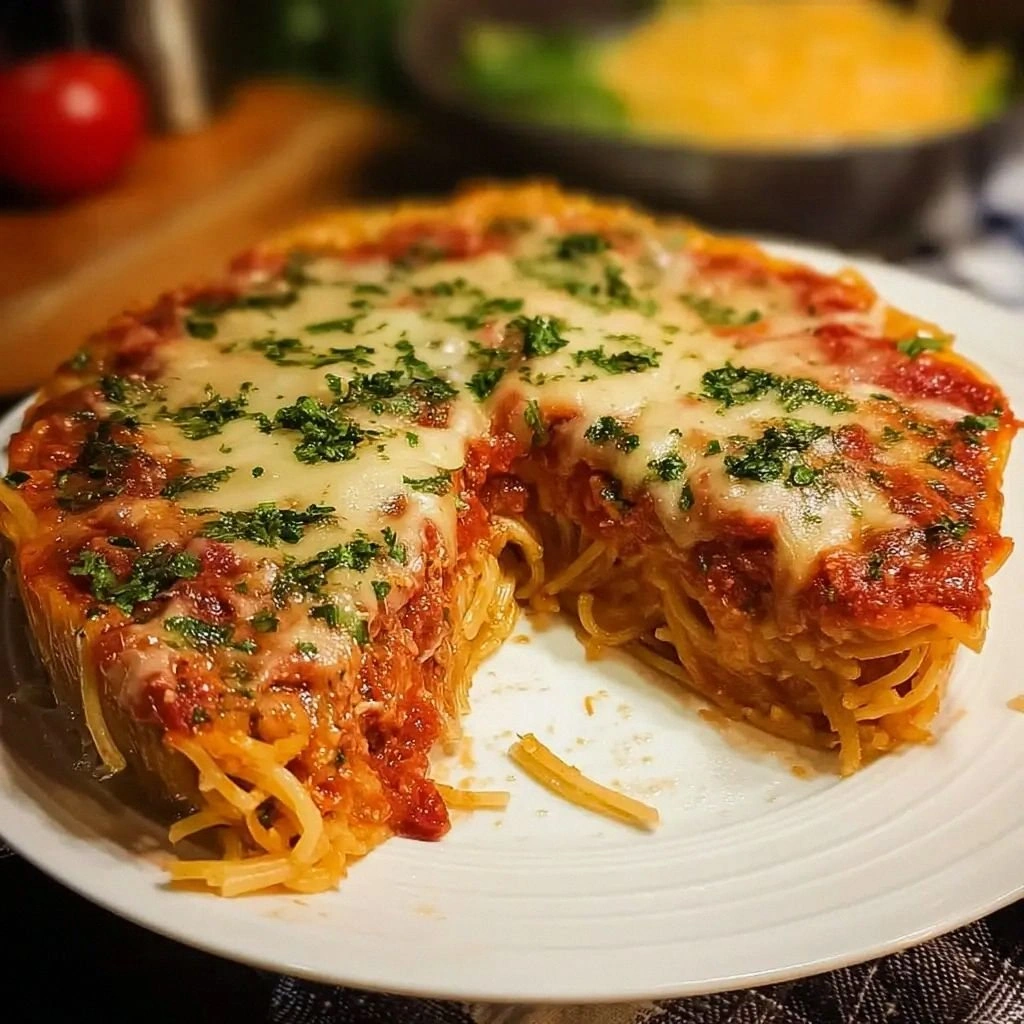
Why does this version feel like a revelation? Because every element is carefully calibrated: the pasta is tossed in a garlic‑olive oil bath that coats each strand, the cheeses are blended to create a silky custard, and the sauce is thickened with a touch of tomato paste for depth. The result is a pie that balances the comforting familiarity of spaghetti with the unexpected crunch of a pie crust. The sauce coats the pasta like velvet, the cheese melts into a golden glaze, and the edges pop like thin ice when you bite. It's a dish that invites you to savor every bite, to pause, and to ask, 'What else could I add?'
I dare you to taste this and not go back for seconds. Most recipes get this completely wrong, either overcooking the pasta or under-seasoning the sauce. Here’s what actually works: a generous splash of olive oil, a pinch of salt, and a quick sauté of garlic that locks in flavor. Picture yourself pulling this out of the oven, the whole kitchen smelling incredible, and your guests reaching for seconds without hesitation. Stay with me here—this is worth it.
What Makes This Version Stand Out
- Flavor: The sauce is a rich, velvety blend of tomatoes, herbs, and cheeses that lingers on the palate, turning ordinary pasta into an unforgettable experience.
- Texture: The combination of a buttery crust and a molten cheese center creates a contrast that feels both comforting and exhilarating with every bite.
- Ease: No elaborate prep—just a handful of pantry staples, a quick sauté, and a single baking step that delivers a restaurant‑level dish in under an hour.
- Flexibility: Swap out the cheeses or add veggies, and the pie adapts seamlessly, making it a versatile crowd‑pleaser for any gathering.
- Visual Appeal: The golden crust and glossy tomato‑ricotta swirl create a photo‑ready centerpiece that elevates any dinner table.
- Nutrition: With a balanced mix of protein, carbs, and healthy fats, this pie satisfies both the appetite and the body without compromising on taste.
- Make‑Ahead: Prepare the pie a day ahead, refrigerate, and bake fresh—ideal for busy weeknights or last‑minute dinner parties.
Inside the Ingredient List
The Flavor Base
The foundation of this pie is the sauce, which marries tomato, garlic, and a splash of olive oil into a savory tapestry that clings to every strand of pasta. The garlic is sautéed just until fragrant, releasing a warm aroma that precedes the first bite. A spoonful of tomato paste deepens the color and adds a subtle sweetness, balancing the acidity of the sauce. The olive oil creates a silky coat that prevents the spaghetti from sticking together, ensuring each bite is a clean, flavorful experience. If you skip this step, the pie becomes a dry, clumpy mess that feels more like a casserole than a gourmet dish.
The Texture Crew
Cheeses are the heart of the pie, and the right blend turns the dish into a silky custard that melts in your mouth. Ricotta provides a light, airy base that keeps the pie from becoming too dense, while shredded mozzarella adds gooeyness and a subtle stretch. Grated Parmesan introduces a nutty, umami kick that rounds out the flavor profile. Eggs bind the mixture, giving it structure so the pie holds together when sliced. Optional fresh spinach adds a pop of color and a gentle earthy note, but it can be omitted without compromising the overall experience. Each component works in harmony, creating a texture that feels both comforting and sophisticated.
The Unexpected Star
The secret weapon that elevates this pie is a whisper of basil and oregano—herbs that bring a fresh, aromatic lift to the dish. These herbs are added early in the cooking process, allowing their flavors to infuse the sauce and cheese blend. The result is a fragrant bouquet that dances on the tongue, making each bite feel like a culinary adventure. If you prefer a more robust flavor, a pinch of crushed red pepper can be added for a subtle heat that contrasts with the creamy center. The herbaceous notes also provide a natural balance to the richness of the cheeses, preventing the pie from feeling heavy. This subtle yet powerful addition is what sets this recipe apart from the rest.
The Final Flourish
Seasoning is the final touch that brings the pie together. A generous pinch of salt enhances every component, while black pepper adds a gentle bite that wakes up the palate. A drizzle of olive oil before baking creates a golden, crisp crust that feels like a buttery slice of heaven. The final layer of cheese on top melts into a glossy, golden finish that invites you to dig in. A sprinkle of fresh basil or a dusting of grated Parmesan just before serving adds a burst of color and flavor. These finishing touches elevate the dish from simple to spectacular.
Everything's prepped? Good. Let's get into the real action.
The Method — Step by Step
- Preheat your oven to 375°F (190°C) and lightly grease a 9‑inch pie dish with olive oil. The dish should be perfectly slick so the pie slides out easily. While the oven warms, set a large skillet over medium heat and get ready to sauté. This first step ensures every component is primed for maximum flavor. Remember, a hot pan is your best friend when you want a golden crust.
- Add the olive oil to the skillet and let it shimmer. Toss in the minced garlic and sauté for 1–2 minutes until it turns translucent and releases its aroma. Be careful not to burn it; a burnt garlic bite will ruin the entire flavor profile. Once fragrant, add the cooked spaghetti, tossing it so each strand is coated in the oil‑garlic mixture. This coating prevents the pasta from sticking and adds a subtle depth to the dish.
- Season the pasta with salt and pepper, then stir in the tomato sauce, ensuring the noodles are evenly coated. The sauce should cling to the spaghetti like a velvet blanket, providing a juicy base for the cheese layer. Let the mixture simmer for a couple of minutes so the flavors meld together. This step is crucial; a dry pasta base will make the pie feel like a casserole rather than a masterpiece.
- In a separate bowl, whisk together the ricotta, shredded mozzarella, grated Parmesan, eggs, basil, oregano, and a pinch of salt until the mixture is smooth and cohesive. The eggs act as a binder, ensuring the pie holds its shape once baked. This custard should be thick enough to coat the pasta without being runny. A well‑mixed cheese blend is the key to that silky, melt‑in‑your‑mouth texture.
- Combine the pasta mixture with the cheese custard, stirring gently until everything is evenly distributed. The goal is a harmonious blend where each bite contains pasta, sauce, and cheese in perfect balance. Avoid over‑mixing; you want the pasta strands to remain distinct, not turned into a mush.
- Pour the combined mixture into the prepared pie dish, using a spatula to spread it evenly. The top should be flat, ready to receive a final layer of cheese. A smooth surface ensures a uniform crust and a tidy presentation when sliced.
- Bake the pie in the preheated oven for 25–30 minutes, or until the top is golden brown and the edges begin to pull away from the dish. The baking time may vary slightly depending on your oven, so keep an eye on the crust. The aroma rising from the pie will be irresistible, signaling that the flavors are coming together beautifully.
- Let the pie rest for 5 minutes before slicing. This resting period allows the custard to set, making it easier to cut clean slices. A warm slice that falls apart would be a culinary tragedy. The rest also lets the flavors settle, so every bite is as balanced as the last.
- Serve warm, optionally garnished with fresh basil leaves or a drizzle of extra virgin olive oil for an extra layer of flavor. A sprinkle of grated Parmesan on top adds a savory finish that ties everything together. This dish is best enjoyed immediately, but leftovers can be reheated to preserve the texture.
That's it — you did it. But hold on, I've got a few more tricks that'll take this to another level.
Insider Tricks for Flawless Results
The Temperature Rule Nobody Follows
Many people bake at a high heat, hoping for a quick crust, but the result is often a dry center. I always bake at a steady 375°F (190°C) and monitor the crust color. A golden, slightly blistered top signals that the cheese is perfectly melted. If your oven runs hot, lower the temperature by 25°F and extend the baking time by 5 minutes. This small adjustment keeps the interior moist while still achieving that coveted crunch.
Why Your Nose Knows Best
The aroma of the pie is a reliable indicator of doneness. When the scent is a warm, savory mix of tomato and cheese, the pie is ready. A faint, sweet smell often means the cheese is still too runny. Trust your nose; it’s your most accurate kitchen sensor. If you’re uncertain, use a toothpick — it should come out clean or with a few crumbs.
The 5‑Minute Rest That Changes Everything
Allowing the pie to rest after baking lets the custard set and the flavors meld. This step prevents the cheese from sliding off the slice and keeps the interior cohesive. A 5‑minute pause also lets the hot steam escape, preventing sogginess. Skipping this rest can result in a pie that feels more like a casserole than a refined dish.
The Secret to a Crispy Edge
If your edges look pale, it's a sign that the crust didn't get enough direct heat. Place the pie on the lower rack during the last 5 minutes of baking. This direct heat encourages browning. A light dusting of grated Parmesan just before the final bake can also boost the crispiness.
The One‑Ingredient Upgrade
A splash of white wine in the sauce adds depth and a subtle acidity that brightens the overall flavor. It also helps to loosen the sauce slightly, making it easier to coat the pasta. Add the wine after the garlic sauté and before the tomato sauce, then let it reduce for a minute. This small addition transforms the dish from good to unforgettable.
Creative Twists and Variations
This recipe is a playground. Here are some of my favorite ways to switch things up:
The Meat Lover’s Edition
Add 1 cup of cooked ground beef or Italian sausage to the pasta mixture for a hearty, protein‑packed version. Season with fennel seeds and a pinch of red pepper flakes to give it a savory kick. The meat’s richness complements the creamy cheese, creating a dish that feels like a comforting lasagna.
The Veggie‑Rich Variation
Swap out the spinach for a medley of roasted vegetables like zucchini, bell peppers, and mushrooms. Roast them until caramelized, then fold them into the pasta before baking. The vegetables add color, crunch, and a burst of flavor that makes the pie feel fresh and vibrant.
The Mediterranean Twist
Introduce olives, capers, and a splash of lemon zest to the sauce. These ingredients bring a briny, citrusy brightness that pairs beautifully with the cheese. The result is a pie that feels like a savory pizza with a pasta twist.
The Vegan Version
Replace all dairy with plant‑based alternatives: use coconut milk ricotta, vegan mozzarella, and nutritional yeast for the Parmesan flavor. Use a vegan egg replacer or a flax‑egg mixture to bind the filling. This version maintains the creamy texture while keeping the dish plant‑friendly.
The Breakfast Takeaway
Add a handful of chopped bacon or sausage to the filling, and sprinkle a little chives on top before baking. Serve the pie with a side of fresh fruit or a drizzle of maple syrup for a sweet‑savory breakfast twist. The cheese and meat combo feels like a hearty breakfast casserole.
The Gluten‑Free Option
Use a gluten‑free pasta and a gluten‑free pie crust or a simple flatbread base. Ensure the sauce is thickened with a gluten‑free thickener like cornstarch. This adaptation keeps the dish accessible for those with dietary restrictions while preserving the core flavors.
Storing and Bringing It Back to Life
Fridge Storage
Cool the pie completely before refrigerating in an airtight container. It will keep well for up to 3 days, and the flavors will deepen slightly, giving the dish a richer taste. When you’re ready to eat, simply reheat it in the oven at 350°F for 10 minutes to revive the crisp crust.
Freezer Friendly
Wrap the cooled pie tightly in plastic wrap, then place it in a freezer bag. It can be frozen for up to 2 months. Thaw overnight in the refrigerator before reheating at 350°F for 15 minutes. This method preserves the texture and ensures the cheese remains silky.
Best Reheating Method
The oven is your best friend for reheating; it restores the crust’s crunch and the cheese’s melt. A quick 5‑minute burst in the microwave can warm it through, but the crust will lose its crispness. To keep the pie moist, add a splash of water or broth to the bottom of the baking dish before reheating.