I was halfway through a chaotic Sunday dinner when the kitchen turned into a culinary battlefield. The skillet hissed, the sauce thickened, and the smell of burnt garlic drifted through the hallway like a warning siren. I stared at the pan, realizing that the only thing left to salvage was a sliver of salmon that had already been marinated in a simple honey‑garlic blend. That moment, that burnt‑but‑hopeful moment, sparked the creation of a recipe that would become my new go‑to for instant flavor and instant wins.
Picture the scene: a gleaming white salmon fillet sitting on a hot skillet, the honey glaze shimmering like liquid gold. The aroma—sweet, smoky, with a hint of citrus—fills the air, making the kitchen feel like a small, fragrant fireworks show. The sound of the salmon sizzle is a rhythmic drumbeat, each pop a promise of texture. The first bite delivers a burst of umami, followed by a gentle, sticky sweetness that clings to the flesh like velvet. The finish is bright, a citrus lift that keeps your palate refreshed and craving more.
This version of sticky honey garlic salmon stands out because it balances the boldness of soy sauce with the natural sweetness of honey, creating a glaze that coats the fish without overpowering its delicate flavor. The technique of searing the fillets first locks in juices, then finishing them in a honey‑soy glaze gives the dish a caramelized crust that cracks like thin ice when you bite through it. The recipe is incredibly simple, requiring just a handful of pantry staples, yet the result feels gourmet and restaurant‑grade. I dare you to taste this and not go back for seconds; the glaze is addictive, but the fish remains tender and flaky, never greasy or overcooked.
What makes this recipe so special is the unexpected twist of adding a splash of lemon juice at the end of the glaze. The acidity cuts through the sweetness and balances the saltiness from the soy sauce, giving the dish a bright, fresh finish. Imagine a dish that feels like a summer breeze, yet can be enjoyed any time of year because of its versatility. And the best part? This is hands down the best version you'll ever make at home, and I promise you’ll wonder how you ever made it any other way.
What Makes This Version Stand Out
- Taste: The harmony of honey, soy, and garlic creates a glaze that is both sweet and savory, a flavor profile that is rarely achieved in simple weeknight meals.
- Texture: The quick sear produces a caramelized crust that snaps when you bite, while the interior remains moist and buttery.
- Speed: With a prep time of 15 minutes and a cook time of 30 minutes, you can have a restaurant‑quality dish on the table in under an hour.
- Ingredient Quality: Using high‑quality honey and fresh garlic elevates the dish beyond the ordinary, turning pantry staples into star ingredients.
- Crowd Appeal: Even the pickiest eaters will be drawn in by the glossy glaze and the promise of a flaky, tender fillet.
- Make‑ahead Potential: The glaze can be pre‑made and refrigerated, and the salmon can be marinated overnight for extra flavor.
- Versatility: Swap the salmon for cod, tilapia, or even tofu and the glaze still shines.
Inside the Ingredient List
The Flavor Base
Honey is the sweet backbone of the glaze, providing a natural sweetness that caramelizes beautifully when heated. The type of honey matters; a darker, more robust honey like buckwheat or wildflower adds depth, whereas a lighter clover honey gives a cleaner finish. If you’re short on honey, a drizzle of maple syrup can mimic the texture, but it will change the flavor profile slightly.
Garlic is the aromatic engine of the dish; minced or crushed garlic releases allicin, a compound that adds a sharp, savory kick. Fresh garlic is essential—dried garlic flakes lack the punch and can taste bitter. If you’re allergic or just don’t have garlic on hand, a small amount of garlic powder can work, but it won’t produce the same depth.
The Umami Booster
Soy sauce is the savory, salty element that ties the glaze together. A low‑sodium version keeps the dish from becoming too salty, allowing the honey to shine. If you’re looking for a gluten‑free option, tamari or coconut aminos are excellent substitutes, though they’ll slightly alter the flavor.
Lemon juice is the bright, acidic counterpoint that cuts through the sweetness and balances the saltiness. Freshly squeezed lemon juice is best; bottled lemon juice tends to taste flat and can introduce unwanted preservatives. A splash of lime juice can also be used for a slightly different citrus nuance.
The Seasonings
Seasonings—salt, pepper, and dried herbs—are the final touch that brings everything together. Salt is crucial for flavor enhancement; use sea salt or kosher salt for a clean finish. Pepper adds subtle heat and depth, while herbs like thyme or rosemary provide aromatic complexity. If you’re vegetarian or vegan, simply omit the fish and use a protein of your choice.
Everything's prepped? Good. Let's get into the real action, where the magic begins and the glaze transforms the salmon into a work of edible art.
The Method — Step by Step
- Begin by patting the salmon fillets dry with paper towels; this step is crucial for a proper sear. Place a large skillet over medium‑high heat and add a splash of olive oil, swirling to coat the bottom. Once the oil shimmers, lay the fillets skin‑side down, and let them cook undisturbed for 3‑4 minutes, until the skin turns a deep golden brown and releases easily from the pan.
- Flip the fillets and reduce the heat to medium. While the second side cooks, whisk together honey, soy sauce, minced garlic, lemon juice, and a pinch of salt in a small bowl until fully blended. The glaze should be smooth and slightly thickened—if it’s too runny, let it simmer for a minute to concentrate.
- Pour the glaze over the fillets, making sure the sauce coats the entire surface. The glaze will begin to bubble and thicken, creating a glossy coat that clings to the fish. Use a spoon to baste the fillets, ensuring the edges are well‑covered. The scent of caramelizing honey will fill the kitchen—absolute perfection.
- Let the fillets cook in the glaze for another 3‑4 minutes, turning once more to allow the sauce to set on both sides. The salmon should be opaque and flake easily with a fork; the glaze will form a shiny crust that cracks slightly when you bite. If you prefer a darker caramelization, increase the heat slightly, but keep a close eye to avoid burning.
- Remove the skillet from the heat and let the salmon rest for 2 minutes. This short rest allows the juices to redistribute, keeping the fillets moist. While the salmon rests, transfer the remaining glaze to a small saucepan, bring it to a gentle boil, and reduce it until it thickens to a syrupy consistency. This reduction can be spooned over the finished fillets for an extra glaze.
- If you like a touch of heat, sprinkle a pinch of crushed red pepper flakes over the fillets before serving. The heat will contrast beautifully with the sweet glaze, creating a layered flavor profile that dances on the tongue. The final dish should look glossy, with a caramelized crust that looks like liquid gold.
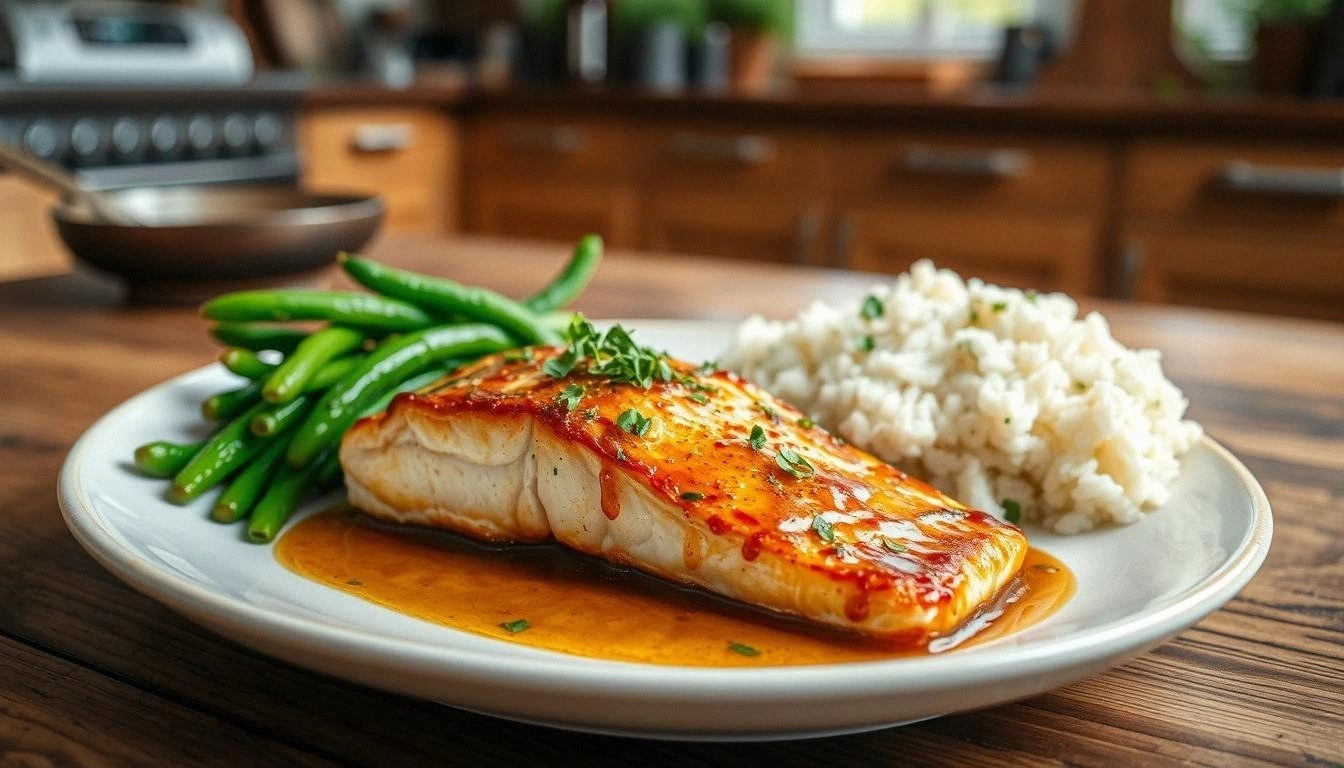
- Plate the salmon on warmed plates, spooning any remaining glaze over the top. Garnish with a sprinkle of fresh chopped parsley or a few lemon zest curls for a pop of color and freshness. Serve immediately with steamed rice or a crisp green salad to balance the richness.
- Remember that the key to this dish is timing—do not overcook the salmon, or it will become dry. The glaze should be thick enough to coat but not so thick that it becomes syrupy. The final result should feel like a silky, sweet‑savory hug that lingers on your palate.
That's it—you did it. But hold on, I've got a few more tricks that'll take this to another level, from perfect plating to pairing suggestions that will wow your guests.
Insider Tricks for Flawless Results
The Temperature Rule Nobody Follows
Many cooks try to sear salmon at the highest heat, hoping for a quick crust. The truth is, a medium‑high heat is ideal; it allows the skin to crisp without scorching the flesh. Keep a thermometer handy—aim for an internal temperature of 125°F for medium‑rare. The glaze will thicken as the fish cooks, giving you a visual cue that it’s ready.
Why Your Nose Knows Best
Your sense of smell can save the dish from going wrong. When the glaze starts to caramelize, it will emit a sweet, nutty aroma. If you notice a metallic or burnt smell, lower the heat immediately. This simple sensory check ensures the sauce stays glossy and not bitter.
The 5‑Minute Rest That Changes Everything
Letting the salmon rest after cooking allows the juices to redistribute, preventing a dry bite. A quick 5‑minute rest is enough to lock in moisture without cooling the dish. If you’re serving immediately, place the fillets on a warm plate to keep the temperature consistent.
The Perfect Plate Presentation
A dish that looks good is half the battle. Use a shallow white plate to contrast the golden glaze and let the colors pop. Arrange a handful of sautéed greens or a drizzle of citrus vinaigrette on the side to add texture and visual interest. A simple garnish of fresh herbs can elevate the dish from ordinary to extraordinary.
The One‑Minute Sauce Finish
If you’re short on time, finish the glaze in a small saucepan over low heat. This quick reduction will concentrate the flavors and give you a glossy sauce to spoon over the fillets. Keep the sauce warm on the stove, and pour it over the salmon just before serving to keep the glaze from thickening too much.
Creative Twists and Variations
Spicy Sriracha Honey Salmon
Swap the regular soy sauce for a mixture of soy and sriracha for a spicy kick. The heat will contrast with the sweet glaze, creating a layered flavor that keeps the palate engaged. This version is perfect for those who love a little heat without the intensity of raw chili.
Citrus‑Infused Orange Glaze
Replace the lemon juice with freshly squeezed orange juice and add a pinch of orange zest to the glaze. The bright citrus notes will complement the honey, giving the dish a tropical vibe. This variation works well with grilled pineapple or mango salsa on the side.
Herb‑Infused Basil Salmon
Add fresh basil leaves to the glaze during the last minute of cooking. The basil’s sweet aroma will permeate the sauce, creating a fragrant finish. Serve with a simple basil pesto drizzle for an extra herbaceous touch.
Miso‑Honey Fusion
Replace half the soy sauce with white miso paste for an umami‑rich glaze. The miso adds depth and a subtle earthiness that balances the sweetness. This version pairs wonderfully with a side of sautéed bok choy or steamed broccoli.
Vegetarian Tofu Version
Use firm tofu instead of salmon, pressing it to remove excess moisture before searing. The tofu will absorb the glaze, resulting in a savory, sweet bite that’s just as satisfying. This variation is ideal for plant‑based diners who crave a protein‑rich meal.
Storing and Bringing It Back to Life
Fridge Storage
Store leftover salmon in an airtight container in the refrigerator for up to 3 days. Keep the glaze separate to avoid the fish becoming soggy. Reheat gently in the microwave or on the stovetop, adding a splash of water to maintain moisture.
Freezer Friendly
For longer storage, wrap the salmon tightly in plastic wrap and then in foil before freezing. It will keep for up to 2 months. Thaw overnight in the refrigerator and reheat with a splash of broth or water to restore juiciness.
Best Reheating Method
Reheat in a skillet over low heat, adding a tablespoon of water or broth. The steam will gently warm the fish without drying it out. Finish with a quick drizzle of the glaze for a fresh, restaurant‑style finish.