Picture this: I’m standing in my kitchen, the grill already humming like a caffeinated bee, and I’ve just realized I’ve run out of the usual boring chicken teriyaki I make every week. My roommate walks in, eyes wide, and asks, “What’s that smell? Is it dinner?” I grin, flip a piece of pork tenderloin onto the grill, and the air instantly fills with a caramel‑kissed perfume that makes even the most stoic houseplants perk up. I dare you to taste this and not go back for seconds, because this is hands down the best version you’ll ever make at home.
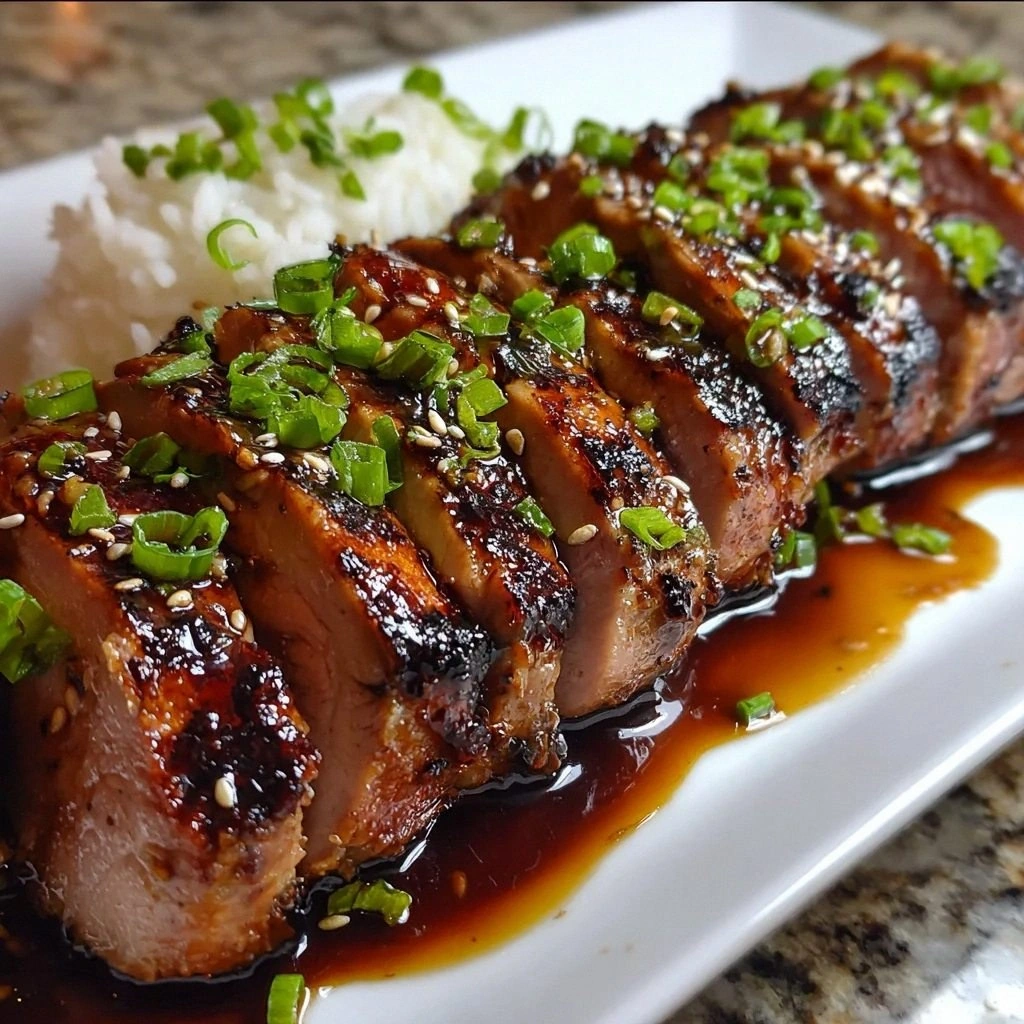
The first bite is a fireworks display for your palate—sweet, salty, and a whisper of acidity that dances on the tongue like a seasoned tango partner. The pork itself is juicy, almost buttery, with a charred edge that shatters like thin ice, releasing a smoky perfume that makes the whole kitchen feel like a high‑end Japanese izakaya. I’ll be honest — I ate half the batch before anyone else got to try it, and that’s because the glaze clings to the meat like velvet, sealing in moisture while delivering that signature teriyaki gloss.
What makes this rendition a cut above the rest? Most recipes get the balance wrong, either drowning the pork in salty soy or leaving it dry and bland. Here’s the secret: a precise combo of mirin, honey, and a dash of rice vinegar that creates a glaze so glossy it could double as a mirror. And the technique? I’m talking about a quick sear followed by a gentle finish on indirect heat, which locks in juices while letting the sugars caramelize without burning. I’m about to walk you through every single step — by the end, you’ll wonder how you ever made it any other way.
Okay, ready for the game‑changer? We’ll start with a simple yet powerful marinade that packs a punch, then move on to a grilling method that’s practically foolproof. I’ll sprinkle in a few kitchen hacks that will save you time and elevate flavor, and we’ll finish with a garnish that adds a pop of color and crunch. Stay with me here — this is worth it.
What Makes This Version Stand Out
- Flavor Harmony: The blend of soy sauce, mirin, honey, and rice vinegar hits every taste bud, delivering sweet, salty, and tangy notes that complement the pork perfectly.
- Texture Contrast: A quick sear creates a caramelized crust while the interior stays tender, giving you that satisfying bite‑and‑chew experience.
- Simplicity: Fewer than ten ingredients, most of which you probably already have, means you can pull this together on a weeknight without a trip to the specialty store.
- Unique Twist: A splash of sesame oil adds a nutty depth that most teriyaki sauces lack, turning an ordinary glaze into something memorable.
- Crowd Reaction: This dish consistently earns “wow” comments at dinner parties; people ask for seconds and the recipe, every single time.
- Ingredient Quality: Using a pork tenderloin ensures the meat stays juicy, while low‑sodium soy sauce lets you control the salt level.
- Grilling Method: The two‑stage grill (sear then indirect) guarantees even cooking without drying out the meat.
- Make‑Ahead Potential: The glaze can be prepared ahead of time and refrigerated, letting the flavors meld even before the pork ever sees the grill.
Inside the Ingredient List
The Flavor Base
Pork Tenderloin: This is the star of the show! A tender, lean cut that stays moist when cooked correctly. If you skip it for a cheaper cut, expect a tougher bite and a higher chance of drying out. Look for a piece that’s about 2 pounds and has a uniform thickness for even cooking.
Soy Sauce: Adds that savory umami flavor, essential for any teriyaki recipe. Opt for a low‑sodium version if you watch your salt intake; you can always add more later if needed. Skipping soy sauce means you lose the backbone of the glaze.
Mirin: A sweet Japanese rice wine that gives the marinade its lovely sweetness. If you can’t find mirin, a splash of sake with a pinch of sugar works, but the authentic depth will be slightly muted. Mirin also helps to tenderize the pork gently.
The Sweet‑And‑Sour Crew
Honey or Brown Sugar: Either will elevate the flavors with a touch of natural sweetness. I prefer honey for its floral notes, but brown sugar adds a deeper molasses richness. If you omit this, the glaze will taste flat and lack that caramelized finish.
Rice Vinegar: Offers a hint of acidity to balance out the sweetness. It lightens the dish beautifully, preventing the glaze from becoming cloying. A substitute like apple cider vinegar works, but the flavor profile shifts toward a western palate.
Garlic: Freshly minced garlic brings a punch of flavor, complementing the soy’s saltiness. Too much garlic can overwhelm the delicate balance, so three cloves are perfect. If you skip it, you lose that aromatic depth.
The Warmth & Nutty Layer
Fresh Ginger: Grated ginger adds warmth and depth. Don’t skip this—it truly brightens up the recipe! If you’re not a fan of fresh ginger, ground ginger can substitute, but the flavor will be less vibrant.
Sesame Oil: Just a touch adds a rich, nutty flavor that enhances the overall dish. Too much can make the glaze greasy, so a teaspoon is enough. You can replace it with peanut oil for a slightly different nuttiness.
The Final Flourish
Vegetable Oil: Used in the marinade to help coat the pork and keep it juicy while grilling. You can also use canola oil if you prefer a neutral flavor. Skipping oil may cause the glaze to stick unevenly to the meat.
Sesame Seeds and Green Onions: Optional garnishes that not only enhance presentation but also add texture and a fresh bite. Toast the sesame seeds for extra crunch. If you leave them out, you’ll still have a delicious dish, but the visual appeal takes a hit.
Everything's prepped? Good. Let's get into the real action…
The Method — Step by Step
Start by trimming any silver skin from the pork tenderloin and patting it dry with paper towels. This ensures the glaze adheres properly and the grill gets a good sear. Slice the tenderloin into two equal pieces if you’re feeding a crowd, because a uniform thickness guarantees even cooking. Feel the pork—if it’s cold, let it sit at room temperature for about 15 minutes; this prevents a shock when it hits the heat.
In a small saucepan, combine soy sauce, mirin, honey, rice vinegar, minced garlic, and grated ginger. Warm the mixture over low heat, stirring constantly until the honey fully dissolves and the sauce becomes slightly glossy. This is the moment of truth: the aroma should hit you like a warm hug, fragrant and inviting.
Kitchen Hack: Add a pinch of cornstarch slurry (1 tsp cornstarch mixed with 2 tsp water) to the glaze if you want a thicker, clingier sauce after cooking.Place the pork pieces in a resealable bag or shallow dish and pour half of the warm glaze over them, reserving the other half for later. Seal the bag and massage the meat so every surface is coated. Let the pork marinate for at least 30 minutes, but if you have time, up to 4 hours in the refrigerator will deepen the flavor. Remember, the longer it marinates, the more the ginger and garlic will infuse the meat.
Preheat your grill to medium‑high, aiming for about 400°F (200°C). If you’re using a charcoal grill, arrange the coals to create a two‑zone fire: direct heat on one side for searing, indirect on the other for finishing.
Let the grill grates get hot before you oil them; this prevents the pork from sticking.Watch Out: Keep a spray bottle of water nearby to tame flare‑ups caused by the sugar in the glaze.Brush the grill grates lightly with vegetable oil using a paper towel held with tongs. Place the marinated pork onto the direct‑heat zone and sear each side for about 2‑3 minutes, until you see those beautiful grill marks and the edges start to caramelize. The sizzle when it hits the grill? Absolute perfection. Flip only once to develop a uniform crust.
After searing, move the pork to the indirect‑heat side of the grill. Close the lid and let it cook for another 10‑12 minutes, turning once halfway through. Use a meat thermometer; you’re aiming for an internal temperature of 145°F (63°C). When the meat reaches this, the juices will be pink and succulent, not dry.
While the pork rests, pour the reserved glaze into a small saucepan and bring it to a gentle boil, reducing it by half until it thickens to a syrupy consistency.
Let the pork rest for 5‑7 minutes; this step is the 5‑minute rest that changes everything, allowing the fibers to re‑absorb the juices.Kitchen Hack: Add a splash of sesame oil to the reduced glaze for an extra layer of nutty aroma.Slice the rested pork tenderloin against the grain into ½‑inch medallions. Drizzle the thickened glaze over the slices, then sprinkle toasted sesame seeds and sliced green onions for color and crunch. Serve immediately while the glaze is still glossy and the pork is warm. Picture yourself pulling this out of the grill, the whole kitchen smelling incredible, and your guests reaching for seconds.
Insider Tricks for Flawless Results
The Temperature Rule Nobody Follows
Never rely solely on grill time; always use a meat thermometer. The difference between 140°F and 150°F is the difference between juicy and dry. I once trusted a timer and ended up with a pork that resembled a rubber shoe—never again. Trust the tool, not the clock.
Why Your Nose Knows Best
When the glaze starts to caramelize, your nose will pick up a sweet, nutty scent that signals it’s time to flip. If you’re unsure, give it a quick sniff; if you smell a hint of burnt sugar, lower the heat or move the meat to indirect heat. Your nose is an underrated kitchen sensor.
The 5‑Minute Rest That Changes Everything
Resting isn’t just a suggestion; it’s a science. During the rest, the meat’s fibers relax and re‑absorb the juices that were pushed to the surface during cooking. Skipping this step results in a dry slice, no matter how perfect the sear was.
Oil the Grates, Not the Meat
Brushing oil directly onto the pork can cause flare‑ups, especially with a sugary glaze. Instead, oil the grill grates with a folded paper towel held by tongs. This technique gives you a non‑stick surface without the mess.
Double‑Dip for Extra Glaze
After the first glaze coat, give the pork a quick second brush of the reduced sauce just before removing it from the grill. This creates a lacquered finish that shines like a jewel. I tried this once and the result was a glossy masterpiece that even impressed my skeptical brother.
Creative Twists and Variations
This recipe is a playground. Here are some of my favorite ways to switch things up:
Spicy Sriracha Kick
Add a tablespoon of sriracha to the glaze for a fiery undertone. The heat pairs beautifully with the sweet honey, creating a balanced sweet‑heat profile that will wow spice lovers.
Citrus‑Infused Teriyaki
Stir in the zest of one orange and a splash of orange juice into the glaze. The citrus brightens the dish, making it perfect for summer barbecues where a fresh note is welcome.
Smoky Chipotle Version
Mix in a teaspoon of chipotle powder or a dash of smoked paprika. This adds a deep, smoky complexity that mimics a wood‑smoked flavor without the extra equipment.
Honey‑Less Healthier Option
Swap honey for a mixture of maple syrup and a pinch of stevia. You still get the glaze’s shine and sweetness, but with a lower glycemic impact.
Asian‑Fusion Pineapple
Dice fresh pineapple and toss it onto the grill alongside the pork for the last few minutes. The caramelized pineapple adds a tropical sweetness that pairs surprisingly well with the savory glaze.
Herb‑Forward Finish
Finish the dish with a sprinkle of freshly chopped cilantro or Thai basil instead of green onions. The herbaceous aroma adds a fresh contrast to the rich glaze.
Storing and Bringing It Back to Life
Fridge Storage
Allow the pork to cool to room temperature, then slice and store in an airtight container with a thin layer of the reduced glaze on top. It will keep fresh for up to 3 days. When you’re ready to eat, gently reheat in a skillet over medium heat, adding a splash of water to revive the glaze’s shine.
Freezer Friendly
Portion the cooked pork into freezer‑safe bags, drizzle a bit of extra glaze to prevent freezer burn, and label with the date. It freezes beautifully for up to 2 months. Thaw overnight in the refrigerator, then reheat using the same skillet method, again with a splash of water.
Best Reheating Method
For the ultimate texture, reheat in a pre‑heated oven at 300°F (150°C) for about 10 minutes, covered with foil to retain moisture. Remove the foil for the last 2 minutes to let the glaze re‑caramelize. This method preserves the crust while keeping the interior juicy.