I was standing in a cramped apartment kitchen, staring at a half‑cooked pot of beef that had turned from a hopeful stew into a sad, dry mess. The smell of burnt onions lingered like a bad memory, and my friend’s laugh echoed over the phone, daring me to make something that could actually taste like a fiesta. I took a deep breath, grabbed the recipe that had been whispered to me over a steaming cup of coffee, and decided this time I would not settle for mediocre. The moment the first sizzle hit the pan, I knew I was about to turn a kitchen disaster into a culinary triumph.
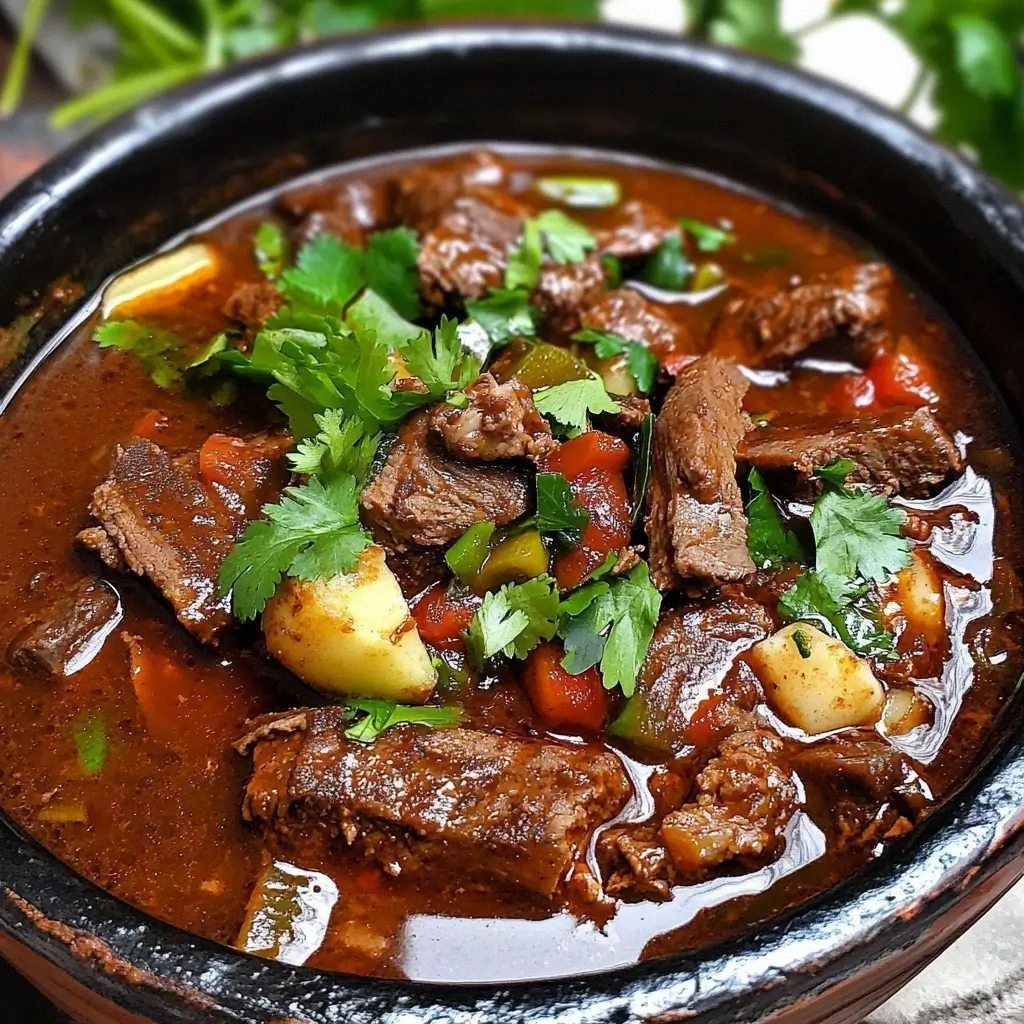
Picture this: a pot bubbling with a sauce that’s as deep and rich as a midnight sky, the air thick with the aroma of roasted chilies and cumin. You can hear the faint hiss of the broth as it simmers, hear the crackle of a tortilla crisping on a hot griddle, and feel the heat radiating from the bowl that will soon be shared. The texture is a glorious contrast—velvety consommé that coats your tongue, tender meat that shatters with a satisfying snap, and tortillas that are soft yet hold their shape like a well‑trained dancer. My taste buds are already dancing, and the anticipation is almost a second‑hand sensation.
What makes this version stand out is that it’s not just another birria recipe. It’s a carefully honed method that balances the fiery heat of chilies with a subtle sweetness from roasted tomatoes, all while keeping the meat unbelievably tender. I’ve spent weeks tweaking the spice ratios, and the result is a sauce that clings to the meat like a velvet blanket, turning each bite into a revelation. And the best part? The process is straightforward enough that even a kitchen novice can master it, yet sophisticated enough that seasoned cooks will feel like they’ve discovered a new secret weapon.
I dare you to taste this and not go back for seconds. That is a promise I’ve made to myself, and I’m ready to prove it. The next part of this post will walk you through every single step—by the end, you’ll wonder how you ever made it any other way. Let’s dive in.
What Makes This Version Stand Out
- Flavor: The sauce is a deep, earthy blend of ancho and guajillo chilies, roasted tomatoes, and a touch of vinegar that cuts the richness without losing the warmth.
- Texture: The meat is shredded to perfection, with a melt‑in‑your‑mouth tenderness that makes it fall apart at the slightest touch.
- Ease: The recipe requires no fancy equipment—just a blender, a pot, and a good sense of timing.
- Uniqueness: The subtle infusion of oregano and cumin creates a layer of herbal depth that sets this birria apart from the usual tomato‑based versions.
- Crowd‑pleaser: Whether you’re feeding a family or a group of friends, the dish’s bold flavors and comforting heartiness guarantee applause.
- Ingredient Quality: Using high‑quality chilies and fresh, locally sourced beef elevates the entire experience.
- Make‑Ahead: The consommé can be prepared a day ahead, and the meat can be shredded and stored, making this a perfect meal for busy weeks.
- Presentation: The final tacos are a visual feast, with bright green cilantro, crisp onion, and a drizzle of crema that makes each bite feel like a celebration.
Alright, let's break down exactly what goes into this masterpiece. But first, a quick kitchen hack that will save you time and keep your kitchen tidy.
Inside the Ingredient List
The Flavor Base
The heart of any birria is its sauce, and here we’re using a classic combination of dried ancho and guajillo chilies. The ancho chilies bring a smoky, slightly sweet depth, while the guajillo adds a subtle peppery bite. If you can’t find these chilies, a mix of chipotle and ancho will work, but the flavor profile will shift toward a smokier tone. The key is to toast them lightly before soaking to unlock their full aroma.
The Texture Crew
The beef—ideally chuck or a mix of chuck and brisket—provides the hearty base that will become the star of the dish. Cutting the meat into bite‑sized cubes ensures even cooking and quick flavor absorption. If you prefer a leaner version, use sirloin, but keep in mind the texture will be less succulent. A good rule of thumb: the meat should feel like a well‑marinated steak, not a dry jerky.
The Unexpected Star
Roasted tomatoes, onions, and garlic are the unsung heroes that give the sauce its silky body. Roasting these aromatics brings out a caramelized sweetness that balances the chilies’ heat. Skipping the roasting step will result in a sauce that feels thin and underdeveloped. A small trick: roast the tomatoes under a broiler for a minute to get a char, then peel off the skins for an even smoother blend.
The Final Flourish
Cilantro, lime, and crema are the finishing touches that elevate the dish from comforting to unforgettable. The fresh cilantro adds a bright, herbal note that cuts through the richness, while lime wedges provide a zesty contrast. Crema or sour cream brings a creamy, slightly tangy layer that balances the heat. These toppings are optional, but I’ve found that they transform the tacos into a multi‑sensory experience.
Everything's prepped? Good. Let's get into the real action.
The Method — Step by Step
- Step 1: Prep the Chilies. Start by soaking the dried ancho and guajillo chilies in hot water for 20 minutes until they soften. While they rehydrate, remove stems, seeds, and membranes to control the heat level. Once softened, drain and set aside. The aroma that rises from the chilies is the first hint that this dish is about to become extraordinary. If you prefer a milder flavor, discard the seeds.
- Step 2: Roast the Aromatics. Toss the tomatoes, quartered onion, and minced garlic with a splash of oil and roast them in a hot oven or on a skillet until they develop a golden char. The char adds a subtle smokiness that complements the chilies. Peel the skins off the tomatoes—this will give the sauce a silky texture. A quick tip: place the tomatoes under a broiler for 2 minutes to achieve a perfect char.
- Step 3: Blend the Sauce. Combine the softened chilies, roasted tomatoes, onion, garlic, oregano, cumin, vinegar, and a pinch of salt in a blender. Add a cup of water to aid blending, then process until you achieve a smooth, thick paste. The sauce should smell toasty and slightly sweet, like a campfire in your kitchen. If the mixture is too thick, add a little more water until you reach a pourable consistency.
- Step 4: Brown the Beef. In a large Dutch oven, heat the vegetable oil over medium‑high heat. Add the cubed beef and sear each side until a brown crust forms. This caramelization locks in flavor and creates a rich base for the broth. Don’t overcrowd the pan—brown in batches if necessary. The moment the meat sizzles, you know the foundation of the dish is solid.
- Step 5: Build the Consommé. Return the browned beef to the pot and pour in the blended sauce, beef broth, water, and bay leaves. Stir to combine, then bring to a gentle boil. Once boiling, reduce the heat to low, cover, and let it simmer for 2–3 hours, or until the meat is fork‑tender. The broth should thicken slightly, becoming a glossy, savory liquid. Watch for a slight foam—skim it off to keep the consommé clear.
- Step 6: Shred the Meat. Once the beef is tender, remove it from the pot and let it cool slightly. Using two forks, shred the meat into bite‑sized pieces, discarding any bones or excess fat. Return the shredded meat to the pot, stirring it into the consommé. The meat should be so tender it practically melts in your mouth. This step is where the dish truly comes together.
- Step 7: Prepare the Toppings. While the meat simmers, warm the corn tortillas on a dry skillet until pliable. Chop fresh cilantro, dice onion, and cut lime into wedges. Portion out crema or sour cream, and have salsa ready. The freshness of the toppings will contrast beautifully with the rich, slow‑cooked meat.
- Step 8: Assemble the Tacos. Spoon a generous amount of shredded birria onto each tortilla, drizzle with a little crema, sprinkle cilantro and onion, and add a splash of salsa. Finish with a squeeze of lime for that bright citrus punch. The result is a taco that’s both comforting and exciting, with layers of flavor in every bite.
- Step 9: Serve Immediately. Serve the tacos hot, with extra lime wedges and a side of consommé for dipping. The broth is perfect for sipping or for drizzling over the tacos to intensify the flavor. The aroma alone will make everyone in the house line up for seconds. Enjoy the moment of shared delight.
- Step 10: Clean Up (Optional). The best part of cooking birria is the satisfaction you get from a job well done. If you’re feeling generous, save any leftover broth for a hearty soup the next day. The flavors will only improve with time.
That’s it — you did it. But hold on, I've got a few more tricks that'll take this to another level.
Insider Tricks for Flawless Results
The Temperature Rule Nobody Follows
Many cooks think a quick simmer is enough, but birria thrives on low, slow heat. Keep the flame low enough that the broth just whispers—no rolling boil. This gentle simmer allows the meat to break down collagen into gelatin, creating that silky mouthfeel. A friend once tried a high‑heat method and ended up with tough meat; the lesson was clear: patience pays.
Why Your Nose Knows Best
Trust your sense of smell during the simmer. When the broth turns a deep amber and releases a sweet, earthy aroma, it’s time to reduce the heat further or cover the pot. A strong, slightly smoky scent indicates the chilies are fully integrated. If you notice a sharp, vinegary note, it might mean the vinegar is overpowering; adjust by adding a splash of water.
The 5‑Minute Rest That Changes Everything
After simmering, let the pot rest for five minutes with the lid on. This pause allows the flavors to settle and the meat fibers to relax, making shredding easier. It also gives the broth time to thicken slightly, creating a more robust sauce. Skipping this step can result in a watery consommé that feels flat.
Use a Meat Thermometer
A quick glance at the internal temperature of the beef can save you from overcooking. Aim for 190°F; this is where the connective tissues break down into tender, juicy strands. A thermometer ensures consistency, especially if you’re using a different cut of meat or a new cooking appliance.
Finish With a Dash of Fresh Lime
Adding a squeeze of lime right before serving brightens the dish and balances the richness. The acidity cuts through the fat and gives the tacos a lively finish. Don’t forget to offer extra lime wedges on the side; guests will appreciate the ability to tailor the acidity to their taste.
Creative Twists and Variations
This recipe is a playground. Here are some of my favorite ways to switch things up:
Chicken Birria
Swap beef for shredded rotisserie chicken for a lighter version. The chicken absorbs the sauce’s flavors beautifully, and the cooking time drops to about an hour. It’s perfect for a quick weeknight dinner.
Vegetarian Enchilada Version
Use roasted jackfruit or sautéed mushrooms as the protein. Add a splash of soy sauce or tamari to mimic the umami of meat. The result is a hearty, plant‑based dish that still delivers on depth.
Birria Tostadas
Instead of tortillas, use crispy tostadas as the base. Top them with shredded meat, crema, cilantro, and a drizzle of consommé. The crunch adds an exciting textural contrast.
Birria Soup
Use the consommé as a soup base, adding diced potatoes, carrots, and a handful of corn. Serve with a side of warm corn tortillas for dipping. The soup is comforting and full of flavor.
Birria Nachos
Layer tortilla chips with shredded birria, cheese, and a dollop of crema. Bake until the cheese melts, then top with fresh cilantro and a squeeze of lime. It’s a crowd‑pleasing party dish.
Birria Chili
Incorporate the sauce into a hearty chili by adding beans, bell peppers, and a dash of chili powder. The birria sauce adds depth and a subtle heat that transforms ordinary chili into a gourmet experience.
Storing and Bringing It Back to Life
Fridge Storage
Store the shredded birria and consommé separately in airtight containers. The meat will keep for up to 3 days, and the broth for up to 4 days. When you’re ready to reheat, bring the broth to a gentle simmer, then stir in the meat.
Freezer Friendly
Freeze the birria in portioned containers for up to 3 months. Thaw overnight in the refrigerator or use the defrost setting on your microwave. Reheat on the stove or in a slow cooker, adding a splash of water if the broth seems thick.
Best Reheating Method
The secret to reviving birria is to add a tiny splash of water before reheating. This steams the meat back to its original tenderness and keeps the sauce from drying out. Heat slowly over low heat, stirring frequently, until the mixture is hot and fragrant.