Picture this: it’s a rainy Tuesday evening, you’ve just opened the pantry to find a wilted bag of kale that’s been staring at you for weeks, and the thought of a bland side dish makes you want to crawl under the table. I was in that exact spot, staring at my sad greens, when a friend dared me to turn that bitter leaf into something that could actually make people smile. I grabbed a handful of garlic, a splash of olive oil, and a good grating of Parmesan, and the kitchen became my laboratory. In the next five minutes, I transformed those stubborn kale leaves into a sauce so vibrant it practically glowed, and the whole house smelled like an Italian bistro on a sunny balcony.
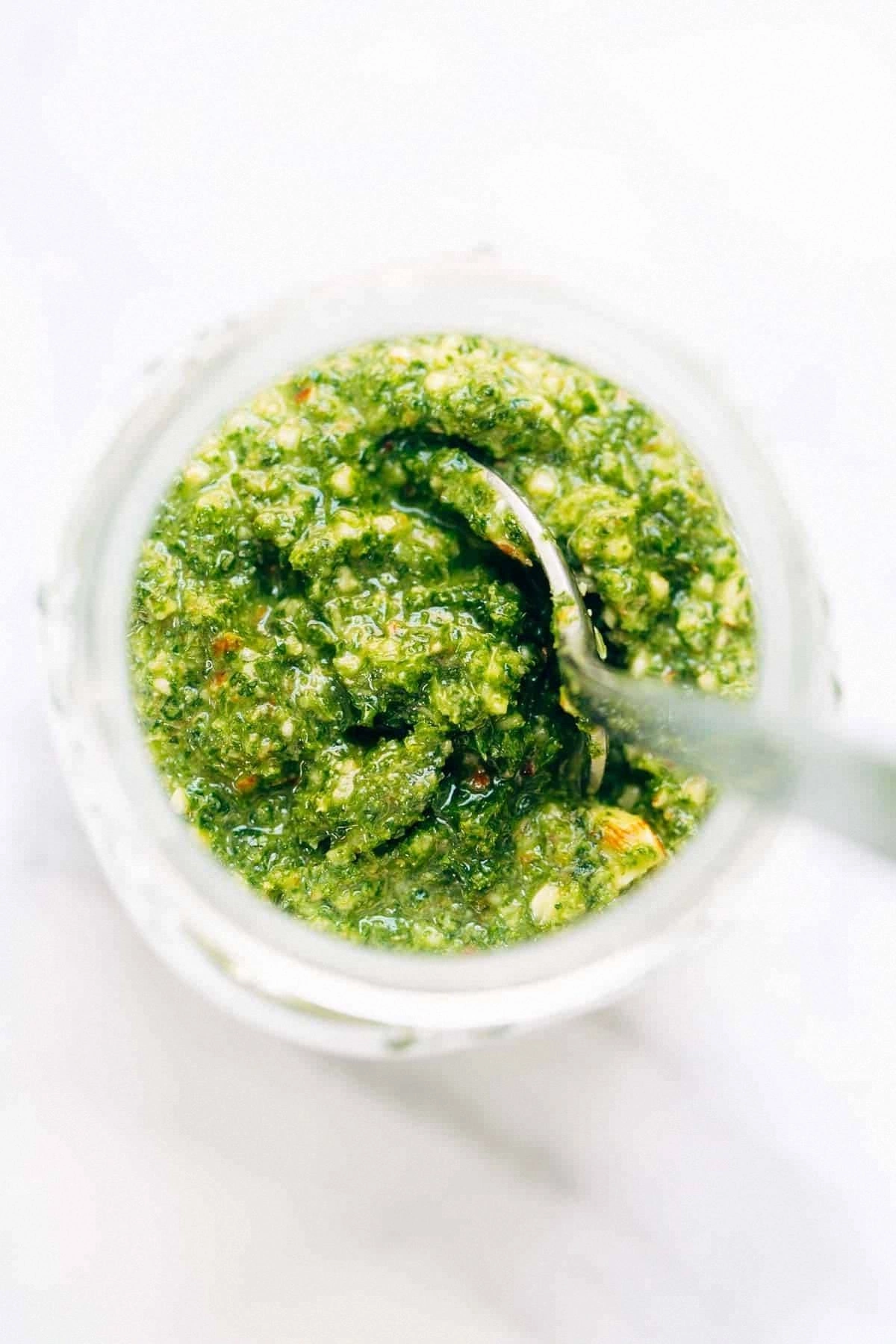
The first whiff was a heady mix of toasted nuts and fresh lemon, a scent that made my stomach do a little happy dance. As I tossed the kale into the food processor, the blades sang a low hum, and the texture began to change from rough, fibrous leaves to a silky, emerald paste that clung to the sides of the bowl like a lover refusing to let go. When I finally tasted it, the brightness of the lemon cut through the earthiness of the kale, the garlic added a punch that sparked fireworks on my palate, and the Parmesan gave it a luxurious, creamy finish that made my spoon feel like it was caressing velvet.
Most pesto recipes either drown the kale in oil, leaving it greasy, or they under‑season, resulting in a bitter bite that makes you reach for the ketchup. This version is different because it balances the robust flavor of kale with just enough acidity, a modest amount of nuts for crunch, and a generous sprinkle of cheese to round everything out. The secret? A quick flash‑roast of the walnuts—just enough to bring out a nutty aroma without turning them into a burnt mess. And the best part? It takes literally five minutes from start to finish, so you can have a gourmet‑level sauce before your favorite show even gets to the first commercial break.
But I’m not stopping there. I’m going to walk you through every single step—down to the exact moment when the aroma hits your nose and tells you it’s time to taste. By the end of this, you’ll be able to whip up this kale pesto faster than you can say “extra parmesan,” and you’ll wonder how you ever settled for store‑bought versions that taste like cardboard. Okay, ready for the game‑changer?
What Makes This Version Stand Out
- Flavor Balance: The lemon juice cuts through the bitterness of kale, while Parmesan adds a savory depth that makes each bite sing.
- Texture Harmony: Toasted walnuts give a subtle crunch that contrasts with the silky smoothness of the processed greens.
- Speed: From prep to finish in five minutes, this pesto fits perfectly into a busy schedule without sacrificing quality.
- Simplicity: Only nine ingredients, all pantry‑friendly, meaning you won’t need a special trip to the farmer’s market.
- Versatility: Works as a pasta sauce, a sandwich spread, a dip for veggies, or even a topping for grilled fish.
- Ingredient Quality: Fresh, young kale leaves and high‑quality extra‑virgin olive oil ensure a bright, clean flavor profile.
- Make‑Ahead Potential: Store in a sealed jar for up to a week, and the flavors only improve with a little rest.
- Crowd Reaction: I dare you to taste this and not go back for seconds; it’s that good.
Inside the Ingredient List
The Flavor Base
Kale (2 cups, stems removed): Kale is the star of the show, providing a deep, earthy backbone. When you choose dark green, tightly packed leaves, you get a richer color and a stronger flavor. If you skip the kale, you’ll lose that characteristic bite that makes this pesto stand out. For a milder version, try baby kale or even a mix of spinach and arugula. When shopping, look for kale with firm leaves and no yellowing—those are the freshest.
Garlic (2 cloves): Garlic adds that unmistakable pungent kick that awakens the palate. Crushing the cloves before adding them releases allicin, which gives the pesto its signature aroma. If you’re sensitive to raw garlic’s bite, give the cloves a quick sauté in a teaspoon of olive oil before blending; the flavor will mellow while retaining that wonderful depth.
Lemon Juice (2 tbsp): The acidity brightens the kale’s natural bitterness and balances the richness of the cheese and oil. Freshly squeezed lemon is non‑negotiable—bottled juice just won’t cut it. If you don’t have lemons on hand, a splash of white wine vinegar works in a pinch, but expect a slightly sharper edge.
The Texture Crew
Walnuts (1/4 cup, toasted): Walnuts bring a buttery crunch that offsets the smooth pesto. Toast them lightly in a dry skillet for 3‑4 minutes until fragrant; this step is essential because it releases the nuts’ natural oils and prevents a raw, bitter aftertaste. If walnuts aren’t your thing, swap in pine nuts or almonds—just keep the quantity the same.
Olive Oil (1/3 cup, extra‑virgin): Olive oil is the binding agent, turning the dry ingredients into a glossy sauce. Use a high‑quality, cold‑pressed extra‑virgin oil for the best flavor. Too much oil will make the pesto greasy, while too little leaves it dry and crumbly. The secret is to drizzle it in a slow, steady stream while the processor runs.
The Unexpected Star
Parmesan Cheese (1/2 cup, grated): Parmesan adds a salty, umami punch that elevates the entire dish. The cheese also helps emulsify the oil, giving the pesto that luxurious, velvety mouthfeel. For a dairy‑free version, try a generous handful of nutritional yeast; it mimics the cheesy note without the lactose.
Red Pepper Flakes (1/4 tsp, optional): A pinch of heat can transform the flavor profile, adding a subtle zing that dances on the tongue. If you love spice, increase to 1/2 tsp; if you’re averse, feel free to omit.
The Final Flourish
Salt (1/2 tsp) & Black Pepper (1/4 tsp): Seasoning is the final brushstroke. Salt amplifies all the flavors, while black pepper adds a gentle warmth. Taste the pesto after blending and adjust as needed—remember, the cheese already contributes salt, so err on the side of caution.
Everything’s prepped? Good. Let’s get into the real action…
The Method — Step by Step
Start by giving your kale a quick rinse under cold water, then pat it dry with a clean kitchen towel. I like to use a salad spinner because it removes excess moisture in seconds, and that moisture can dilute the pesto’s intensity. Once the leaves are dry, stack them, roll them into a tight little cigar, and give them a firm twist—this is the “massage” step that helps break down the tough fibers. The result is a softer leaf that will blend faster and smoother.
While the kale is chilling in the spinner, heat a small skillet over medium‑low heat and add the walnuts. Stir constantly for about three minutes until they turn a golden brown and release a nutty perfume. This is the moment of truth: if you hear a faint crackling, you’re on the right track.
Kitchen Hack: To avoid burning, toss the walnuts with a splash of olive oil—this also helps them release more flavor.Now it’s time to assemble the base in a food processor. Toss the kale, toasted walnuts, garlic cloves, and the grated Parmesan into the bowl. Pulse a few times until the mixture is coarsely chopped; you should see a green mountain with flecks of cheese and nut pieces. This step ensures that nothing is over‑processed, preserving texture.
With the processor running, slowly drizzle in the olive oil. The key is to pour in a thin, steady stream; this emulsifies the oil with the kale and creates a glossy, cohesive sauce. As the oil incorporates, you’ll notice the mixture turning from a dry, speckled paste into a silky, emerald‑green sauce that clings to the sides of the bowl.
Stop the processor, add the lemon juice, salt, pepper, and optional red pepper flakes. Give it another quick pulse—just enough to blend everything together without turning the pesto into a puree. The lemon should brighten the sauce instantly, and the seasoning should bring everything into harmony. Taste at this point; if the flavor feels a touch shy, add a pinch more salt or a splash more lemon.
Transfer the pesto to a shallow bowl, and if you’re not using it immediately, cover the surface with a thin layer of olive oil. This barrier prevents oxidation, keeping the vibrant green color alive for up to a week.
Watch Out: If you leave the pesto exposed to air, it will turn brown within a few hours—don’t let that happen!Now, for the ultimate test: toss the pesto with hot, al dente pasta. The sauce should coat each strand like velvet, clinging without sliding off. If the sauce looks too thick, add a splash of the pasta cooking water—starch helps the pesto adhere and creates a silkier finish.
If you’re serving it as a dip, arrange the pesto in a shallow dish, drizzle a little extra olive oil on top, and sprinkle a pinch of extra Parmesan. Serve alongside crusty bread, raw veggies, or even a handful of crispy chickpeas. The contrast of textures will make every bite memorable.
Finally, clean your food processor bowl immediately—pesto can harden fast, and the green residue is a nightmare to scrub later. A quick rinse with warm, soapy water does the trick, and your machine will be ready for the next culinary adventure.
That’s it — you did it. But hold on, I’ve got a few more tricks that’ll take this to another level…
Insider Tricks for Flawless Results
The Temperature Rule Nobody Follows
Cold ingredients can cause the oil to separate, resulting in a grainy pesto. I always let the kale sit at room temperature for five minutes after washing. This subtle warmth helps the blades of the processor break down the fibers more efficiently, giving you a smoother texture without adding extra oil.
Why Your Nose Knows Best
The moment you smell the toasted walnuts, you know you’re on the right track. If the aroma isn’t nutty and sweet, the nuts are likely under‑toasted and will impart a raw bitterness. Trust that nose signal; a quick extra minute in the pan can make all the difference.
The 5‑Minute Rest That Changes Everything
After blending, let the pesto sit for five minutes before serving. This short rest allows the flavors to meld, and the lemon juice fully penetrates the kale, reducing any lingering bitterness. I’ve tried serving it immediately, and the difference is like night versus day.
Don’t Over‑Blend
Over‑processing turns the pesto into a mushy paste, losing the lovely bite of the walnuts and the slight crunch of kale fibers. Pulse in short bursts, checking the texture each time. The goal is a cohesive sauce, not a smoothie.
Heat‑Resistant Storage Trick
If you plan to freeze the pesto, add a teaspoon of lemon zest per cup before freezing. The zest preserves the bright green color and adds a fresh zing when you reheat, making the frozen version taste as lively as the fresh batch.
Creative Twists and Variations
This recipe is a playground. Here are some of my favorite ways to switch things up:
Spicy Sriracha Kick
Swap the red pepper flakes for a tablespoon of Sriracha and add a teaspoon of honey. The result is a sweet‑heat pesto that pairs beautifully with grilled chicken or as a topping for pizza.
Nut‑Free Almond Joy
Replace walnuts with toasted sunflower seeds and increase the Parmesan by ¼ cup. This version keeps the crunch without nuts, perfect for those with allergies, and adds a slightly buttery note from the seeds.
Creamy Avocado Blend
Fold in half an avocado after the pesto is blended. The avocado adds a luxurious creaminess, reduces the need for extra oil, and turns the sauce into a gorgeous, pale‑green dip ideal for tacos.
Herb‑Infused Surprise
Mix in a handful of fresh basil or mint alongside the kale. The herb adds a fragrant layer that transforms the pesto into a summer‑ready sauce, perfect for drizzling over grilled fish.
Cheese‑Free Vegan Version
Swap Parmesan for ¼ cup of nutritional yeast and add a splash of soy sauce. The yeast gives a cheesy umami, while soy sauce contributes depth and a subtle salty punch, making the pesto completely plant‑based.
Storing and Bringing It Back to Life
Fridge Storage
Transfer the pesto to an airtight glass jar, smooth the surface, and pour a thin layer of olive oil on top. Seal tightly and store in the refrigerator for up to seven days. The oil barrier keeps oxidation at bay, preserving that vivid green color.
Freezer Friendly
Portion the pesto into silicone ice‑cube trays or small freezer bags. Freeze for up to three months. When you’re ready to use it, pop out a cube, let it thaw in the fridge overnight, and stir in a splash of fresh olive oil to revive the texture.
Best Reheating Method
When reheating, add a tiny splash of water or extra‑virgin olive oil—this creates steam that re‑emulsifies the sauce, bringing back its silky mouthfeel. Warm gently over low heat, never boiling, to avoid a bitter, cooked‑garlic flavor.