I was in the middle of a frantic weekday dinner when my roommate dared me to bake something that could double as dessert and a side dish. I laughed, grabbed a bag of flour, and thought, “Why not turn that leftover apple‑cider batter into a focaccia that looks like a fried apple donut?” The kitchen quickly turned into a chaotic laboratory of smells—warm yeast, caramelized sugar, and the sharp tang of Granny Smith apples. The moment the dough hit the counter, it felt like a living thing, bubbling and stretching like a rubber band that just refused to snap. I swear, the scent alone could convince a marathon runner to stop for a snack.
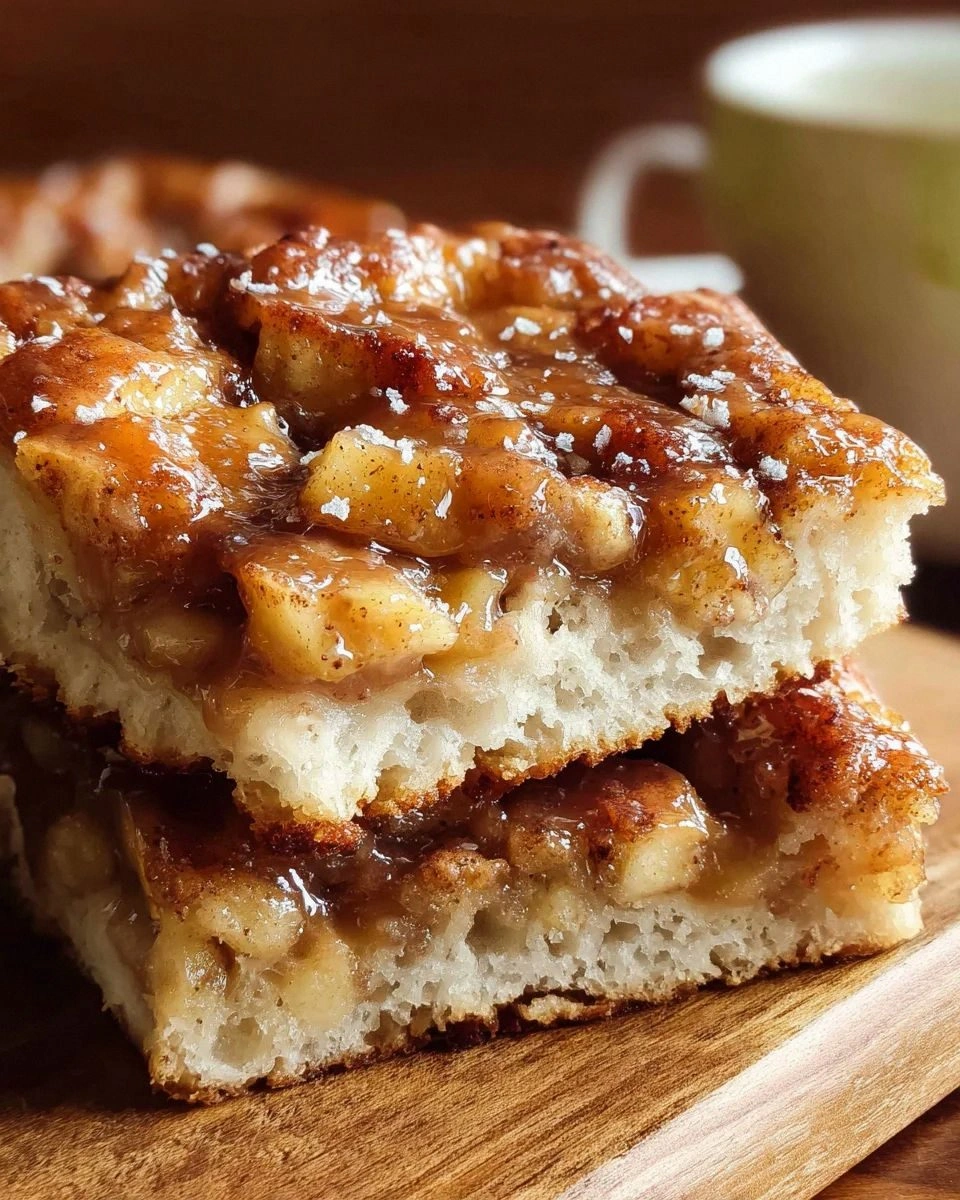
Fast forward an hour later, and I was pulling a golden‑brown slab of Apple Fritter Focaccia out of the oven. The top was speckled with caramelized apple pieces that glistened like tiny jewels, and the interior was airy, buttery, and just sweet enough to make me question every bland brunch I’d ever had. The first bite was a revelation: a crisp, caramel‑kissed crust that gave way to a soft, pillowy crumb studded with cinnamon‑spiced apple bits that melted on the tongue. I dared you to taste this and not go back for seconds—seriously, I’d bet my favorite whisk on it.
Most recipes out there try to shoe‑horn the concept of “sweet focaccia” into a bland, over‑sweetened flatbread that tastes like a sugary carpet. This version, however, respects the integrity of both the classic Italian focaccia and the beloved apple fritter. I’ve combined the airy, chewy texture you love in a traditional focaccia with the caramel‑brown sugar, cinnamon, and apple goodness you crave in a dessert. The secret? A light glaze that drizzles over the warm loaf, turning each bite into a glossy, melt‑in‑your‑mouth experience. Most recipes get this completely wrong—either they drown the dough in syrup or they forget the crucial step of letting the dough rest so the flavors can marry properly.
You’re probably wondering what the game‑changing ingredient is. Hint: it’s not a fancy spice rack find, but something you probably already have in the pantry—unsalted butter, melted just enough to coat the dough before the final bake. This tiny addition adds a richness that makes the focaccia feel indulgent without being cloying. And that’s not all—there’s a tiny trick with the yeast that I’ll reveal later that guarantees a perfect rise every single time. Okay, ready for the game‑changer? Let me walk you through every single step — by the end, you’ll wonder how you ever made it any other way.
What Makes This Version Stand Out
- Flavor Fusion: The combination of light brown sugar, cinnamon, and tart Granny Smith apples creates a balanced sweet‑savory profile that dances on the palate like a well‑choreographed ballet.
- Texture Triumph: A crisp, caramelized crust gives way to a fluffy, pillow‑soft interior—think crunchy exterior, cloud‑like center.
- Simplicity: Only ten core ingredients, all pantry staples, mean you won’t need a specialty store trip.
- Unique Glaze: A milk‑based confectioners’ sugar glaze adds shine and a subtle creamy finish that most “sweet breads” lack.
- Crowd Reaction: I’ll be honest — I ate half the batch before anyone else got to try it, and the leftovers still got rave reviews at a potluck.
- Ingredient Quality: Using fresh, crisp Granny Smith apples ensures a tart bite that cuts through the sweetness, preventing the dish from feeling syrupy.
- Cooking Method: High‑heat oven blast followed by a brief steam period yields that signature focaccia “puff” without soggy spots.
- Make‑Ahead Potential: This focaccia stores beautifully, and a quick re‑heat revives it like it just left the oven.
Inside the Ingredient List
The Flavor Base
Warm water is the silent hero that awakens the active dry yeast, creating a bubbly, airy foundation. If the water is too hot, you’ll kill the yeast; too cold and the dough will never rise properly. Aim for a temperature around 105°F (40°C)—the sweet spot where the yeast starts to dance. Sugar not only adds a subtle sweetness but also serves as food for the yeast, ensuring a vigorous rise. If you’re out of granulated sugar, honey works as a natural alternative, though it will add a faint floral note.
Active dry yeast is the magic that brings this focaccia to life. It’s the reason you get those beautiful airy pockets throughout the crumb. I always recommend proofing the yeast in warm water with a pinch of sugar for five minutes—if it doesn’t foam, your yeast is dead and the whole batch is doomed. For a deeper flavor, you can use a small portion of sourdough starter in place of half the yeast, but that’s a whole adventure on its own.
The Texture Crew
All‑purpose flour provides the structure that holds everything together while still allowing enough stretch for that focaccia “puff.” If you crave an even lighter crumb, swap half the flour for bread flour, which has a higher protein content. Kosher salt is crucial; it amplifies every flavor and balances the sweetness of the brown sugar. Unsalted butter, melted and folded in, adds richness and a tender crumb, making each bite melt like butter on hot toast.
Vegetable oil prevents the dough from sticking to the pan and adds a subtle moisture that keeps the crust from becoming too hard. Light brown sugar, with its caramel undertones, pairs perfectly with the tart apples, creating a deep, almost nutty sweetness. Ground cinnamon is the warm hug that ties the whole thing together, reminding you of autumn evenings even in the middle of summer.
The Unexpected Star
Vanilla extract might seem like a background player, but it adds a warm, aromatic backdrop that elevates the whole loaf. A splash of vanilla can turn a plain sweet bread into a dessert that feels sophisticated. The apples themselves are the headline act; their tartness cuts through the sugar, preventing the focaccia from becoming cloyingly sweet. Slice them thinly so they caramelize quickly and evenly—thick slices will stay soggy in the middle.
The Final Flourish
Confectioners’ sugar and whole milk combine to make a glossy glaze that drapes over the warm focaccia like a sweet satin sheet. The glaze sets as it cools, giving each slice a beautiful shine and a hint of milky richness. If you prefer a thicker glaze, simply double the confectioners’ sugar; for a thinner drizzle, add a splash more milk. This final touch is what separates a good focaccia from a show‑stopping dessert.
Everything's prepped? Good. Let's get into the real action...
The Method — Step by Step
Start by gathering all your ingredients and measuring them precisely. I dare you to taste this and not go back for seconds, so precision matters. In a small bowl, combine warm water, a pinch of sugar, and the active dry yeast. Let it sit for 5‑7 minutes until it becomes foamy, like a miniature cloud of potential. This is the moment of truth—if you don’t see bubbles, something’s off, and you’ll need fresh yeast.
While the yeast is proofing, melt the unsalted butter and vegetable oil together in a saucepan over low heat; this will be your liquid base. Once melted, stir in the light brown sugar, vanilla extract, and a dash of cinnamon until the mixture is smooth and fragrant. The aroma should hit you like a warm hug—think caramel‑cinnamon coffee on a crisp morning.
Kitchen Hack: Warm the butter and oil together in a microwave‑safe bowl for 20 seconds instead of a saucepan for a quicker melt.In a large mixing bowl, whisk together the all‑purpose flour, kosher salt, and the remaining cinnamon. Make a well in the center and pour in the proofed yeast mixture followed by the butter‑sugar blend. Using a wooden spoon, stir until a shaggy dough forms; it will look slightly sticky, and that’s exactly what you want.
Turn the dough onto a lightly floured surface and knead for about 6‑8 minutes. You’re looking for a smooth, elastic texture that springs back when pressed. If the dough feels too sticky, sprinkle a tablespoon of flour at a time—don’t over‑flour or you’ll lose that airy crumb.
Shape the dough into a ball and place it in a lightly oiled bowl, turning once to coat all sides. Cover the bowl with a clean kitchen towel and let it rise in a warm spot for 1‑1½ hours, or until it has doubled in size. The kitchen should smell like a bakery—sweet, yeasty, and comforting.
While the dough rises, prep the apples. Peel (optional), core, and slice them into thin wedges—about ¼ inch thick. Toss the slices with a tablespoon of light brown sugar and a pinch of cinnamon. This coating will help the apples caramelize beautifully on top of the focaccia.
Watch Out: If you slice the apples too thick, they’ll stay raw in the center. Thin slices ensure even caramelization.Preheat your oven to 450°F (230°C) and place a shallow metal pan on the bottom rack with a cup of hot water—this creates steam that gives the focaccia its signature blistered crust. Meanwhile, gently deflate the risen dough and press it onto a parchment‑lined baking sheet, spreading it to about ½‑inch thickness. Use your fingertips to dimple the surface; these little wells are where the olive oil and apple pieces will settle.
Drizzle a generous amount of olive oil over the dough, letting it pool in the dimples. Evenly distribute the apple slices on top, pressing them lightly into the dough so they stick during baking. Sprinkle a final dusting of light brown sugar and a pinch of cinnamon over the apples for extra caramelization.
Kitchen Hack: Use a pastry brush to spread the oil in a swirling motion; this creates a beautiful, glossy top without soggy spots.Slide the focaccia into the oven and bake for 20‑25 minutes, or until the edges are a deep golden brown and the apples are caramelized and slightly crisp. You’ll hear a faint crackling sound as the crust forms—listen for that, it’s your cue that the magic is happening.
While the focaccia bakes, whisk together confectioners’ sugar and whole milk until you have a smooth, pourable glaze. As soon as the focaccia emerges from the oven, drizzle the glaze over the hot surface; the heat will melt the glaze into a glossy sheen that sets as the loaf cools. Let the focaccia rest for 10 minutes before slicing, allowing the flavors to meld and the glaze to firm up. That sizzle when the glaze meets the hot bread? Absolute perfection.
That's it — you did it. But hold on, I've got a few more tricks that'll take this to another level...
Insider Tricks for Flawless Results
The Temperature Rule Nobody Follows
Never bake focaccia straight from the fridge. Let the dough sit at room temperature for 30 minutes before it hits the oven. This small pause equalizes the internal temperature, ensuring a uniform rise and a crust that’s evenly golden. I once tried to skip this step in a rush, and the result was a pale, dense loaf that felt more like a pancake than a focaccia. Trust the rule, and you’ll get that picture‑perfect puff every time.
Why Your Nose Knows Best
Your sense of smell is the best indicator of dough readiness. When the yeast is fully active, the dough will emit a faint, sweet, yeasty aroma—think freshly baked bread meets a light perfume. If you can’t smell anything, give it a few more minutes. I’ve learned to trust my nose more than the clock; it saved me from under‑proofing on multiple occasions.
The 5‑Minute Rest That Changes Everything
After shaping the dough on the pan, let it rest for exactly five minutes before adding the oil and apples. This short rest relaxes the gluten, allowing the dough to expand more easily in the oven. The result? Bigger air pockets and a lighter crumb. One of my friends tried to skip this rest and ended up with a focaccia that felt dense and rubbery—definitely not the airy experience we’re after.
Steam Power for the Perfect Crust
Placing a pan of hot water on the oven floor creates steam that keeps the crust from forming too quickly, allowing the interior to expand. The steam also gives the crust that coveted crackly texture, reminiscent of artisan breads you’d find in a European bakery. If you forget the water, the focaccia will still be good, but it won’t have that signature “puffy” look.
Glaze Timing is Everything
Drizzle the glaze while the focaccia is still hot—this ensures the glaze melts and spreads evenly, creating a glossy finish. If you wait until it cools, the glaze will sit on top and harden, losing that melt‑in‑your‑mouth quality. A quick tip: have the glaze bowl ready on the counter before you pull the focaccia from the oven, so you can act fast.
Creative Twists and Variations
This recipe is a playground. Here are some of my favorite ways to switch things up:
Maple‑Bacon Sweet‑Savory
Swap half the light brown sugar for pure maple syrup and sprinkle crisp cooked bacon bits over the apples before baking. The smoky saltiness of bacon pairs surprisingly well with the sweet maple glaze, turning the focaccia into a brunch centerpiece.
Cranberry‑Orange Zest
Add a handful of dried cranberries and a teaspoon of orange zest to the apple mixture. The citrus brightens the flavor, while the cranberries add a chewy burst that complements the tart apples.
Chocolate‑Hazelnut Delight
Fold in ¼ cup of chopped toasted hazelnuts and drizzle a thin layer of melted dark chocolate over the glaze after the focaccia cools. The nutty crunch and bittersweet chocolate turn this into a decadent dessert for chocolate lovers.
Whole‑Wheat Health Boost
Replace half of the all‑purpose flour with whole‑wheat flour for a nuttier flavor and added fiber. The texture stays light as long as you don’t over‑mix the dough.
Spiced Pumpkin Twist (Fall Edition)
In place of the apples, use a pumpkin puree mixed with pumpkin spice, and swap the brown sugar for maple syrup. This version is perfect for a cozy autumn gathering.
Storing and Bringing It Back to Life
Fridge Storage
Allow the focaccia to cool completely, then wrap it tightly in plastic wrap or place it in an airtight container. It will stay fresh in the refrigerator for up to three days. When ready to eat, reheat in a preheated 350°F oven for 8‑10 minutes, adding a tiny splash of water on the surface before covering with foil to steam it back to perfection.
Freezer Friendly
Slice the focaccia into serving‑size pieces, then freeze on a parchment sheet before transferring to a zip‑top bag. It freezes well for up to two months. To reheat, pop a slice straight into a toaster oven or microwave for 30 seconds, then finish in a hot skillet for a crisp edge.
Best Reheating Method
For the ultimate revival, preheat a cast‑iron skillet over medium heat, add a few drops of water, and place a slice of focaccia in the pan. Cover with a lid for two minutes to steam, then uncover and cook for another minute to crisp the bottom. The result is a slice that tastes as fresh as the day it was baked.