I was in a panic one rainy Friday night, scrambling to salvage a batch of over‑roasted chicken that had turned into a dry, flavorless mess. My roommate, a self‑proclaimed “meatball connoisseur,” dared me to turn that disaster into something worthy of a Michelin star, and I took the challenge. I opened the fridge, pulled out every ingredient I could find, and the kitchen smelled like a caramelized onion dream. The moment the onions hit the pan and began to sing a golden, sweet chorus, I knew I was on the brink of culinary alchemy. And that’s exactly where this recipe begins.
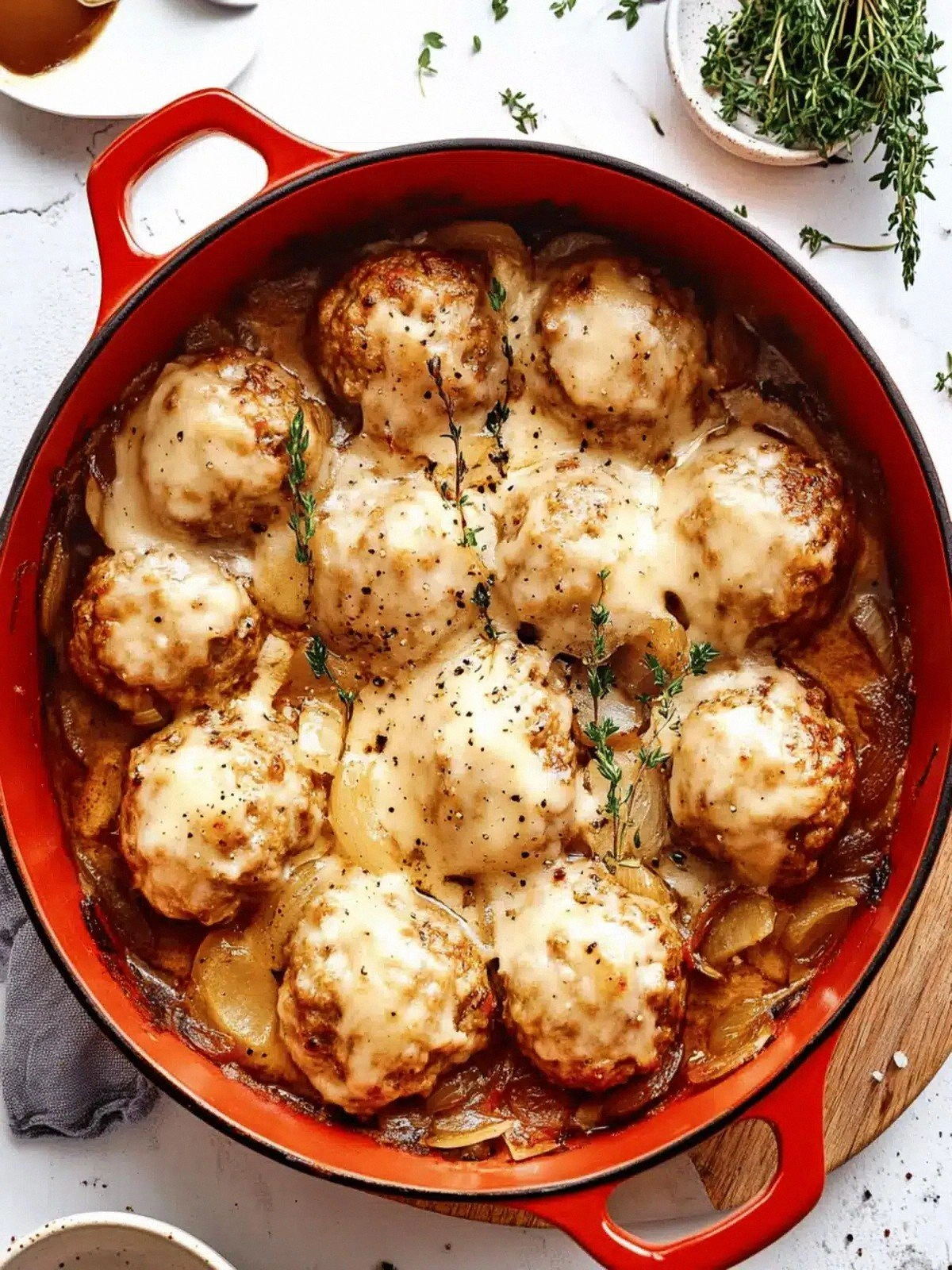
Picture this: a glossy, caramelized crust that hugs each bite, a savory chicken center that melts in your mouth, and a tangy balsamic glaze that ties everything together like a secret handshake. The sauce coats the meatballs like velvet, while the crispy edges shatter like thin ice, releasing a burst of umami that lingers on your palate. I dare you to taste this and not go back for seconds; it’s that addictive. Most recipes get this completely wrong, but here we’re going to nail the balance of sweet, savory, and herbaceous flavors every single time. If you’ve ever struggled with bland meatballs, you’re not alone — and I’ve got the fix. Stay with me here — this is worth it.
This version of French Onion Meatballs is hands down the best you’ll ever make at home because it layers flavors like a well‑written novel. The secret is a double‑step caramelization of onions and a sauce that simmers until it’s thick enough to cling to the meatballs, yet still silky enough to keep them from drying out. The ground chicken keeps the meatballs light and tender, while the mozzarella or Gruyère adds a subtle gooeyness that pairs perfectly with the sharpness of the onions. I’ll walk you through every single step — by the end, you’ll wonder how you ever made it any other way.
And before we dive into the meatball madness, let’s talk about why this recipe is a game‑changer. The combination of fresh herbs, a splash of balsamic, and a touch of corn flour creates a sauce that’s both thick and flavorful without resorting to heavy cream or butter. The use of ground chicken instead of beef reduces fat while still delivering that satisfying bite, making it a healthier option that doesn’t compromise on taste. The caramelized onions aren’t just a garnish; they’re the backbone of the flavor profile, providing a natural sweetness that balances the savory meat. Trust me, when you pull this out of the oven, the whole kitchen will smell incredible and the aroma will have your guests lining up for seconds.
What Makes This Version Stand Out
- Flavor Depth: The slow caramelization of onions releases a natural sweetness that pairs beautifully with the savory ground chicken, creating a complex taste profile that’s hard to beat.
- Texture Balance: The combination of bread crumbs and corn flour gives the meatballs a light, airy interior while the crispy exterior delivers a satisfying crunch.
- Ingredient Quality: Fresh herbs and a splash of balsamic vinegar elevate the dish, turning ordinary meatballs into a gourmet experience.
- Health Conscious: Using ground chicken instead of beef cuts the fat content while still providing a juicy, protein‑rich center.
- Make‑Ahead Friendly: The meatballs can be baked ahead, refrigerated, or frozen, making them an ideal option for busy weeknights.
- Versatile Serving Options: Serve them over pasta, in a sandwich, or as a party appetizer—each bite is a burst of flavor that works anywhere.
Inside the Ingredient List
The Flavor Base
Ground chicken is the heart of this dish; it offers a mild, versatile flavor that lets the onions and herbs shine. A pound of fresh ground chicken provides enough protein for four servings while keeping the meatballs light and tender. If you’re a fan of a richer, deeper flavor, you can substitute half beef for half chicken—just be prepared for a slightly heavier bite. Always choose a chicken with a fat content around 10% to maintain juiciness without excess grease.
The Texture Crew
Bread crumbs and corn flour work together to bind the meatballs and give them a delicate crumbly interior. The bread crumbs absorb moisture, preventing the meat from becoming too dry, while the corn flour adds a subtle crispness that sets off the caramelized onions. If you’re gluten‑free, swap the bread crumbs for almond flour or a gluten‑free breadcrumb blend. For an extra touch of crunch, lightly toast the crumbs before adding them to the mixture.
The Unexpected Star
Balsamic vinegar might seem like an odd choice for meatballs, but its sweet acidity cuts through the richness and brightens the overall flavor. A tablespoon of high‑quality balsamic adds depth without overpowering the dish. If you’re short on balsamic, a splash of red wine vinegar will work, but be sure to balance the acidity with a pinch of sugar to keep the sauce from becoming too tart. The fresh thyme and parsley add a bright, herbaceous note that lifts the entire dish.
The Final Flourish
Shredded mozzarella or Gruyère cheese adds a gooey, melty component that melts into the meatballs as they bake, creating pockets of savory creaminess. The cheese also helps to bind the mixture slightly, giving the meatballs a cohesive structure. If you’re vegan, a plant‑based mozzarella works fine, though the texture will be a bit different. The final spray of cooking oil ensures a golden, crisp surface without excessive oiliness.
Everything's prepped? Good. Let's get into the real action.
The Method — Step by Step
- First, preheat your oven to 375°F (190°C) and line a baking sheet with parchment paper. While the oven warms, bring a medium saucepan of water to a gentle simmer and set aside. This step ensures that the onions will cook evenly without burning. The aroma of the onions starting to sizzle will signal that everything is on track. Keep the heat medium-high to allow the onions to caramelize slowly.
- Slice the onions thinly and add them to the hot pan with 2 tablespoons of olive oil. Stir frequently, letting the onions brown slowly; they should turn a deep amber before they start to caramelize fully. This process releases their natural sugars, creating a sweet, savory base that will coat the meatballs. The onions should smell like sweet butter; if they start to burn, lower the heat immediately.
- Add the balsamic vinegar to the onions and let it reduce for about 3 minutes, scraping up any browned bits. The vinegar will caramelize further, creating a glossy glaze that will cling to the meatballs. This reduction is crucial for depth; skipping it will leave the sauce thin and less flavorful. While the vinegar reduces, whisk the garlic into the pan to release its aroma.
- In a large bowl, combine the ground chicken, bread crumbs, shredded cheese, chopped parsley, thyme, salt, pepper, and the egg. Mix until just combined; over‑mixing can make the meatballs tough. The egg acts as a binder, ensuring the mixture holds together during baking. Add a splash of cold water if the mixture feels too dry; this will keep the meatballs moist.
- Shape the mixture into 1‑inch balls and place them on the prepared baking sheet, spacing them about 2 inches apart. This spacing allows the heat to circulate and ensures even cooking. The size of the meatballs is important; too large and they’ll take too long to cook, too small and they’ll dry out. Use a spoon or your hands to gently flatten each ball slightly before baking.
- Spray the meatballs lightly with cooking oil to promote a golden crust. Slide the baking sheet into the preheated oven and bake for 20 minutes. Flip the meatballs halfway through to ensure even browning. The edges should pull away slightly from the pan, indicating a crisp exterior.
- Remove the meatballs from the oven and let them rest for 5 minutes. While they rest, pour the caramelized onion mixture into a saucepan and simmer until thickened, about 5 minutes. This creates a glossy sauce that coats the meatballs like velvet. The rest period allows the juices to redistribute, keeping the meatballs juicy.
- Toss the rested meatballs in the sauce, ensuring each one is evenly coated. Serve immediately over your favorite pasta, rice, or a crusty baguette. The sauce will cling to the meatballs, creating a harmonious bite that’s both comforting and elegant. If you’re plating for a crowd, keep the meatballs warm in a low oven while you finish the sauce.
That’s it—you did it. But hold on, I’ve got a few more tricks that will take this to another level.
Insider Tricks for Flawless Results
The Temperature Rule Nobody Follows
Many cooks bake meatballs at 400°F, but this can dry them out. I’ve found that 375°F consistently produces a moist interior with a crisp exterior. Keep the oven rack in the middle to allow even heat distribution. If you’re using a convection oven, reduce the temperature by 25°F to avoid over‑browning.
Why Your Nose Knows Best
When the onions start to caramelize, your nose will tell you when they’re just right. The aroma should be sweet and buttery, not sharp or raw. If the smell is too raw, let them cook a bit longer; if it’s too burnt, reduce the heat. Trusting your senses is the quickest way to avoid a bland dish.
The 5‑Minute Rest That Changes Everything
Letting the meatballs rest after baking allows the juices to redistribute, keeping each bite juicy. A quick 5‑minute rest is enough; you don’t want them to cool down too much. If you’re prepping ahead, you can rest them in the refrigerator and reheat later, but the rest period is still essential for texture.
The Secret to a Glazed Finish
Add a tablespoon of honey to the sauce before simmering to deepen the caramelization and add a subtle sweetness. This also helps the sauce set into a glossy glaze. If you prefer a more savory finish, a splash of soy sauce will add umami without overpowering.
The Final Coat of Oil
A light spray of cooking oil before baking creates a golden crust that’s both crisp and flavorful. Avoid using too much oil; a single spray is sufficient. This technique also helps the sauce cling to the meatballs, ensuring every bite is packed with flavor.
Creative Twists and Variations
This recipe is a playground. Here are some of my favorite ways to switch things up:
Mediterranean Twist
Swap the mozzarella for feta and add chopped kalamata olives to the mixture. Use oregano instead of thyme and finish the sauce with a splash of white wine. This version pairs wonderfully with a Greek salad or a warm pita. The salty feta and olives add a briny contrast to the sweet onions.
Spicy Cajun Kick
Add a teaspoon of Cajun seasoning to the meatball mixture and sprinkle a pinch of cayenne on the top before baking. Finish the sauce with a dash of hot sauce. The spicy notes complement the sweet onions, creating a balanced flavor profile. Serve over rice to soak up the heat.
Cheesy Mac & Cheese Upgrade
Fold in a cup of shredded cheddar into the meatball batter for an extra cheesy bite. Toss the baked meatballs with a light béchamel sauce and top with breadcrumbs. Bake again until the breadcrumbs are golden. This version turns the dish into a comforting, cheesy casserole.
Vegan Version
Replace ground chicken with a plant‑based ground meat alternative and use a vegan mozzarella or nutritional yeast for the cheese. Use a plant‑based broth and olive oil. The result is a hearty, plant‑based dish that still delivers on flavor. It’s perfect for a meatless dinner night.
Asian Fusion
Add a tablespoon of soy sauce to the sauce and sprinkle sesame seeds on top after baking. Toss the meatballs with a little ginger and garlic. Serve over steamed rice with a drizzle of hoisin sauce. The umami from the soy and hoisin pairs beautifully with the caramelized onions.
Storing and Bringing It Back to Life
Fridge Storage
Store the baked meatballs in an airtight container in the refrigerator for up to 4 days. Keep the sauce separate until you’re ready to reheat to avoid sogginess. When you’re ready to serve, reheat in the oven at 350°F for 10 minutes. The meatballs will stay juicy and the sauce will regain its glossy sheen.
Freezer Friendly
Freeze the meatballs in a single layer on a baking sheet, then transfer to a freezer bag once solid. They’ll keep for up to 3 months. Thaw overnight in the refrigerator before reheating. The texture remains firm, and the sauce can be reheated gently on the stove.
Best Reheating Method
Reheat the meatballs in a skillet with a splash of water or broth, covering the pan to create steam. This technique prevents the meat from drying out. Add a tiny splash of water before reheating to steam back to perfection. Serve immediately for the best experience.