Picture this: I was halfway through a midnight snack, wings in the oven, when the timer beeped and the kitchen turned into a citrus‑scented fog machine. My friend dared me to make the best lemon‑garlic chicken wings ever, and I turned that dare into a culinary manifesto. The result? A dish that melts on the tongue, leaves a citrus afterglow, and makes even the most skeptical taste buds do a double take. This isn’t just another wing recipe—it's a flavor revolution that will haunt your cravings for years.
I can still feel the heat of the oven seeping through the glass, hear the faint hiss of steam, and smell the sharp citrus cutting through the savory meat. The sound of the timer ticking like a metronome, the visual of wings turning from pale to golden, and the anticipation of that first bite all combine into a sensory symphony. The aroma of garlic and lemon mingles with the smoky scent of olive oil, promising a taste that’s both bright and comforting. The texture is a study in contrast: the outside crisp, the inside juicy, the lemon zest whispering on the surface.
What makes this version stand out is that it doesn’t rely on a commercial sauce or a complicated spice rack. Instead, it uses a handful of fresh ingredients that work together like a well‑tuned orchestra. The lemon juice cuts through the richness of the chicken, while the garlic adds depth that lingers. The olive oil creates a silky coating that traps flavor, and the parsley gives a final pop of color and freshness. It’s a recipe that feels both indulgent and approachable, proving that simplicity can be the ultimate sophistication.
And there’s a twist you won’t expect: a splash of Italian seasoning that brings an earthy, herbal undertone, and a pinch of paprika that adds a subtle smokiness. I dare you to taste this and not go back for seconds. Picture yourself pulling this out of the oven, the whole kitchen smelling incredible, and seeing friends’ eyes light up as they take that first bite. Let me walk you through every single step — by the end, you’ll wonder how you ever made it any other way.
What Makes This Version Stand Out
- Taste: The marriage of lemon and garlic creates a bright, tangy profile that cuts through the fattiness of the wings, leaving a clean finish that lingers on the palate.
- Texture: A perfectly crisp exterior that cracks with each bite, paired with tender, juicy meat inside that stays moist thanks to the olive oil coating.
- Ingredient Quality: Freshly sliced garlic and freshly squeezed lemon juice bring depth and authenticity that canned or bottled alternatives can’t match.
- Cooking Method: Baking rather than frying reduces mess and fat content while still delivering the coveted crunch and caramelization.
- Make‑Ahead Potential: The wings can be marinated overnight, allowing flavors to penetrate fully, and reheated in a short time without losing crispness.
- Crowd Reaction: Friends and family often ask for the recipe after tasting, and the dish becomes a go‑to for game day, parties, or a quick weeknight dinner.
Alright, let’s break down exactly what goes into this masterpiece…
Inside the Ingredient List
The Flavor Base
The olive oil isn’t just a cooking medium; it’s the vehicle that carries the lemon and garlic flavors into the meat. A tablespoon of olive oil for every two wings ensures a silky coating that locks in moisture. Skipping it would leave the wings dry and less flavorful.
The Texture Crew
The paprika and Italian seasoning add a subtle depth and a hint of earthiness that balances the brightness of the lemon. They also contribute to the golden crust that forms during baking. If you’re watching sodium, reduce the paprika slightly, but keep the Italian seasoning to maintain that herbaceous note.
The Unexpected Star
Fresh parsley isn’t just a garnish; it adds a burst of green color and a mild, peppery finish that lifts the dish. A tablespoon of parsley, finely chopped, brightens the plate and adds a fresh, herbal aroma. If you’re out of parsley, a pinch of dried basil can work as a substitute.
The Final Flourish
Lemon wedges are the perfect accompaniment for squeezing fresh juice right before serving, adding a personalized touch and a fresh burst of citrus. They also serve as a decorative element that makes the dish feel more upscale. If you prefer a more intense lemon flavor, add an extra half teaspoon of zest.
Everything’s prepped? Good. Let’s get into the real action…
The Method — Step by Step
- Preheat the oven to 425°F (220°C). This high temperature is crucial for crisping the skin while keeping the meat juicy. As the oven warms, the air circulation begins to evaporate moisture from the wings, setting the stage for a golden crust. Feel the heat building up; it’s almost like a promise of flavor.
- Trim and pat dry the wings. Removing excess fat and moisture prevents steaming and ensures the coating sticks. Use a paper towel to blot the wings until they feel slightly tacky. This simple step can mean the difference between soggy and sensational.
- In a large bowl, combine olive oil, minced garlic, lemon juice, lemon zest, paprika, Italian seasoning, salt, and pepper. Whisk until the mixture is a uniform, fragrant sauce. The garlic should be finely minced so it distributes evenly; otherwise, you’ll end up with uneven flavor pockets. This is the moment where the aroma starts to fill the kitchen, a scent that’ll keep you coming back for more.
- Coat the wings in the sauce. Toss the wings until each piece is thoroughly coated. Use a spoon or your hands to ensure an even distribution; the sauce should cling to every crevice. This step is where the magic starts, as the flavors begin to penetrate the meat.
- Arrange the wings on a wire rack set over a baking sheet. The rack allows air to circulate around the wings, promoting even cooking and crisping. If you don’t have a rack, a single layer on the sheet works, but you’ll need to flip halfway through.
- Bake for 25 minutes, then flip the wings. The first 25 minutes caramelize the exterior, while the flip ensures both sides get a golden finish. Watch for the edges pulling away from the skin; that’s a sign they’re getting crispy. If your wings are smaller, reduce the time by a few minutes.
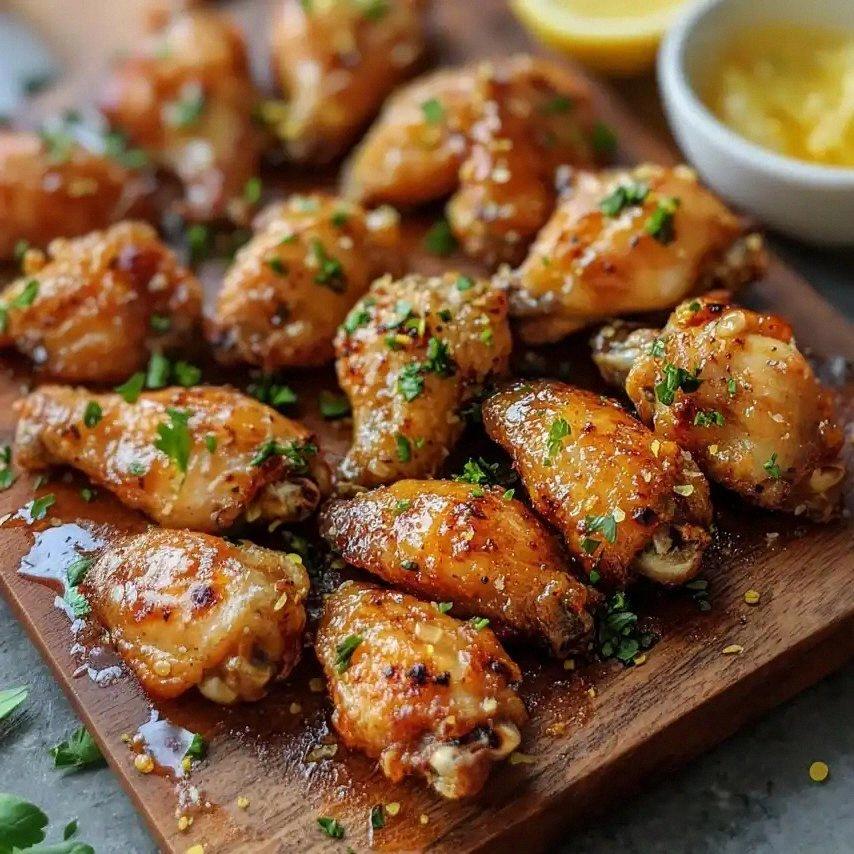
- Bake for an additional 10-12 minutes until the wings reach an internal temperature of 165°F (74°C). Use a meat thermometer to confirm doneness; the skin should be crisp, and the meat should be tender. The final minutes allow the flavors to meld and the coating to set firmly.
- Garnish with fresh parsley and serve with lemon wedges. The parsley adds a fresh, herbal note that balances the richness, while the lemon wedges offer a customizable splash of brightness. Plate them on a warm dish to keep the wings hot and crispy. Enjoy immediately for the best texture.
That’s it — you did it. But hold on, I’ve got a few more tricks that’ll take this to another level. The next section will reveal insider tips that even seasoned cooks will appreciate.
Insider Tricks for Flawless Results
The Temperature Rule Nobody Follows
Many people bake at 400°F, but 425°F is the sweet spot for crispness. The higher heat quickly seals the skin, preventing steam from creating sogginess. Keep the oven rack in the middle to avoid burning the edges. A small thermos or a digital thermometer can help you monitor the exact temperature.
Why Your Nose Knows Best
The aroma of garlic and lemon is a reliable indicator of progress. When the scent becomes sharp and slightly sweet, the wings are nearing their golden finish. Trust your nose; it’s a seasoned judge of doneness that no digital device can replace.
The 5-Minute Rest That Changes Everything
After removing the wings from the oven, let them rest on a wire rack for 5 minutes. This allows juices to redistribute, ensuring each bite is moist and tender. The rest also lets the coating set, so it doesn’t fall off when you take a bite.
The Secret to a Sticky, But Not Sticky, Coating
If the sauce is too runny, it won’t adhere properly. Add a tablespoon of flour or cornstarch to the sauce to thicken it slightly. This helps the coating cling without turning the wings gummy.
The Freshness Factor
Use freshly squeezed lemon juice whenever possible. Bottled lemon juice can taste flat and alter the bright profile of the dish. If fresh lemons are out of season, use bottled but keep the zest fresh by grating it yourself.
Creative Twists and Variations
Spicy Sriracha Glaze
Swap the lemon juice for a mixture of sriracha and honey. The heat pairs beautifully with the savory chicken, and the honey adds a caramelized sweetness that caramelizes on the skin. This variation is a hit for those who love a little heat.
Honey Mustard Kick
Replace the olive oil with a mixture of Dijon mustard and honey. The mustard adds tang, while the honey brings a glossy, caramelized finish. This version is perfect for a more sophisticated palate.
Herb‑Infused Olive Oil
Infuse the olive oil with rosemary and thyme before mixing it with the other ingredients. The herbs infuse the coating with a deep, earthy flavor that complements the citrus. This is a great way to bring a Mediterranean twist.
Brown Sugar Crunch
Add a tablespoon of brown sugar to the sauce for a sweet, caramelized crust. The sugar browns during baking, giving the wings a slightly crunchy exterior. It’s a sweet‑savory balance that works well with the lemon.
Asian‑Inspired Sesame Glaze
Swap the lemon juice for rice vinegar and add toasted sesame seeds to the coating. The vinegar gives a mild tang, while the sesame seeds add crunch and nutty aroma. This variation is ideal for a fusion‑friendly crowd.
Citrus‑Herb Marinade
Marinate the wings in a mixture of orange juice, thyme, and a splash of soy sauce for 2 hours before baking. The orange adds a sweeter citrus note, while the soy sauce deepens the umami profile. This twist is a crowd‑pleaser at dinner parties.
This recipe is a playground. Here are some of my favorite ways to switch things up: from fiery sriracha to sweet honey mustard, from herb‑infused oils to Asian‑style glazes, you can tailor the flavor profile to suit any mood or occasion. The key is to keep the base—garlic, lemon, olive oil—intact and let each variation shine.
Storing and Bringing It Back to Life
Fridge Storage
Store leftover wings in an airtight container for up to 3 days in the refrigerator. The crispness may diminish slightly, but the flavors remain robust. Keep them on a wire rack to maintain airflow and prevent sogginess.
Freezer Friendly
For longer storage, freeze the wings in a single layer on a parchment sheet before transferring to a freezer bag. They stay fresh for up to 2 months. When ready to eat, thaw overnight in the fridge.
Best Reheating Method
Reheat in a 375°F (190°C) oven for 10 minutes, or until heated through. Add a splash of water or broth before reheating to create steam, which helps restore moisture and crispness. Finish with a quick broil for 2 minutes if you want to revive that golden crunch.
Add a tiny splash of water before reheating — it steams back to perfection. This simple trick ensures the wings stay juicy and the coating remains intact.