Introduction
Picture this: a Sunday afternoon, a pot of boiling potatoes, and a frantic scramble to make dinner for a growing family. I was juggling a laptop, a toddler, and a pan of onions that had already browned into a caramelized mess. The result? A soggy, bland mash that tasted like a sad, unfulfilled promise. I swore then that I would never again settle for mediocre potato pancakes.
That night, I pulled up a stack of German recipes, flipped through a dusty cookbook, and found the secret to buttery, golden pancakes that crackle like applause. The aroma that emerged from the skillet was intoxicating—warm butter, faintly sweet onions, and a whisper of potato that felt like a hug in a bowl. I could hear the sizzling chorus, see the edges crisping to a perfect amber, and feel the buttery glaze cling to my fingers.
What makes this version stand out is not just the crispness, but the depth of flavor that comes from a simple, honest blend of ingredients. The potatoes are grated, not mashed, creating a flaky interior that melts in your mouth. The onions are finely minced, releasing a subtle sweetness that balances the earthiness. The batter is a delicate dance of flour and eggs, giving it body without heaviness. And the butter? It’s melted, then melted again in the pan, coating each pancake in a glossy, buttery sheen.
There’s a twist you won’t expect: a touch of milk and a dash of nutmeg that lift the entire dish to a new level of comfort. I dare you to taste this and not go back for seconds. Let me walk you through every single step — by the end, you'll wonder how you ever made it any other way.
What Makes This Version Stand Out
- Taste: The combination of caramelized onions and buttery crust creates a flavor profile that’s both savory and slightly sweet, reminiscent of a cozy kitchen fire.
- Texture: The pancakes boast a crisp exterior that shatters like thin ice, while the inside remains airy and tender, offering a delightful contrast.
- Simplicity: With just a handful of pantry staples, you can produce a restaurant‑quality dish without hours of prep.
- Uniqueness: The subtle infusion of milk and nutmeg sets this recipe apart from the traditional, giving it a silky finish.
- Crowd Reaction: Friends and family rave about the crunch and richness, often asking for the recipe after every dinner.
- Ingredient Quality: Using fresh, firm potatoes and high‑quality butter elevates the overall experience.
- Cooking Method: The technique of pre‑heating the pan and using a generous amount of butter ensures even browning.
- Make‑ahead Potential: The batter can be prepared in advance and stored in the fridge for up to 24 hours, making it perfect for busy weeknights.
Alright, let's break down exactly what goes into this masterpiece…
Inside the Ingredient List
The Flavor Base
Potatoes are the heart of this dish. Choose russet potatoes for their high starch content, which yields a light, fluffy interior. Grate them finely so they bind together but still hold structure. If you skip the potatoes, you lose the classic German pancake feel—think of it as a pancake without its soul.
The Texture Crew
All‑purpose flour provides the body and helps the batter hold together. A pinch of baking powder is optional but can give an extra lift. The eggs act as a binder and add richness, creating that buttery sheen on the surface. Without eggs, the pancakes would crumble like a bad joke.
The Unexpected Star
Milk (or a splash of water) softens the batter, making it silky and easy to spread. It also helps the flour hydrate properly, preventing a gritty bite. If you’re dairy‑free, a non‑dairy milk works fine, but the taste will shift slightly.
The Final Flourish
Butter is the hero that gives the pancakes their signature crunch and golden color. Use unsalted butter so you can control the salt level precisely. A pinch of nutmeg adds a warm, aromatic undertone that lifts the entire dish. Skipping the nutmeg makes the flavor profile flatter, almost like a plain pancake.
Everything's prepped? Good. Let's get into the real action…
The Method — Step by Step
- Start by heating a large non‑stick skillet over medium heat. Add a tablespoon of butter and let it melt until it starts to foam but not brown. This ensures a buttery base that prevents sticking and creates a golden crust. Watch the butter as it turns a light amber, a visual cue that the pan is ready.
- In a large mixing bowl, combine the grated potatoes, onions, and a pinch of salt. Toss them together so the salt distributes evenly, enhancing the natural sweetness of the onions. The mixture should feel slightly moist but not wet—just enough to bind.
- Add the flour, eggs, and a splash of milk to the potato mixture. Whisk until the batter is smooth, with no lumps of flour. The batter should be thick enough to coat the back of a spoon but still pourable. If it’s too thick, add a teaspoon of water to reach the right consistency.
- Season the batter with freshly ground black pepper and a pinch of nutmeg. Stir in the remaining tablespoon of butter, which will melt into the mixture, adding richness. The aroma of butter and nutmeg should fill the kitchen, signaling that the dish is on the right track.
- Let the batter rest for about 5 minutes; this allows the flour to hydrate fully and the flavors to meld. During this time, you can prep your serving plates or set the table. Resting also helps the pancakes hold their shape when cooked.
- Heat the skillet again and add a generous knob of butter, letting it melt and coat the pan. Spoon a ladleful of batter onto the skillet, spreading it gently to form a round pancake about 1.5 inches thick. The batter should sizzle immediately, a sign that the heat is just right.
- Cook the pancake for 3–4 minutes on the first side until the edges lift and the underside is a deep golden brown. Flip carefully with a spatula, then cook the second side for another 3 minutes. The pancake should feel firm to the touch but still tender inside.
- Transfer the finished pancake to a plate and cover loosely with foil to keep it warm. Repeat the process with the remaining batter, adding butter to the pan as needed. Each pancake should have a crisp exterior and a buttery interior that melts in your mouth.
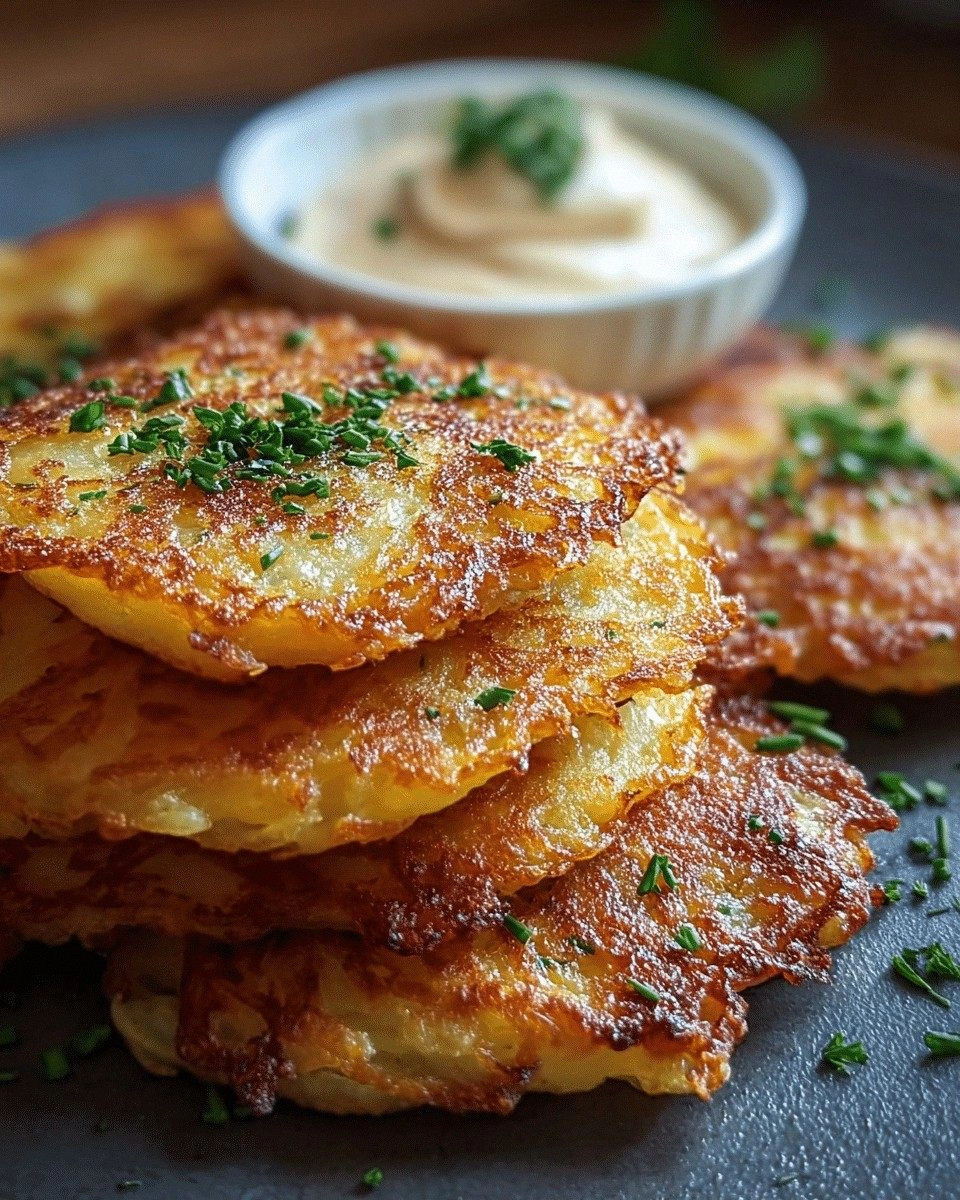
- Once all pancakes are cooked, serve them immediately while still hot and crispy. Garnish with chopped fresh chives for a burst of color and a fresh, herbal note that cuts through the richness.
- Enjoy the moment of triumph—your kitchen smells like a cozy German bakery, and the first bite delivers a satisfying crunch followed by a buttery melt. This is the moment of truth. You did it.
That's it — you did it. But hold on, I've got a few more tricks that'll take this to another level…
Insider Tricks for Flawless Results
The Temperature Rule Nobody Follows
Many cooks start with a high heat, but the secret is a medium‑low setting that allows the batter to cook through without burning the outside. I once flipped pancakes on a scorching pan, only to find the edges charred while the center remained raw. Keep the skillet at medium heat and let the butter melt slowly; the sizzle should be gentle, not a roar.
Why Your Nose Knows Best
As the pancakes cook, your nose will tell you when they’re ready to flip. A buttery, nutty aroma indicates that the bottom has browned to perfection. If you rely solely on the visual cue, you might miss the moment when the edges start to pull away from the pan.
The 5‑Minute Rest That Changes Everything
Letting the batter rest for a few minutes after mixing allows the flour to absorb the liquids fully. This small pause results in a smoother batter that spreads evenly and reduces the risk of lumps. Skipping this step can leave your pancakes with a gritty texture.
Use a Heavy‑Bottom Pan
A heavy‑bottom skillet distributes heat evenly, preventing hot spots that can burn the batter. I once used a lightweight pan and ended up with unevenly browned pancakes. Invest in a good skillet for consistent results.
Keep the Butter Fresh
Use fresh, cold butter to ensure a clean, golden crust. Stale butter can impart a sour taste that clashes with the delicate potato flavor. If you’re short on time, a quick melt of butter in a small saucepan before adding to the skillet works well.
Serve Immediately
These pancakes are best enjoyed hot and crisp. If you must hold them for a few minutes, place them on a wire rack over a baking sheet at 200°F to keep the crust from softening. I’ve tried letting them sit on a plate, and the result was a soggy mess.
Creative Twists and Variations
This recipe is a playground. Here are some of my favorite ways to switch things up:
Cheesy Delight
Fold shredded Gruyère or aged cheddar into the batter before cooking. The cheese melts into pockets of gooey richness that contrast with the crisp exterior. This version is perfect for a brunch crowd craving a savory, melty experience.
Herb‑Infused
Add chopped rosemary, thyme, or dill to the batter. The herbs release aromatic oils that elevate the potato base, giving the pancakes a Mediterranean twist. Serve with a dollop of Greek yogurt for a cooling contrast.
Spicy Kick
Incorporate finely chopped jalapeños or a dash of cayenne pepper into the mixture. The heat will linger on the palate, balancing the buttery sweetness. Pair with a cool cucumber relish to soothe the tongue.
Vegan Version
Replace the eggs with a flaxseed or chia “egg” and use plant‑based butter. The texture remains tender, and the flavor stays buttery. This variation is ideal for those who want a plant‑based comfort dish.
Sweet Surprise
Swap the onions for diced apples and add a sprinkle of cinnamon. The result is a sweet‑savory pancake that pairs wonderfully with a drizzle of honey or maple syrup. It’s a breakfast staple that feels like dessert.
Garnish Galore
Finish with a scattering of crispy bacon bits, sautéed mushrooms, or caramelized onions. Each topping adds a new layer of flavor and texture, turning the dish into a customizable masterpiece.
Storing and Bringing It Back to Life
Fridge Storage
Cool the pancakes to room temperature, then stack them with parchment paper between each layer. Store in an airtight container in the refrigerator for up to 3 days. The butter will firm up, but the flavor remains intact.
Freezer Friendly
Place the cooled pancakes on a baking sheet and freeze until solid. Transfer to a freezer bag, removing as much air as possible. They’ll keep well for up to 2 months. Reheat directly from frozen in a skillet for a few minutes per side.
Best Reheating Method
To restore crispness, warm the pancakes in a hot skillet with a small amount of butter. Alternatively, use a toaster oven at 350°F for 5 minutes. Add a tiny splash of water before reheating to steam the interior and keep it moist.