Introduction
Picture this: it’s a rainy Thursday night, your fridge is a sad, empty wasteland, and you’re staring at a bag of pre‑cooked chicken sausage that’s been sitting there longer than your last relationship. You reach for the orzo that’s been dormant in the pantry, thinking, “Maybe I’ll just toss everything together and see what happens.” That was the moment I discovered the ultimate one‑pan dinner that turned a culinary disaster into a culinary triumph.
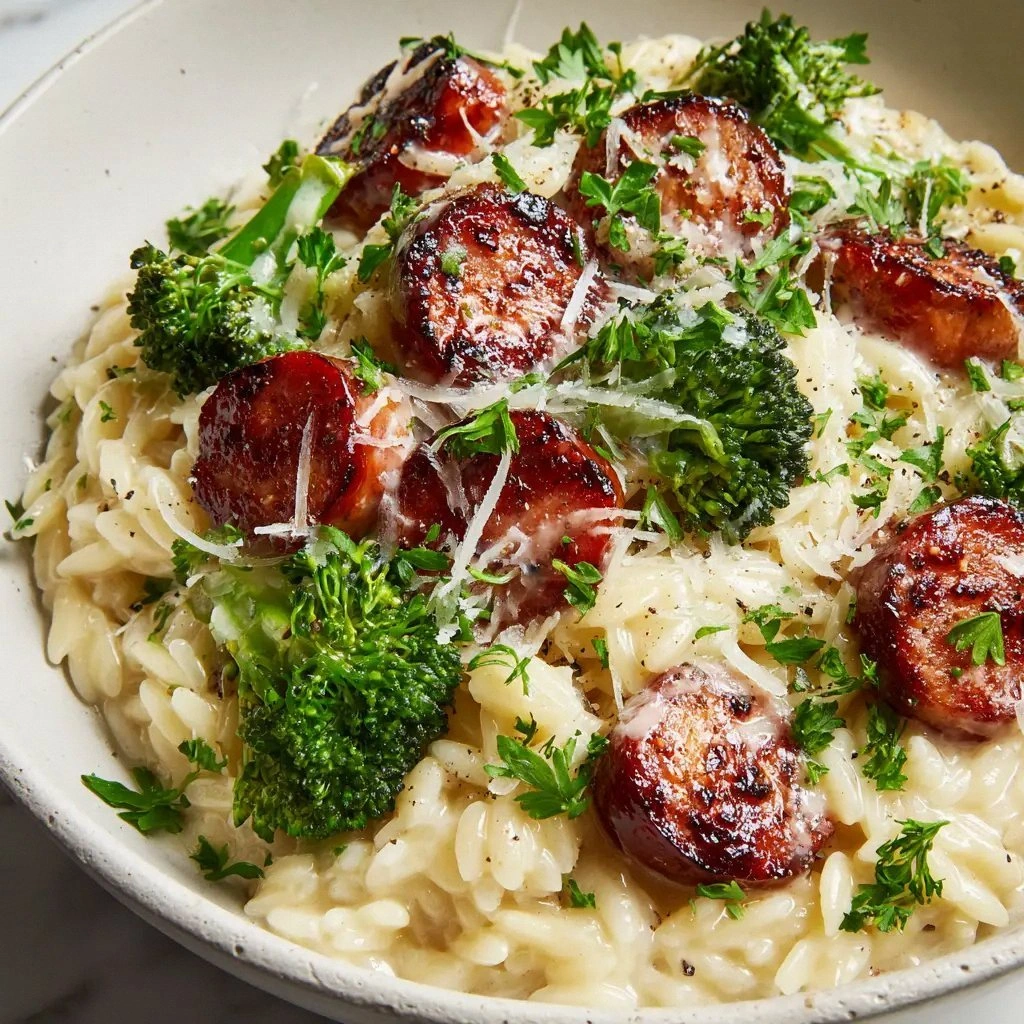
The first thing that hit me was the aroma—sizzling garlic, caramelized sausage, and the subtle nutty scent of orzo drifting from the pan. The sound of the skillet was a steady, comforting hiss, like a campfire in a kitchen. I could feel the heat radiating off the pan, the steam rising in ribbons that smelled like home. And when I tasted the first bite, it was like velvet coating my palate, the creamy sauce hugging each grain of pasta, the broccoli offering a crisp bite that shattered like thin ice.
Why does this version stand out? Because it’s a symphony of textures and flavors that most recipes miss: the buttery crunch of sausage, the tender yet firm broccoli, the silky cream that binds it all together, and that final flourish of parmesan that gives it that golden sheen. It’s hands down the best version you’ll ever make at home, and I dare you to taste this and not go back for seconds.
There’s a secret ingredient that most people overlook—heavy cream. I’ll confess, I almost skipped it to keep the dish light, but the cream turns the sauce into a silky, luxurious coating that makes every bite feel indulgent. Picture yourself pulling this out of the oven, the whole kitchen smelling incredible, and the first spoonful melting on your tongue like a sweet dream. Let me walk you through every single step—by the end, you’ll wonder how you ever made it any other way.
Okay, ready for the game‑changer? This recipe is not just a dish; it’s a culinary revelation that turns ordinary ingredients into extraordinary comfort food. And if you’ve ever struggled to get the sauce to coat the pasta evenly, you’re not alone—this is where the magic happens.
Now, let’s dive into the details, because I’ve got a few more tricks that will elevate this dish to another level. Stay with me here — this is worth it.
What Makes This Version Stand Out
- Flavor: The combination of pre‑cooked sausage, garlic, and a splash of heavy cream creates a savory, velvety sauce that coats each grain of orzo. The final sprinkle of parmesan adds a salty, nutty finish that balances the richness.
- Texture: The broccoli florets stay bright green and slightly crunchy, providing a contrast to the creamy pasta. The sausage offers a satisfying bite that doesn’t get soggy.
- Speed: From prep to plate, you’re looking at just 45 minutes. The one‑pan approach cuts down cleanup and lets you focus on the flavors.
- Versatility: Swap the sausage for chicken breast, pork, or even tofu, and the dish adapts. You can change the broth to vegetable or use a splash of white wine for a different depth.
- Crowd‑pleaser: This dish works for dinner parties, week‑night meals, or even a potluck. Guests will rave about the creamy sauce and the bright, fresh broccoli.
- Make‑ahead Friendly: The flavors only deepen after a night’s rest, making it ideal for meal prep or a busy schedule.
Inside the Ingredient List
The Flavor Base
At the heart of this dish lies the humble garlic—two cloves minced to release their aromatic oils. Garlic is the flavor backbone that transforms simple orzo into a savory masterpiece. If you skip garlic, the dish will feel flat and lifeless; the absence of that punchy aroma is like missing a key instrument in an orchestra.
Next comes the 12 ounces of pre‑cooked chicken sausage. These sausages are already seasoned, so you’re not adding extra salt or spices. They bring a smoky, savory depth that anchors the sauce. If you’re craving something more robust, look for a sausage with a bit of fennel or paprika for a subtle spice twist.
Adding 2.5 cups of low‑sodium chicken broth is essential for creating a sauce that’s silky yet not overly heavy. The broth dilutes the richness of the cream and keeps the dish from becoming too cloying. If you can’t find low‑sodium broth, use regular but reduce the amount of added salt later.
The Texture Crew
The 2 cups of fresh broccoli florets are the crunch factor. They’re added after the orzo has absorbed most of the liquid, so the florets stay bright green and firm. If you prefer softer broccoli, toss it in at the beginning; just be aware it will release more water and slightly dilute the sauce.
Heavy cream, 0.5 cup, is the secret to that luxurious coating. It thickens the sauce, giving it a silky mouthfeel that clings to every noodle. If you’re watching calories, replace half the cream with half‑fat milk and add a splash of heavy cream to maintain that velvety texture.
The Unexpected Star
1 tablespoon of extra‑virgin olive oil is the subtle base that brings all the flavors together. It also helps the sausage crisp up slightly in the pan, adding a buttery finish. Using a high‑smoke‑point oil like avocado or grapeseed would also work if you’re looking for a different flavor profile.
Coarse cracked black pepper, 1 teaspoon, offers a peppery bite that cuts through the richness of the cream. The coarse texture gives a slight crunch and a burst of flavor. If you’re not a fan of black pepper, try white pepper or a pinch of cayenne for a spicy kick.
The Final Flourish
Freshly grated parmesan cheese, 0.5 cup, is the final flourish that brings the dish together. It melts into the sauce, creating a golden crust on top that’s both savory and slightly nutty. If you’re lactose intolerant, try a vegan parmesan alternative or nutritional yeast for a similar umami boost.
2 tablespoons of flat‑leaf parsley are tossed in at the very end for a burst of color and a fresh herbal note. Parsley brightens the dish and provides a subtle peppery finish that balances the creaminess. A squeeze of fresh lemon juice could also be added for a bright, citrusy contrast.
Everything’s prepped? Good. Let’s get into the real action…
The Method — Step by Step
- Heat a large, heavy‑bottom skillet over medium heat and drizzle in the tablespoon of olive oil. Let the oil heat until it shimmers but isn’t smoking. Add the sliced pre‑cooked sausage to the pan and let it sear for about 3 minutes, turning occasionally, until it develops a golden crust. This step is the moment of truth; the sizzling sound is the soundtrack of flavor building.
- Add the minced garlic to the pan and sauté for 30 seconds, just until fragrant. Watch carefully—garlic burns fast. The aroma should be rich and inviting, like a warm hug in the kitchen. If the garlic starts to brown too quickly, lower the heat slightly.
- Pour in the low‑sodium chicken broth and stir, scraping up any browned bits from the bottom of the pan. These bits are packed with flavor, so don’t skip this step. Bring the mixture to a gentle simmer; you’ll see tiny bubbles forming along the edges.
- Add the dry orzo to the simmering liquid. Stir to combine, ensuring each grain is coated with the broth. Cover the skillet with a lid and let the orzo cook for 8–10 minutes, or until it’s al dente and the liquid has mostly been absorbed. Keep an eye on it; if it starts to stick, add a splash more broth.
- While the pasta cooks, toss the fresh broccoli florets in a bowl with a pinch of salt. Set aside. When the orzo is nearly done, sprinkle the broccoli over the top, cover, and let it steam for 2 minutes. The broccoli should stay bright green and slightly crisp.
- Reduce the heat to low and stir in the heavy cream, letting it swirl through the sauce. The cream will thicken the mixture into a luscious, silky coat. If the sauce seems too thick, add a tablespoon of broth to loosen it.
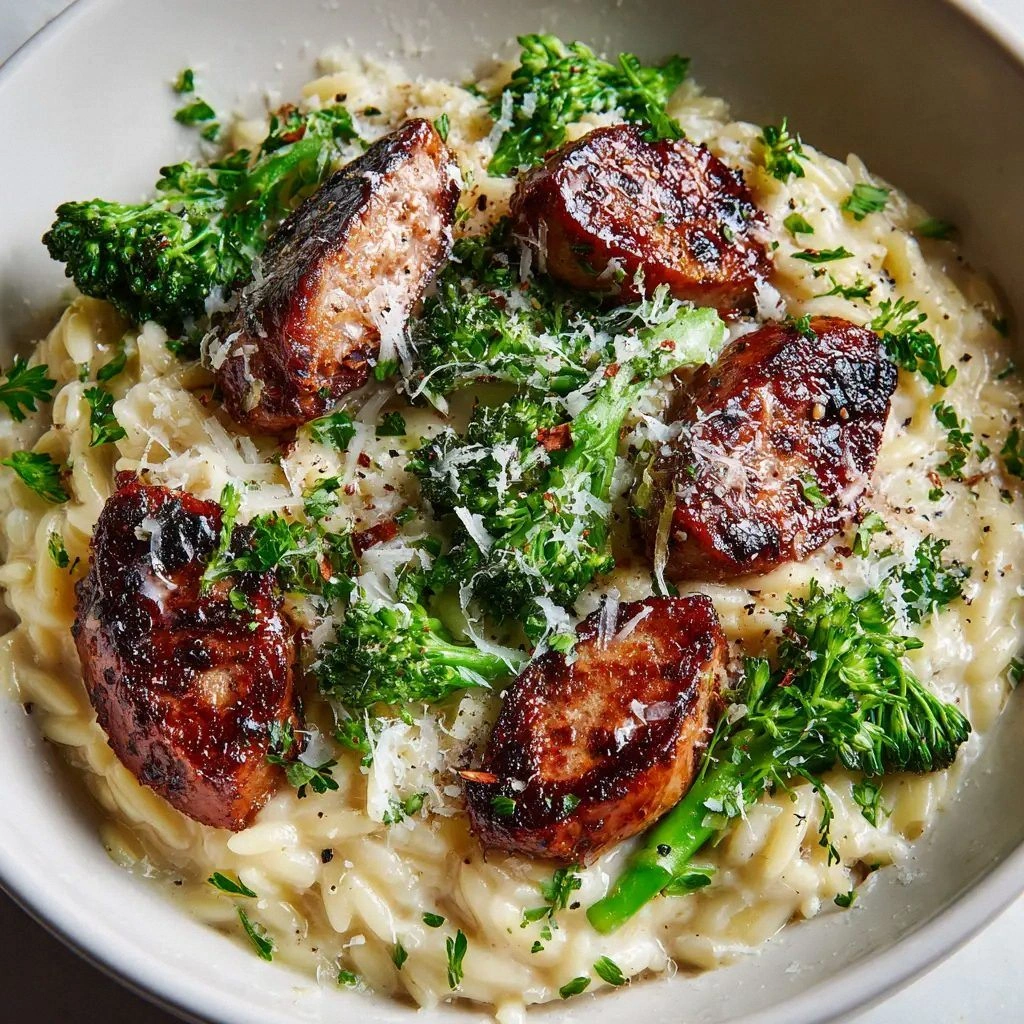
- Crack the coarse black pepper over the dish, then fold in the freshly grated parmesan cheese. The cheese will melt into the sauce, creating a golden, bubbly surface. Let the mixture cook for an additional 2 minutes, allowing the cheese to melt completely.
- Finally, sprinkle the flat‑leaf parsley over the top for a burst of color and freshness. Give the dish a gentle stir to distribute the parsley evenly. This final touch turns the dish from simple to spectacular.
That’s it — you did it. But hold on, I’ve got a few more tricks that’ll take this to another level. Stick with me, because the next section is pure magic.
Insider Tricks for Flawless Results
The Temperature Rule Nobody Follows
Cooking at medium‑low heat is the secret to a silky sauce. Many people crank the heat high, which causes the cream to curdle or the sauce to scorch. Keep the flame steady, and you’ll get a smooth, cohesive sauce that clings to the pasta.
Why Your Nose Knows Best
Before you even taste the dish, smell it. A hint of roasted garlic, the savory aroma of sausage, and the buttery scent of parmesan are all indicators that the dish is on track. If the smell feels off, double‑check the seasoning.
The 5‑Minute Rest That Changes Everything
Once you’re done cooking, let the pan rest uncovered for 5 minutes. This allows the flavors to settle and the sauce to thicken slightly. It also makes it easier to serve without a splash of liquid clinging to the spoon.
Using a Lid to Boost Broth Absorption
Covering the skillet during the orzo’s cooking phase traps steam, which helps the pasta absorb the broth evenly. If you’re using a wide skillet, a lid that fits snugly will give the best results.
Adding a Splash of Lemon Juice
Right before serving, squeeze a thin ribbon of fresh lemon over the dish. The acidity cuts through the richness, brightening the overall flavor profile. It’s a simple tweak that makes a big difference.
Finishing with Extra Parmesan
After the dish is plated, sprinkle a final dusting of parmesan. The heat will melt it into a golden crust, creating an irresistible visual and flavor cue. It also adds a subtle nutty crunch on top.
Creative Twists and Variations
This recipe is a playground. Here are some of my favorite ways to switch things up:
Spicy Cajun Sausage
Swap the regular sausage for a spicy Cajun variety to add heat. The paprika and cayenne will give the dish a smoky, fiery kick that pairs perfectly with the creamy sauce.
Vegetarian Version
Replace the sausage with sautéed mushrooms or crumbled tofu. Add a splash of soy sauce to mimic the umami depth that sausage would normally provide.
Gluten‑Free Twist
Use gluten‑free orzo or rice pasta. The texture remains similar, and the dish stays comforting without compromising on flavor.
Breakfast Breakfast
Serve the dish with a fried egg on top for a hearty breakfast. The runny yolk adds a rich, velvety component that pairs well with the creamy pasta.
Italian Pasta Night
Finish the dish with a drizzle of truffle oil and a sprinkle of fresh basil. The truffle adds earthiness while the basil offers a bright, aromatic finish.
Low‑Carb Option
Replace the orzo with cauliflower rice. The dish becomes lighter, and the cauliflower’s subtle flavor blends nicely with the sausage and broccoli.
Storing and Bringing It Back to Life
Fridge Storage
Store leftovers in an airtight container for up to 3 days. Keep the sauce slightly thick; it will thicken further in the fridge. When reheating, add a splash of water or broth to loosen the sauce.
Freezer Friendly
Cool the dish completely before freezing. Place in a freezer‑safe container or zip‑top bag, and it will keep for up to 2 months. Thaw overnight in the fridge before reheating.
Best Reheating Method
Reheat on the stovetop over low heat, stirring occasionally. Add a tablespoon of water or broth if the sauce seems too thick. The dish should be hot throughout but not boiling, to preserve the creamy texture.