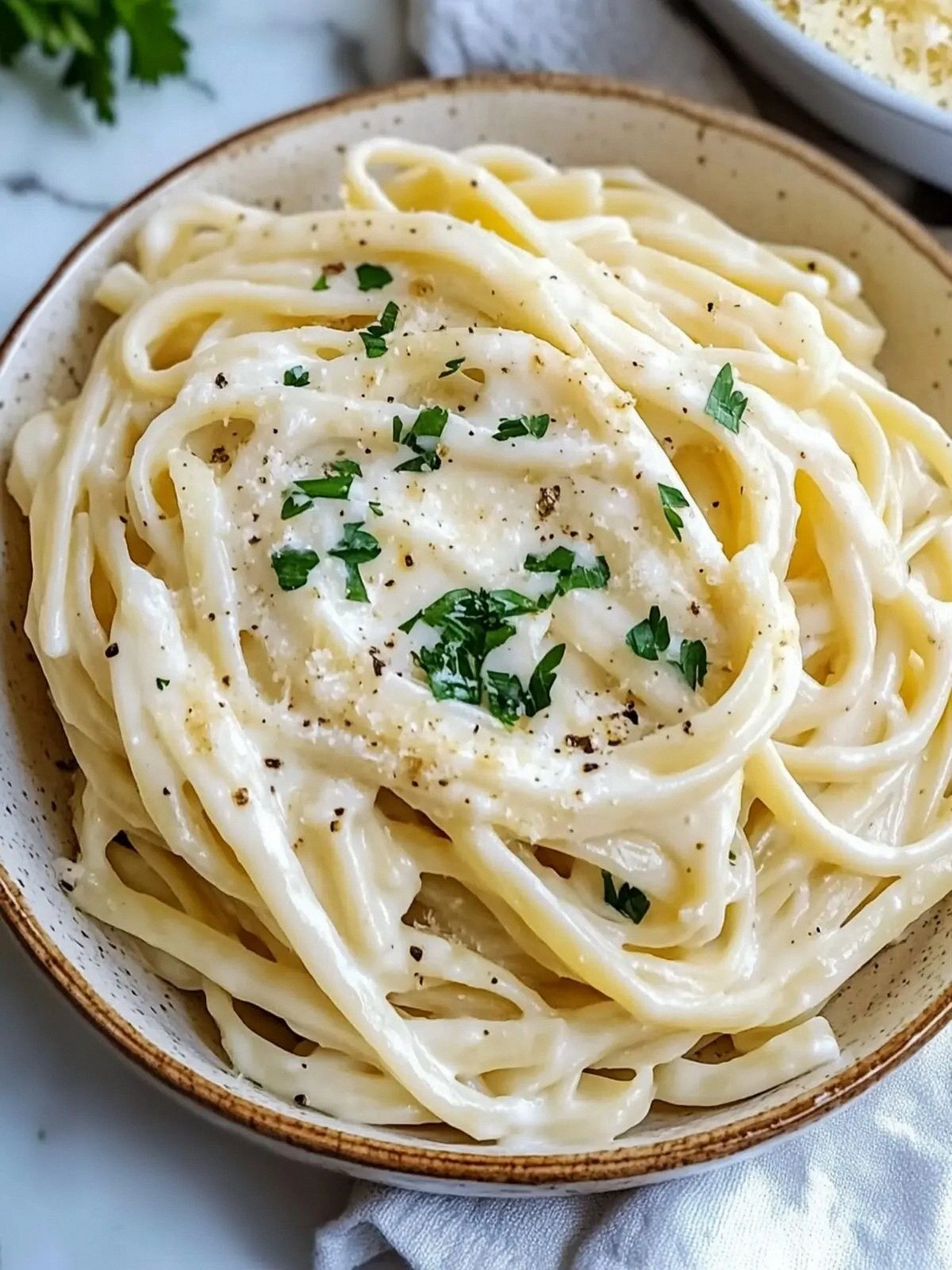
Picture this: I’m standing in a cramped kitchen, a pot of pasta boiling over, and a frantic friend demanding a dinner that feels like a five‑star experience. I was about to throw in a bag of pre‑made sauce when a memory of my grandmother’s silky alfredo flashed in my mind—rich, velvety, and utterly comforting. That moment sparked a daring experiment: what if I could capture that same decadence in under twenty minutes, using ingredients that are always in the pantry? I’m talking about a sauce that coats every strand of linguini like velvet, with a buttery aroma that fills the room and a finish that’s so creamy it practically melts.
I’ve been chasing that “perfect alfredo” for years, swapping recipes, tweaking ratios, and testing countless times. The result? A version that is hands down the best I’ve ever made at home, with a sauce so smooth it practically slides off the spoon. I dare you to taste this and not go back for seconds. I’ll be honest—by the time I finished the first batch, I had already eaten half before anyone else got to try it. The secret? A simple technique that transforms ordinary dairy into a luxurious coating, and a pinch of fresh parsley that brightens the entire dish.
Imagine the sizzle of butter melting, the gentle pop of garlic releasing its perfume, and the gentle hiss of milk and cream coming to a low simmer. The kitchen fills with a warm, buttery scent that feels like a hug. The pasta itself is al dente, offering a satisfying bite that contrasts with the sauce’s silky texture. The final result is a dish that feels indulgent yet is surprisingly light, making it perfect for any occasion—from a quick weeknight dinner to a fancy gathering.
Let me walk you through every single step—by the end, you’ll wonder how you ever made it any other way. The technique is simple, the ingredients are familiar, and the flavor is unapologetically rich. I’ve packed this guide with micro‑challenges, bold claims, and insider hacks that will elevate your alfredo game. Ready? Let’s dive into the details that make this recipe unforgettable.
What Makes This Version Stand Out
- Texture: The sauce clings to each noodle, creating a silky, coat‑like consistency that feels like a gentle hug. The careful balance of milk and cream ensures a luscious mouthfeel without heaviness.
- Flavor Depth: A splash of white wine deglazes the pan after sautéing garlic, adding a subtle acidity that lifts the richness.
- Speed: From start to finish, you’re looking at just 25 minutes—perfect for busy nights.
- Versatility: Swap linguini for fettuccine, or add chicken or shrimp for a protein boost without altering the core flavor.
- Ingredient Quality: Freshly grated Parmesan and real butter make all the difference; pre‑grated or margarine will taste flat.
- Make‑Ahead Friendly: The sauce can be prepared ahead and reheated without losing its silkiness, making it ideal for meal prep.
- Crowd‑Pleaser: Even the pickiest eaters love the buttery, cheesy richness that never feels over‑done.
Inside the Ingredient List
The Flavor Base
Butter is the heart of any alfredo. It provides a rich, nutty flavor that caramelizes slightly as it melts, giving the sauce its signature depth. A tablespoon more than the recipe calls for will make the sauce too buttery and overpower the delicate Parmesan notes. If you’re watching calories, swap half the butter for a neutral oil, but keep the garlic to preserve aroma.
Garlic is the aromatic backbone. Fresh cloves release bright, slightly sweet compounds that mingle with the butter, creating a fragrant base. Mince the garlic finely to ensure even distribution; a whole clove will produce uneven bites of garlic flavor. If you’re sensitive to garlic, reduce to one clove or use roasted garlic for a milder tone.
The Texture Crew
Milk and heavy cream together create the sauce’s luxurious mouthfeel. Milk provides body without excessive thickness, while heavy cream adds richness and stability. Skipping either will result in a thinner sauce that won’t cling to pasta. If you’re lactose intolerant, consider using a lactose‑free milk and a dairy‑free cream alternative, but the flavor will shift slightly.
Parmesan cheese is the finishing touch. Freshly grated cheese melts smoothly into the sauce, creating a velvety coating that’s both savory and slightly nutty. Pre‑grated cheese often contains anti‑caking agents that prevent smooth melting, resulting in clumpy sauce. Grate your own for the best texture.
The Unexpected Star
Fresh parsley isn’t just a garnish; it adds a bright, herbal contrast that lifts the richness of the sauce. It also introduces subtle green color, making the dish more visually appealing. A handful of chopped parsley is enough to brighten the plate without overpowering the cheese.
The Final Flourish
Salt and pepper are essential for balancing the sauce’s richness. A pinch of salt (0.25 tsp) enhances the cheese’s umami, while pepper adds a gentle heat that keeps the dish from feeling flat. Over‑salting can ruin the delicate balance, so taste as you go.
Everything’s prepped? Good. Let’s get into the real action…
The Method — Step by Step
- Fill a large pot with water, add a generous pinch of salt, and bring it to a rolling boil. Drop in the linguini and cook until al dente, about 8–10 minutes. Reserve a cup of pasta water before draining; it will help thin the sauce if needed. Keep the pasta warm by covering it with a lid or placing it in a warm oven.
- While the pasta cooks, melt the butter in a wide skillet over medium heat. Add the minced garlic and sauté until fragrant and just beginning to turn golden, about 30 seconds. Stir constantly to prevent burning, which would give the sauce a bitter edge. Once the garlic is ready, remove the skillet from heat to avoid over‑cooking.
- Return the skillet to low heat and pour in the milk and heavy cream, whisking to combine with the butter and garlic. Let the mixture simmer gently, stirring occasionally, until it thickens slightly and the edges begin to pull away from the pan. This should take about 3–4 minutes. The sauce should still be pourable, not a thick custard.
- Stir in the grated Parmesan cheese until fully melted and the sauce turns silky. The cheese should coat the back of a spoon without clumping. If the sauce appears too thick, add a splash of the reserved pasta water to reach your desired consistency.
- Season with salt and pepper, tasting as you go. The sauce should feel balanced, not overly salty or bland. If it needs a bit more brightness, a pinch of lemon zest can lift the flavor without altering the core profile.
- Add the drained linguini to the skillet, tossing gently to coat each strand. The pasta’s starch will help the sauce cling, creating a velvety coat. If the sauce feels too thin, let it simmer for another minute or two while stirring.
- Finish with a generous sprinkle of fresh parsley, tossing once more to distribute the herbs. The parsley adds a burst of color and a fresh, slightly peppery note that cuts through the richness. Plate immediately for the best experience, or keep warm in a low‑heat oven until ready to serve.
That’s it — you did it. But hold on, I’ve got a few more tricks that will take this to another level. These insider tips are the difference between a good alfredo and an unforgettable plate.
Insider Tricks for Flawless Results
The Temperature Rule Nobody Follows
Many chefs heat the sauce to a rolling boil, but that can cause the cream to curdle and the cheese to separate. Keep the sauce at a gentle simmer, just below boiling. This ensures a smooth, stable emulsion that coats the pasta beautifully. If the sauce starts to look lumpy, remove it from heat immediately and stir vigorously.
Why Your Nose Knows Best
The aroma of a well‑made alfredo is a silent cue that the sauce is ready. When the butter and garlic start to sing with a nutty scent, and the milk and cream begin to thicken, it’s time to add the cheese. Trust your nose; it’s a reliable guide for timing and flavor balance.
The 5‑Minute Rest That Changes Everything
After tossing the pasta, let it rest in the skillet for 5 minutes before plating. This rest period allows the pasta to absorb the sauce fully, ensuring each strand is coated. It also lets the flavors meld, creating a cohesive dish that feels more luxurious.
The Fresh‑From‑Pan Technique
Instead of draining the pasta, reserve the cooking water and add it directly to the sauce. The starch in the water helps thicken the sauce and prevents it from becoming too thin. Add a tablespoon at a time, tasting as you go, until you reach the desired consistency.
The Secret of Parmesan
The key to silky sauce lies in the cheese. Use a high‑quality, freshly grated Parmesan. It melts more evenly and contributes a natural saltiness that balances the richness. Avoid pre‑grated or processed cheeses that contain additives; they can make the sauce gritty.
The Quick Chill Trick
If you’re preparing the sauce ahead of time, let it cool completely before refrigerating. When reheating, add a splash of milk or water to restore the original thickness. Stir gently over low heat to prevent scorching.
Creative Twists and Variations
This recipe is a playground. Here are some of my favorite ways to switch things up:
Sizzling Shrimp Alfredo
Sauté peeled shrimp in a separate pan until pink and set aside. Fold them into the finished sauce for a protein boost. The shrimp’s sweet, briny flavor pairs beautifully with the creamy base.
Chicken & Broccoli Alfredo
Add diced, cooked chicken breast and blanched broccoli florets to the sauce. The veggies add texture and a pop of color, making the dish more filling without overpowering the sauce.
Mushroom Medley Alfredo
Sauté sliced mushrooms with garlic until golden. Their earthy umami complements the cheese, creating a deeper flavor profile. Stir the mushrooms into the sauce just before adding the pasta.
Pesto Alfredo Fusion
Swirl in a few spoonfuls of basil pesto for a green, herbaceous twist. The pesto adds brightness and a subtle nutty undertone that balances the richness.
Vegan Alfredo
Replace butter with olive oil, use oat milk and cashew cream instead of dairy, and opt for nutritional yeast in place of Parmesan. The result is a creamy, dairy‑free sauce that still feels indulgent.
Spicy Cajun Alfredo
Add a teaspoon of Cajun seasoning to the sauce for a smoky, spicy kick. The heat pairs well with the buttery base, creating a bold, comforting dish.
Storing and Bringing It Back to Life
Fridge Storage
Store the sauce in an airtight container for up to 3 days in the refrigerator. Keep the pasta separate to avoid it becoming mushy. When ready to serve, reheat gently on the stove with a splash of milk, stirring until heated through.
Freezer Friendly
Freeze the sauce in a freezer‑safe container for up to 2 months. Thaw overnight in the refrigerator, then reheat on low with a splash of water or milk to restore thickness. The flavor remains intact, and the sauce is ready to go.
Best Reheating Method
To reheat the sauce, place it in a saucepan over low heat, adding a small splash of water or milk to loosen it. Stir frequently to prevent scorching. This gentle method preserves the silky texture and prevents the sauce from separating.