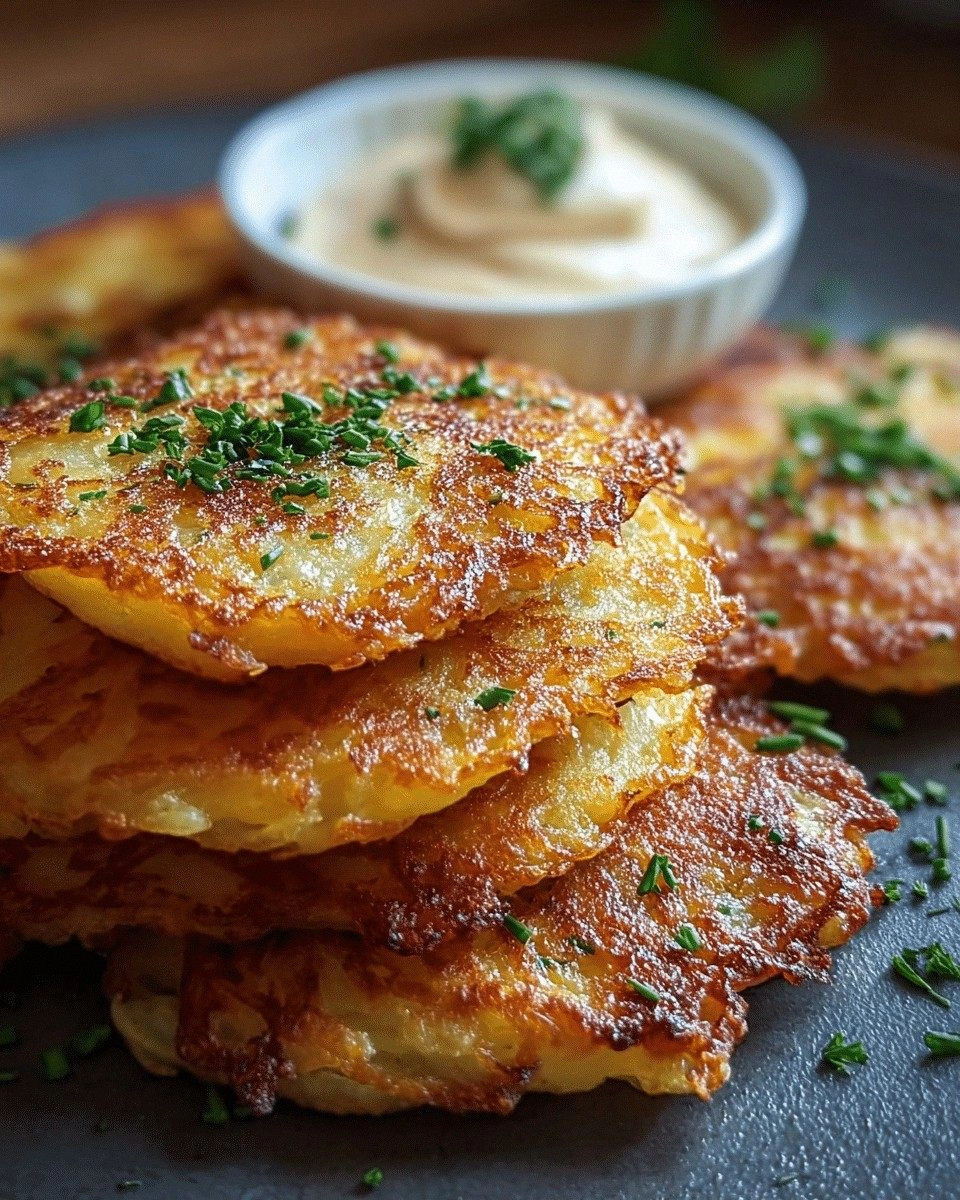
Picture this: a Saturday morning, the kitchen in a gentle fog of steam, and a stubborn loaf of bread that refuses to rise. I was halfway to surrendering to the cookie-cutter store-bought breads when my cousin’s old recipe book slipped from her fingers and landed on the counter. Inside, a handwritten note in looping script promised “A barmbrack that will make your heart sing.” I laughed, scooped the ingredients, and set to work. The result? A loaf so moist it melts in your mouth, so fragrant it lingers like a warm hug, and so full of surprise that every bite feels like a secret. That is the power of this Irish Barmbrack: a humble recipe that turns an ordinary Sunday into a celebration.
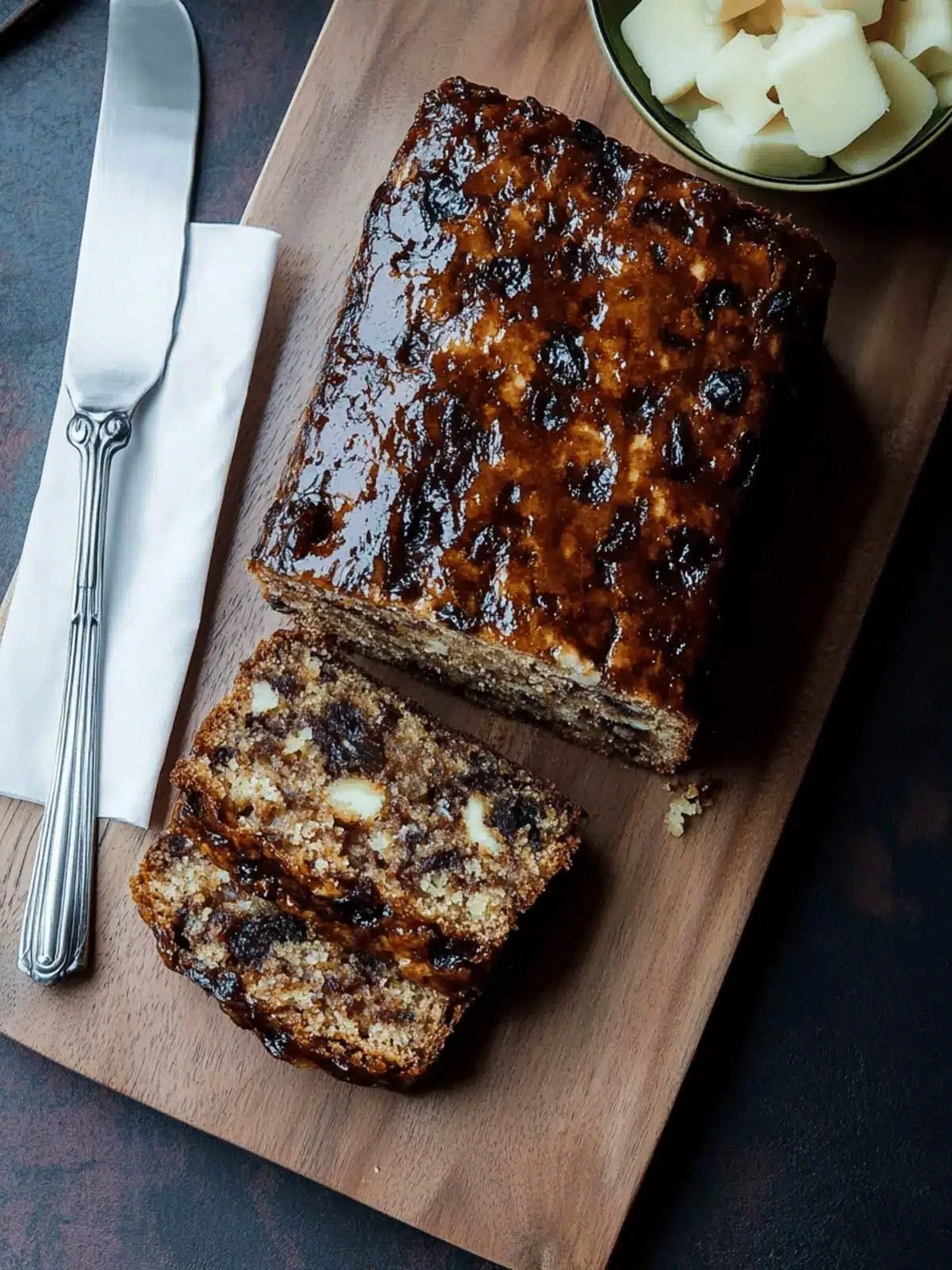
The first thing you notice is the golden crust, crisp yet yielding, crackling as you slice through it. The aroma that follows is a complex bouquet—sweet dried fruit mingling with the deep, earthy scent of strong tea, a splash of whisky, and the faint citrus tang of marmalade. When you bite, the crumb is tender, almost buttery, with a subtle sweetness that’s balanced by the spices and a hint of tartness from the cherries. The texture feels like a cloud, but with a satisfying bite that releases a burst of fruit juices, leaving your tongue tingling with joy. If you’re skeptical, I dare you to taste this and not go back for seconds. The second slice will have you wondering why you ever settled for anything else.
What makes this version stand out? It’s the meticulous layering of flavors and textures that I discovered after countless experiments. The tea isn’t just a liquid base; it’s the soul of the loaf, infusing every crumb with depth. The whisky adds a mellow warmth that’s almost like a secret handshake between you and the bread. The combination of raisins, sultanas, and glace cherries creates a fruit mosaic that bursts with sweetness and subtle tartness, each piece dancing on your palate. The mixed spice, a blend of cinnamon, nutmeg, and clove, gives the loaf a comforting aroma reminiscent of a cozy hearth. And the optional marmalade, when added, introduces a glossy, caramelized glaze that elevates the loaf to an entirely new level of decadence.
Most recipes get this completely wrong. They either over-salt the dough or under-bake the loaf, leading to a dry, clumpy mess. Here, the method is simple yet precise: steep the fruit in tea, let it soak, then fold in the flour, sugar, and spices in a way that keeps the dough light. The result is a loaf that rises beautifully, holds its shape, and offers a delightful contrast between the soft interior and the lightly crisp crust. Picture yourself pulling this out of the oven, the whole kitchen smelling incredible, and the loaf shimmering with a golden sheen. The aroma alone will have your guests lining up for a slice. If you’ve ever struggled with this, you’re not alone — and I’ve got the fix.
What Makes This Version Stand Out
- Taste: The combination of strong tea, whisky, and mixed spice creates a flavor profile that is both comforting and adventurous. The fruit burst adds a sweet counterpoint that keeps each bite exciting.
- Texture: The dough is airy yet moist, with a crust that snaps pleasantly. The soaked fruit remains plump, delivering a juicy contrast to the tender crumb.
- Ingredient Quality: Using high‑grade raisins, sultanas, and glace cherries ensures maximum flavor. The tea must be brewed strong to impart depth.
- Simplicity: The recipe requires no fancy equipment—just a bowl, a whisk, and a baking tin. It’s a perfect choice for beginners or seasoned bakers alike.
- Make‑Ahead Potential: The loaf can be assembled the night before, refrigerated, and baked fresh in the morning. The flavors only deepen.
- Crowd Reaction: Friends and family will rave about the aroma and the moist, fruit‑laden crumb. It’s a guaranteed hit at gatherings.
- Unique Twist: The optional marmalade glaze gives a glossy finish that sets this loaf apart from traditional barmbrack.
- Versatility: Serve it warm with butter, as a dessert with a drizzle of honey, or even as a base for savory toppings.
Alright, let’s break down exactly what goes into this masterpiece…
Inside the Ingredient List
The Flavor Base
The tea is the backbone of this loaf. Brew a strong pot of black tea—preferably a robust Irish blend—to give the dough depth and a subtle bitterness that balances the sweetness of the fruit. The tea also helps the dough rise by providing moisture and a slight acidity that activates the self‑raising flour. If you can’t find a strong Irish blend, a good quality English Breakfast works fine. Skip this step? Your loaf will feel flat and lack that signature aroma.
The Texture Crew
The raisins, sultanas or currants, and glace cherries form the texture crew. They are the stars that give the loaf its juicy, chewy pockets. Each fruit type brings its own character: raisins are dense and sweet; sultanas offer a lighter, almost citrusy bite; glace cherries add a glossy, tart finish. If you’re allergic or simply dislike cherries, swap them for dried apricots or cranberries. The key is to keep the fruit evenly distributed so every bite has a balanced flavor.
The Unexpected Star
Irish whisky is the unexpected star that elevates the loaf from simple to unforgettable. It imparts a warm, smoky undertone that lingers on the palate. The alcohol evaporates during baking, leaving behind a subtle depth that you can’t achieve with other liquids. If you’re not a fan of whisky, you can substitute with a splash of brandy or even a vanilla extract for a milder profile. However, the whisky’s unique character is what makes this loaf truly Irish.
The Final Flourish
The orange marmalade glaze is optional but highly recommended. It adds a sweet, caramelized finish and a subtle citrus note that brightens the loaf. Drizzle it over the warm loaf just before serving, or mix it into the dough for a more integrated flavor. If you’re vegan, you can replace the marmalade with a homemade citrus glaze made from orange zest and sugar. The glaze also helps lock in moisture, keeping the loaf fresh longer.
Everything’s prepped? Good. Let’s get into the real action…
The Method — Step by Step
- Steep the Fruit: In a medium bowl, combine the raisins, sultanas or currants, and glace cherries. Pour the 300 ml of strong, cold tea over the fruit, ensuring everything is submerged. Cover and let sit for at least 30 minutes, or overnight if you’re prepping ahead. This step hydrates the fruit and allows it to absorb the tea’s depth.
- Whisk the Wet Ingredients: In a separate bowl, beat the egg until light and frothy. Add the 200 g caster or soft light brown sugar, whisking until the sugar dissolves. Pour in the 50 ml Irish whisky and stir until fully incorporated. The mixture should feel silky and glossy.
- Combine Dry Ingredients: Sift together the 220 g self‑raising flour and 1 tsp ground mixed spice. This ensures even distribution of the spices and prevents lumps. If you like a hint of citrus, you can add a pinch of orange zest at this stage.
- Fold Dry Into Wet: Gently fold the dry flour mixture into the wet batter using a spatula. Be careful not to overmix; you want a few streaks of flour for a tender crumb. The batter should be thick but pourable. If it’s too thick, add a splash of the tea from step 1.
- Incorporate the Fruit: Carefully fold the soaked fruit into the batter, ensuring even distribution. The fruit will add color and texture to the dough. At this point, you can also stir in the optional orange marmalade for a glazed finish.
- Prepare the Pan: Grease a 9 × 5 inch loaf tin with butter or line it with parchment paper. This prevents sticking and ensures a clean release. Sprinkle a little flour around the edges to keep the batter from sticking.
- Bake: Preheat the oven to 180 °C (356 °F). Pour the batter into the tin, smoothing the top with a spatula. Bake for 35–40 minutes, or until a skewer inserted into the center comes out clean. The loaf should have a golden crust and a fragrant, toasty smell.
- Cool and Glaze: Let the loaf cool in the tin for 10 minutes, then transfer to a wire rack to cool completely. If you added marmalade, drizzle it over the warm loaf now; the heat will melt the glaze into a glossy sheen.
- Serve: Slice the loaf with a serrated knife. Pair with a cup of tea or a splash of whiskey for a full Irish experience. The loaf is best served slightly warm, but it also tastes wonderful at room temperature.
That’s it — you did it. But hold on, I’ve got a few more tricks that’ll take this to another level…
Insider Tricks for Flawless Results
The Temperature Rule Nobody Follows
Many bakers bake barmbrack at 190 °C, thinking a higher temperature is better. However, the gentle 180 °C allows the fruit to release moisture slowly, keeping the crumb tender. If you’re using a convection oven, reduce the temperature by 20 °C to avoid over‑browning.
Why Your Nose Knows Best
Before you open the oven door, pause and inhale. A warm, fruity aroma indicates the loaf is almost ready. If you hear a faint crackle, it’s a sign the crust is crisping up. Trust your nose; it’s a seasoned judge of baking success.
The 5‑Minute Rest That Changes Everything
After baking, let the loaf rest for 5 minutes in the tin. This brief period allows the steam inside to redistribute, preventing a hollow center. Skipping this step often results in a slightly dry middle.
Use a Light Brown Sugar for Depth
Switching to a light brown sugar introduces molasses notes that deepen the flavor. The sugar also reacts with the spices, creating a subtle caramelized undertone. If you prefer a sweeter loaf, add an extra tablespoon of sugar.
The Sweet‑Spicy Glaze Twist
Instead of plain marmalade, mix orange marmalade with a teaspoon of ground ginger and a pinch of cayenne. This glaze adds a spicy kick that balances the sweetness, making it ideal for holiday gatherings.
Refrigerate for Extra Flavor
If you assemble the loaf a day ahead, refrigerate the batter in a sealed container. The flavors meld overnight, giving the loaf a richer, more complex taste. Just bake it fresh in the morning.
Creative Twists and Variations
This recipe is a playground. Here are some of my favorite ways to switch things up:
Nutty Barmbrack
Add 50 g chopped walnuts or pecans to the batter for crunch. The nuts pair wonderfully with the whisky, adding a buttery undertone.
Chocolate‑Infused
Swirl in 30 g dark chocolate chips or a tablespoon of cocoa powder. The chocolate adds a rich, bittersweet flavor that complements the fruit.
Citrus Burst
Replace the orange marmalade with a glaze made from lemon zest, sugar, and a splash of lemon juice. The bright citrus cuts through the sweetness and adds a refreshing note.
Savory Spin
Omit the sugar entirely and add 1 tsp smoked paprika. Serve the loaf with a dollop of herb cream cheese for a savory snack.
Holiday Edition
Add dried cranberries, chopped candied ginger, and a dash of nutmeg. The festive flavors make it a perfect centerpiece for Christmas or New Year celebrations.
Storing and Bringing It Back to Life
Fridge Storage
Wrap the cooled loaf tightly in plastic wrap or store in an airtight container. It stays fresh for up to 3 days. For best flavor, slice only what you need and rewrap the rest.
Freezer Friendly
Slice the loaf and place the slices in a freezer bag, removing as much air as possible. Freeze for up to 3 months. To thaw, let the slices sit at room temperature for 30 minutes.
Best Reheating Method
Reheat a slice in a toaster oven at 160 °C for 5 minutes. Add a tiny splash of water to the bottom of the pan; it steams the loaf back to perfection, keeping the crumb moist and the crust slightly crisp.