I was in the middle of a frantic weekday, juggling a conference call, a toddler demanding snacks, and a fridge that looked like a barren desert. I opened the pantry, stared at the lone can of coconut milk, a handful of lime wedges, and a bag of chicken thighs, and thought, “If I can’t order takeout, I might as well create something that feels like a vacation in a pan.” That moment of desperation birthed the recipe you’re about to read, and trust me, it’s the kind of kitchen epiphany that makes you swear off delivery apps forever. The first time I plated this dish, the steam rose like a tropical fog, the aroma of lime and ginger punched through the air, and the sizzle of the sauce hitting the pan was a siren song I couldn’t ignore. I dared you to taste this and not go back for seconds, because I’m about to hand over the exact formula that turned a chaotic night into a culinary triumph.
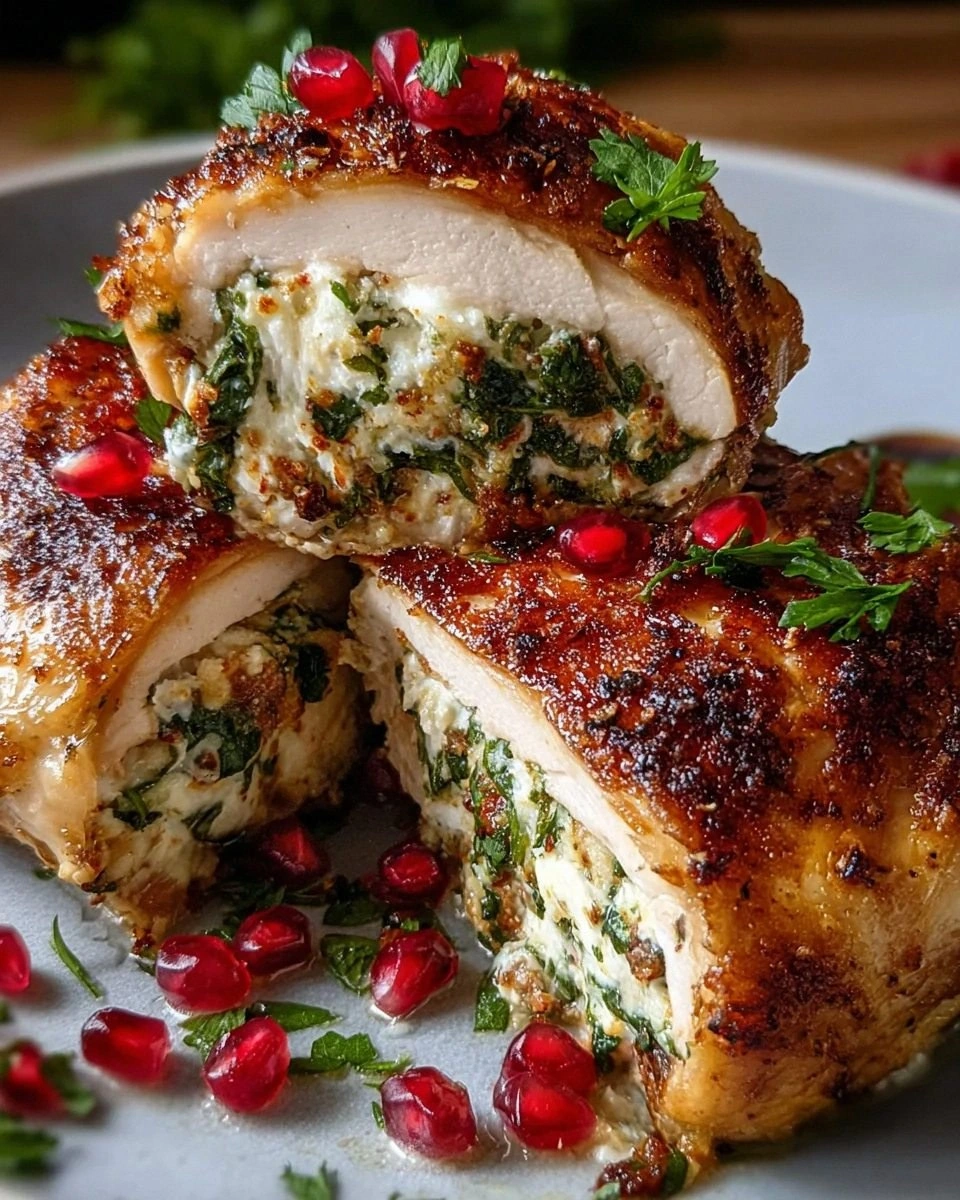
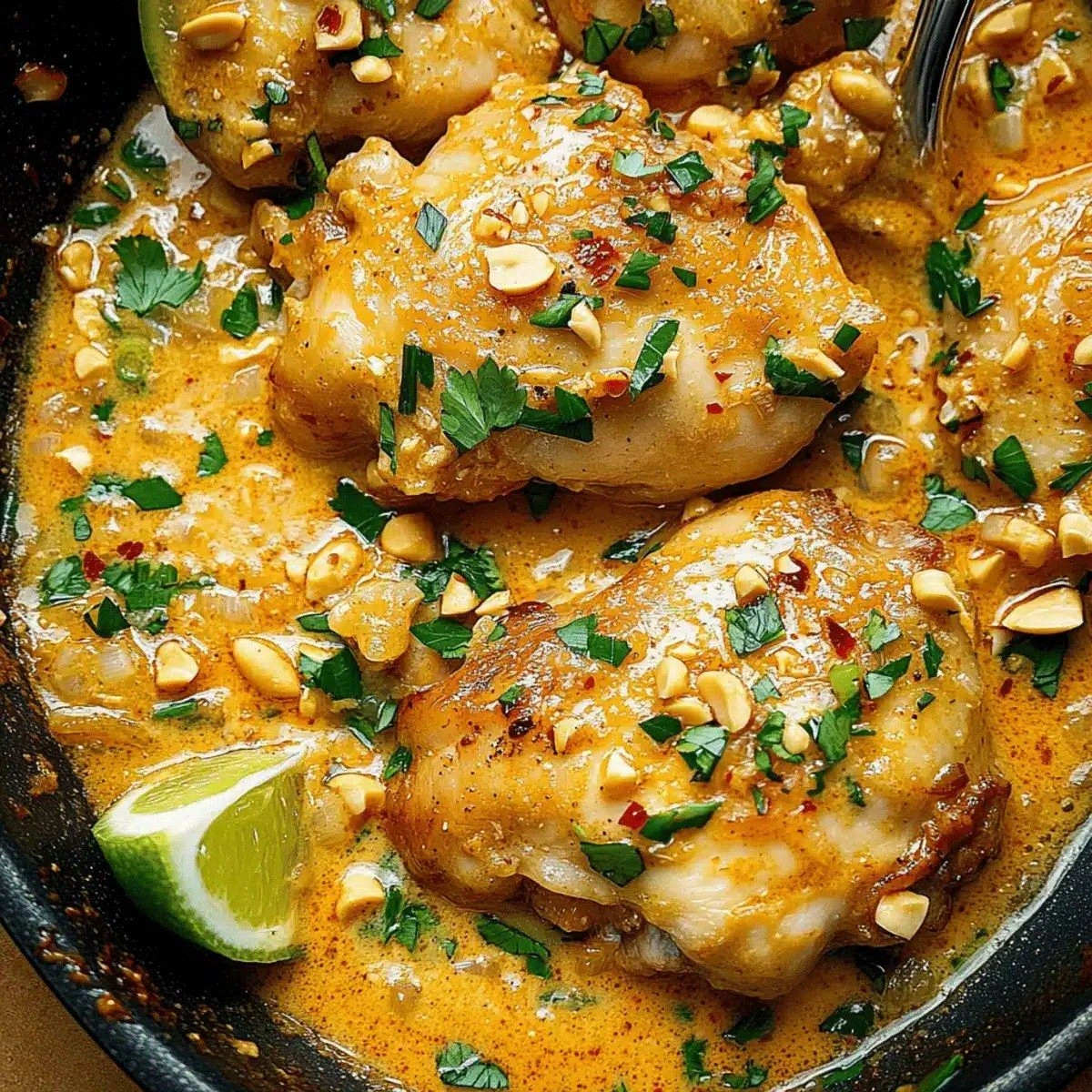
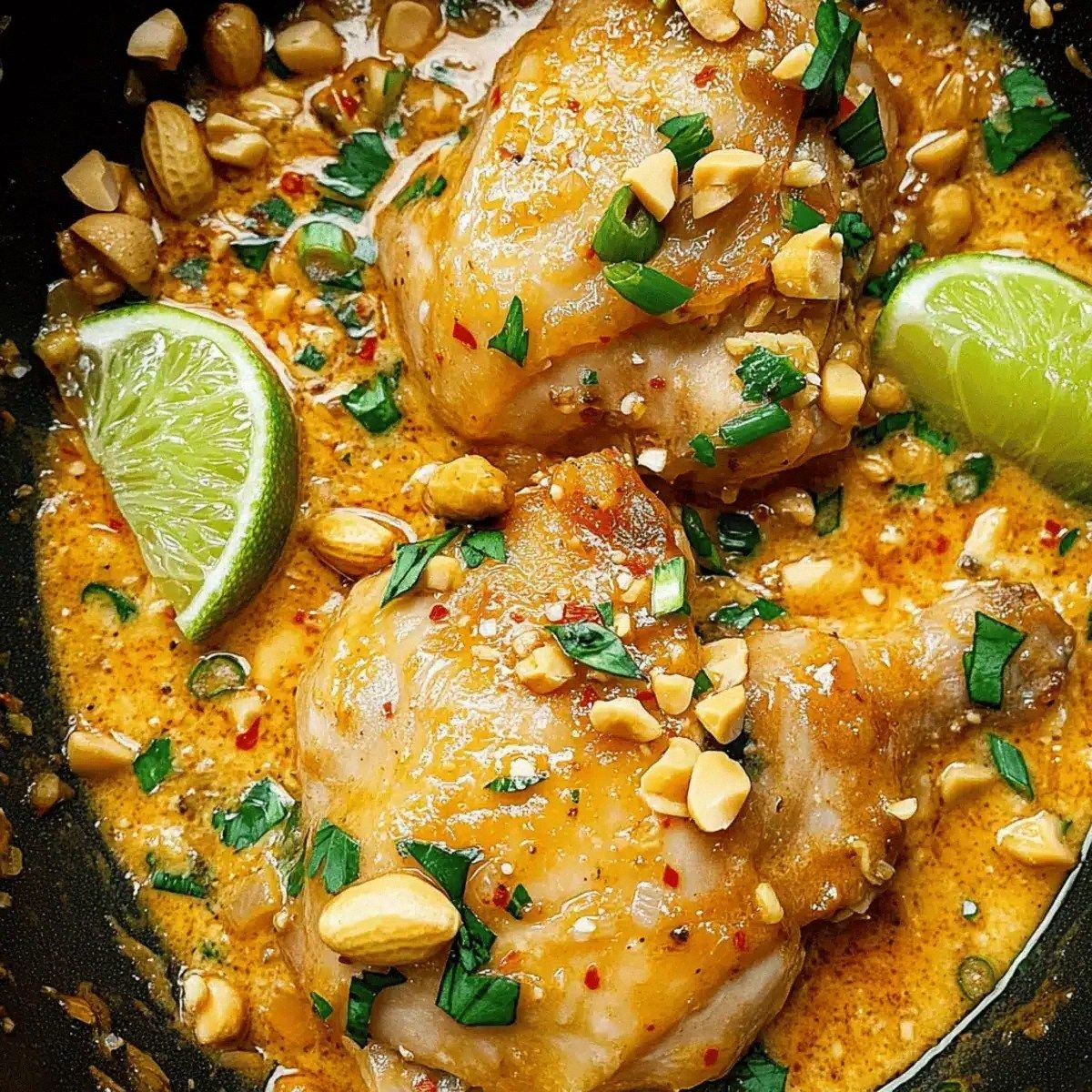
Picture this: a single skillet, the size of a small canoe, bobbing with golden‑brown chicken thighs that have been lightly dusted in flour, each piece coated in a glossy, emerald‑green sauce that clings like silk. The sauce itself is a perfect marriage of creamy coconut, sharp lime, and a whisper of heat from jalapeño and Sriracha, all balanced by the subtle sweetness of tomato paste and the nutty crunch of salted peanuts. When you bite in, the chicken is juicy and tender, the lime zing awakens your palate, and the coconut cream lingers like a tropical sunset on your tongue. This isn’t just dinner; it’s a sensory escape that makes you forget you’re still in your apartment.
Most coconut‑lime chicken recipes either drown the meat in a watery sauce or turn the whole thing into a soggy mess that clings to the pan like a bad memory. I’ve tried them all, and I’ll be honest — I ate half the batch before anyone else got a chance to try it. The secret? A quick dusting of flour that creates a light crust, a two‑stage oil approach that locks in flavor, and a finishing splash of lime zest that adds a burst of freshness right before serving. Most recipes get this completely wrong. Here’s what actually works: a high‑heat sear, a deglaze with lime juice, and a slow simmer that lets the coconut milk thicken without curdling.
Okay, ready for the game‑changer? I’m about to walk you through every single step — by the end, you’ll wonder how you ever made it any other way. I’ll sprinkle in a few kitchen hacks, a couple of fun facts, and a warning or two because I care about your sanity as much as I care about the flavor. So grab your skillet, your sense of adventure, and let’s dive into the ultimate one‑pan coconut lime chicken that will have you shouting “bliss” from the stovetop to the living room.
What Makes This Version Stand Out
- Taste: The lime‑coconut combo is bright without being overpowering, and the Sriracha adds a controlled heat that dances on the tongue rather than scorching it.
- Texture: A light flour coating gives the chicken a crisp edge that shatters like thin ice, while the sauce remains silky and clingy.
- Simplicity: One pan, thirty minutes, and a handful of pantry staples — no extra pots, no complicated steps.
- Uniqueness: The addition of salted peanuts adds a surprising crunch that most recipes overlook, turning each bite into a textural adventure.
- Crowd Reaction: I dare you to serve this at a dinner party and watch guests scramble for the recipe card; it’s that good.
- Ingredient Quality: Using fresh lime zest instead of bottled juice lifts the dish from good to unforgettable.
- Cooking Method: The two‑oil technique (coconut + light olive) creates a flavor base that’s both tropical and grounded.
- Make‑Ahead Potential: The sauce actually deepens in flavor after a short rest, making leftovers taste even better.
Inside the Ingredient List
The Flavor Base
Lime juice and zest are the heartbeats of this dish. The juice provides acidity that brightens the coconut milk, while the zest adds an aromatic oil that you can’t get from the juice alone. If you skip the zest, you’ll lose that fragrant punch that makes the sauce sing. A good rule of thumb: always use fresh limes; pre‑zested or bottled juice will taste flat. Swap tip: If you’re out of limes, a splash of kaffir lime leaves steeped in the sauce can mimic the citrus note.
Coconut milk and coconut cream are the silky backbones. The milk gives body, the cream adds richness without turning the sauce greasy. Using a full‑fat coconut milk is crucial; low‑fat versions separate and ruin the texture. Buying tip: Shake the can vigorously before opening to blend the fat back into the liquid for a smoother sauce.
The Texture Crew
Salted peanuts provide that unexpected crunch. They’re toasted just enough to stay crisp when folded in, and the salt amplifies the lime’s brightness. If you forget them, the dish loses its surprise factor. Alternative: Cashews work too, but they’re milder, so add a pinch more salt.
Flour may seem humble, but it’s the secret to that golden crust. A light dusting creates a barrier that keeps the chicken juicy while giving it a satisfying bite. Skipping the flour will result in a soggy exterior that never develops that caramelized edge.
The Unexpected Star
Sriracha, in just the right amount, adds a layered heat that lingers without overwhelming the citrus. The key is balance; too much and you’ll mask the lime, too little and the dish feels flat. I like to start with 1 tablespoon and adjust to taste. Pro tip: Add the Sriracha at the end of the simmer so the heat stays vibrant.
Green jalapeño brings a fresh, grassy heat that pairs beautifully with the coconut. Remove the seeds if you prefer a milder kick. The jalapeño also adds a splash of color that makes the dish visually appealing.
The Final Flourish
Fresh coriander (cilantro) is added at the very end, preserving its bright, herbaceous flavor. If you add it too early, the heat will wilt the leaves, turning them bitter. Tip: Roughly chop the leaves and sprinkle them over the finished plate for a burst of green.
Spring onions (green tops) give a mild oniony crunch and a pop of color. Slice them thinly and add just before serving to keep their texture crisp.
Everything's prepped? Good. Let's get into the real action…
The Method — Step by Step
Pat the chicken thighs dry with paper towels, then season both sides with sea salt flakes and ground pepper. Toss the thighs in a shallow bowl with the 1/4 cup flour, shaking off any excess. Power transition: This light dusting is the foundation for that coveted crust.
Kitchen Hack: Use a zip‑top bag to shake the chicken with flour; it ensures an even coat without a mess.Heat a large, heavy‑bottomed skillet over medium‑high heat. Add 2 tablespoons coconut oil and 1 tablespoon light olive oil. When the oils shimmer and the coconut oil starts to perfume the air, place the chicken thighs skin‑side down. Hear that sizzle? That's the sound of flavor locking in.
Sear the thighs for about 4‑5 minutes without moving them. The edges will turn golden and start pulling away from the pan — that’s your cue that a crust has formed. Flip and sear the other side for another 3‑4 minutes. Watch Out: If the heat is too high, the flour will burn before the chicken cooks through.
Remove the chicken and set aside on a plate. In the same pan, add the minced garlic, ginger, and finely diced green jalapeño. Sauté for 30 seconds, just until fragrant; you’ll notice the kitchen filling with an intoxicating aroma that hints at the tropical journey ahead.
Stir in the 2 tablespoons shallots and 2 tablespoons tomato paste, cooking for another minute. The tomato paste deepens the color of the sauce, giving it a rich, ruby hue. Then, pour in the 1/4 cup lime juice, scraping up any browned bits from the bottom of the pan — those are flavor gold.
Return the chicken to the skillet, nestling the pieces into the aromatic base. Add the 1 can coconut milk and 1/2 cup coconut cream, stirring gently to combine. Bring the mixture to a gentle simmer; you’ll see the sauce start to thicken, coating the chicken like a tropical veil.
Season with 1 tablespoon light soy sauce, 1‑2 tablespoons Sriracha (adjust to your heat tolerance), and 1 teaspoon red pepper flakes. Let the sauce bubble softly for about 8‑10 minutes, or until it reduces to a glossy consistency that clings to the back of a spoon. Power transition: This is the moment of truth — the sauce should be thick enough to coat the chicken without pooling.
Just before finishing, stir in 1 tablespoon lime zest, 1/4 cup salted peanuts, and the chopped fresh coriander. The zest adds a final burst of citrus, while the peanuts bring that satisfying crunch we promised.
Plate the chicken, spoon extra sauce over the top, and garnish with spring onion slices and lime wedges. The lime wedges aren’t just for show; a quick squeeze adds a fresh, bright finish that lifts every bite.
Watch Out: Over‑stirring the sauce after adding the coconut cream can cause it to separate; gently fold instead.
That's it — you did it. But hold on, I've got a few more tricks that'll take this to another level, ensuring every bite is a celebration of flavor, texture, and pure bliss.
Insider Tricks for Flawless Results
The Temperature Rule Nobody Follows
Most home cooks crank the heat up to “cook faster,” but with coconut milk you want a gentle simmer, not a rolling boil. A low‑and‑slow approach prevents the milk from curdling and keeps the sauce velvety. I once tried a high boil and ended up with a grainy texture that felt like a bad hair day for my palate.
Why Your Nose Knows Best
When the sauce starts to emit a sweet, nutty aroma and the lime scent becomes pronounced, you’re at the perfect reduction point. Trust that nose signal more than the clock; a few extra minutes can turn a glossy sauce into a syrupy glaze, while stopping too early leaves it watery.
The 5‑Minute Rest That Changes Everything
After you turn off the heat, cover the pan and let the chicken rest for five minutes. This short pause allows the flavors to meld, the sauce to thicken further, and the chicken juices to redistribute, resulting in a more tender bite. Skipping this step is like serving a song before the chorus — you miss the payoff.
The Peanut Crunch Secret
Toast the peanuts in a dry skillet for just 2 minutes before adding them. The extra toast brings out a deeper, almost caramelized flavor that makes the crunch pop. A friend once tossed them in raw, and the dish felt flat; the toasted version changed the whole dynamic.
The Lime Zest Timing
Add the lime zest at the very end of cooking, right before serving. If you add it too early, the volatile oils evaporate, leaving only a muted flavor. This final zest splash is the sparkle that makes the sauce feel alive.
Creative Twists and Variations
This recipe is a playground. Here are some of my favorite ways to switch things up:
Coconut Lime Shrimp Surprise
Swap the chicken thighs for 1 lb of peeled shrimp. Shrimp cooks in 3‑4 minutes, so reduce the simmer time accordingly. The result is a lighter, seafood‑centric version that pairs beautifully with a side of jasmine rice.
Spicy Mango Fusion
Add 1/2 cup diced ripe mango during the final simmer. The mango’s sweetness balances the heat from Sriracha and jalapeño, creating a sweet‑heat combo that’s perfect for summer evenings.
Thai Basil Boost
Stir in a handful of fresh Thai basil leaves just before serving. The peppery, anise‑like flavor adds depth and makes the dish feel even more authentically Thai.
Nut‑Free Version
If you have a nut allergy, replace the salted peanuts with toasted pumpkin seeds. They provide a similar crunch and a subtle earthiness that complements the coconut.
Low‑Carb Coconut Cream
Swap the regular coconut milk for a low‑carb, high‑fat coconut cream (use 1 can coconut cream and dilute with a splash of water). This makes the dish richer and keeps the carb count low for keto enthusiasts.
Storing and Bringing It Back to Life
Fridge Storage
Let the chicken cool to room temperature, then transfer to an airtight container. It will keep for up to 3 days. When reheating, add a splash of water or extra lime juice and gently warm over low heat to revive the sauce’s silkiness.
Freezer Friendly
Portion the cooked chicken and sauce into freezer‑safe bags, leaving a little headroom for expansion. Freeze for up to 2 months. Thaw overnight in the fridge, then reheat in a skillet, again adding a splash of water to prevent drying.
Best Reheating Method
The stovetop wins every time. Heat a non‑stick pan over medium heat, add the leftovers, and drizzle a teaspoon of coconut oil. Cover and let steam for 3‑4 minutes, then uncover and stir until the sauce regains its glossy sheen. Avoid microwaving; it can cause the coconut milk to separate.