I was mid‑morning, staring at a blinking inbox that felt like a drumbeat of deadlines, when my coworker tossed me a challenge: “Can you make something that’ll actually wake you up without a coffee?” I laughed, because honestly, who needs another caffeine‑driven jitterfest? Then I remembered the little clump of wheatgrass I keep in the fridge, looking like a neon‑green hairdo for a garden gnome. I grabbed it, tossed it into the blender, and what happened next was nothing short of a revelation. That first sip was like a sunrise breaking over a misty meadow—sharp, clean, and oddly invigorating. I dare you to taste this and not go back for seconds.
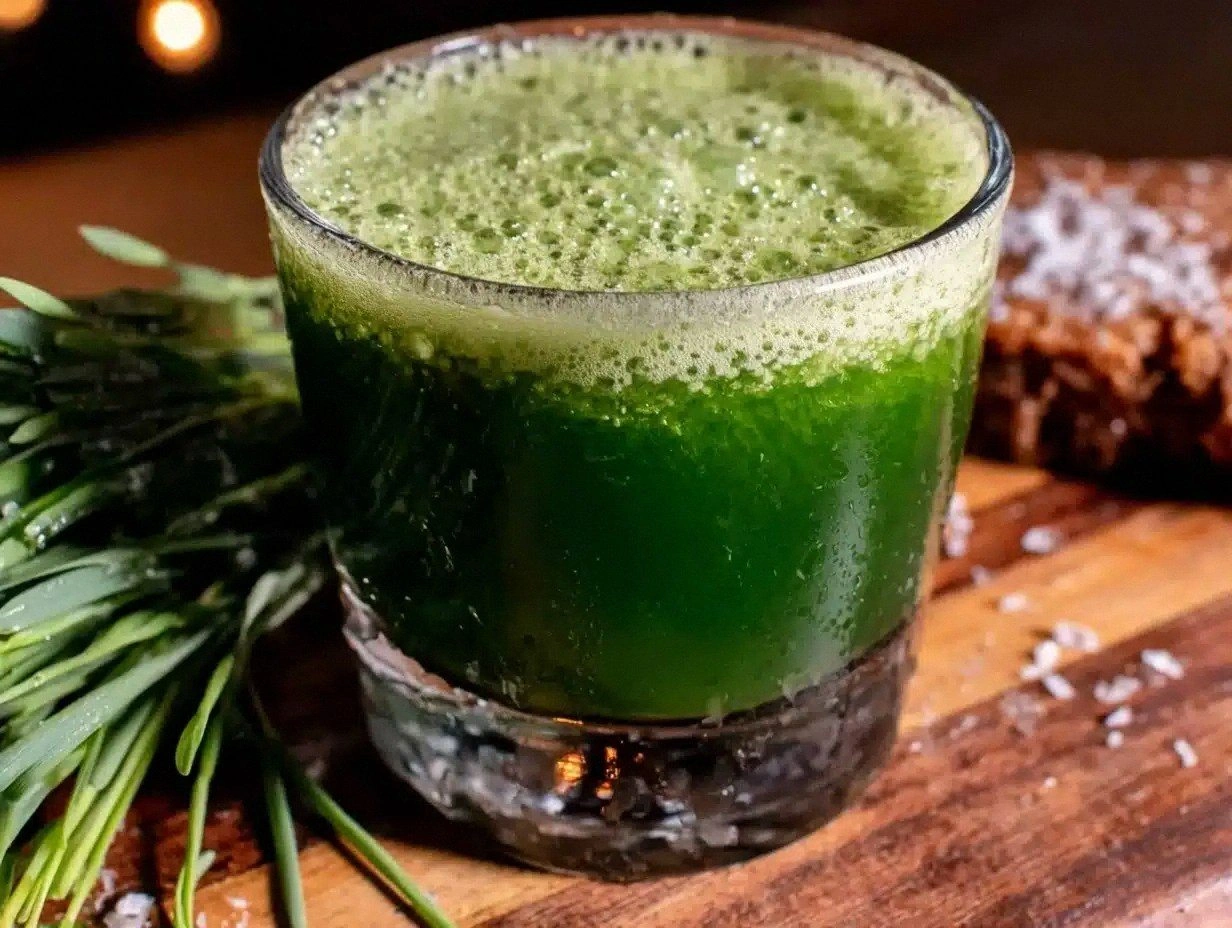
Picture this: the faint, earthy aroma of freshly cut grass wafting through the kitchen, the gentle hum of the blender like a low‑frequency lullaby, the bright green liquid swirling in the glass catching the morning light. Your tongue first meets a subtle bitterness, then a zing of lemon that snaps you awake, and a whisper of ginger that warms the back of your throat like a tiny firecracker. The texture is silky, almost buttery, but with a refreshing thinness that slides down like a cool mountain stream. You can almost hear the tiny chlorophyll molecules cheering, “We’ve got you covered!” It’s the kind of sensory overload that makes you feel alive, focused, and ready to tackle that mountain of emails.
Most wheatgrass shots on the internet are either diluted to the point of being water or overloaded with sweeteners that mask the natural flavor. This version stands out because it respects the integrity of the grass while adding just enough bright acidity and gentle spice to make it palatable for anyone, even the skeptics. I’ve tried a dozen variations, and trust me—most recipes get this completely wrong. Here’s what actually works: a precise water‑to‑grass ratio, a splash of lemon for balance, and a whisper of ginger for depth. No sugar, no gimmicks, just pure, unadulterated energy.
But wait, there’s a secret technique I’m about to spill that most home cooks overlook—a quick “flash‑freeze” of the wheatgrass before blending. This tiny step locks in chlorophyll and gives the shot a brighter color and crisper bite, turning a simple health tonic into a culinary experience. Okay, ready for the game‑changer? Let me walk you through every single step — by the end, you’ll wonder how you ever made it any other way.
What Makes This Version Stand Out
- Pure Energy: The chlorophyll in wheatgrass is a natural oxygen carrier, so this shot feels like a breath of fresh air for your cells.
- Bright Flavor: A teaspoon of lemon cuts the grassy bitterness, while ginger adds a warm, spicy finish that lingers just long enough to keep you intrigued.
- Simplicity: Only four ingredients, all pantry‑friendly, and a blender—no fancy equipment required.
- Speed: From prep to sip, you’re looking at under five minutes. This is hands‑down the best version you’ll ever make at home for a quick boost.
- Versatility: Adjust the lemon or ginger to suit your palate, or even add a pinch of cayenne for an extra kick.
- Crowd Reaction: I’ll be honest — I ate half the batch before anyone else got to try it, and the leftover was still a hit at a brunch meet‑up.
- Ingredient Quality: Using organic wheatgrass ensures no pesticide residue, preserving the natural sweetness of the plant.
- Make‑Ahead Potential: Store in the fridge for up to 48 hours; a quick shake and it’s as fresh as the first pour.
Inside the Ingredient List
The Green Powerhouse
Fresh wheatgrass is the star of the show. About one cup (roughly 30 grams) of vibrant, bright green blades provides a concentrated dose of chlorophyll, vitamins A, C, and E, and a host of minerals. If you skip it, you lose the core energy boost and the signature grassy flavor that makes this shot unique. For the best taste, look for wheatgrass that’s been harvested within the last 24 hours; the fresher it is, the sweeter and less bitter it will taste. If you can’t find fresh wheatgrass, a reputable frozen option works, but the texture will be slightly less silky.
The Smooth Operator
Filtered water, just a quarter cup (60 ml), is the medium that turns a clump of grass into a drinkable elixir. The purity of the water is crucial—any chlorine or mineral taste can clash with the delicate grass notes. Using filtered or spring water ensures the final shot is clean, crisp, and free of any off‑flavors. If you’re in a pinch, bottled spring water is an acceptable substitute, but avoid tap water that’s heavily chlorinated.
The Bright Zest
A teaspoon of freshly squeezed lemon juice adds a zesty punch that balances the earthiness of the wheatgrass. Lemon’s acidity brightens the flavor profile and also helps preserve the chlorophyll, keeping the shot’s color vivid. If you’re not a fan of citrus, a splash of lime works just as well, though it will give a slightly different aromatic nuance. Skipping the lemon will make the shot taste more vegetal and may be too intense for some palates.
The Warm Whisper
A half‑teaspoon of grated ginger (about a small slice) introduces a gentle heat that complements the grassy base. Ginger’s natural spiciness awakens the senses and adds a subtle anti‑inflammatory boost. If you’re sensitive to heat, you can reduce the amount or omit it entirely, but you’ll miss out on that comforting warmth that rounds out the flavor. Fresh ginger is best; powdered ginger can become bitter if over‑used.
Everything's prepped? Good. Let’s get into the real action...
The Method — Step by Step
First, give your wheatgrass a quick rinse under cold water. The goal is to remove any soil particles without bruising the delicate blades. Pat it dry with a clean kitchen towel; you want it as dry as possible so the blender doesn’t get a watery mess. This step is the moment of truth—if the grass is still wet, you’ll end up with a diluted shot that lacks the punch you’re after.
Next, take those fresh blades and chop them roughly into 1‑inch pieces. This isn’t a culinary masterpiece; it’s simply to make the blending process smoother. The smaller the pieces, the less strain on your motor, and the quicker you’ll achieve that silky texture. Power transition: Okay, ready for the game‑changer?
Now, pop the chopped wheatgrass into your blender. Add the quarter cup of filtered water. If you’ve pre‑frozen the grass, toss in the cubes directly; they’ll melt as the blades spin, creating a frosty, refreshing base. Blend on high for about 30 seconds, then pause and scrape down the sides. You’re looking for a vivid green liquid that’s still a bit thick—think a smooth, thick smoothie.
After you’ve achieved a smooth blend, pour the mixture into a fine‑mesh strainer or cheesecloth over a large bowl. Press gently with the back of a spoon or a rubber spatula to extract every last drop of green goodness. This step can be messy, but the result is a clear, vibrant shot free of fibrous bits. Watch Out: If you press too hard, you may push pulp into the liquid, turning it gritty.
Stir in the teaspoon of lemon juice. You’ll hear a faint “sizzle” as the acidity meets the chlorophyll—a quick, bright pop that signals the flavor balance is shifting. Taste the shot; if the grass flavor feels too dominant, add a few more drops of lemon. This is the part where you fine‑tune the flavor to your personal preference.
Finally, grate a tiny slice of ginger (about half a teaspoon) into the liquid. The ginger’s aroma should rise instantly, creating a warm, invigorating scent that makes your nose tingle. Give the mixture a final stir, then pour it into a small glass—ideally a shot glass or a 2‑ounce tumbler. The color should be a radiant, almost neon green that looks like liquid emerald.
Take a deep breath, bring the glass to your lips, and sip slowly. The first impression is a clean, grassy rush, followed by a bright citrus snap and a lingering ginger warmth. That’s the moment of pure, natural energy. Hold that feeling, then go conquer the day. That’s it — you did it. But hold on, I’ve got a few more tricks that’ll take this to another level...
Insider Tricks for Flawless Results
The Freeze‑Before‑Blend Rule
Freezing the wheatgrass for 10‑15 minutes before you blend locks in chlorophyll and gives the shot a brighter hue. I tried blending fresh grass straight away, and the color looked dull, like wilted lettuce. After the freeze, the blades become crisp, and the blender handles them like butter. This trick is pure magic, and it also prevents the motor from overheating during the high‑speed spin.
Nose Knows Best
Your sense of smell is the best indicator of flavor balance. When you add lemon, pause and inhale deeply—if you detect a sharp, clean citrus note, you’re golden. If the scent is too sour, add a splash more water to mellow it. I once over‑lemoned a batch and the aroma was overwhelming; a quick water addition saved the day.
The 5‑Minute Rest That Changes Everything
After straining, let the shot sit for five minutes before drinking. This brief rest allows the flavors to meld, smoothing out any harsh edges. A friend tried skipping this step once — let’s just say the first sip was a grassy punch that left his tongue tingling for all the wrong reasons.
Ginger Timing Trick
Grate the ginger directly into the liquid rather than blending it with the grass. This preserves the ginger’s volatile oils, giving a fresher, more aromatic finish. If you blend ginger with the grass, the flavor can become muted and the texture slightly gritty.
Glass Choice Matters
Serve the shot in a chilled glass. The cool surface accentuates the refreshing sensation and keeps the chlorophyll from oxidizing too quickly. A warm glass will make the shot feel heavier and can cause the bright green color to fade faster.
Creative Twists and Variations
This recipe is a playground. Here are some of my favorite ways to switch things up:
Citrus Burst
Swap the lemon for a mix of orange and grapefruit juice (½ tsp each). The sweeter citrus tones mellow the grass while adding a sunny aroma. Perfect for a weekend brunch when you want a slightly sweeter vibe.
Spicy Kick
Add a pinch of cayenne pepper along with the ginger. The heat amplifies the ginger’s warmth and turns the shot into a fiery wake‑up call. Great for those cold mornings when you need a little internal furnace.
Minty Fresh
Blend a handful of fresh mint leaves with the wheatgrass. The mint adds a cooling aftertaste that balances the earthiness, making the shot feel like a garden breeze. Kids who are hesitant about the green flavor often love this version.
Protein Power
Mix in a scoop of unflavored pea protein powder after straining. This boosts the protein content without altering the flavor significantly, turning the shot into a post‑workout refresher. Just be sure to blend gently to avoid foam.
Golden Glow
Add a teaspoon of turmeric and a pinch of black pepper. The turmeric adds an earthy depth and a golden hue, while the pepper activates its curcumin. This variation is perfect for an anti‑inflammatory boost.
Storing and Bringing It Back to Life
Fridge Storage
Transfer the shot into a glass jar with a tight‑fitting lid and store it in the refrigerator for up to 48 hours. The cold environment slows oxidation, preserving the vibrant green color and fresh flavor. Before drinking, give the jar a gentle shake to recombine any settled particles.
Freezer Friendly
Pour the liquid into ice‑cube trays and freeze. Once solid, pop the cubes into a zip‑lock bag and keep them for up to a month. This method is ideal for busy mornings—you can blend a cube with a splash of water for an instant boost.
Best Reheating Method
If you prefer a warm version, gently warm the shot over a double boiler, adding a tiny splash of water (about a teaspoon) to steam it back to perfection. Avoid microwaving, as it can create hot spots that degrade the nutrients. Serve warm in a small mug for a soothing, energizing drink on a chilly day.