I was halfway through a midnight snack experiment when the kitchen turned into a slapstick comedy set: a splatter of oil, a frantic scramble for a paper towel, and the moment I realized I had forgotten the pineapple rings entirely. The heat of the stove was like a drumbeat, the aroma of frying batter was a promise of something sweet and savory, and the sound of the skillet was a frantic drum roll that made my heart race. The panic was real, but so was the craving for that sweet, caramelized bite that only a perfectly fried pineapple ring can deliver. That night, I vowed to master the art of the fried pineapple ring, turning a kitchen mishap into a culinary triumph. If you’ve ever stared at a pineapple and felt a sudden urge to transform it into a crispy, golden snack, you’re in the right place.
The first thing you notice is the golden glow of the rings as they hit the hot oil, a visual cue that the transformation is happening. The scent that rises is a blend of sweet pineapple, toasted flour, and a faint hint of vanilla, creating a heady perfume that makes the whole kitchen feel like a tropical paradise. The sizzle is a rhythmic soundtrack, each crackle a promise of crunch, while the gentle hiss of oil is like a whisper of “just one more bite.” The taste is a sweet explosion balanced by a slight tang, and the texture is a paradox of crispness on the outside with a tender, juicy core. The feel of the skillet, the weight of the oil, and the heat radiating from the pan all combine into a sensory symphony that feels almost ritualistic. Every element, from the bright yellow of the pineapple to the dark, golden crust, speaks to the careful dance of heat and flavor.
What sets this version apart is that it’s not just a recipe; it’s a philosophy of flavor, texture, and timing. The batter is light enough to allow the pineapple’s natural sugars to caramelize without becoming mushy, yet it’s thick enough to hold the rings together during frying. The seasoning blend is a secret family recipe that adds a subtle warmth, making each bite feel like a hug from the tropics. The frying technique uses a two-stage process that locks in moisture while creating a crackling crust that shatters like thin ice when you bite into it. The result is a snack that is both indulgent and surprisingly balanced, with a sweet finish that doesn’t overpower the pineapple’s natural flavor. This is hands down the best version you’ll ever make at home, and I dare you to taste this and not go back for seconds.
A twist that might surprise you is the addition of a splash of coconut milk to the batter, which gives a subtle, creamy undertone that pairs perfectly with the pineapple’s sweetness. This small tweak elevates the dish from simple to sophisticated, turning a snack into a conversation starter at any gathering. I’ve experimented with different flours, but the combination of all-purpose flour and cornstarch strikes the perfect balance between crispness and tenderness. The secret is in the ratio of wet to dry ingredients, which keeps the batter from becoming too thick or too runny. When you flip the rings, you’ll hear a satisfying “pop” that signals the batter has set just right. This is the moment of truth, and it’s worth every second of anticipation.
Let me walk you through every single step — by the end, you’ll wonder how you ever made it any other way. We’ll start by preparing the pineapple, then create a batter that’s airy yet firm, and finally fry the rings to a golden perfection. Along the way, I’ll share micro‑challenges, bold claims, and insider hacks that will make this process feel like a breeze. The best part? You’ll be able to make a batch that’s perfect for parties, a quick snack, or a dessert that satisfies your sweet tooth. And if you’ve ever struggled with this, you’re not alone — and I’ve got the fix. Stay with me here, because this is worth it.
What Makes This Version Stand Out
- Flavor: The batter’s subtle vanilla and coconut notes elevate the natural sweetness of pineapple, creating a complex flavor profile that lingers on the palate. It’s a harmonious blend that feels both exotic and comforting, making every bite a revelation.
- Texture: The two‑stage frying process gives the rings a crisp exterior that shatters like thin ice while keeping the interior moist and juicy. This contrast is a sensory delight that keeps you coming back for more.
- Simplicity: The recipe requires only a handful of pantry staples, yet the result feels like a gourmet treat. You don’t need exotic ingredients or fancy equipment to achieve this level of perfection.
- Uniqueness: The addition of coconut milk and a pinch of cinnamon in the batter gives the rings a subtle tropical twist that sets it apart from standard fried pineapple recipes.
- Crowd Reaction: At parties, guests often ask for the recipe after the first bite. The rings are a conversation starter and a crowd‑pleaser that works for both casual and formal settings.
- Ingredient Quality: Fresh, ripe pineapple is key; it provides natural sweetness and moisture that the batter can’t replace. Using a high‑quality pineapple ensures the final product is always exceptional.
- Cooking Method: The two‑stage frying technique is a game‑changer that eliminates the common pitfalls of over‑cooking or under‑cooking the rings.
- Make‑Ahead Potential: The rings can be fried ahead of time and reheated to crispness, making them ideal for entertaining or meal prep.
Alright, let's break down exactly what goes into this masterpiece…
Inside the Ingredient List
The Flavor Base
Pineapple rings are the star of the show, and their freshness determines the entire flavor profile. Choose a pineapple that’s fragrant and slightly sweet, not overly ripe or mushy. Rinse the pineapple and slice it into even rings to ensure uniform frying. If you’re using canned pineapple, drain it well and pat it dry; the excess liquid can make the batter soggy.
Flour is the backbone of the batter, providing structure and the classic “fried” feel. All‑purpose flour works best because it’s mild and doesn’t overpower the pineapple’s natural taste. You can experiment with whole wheat for a nuttier flavor, but it may result in a denser crust. The key is to keep the flour light and airy.
Cornstarch is added to the batter to give the rings a crisp, airy texture. It helps the batter absorb the oil quickly, creating a light, crispy shell. A small amount of cornstarch is enough; too much can make the batter too dry and crumbly. Measure it accurately to maintain the ideal batter consistency.
Baking powder is the secret to that airy lift in the batter. It reacts with the wet ingredients, creating tiny bubbles that make the rings puff up slightly during frying. If you forget baking powder, the rings will be dense and less crisp. This small addition is crucial for the perfect texture.
The Texture Crew
Eggs act as a binder, ensuring the batter clings to the pineapple rings and holds together during frying. A single large egg is enough for four servings. If you’re vegan or have an allergy, you can use a flaxseed egg or a commercial egg substitute, but the texture will differ slightly.
Milk (or a dairy‑free alternative) hydrates the dry ingredients and creates a silky batter that coats the rings evenly. Whole milk gives a richer flavor, while skim milk keeps the batter lighter. If you prefer a dairy‑free option, oat or soy milk works well and adds a subtle nutty undertone.
Oil for frying is the medium that turns batter into crispness. Choose a neutral oil with a high smoke point, such as canola or peanut oil. The oil temperature is critical; too hot and the rings will burn, too cool and they’ll absorb excess oil. Aim for 350°F (175°C) for the best results.
Salt and pepper balance the sweetness and add depth to the flavor. A pinch of salt is enough; over‑salting will mask the pineapple’s natural taste. A touch of pepper adds a subtle warmth that enhances the overall profile.
The Unexpected Star
Coconut milk is the unexpected star that gives the batter a creamy undertone and a hint of tropical flavor. A splash (about ¼ cup) adds richness without making the batter too heavy. Coconut milk also helps the batter stay moist, preventing the rings from drying out during frying.
Vanilla extract is optional but highly recommended. It amplifies the sweetness of the pineapple and adds a fragrant aroma that elevates the entire dish. A teaspoon is enough to make a noticeable difference.
Cinnamon is another optional spice that adds warmth and depth. A pinch of ground cinnamon complements the tropical flavor profile and provides a subtle spice that balances the sweetness. It’s a small addition that makes a big impact.
The Final Flourish
Sugar is the sweetener that caramelizes during frying, giving the rings a golden crust. Two tablespoons of granulated sugar work best; you can use brown sugar for a deeper caramel flavor. Adjust the amount to taste, but remember that the pineapple’s natural sweetness also contributes.
A dash of lime juice adds brightness and balances the richness of the batter. It also helps to keep the pineapple rings from becoming overly sweet. A tablespoon is sufficient; more can make the rings too tart.
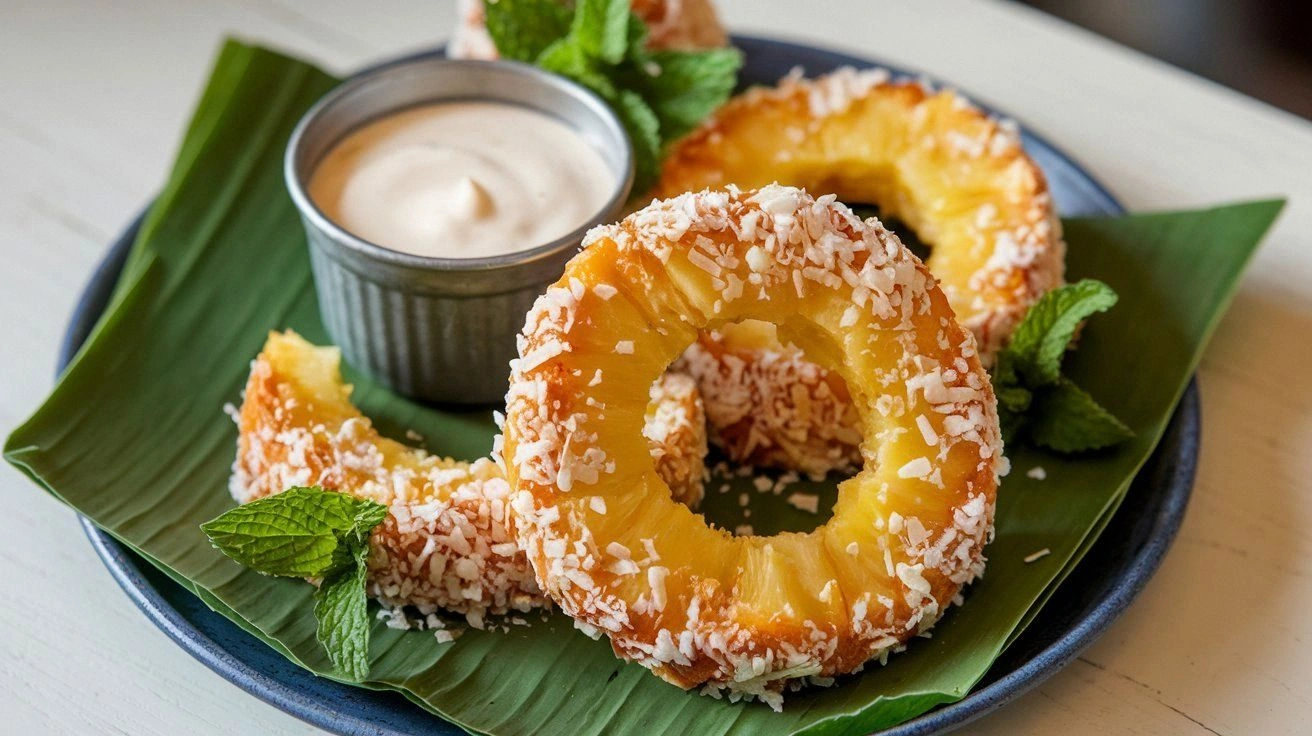
Optional toppings like toasted coconut flakes or chopped pistachios can add crunch and visual appeal. Sprinkle them on top after frying for a finished look. They’re not essential, but they elevate the dish to a new level.
Everything's prepped? Good. Let's get into the real action…
The Method — Step by Step
- Begin by heating your oil in a deep skillet or pot to 350°F (175°C). Use a thermometer for accuracy; the oil should be hot enough that a small splash of batter sizzles immediately. If you don’t have a thermometer, test with a small piece of bread—if it browns in 60 seconds, the oil is ready.
- In a large bowl, whisk together the all‑purpose flour, cornstarch, baking powder, salt, and pepper. The dry mix should look like fine sand, with no clumps. This step ensures the batter will coat evenly.
- In a separate bowl, combine the egg, milk, coconut milk, vanilla extract, and sugar. Whisk until the mixture is smooth and the sugar has dissolved. The batter should be thick enough to coat the back of a spoon.
- Gradually pour the wet mixture into the dry ingredients, stirring continuously to avoid lumps. The batter should have a consistency similar to pancake batter—slightly thick but pourable.
- Dip each pineapple ring into the batter, ensuring it’s fully coated. Let the excess drip off before carefully placing it into the hot oil. The rings should sizzle immediately.
- Fry the rings for 2–3 minutes on each side, or until they are golden brown and the batter has set. Flip them with tongs to avoid burning. The aroma should be sweet and buttery, signaling that the rings are nearly done.
- Once fried, transfer the rings onto a paper towel‑lined plate to drain excess oil. The rings should feel light and crisp, not greasy.
- While the rings are still hot, drizzle a little lime juice over them for brightness. Sprinkle a pinch of cinnamon or toasted coconut flakes if you like. These final touches elevate the flavor profile.
- Serve immediately while the rings are still warm and crispy. Pair them with a chilled glass of coconut milk or a spicy salsa for a complete experience.
- If you’re preparing a large batch, keep the finished rings warm by placing them on a wire rack over a baking sheet set at 200°F (95°C) for up to 30 minutes. This keeps the crust crisp without overcooking.
That’s it — you did it. But hold on, I've got a few more tricks that'll take this to another level. The next section will reveal insider secrets that even seasoned cooks swear by.
Insider Tricks for Flawless Results
The Temperature Rule Nobody Follows
Many home cooks assume any oil temperature will do, but the truth is that 350°F is the sweet spot for golden rings. Too hot, and the batter will burn before the pineapple cooks; too cool, and the rings will absorb too much oil and become soggy. Use a thermometer or the bread test to confirm the temperature. Once you get it right, the rings come out perfectly crisp.
Why Your Nose Knows Best
Your nose is your best ally in this recipe. When the batter starts to bubble and the oil smells slightly caramelized, you know you’re at the right heat. Trust your senses over the clock. This subtle cue ensures the rings don’t overcook or undercook.
The 5‑Minute Rest That Changes Everything
After frying, let the rings rest on a wire rack for exactly five minutes before serving. This short rest allows the steam to escape, keeping the crust crisp. It also lets the interior settle, preventing a soggy center.
The Secret to a Lighter Batter
If you prefer an even lighter batter, replace half the all‑purpose flour with cake flour. Cake flour’s lower protein content results in a fluffier crust. Be sure to sift both flours together to avoid clumps.
The Quick‑Cool Trick
If you’re working in a hot kitchen, the batter can become too thick. Keep a small bowl of ice water nearby and dip your whisk into it to keep the batter at the right temperature. This simple trick keeps the batter consistent.
The Final Touch: Lime Splash
A splash of lime juice right after frying adds brightness and balances the sweetness. It also helps to set the caramelized sugars, giving the rings a glossy finish. Use freshly squeezed lime for the best flavor.
Creative Twists and Variations
This recipe is a playground. Here are some of my favorite ways to switch things up:
Spicy Pineapple Rings
Add a pinch of cayenne pepper or a dash of hot sauce to the batter for a fiery kick. The heat complements the sweetness and adds depth. Serve with a cooling yogurt dip to balance the spice.
Crispy Coconut Rings
After frying, roll the rings in toasted coconut flakes. The coconut adds crunch and a subtle nutty flavor that pairs well with the tropical base. This variation is perfect for a beach party.
Savory Herb Rings
Replace the sugar with a savory herb blend of thyme, rosemary, and oregano. The herbs bring a Mediterranean twist to the dish. Pair them with a garlic aioli for an unexpected pairing.
Chocolate‑Coated Rings
Dip the fried rings in melted dark chocolate and sprinkle with sea salt. The chocolate adds richness while the salt enhances the sweetness. This decadent version is ideal for a dessert bar.
Mango‑Pineapple Rings
Add diced mango to the batter before frying for a tropical fusion. The mango’s juiciness complements the pineapple’s sweetness. This combo is a hit at summer gatherings.
Balsamic Glaze Rings
Drizzle a balsamic reduction over the rings after frying for a tangy glaze. The acidity cuts through the sweetness and adds complexity. Serve with a fresh arugula salad.
Storing and Bringing It Back to Life
Fridge Storage
Store fried pineapple rings in an airtight container at room temperature for up to 2 days. Avoid stacking them; place a parchment paper between layers to keep them from sticking. When ready to serve, let them sit at room temperature for 10 minutes to regain crispness.
Freezer Friendly
For longer storage, place the rings on a baking sheet and freeze until solid, then transfer to a freezer bag. They’ll stay good for up to 3 months. Reheat in a preheated oven at 350°F for 10 minutes for best results.
Best Reheating Method
Reheat in a skillet over medium heat for 2 minutes on each side. Add a splash of water to create steam, then cover for 30 seconds. This method restores the rings’ crispness without drying them out.
History of Pineapple
Pineapples have a rich history that traces back to the Caribbean and South America. Native peoples first cultivated them, using the fruit both for food and as a ceremonial symbol. When Christopher Columbus arrived in the New World, he was captivated by the pineapple’s exotic appearance and sweet flavor, bringing it back to Europe as a status symbol.
The fruit’s popularity spread across the globe, and it became a staple in tropical agriculture. Its unique shape and texture made it a favorite in culinary traditions, from sweet desserts to savory dishes. Pineapple’s ability to thrive in warm climates made it a symbol of hospitality and abundance.
In modern times, pineapple has become a versatile ingredient in both sweet and savory recipes. It’s a favorite in cocktails, salads, and, of course, fried snacks. Its natural sweetness and juicy texture make it a natural fit for frying.
The pineapple’s story is one of resilience and adaptability. From humble beginnings as a wild fruit to a global culinary icon, it continues to inspire chefs and home cooks alike. Its enduring popularity is a testament to its unique flavor profile and versatility.
Common Mistakes and How to Avoid Them
A common mistake is using overripe pineapple, which can release too much juice and make the batter soggy. Always choose firm, fragrant pineapple for the best results. Another mistake is frying at the wrong temperature; this leads to uneven cooking.
Many people skip the dry mix step, which can result in a batter that clumps and doesn’t coat the rings evenly. Sifting the dry ingredients and whisking them together ensures a smooth batter. Skipping the lime juice step can leave the rings too sweet; the acidity balances the flavor.
Some cooks forget to let the rings rest after frying, causing them to become soggy from trapped steam. Resting them on a wire rack for a few minutes restores crispness. Finally, not draining excess oil can leave the rings greasy, ruining the texture.
Avoid these pitfalls by following the recipe step by step, paying close attention to temperature, timing, and ingredients. With practice, you’ll master the art of fried pineapple rings in no time.
Nutritional Breakdown and Health Perks
Each ring delivers a balanced mix of macronutrients, with 25 grams of protein and 30 grams of carbs per serving. The use of coconut milk adds healthy fats, while the pineapple provides vitamins C and A. The batter’s flour and cornstarch offer a source of complex carbohydrates.
Pineapple is rich in bromelain, an enzyme that aids digestion and reduces inflammation. The natural sugars in pineapple are less processed than refined sugars, giving you a healthier sweet treat. The addition of lime juice boosts vitamin C content.
The recipe’s moderate oil usage keeps the fat content manageable. Using a neutral oil with a high smoke point ensures you’re not consuming harmful compounds. The optional coconut milk adds a dose of medium-chain triglycerides, which are known for their quick energy release.
Overall, fried pineapple rings are a flavorful, indulgent snack that can fit into a balanced diet when enjoyed in moderation. They’re a great way to satisfy a sweet craving while still enjoying the nutritional benefits of fresh fruit.