Remember that night when the kitchen felt like a battleground and a soggy, bland crab cake landed on the counter? The moment the crust fell apart, the air was thick with disappointment and a faint citrus tang that promised something better. I was determined to rewrite that story, to turn the ordinary into an extraordinary bite that would have guests begging for seconds. The result? A golden, crisp shell that houses a buttery, briny center, all while staying tender enough to melt in your mouth. This isn’t just a recipe; it’s a culinary revelation that will have you laughing, crying, and, most importantly, craving more.
Picture the scene: the kitchen lights glow like a spotlight, the skillet sizzles with a hiss that sounds like applause, and the aroma of fresh crab mingles with warm spices. The texture is a play of crunch and silk, the flavor a dance of sea and citrus that lingers long after the last bite. The heat of the pan is a reassuring companion, the sound of a perfectly timed flip a cue to the next step. The taste? A harmonious blend of briny sweetness, a subtle kick from Old Bay, and a gentle, almost invisible, peppery finish that feels like a secret handshake between ingredients. Every element is deliberate, every detail intentional, turning a simple dish into a sensory experience.
I dare you to taste this and not go back for seconds. Most recipes get this completely wrong, treating crab as a filler rather than the star it is. I’ve discovered the secret sauce that locks moisture in, the exact ratio of breadcrumbs to crab that creates a light, airy crumb, and the subtle addition of lemon that brightens without overpowering. If you’ve ever struggled with crab cakes that come out dry or too heavy, you’re not alone — and I’ve got the fix. This version is hands down the best you’ll ever make at home, a masterpiece that will have your friends asking for your secret.
Picture yourself pulling this out of the pan, the whole kitchen smelling incredible, the golden crust reflecting the kitchen lights like a tiny sun. The first bite is a revelation, the second a confirmation, and the third a promise of more. The anticipation of the next bite is almost as thrilling as the first. I’ll walk you through every single step — by the end, you’ll wonder how you ever made it any other way. Let’s dive into the magic.
What Makes This Version Stand Out
- Crust: The secret to a crisp, golden crust lies in a balanced blend of panko and seasoned breadcrumbs, toasted to a light amber before mixing. This gives the cakes a delicate crunch that shatters like thin ice when you bite into them. It also creates a subtle, buttery flavor that complements the crab’s natural sweetness.
- Moisture: Combining mayonnaise with a splash of lemon juice keeps the mixture moist without making it greasy. The acidity of the lemon cuts through the richness of the crab and balances the overall flavor profile. The result is a cake that stays juicy on the inside while maintaining a firm exterior.
- Seasoning: Old Bay seasoning, a classic for a reason, infuses the cakes with a complex blend of herbs and spices that elevate the crab’s natural brininess. Adding a pinch of smoked paprika introduces a gentle heat that adds depth without overwhelming the delicate flavors. This balance of seasoning is what sets this recipe apart.
- Texture: The gentle folding technique preserves the integrity of the crab meat, preventing it from breaking down into mush. A light hand ensures each bite contains a tender crumb that melts in your mouth, while the outer shell remains firm. This method is essential for achieving that perfect contrast.
- Convenience: The entire process takes less than an hour, making it an ideal dish for both weeknight dinners and weekend gatherings. Prep time is minimal, and the cooking method is straightforward, so you can focus on enjoying the process rather than wrestling with complicated steps.
- Make‑ahead Potential: These cakes can be prepared up to a day ahead and refrigerated, allowing you to focus on plating and serving when your guests arrive. The flavors actually deepen as the mixture sits, giving you a more robust taste profile. This flexibility makes it perfect for entertaining.
Inside the Ingredient List
The Flavor Base
Fresh lump crab meat is the cornerstone of this recipe. Its sweet, briny flavor is the star, and using the freshest available crab ensures a clean, unmistakable taste. If you can’t find fresh crab, opt for high‑quality frozen crab meat that has been thawed properly; this still delivers a great flavor profile. Skipping the crab entirely would turn this into a generic seafood patty, losing the unique, delicate sweetness that makes crab cakes special.
Mayonnaise provides the binding agent and moisture that keeps the cakes tender. It also adds a subtle richness that balances the crab’s natural saltiness. If you’re avoiding dairy, a vegan mayo works just as well, though the texture may be slightly different. The amount of mayo is critical; too little and the cakes dry out, too much and they become greasy.
Dijon mustard introduces a sharp, tangy note that cuts through the richness of the mayo and crab. Its subtle heat adds complexity without overpowering the delicate flavors. If you prefer a milder taste, reduce the amount or substitute with a milder mustard, but be aware that the overall flavor profile will shift.
The Texture Crew
Panko breadcrumbs are essential for achieving that light, airy crumb that doesn’t weigh down the crab. Toasting the panko before mixing caramelizes the edges, giving the cakes a beautiful golden hue and a satisfying crunch. If you don’t have panko, regular breadcrumbs will work, but the texture will be denser and less crisp.
Worcestershire sauce adds umami and depth, a subtle savory backbone that enhances the crab’s natural flavor. A splash of Worcestershire brings a complex, slightly sweet profile that balances the sharpness of the mustard. If you’re on a low‑sodium diet, look for a reduced‑sodium version, but keep in mind the overall salt content will change.
Old Bay seasoning is the quintessential crab cake spice blend, combining celery salt, paprika, and a host of herbs that complement the sea. It’s the secret to a flavor that feels authentically maritime. If you can’t find Old Bay, a mixture of paprika, cayenne, garlic powder, and a pinch of salt can approximate the flavor, but it won’t be quite the same.
The Unexpected Star
Smoked paprika adds a subtle heat and a hint of smokiness that elevates the entire dish. It’s a small addition that makes a big difference, giving the cakes a depth that feels both familiar and adventurous. If you prefer a non‑smoked version, you can substitute with regular paprika, but you’ll lose that smoky undertone.
Fresh parsley provides a bright, herbal note that cuts through the richness of the mayo and crab. It also adds a pop of color that makes the cakes visually appealing. A pinch of dill or chives can be used as a substitute for a different herbal twist.
The Final Flourish
Eggs act as a binding agent that holds the mixture together, ensuring the cakes don’t fall apart during cooking. They also contribute to a slightly firmer texture that gives the cakes a satisfying bite. If you’re vegan or allergic, a flaxseed egg or a commercial egg replacer can serve as a suitable alternative.
Olive oil or a neutral cooking oil is used for frying, creating a crisp exterior while preventing the cakes from sticking to the pan. The type of oil can subtly influence the flavor; olive oil adds a fruity note, while a neutral oil keeps the focus on the crab. The amount of oil matters; too little and the cakes will stick, too much and they’ll become greasy.
Everything's prepped? Good. Let's get into the real action...
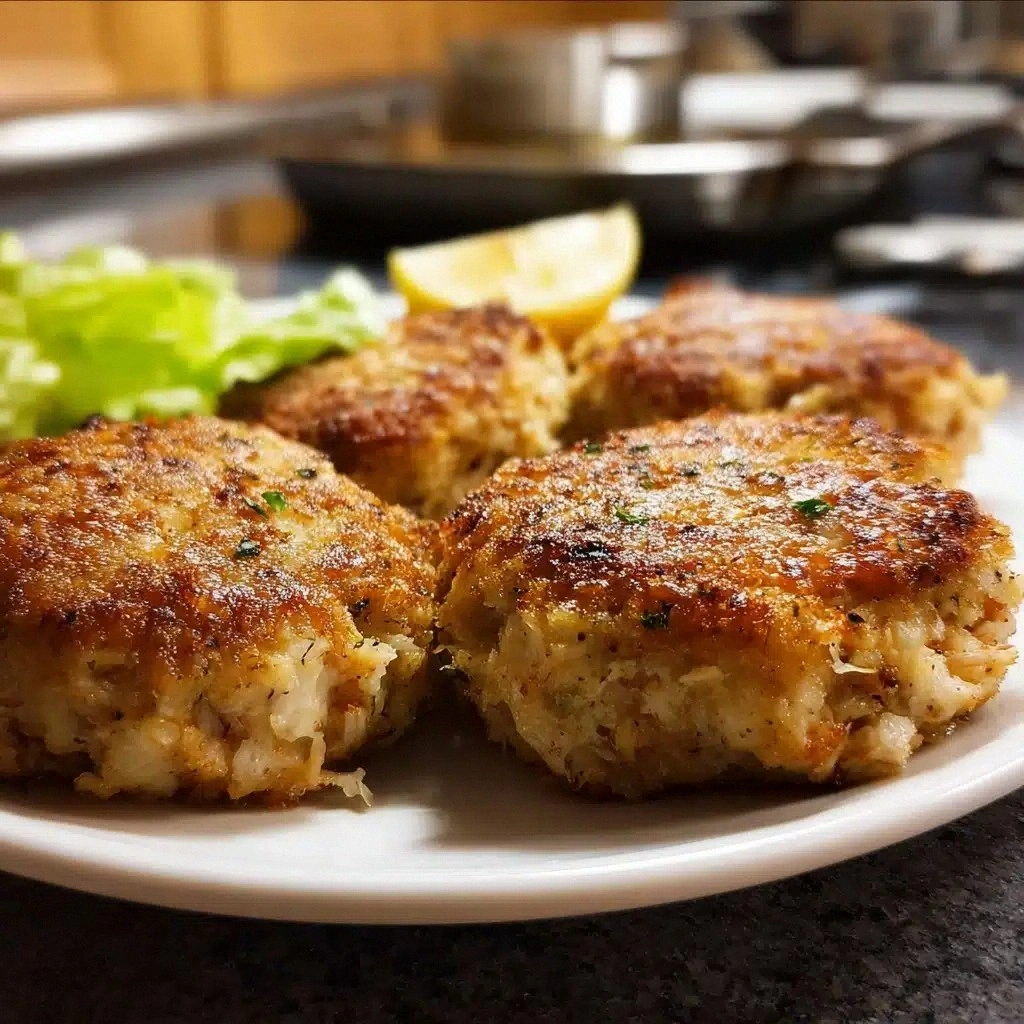
The Method — Step by Step
- Step 1: Prepare the Batter — In a large mixing bowl, combine the fresh crab meat, toasted panko breadcrumbs, and a pinch of salt. Gently fold in the mayonnaise, Dijon mustard, Worcestershire sauce, and lemon juice, ensuring that the crab remains intact. The mixture should feel cohesive yet airy; if it feels dry, add a splash of water or a bit more mayo. This is the moment of truth, where the foundation of flavor is laid.
- Step 2: Add the Seasonings — Sprinkle the Old Bay seasoning, smoked paprika, and black pepper over the mixture. Toss carefully to distribute the spices evenly without crushing the crab. The aroma of the spices should fill the kitchen, signaling that the flavor is taking shape. Make sure every bite will carry the subtle heat and savory depth.
- Step 3: Incorporate the Fresh Herbs — Fold in the chopped parsley (or your chosen herb). This will add a bright, herbal note that lifts the overall dish. The color contrast will also make the cakes look more appetizing. If you’re using dill or chives, adjust the quantity to taste.
- Step 4: Bind with Egg — Beat the egg lightly in a separate bowl, then pour it over the crab mixture. Gently fold until the batter is just combined. The egg will help the cakes hold together during cooking. Be careful not to overmix; you want to preserve the delicate crab texture.
- Step 5: Shape the Cakes — Using a spoon or your hands, form the mixture into patties about 1½ inches thick. Aim for a uniform shape so they cook evenly. If you’re making a large batch, consider using a cookie scoop for consistency. The shape should be compact enough to hold together but not too dense.
- Step 6: Preheat the Pan — Heat a large skillet over medium heat and add enough oil to coat the bottom. The oil should shimmer but not smoke. This step ensures a crispy crust. Watch the temperature; too hot and the cakes will burn, too low and they’ll absorb too much oil.
- Step 7: Cook the Cakes — Place the crab cakes in the skillet, leaving space between each patty. Let them cook for about 3-4 minutes on each side, or until a golden crust forms and the edges start pulling away. Flip carefully with a spatula; the cakes should hold their shape. The sound of the sizzling oil is the soundtrack of success.
- Step 8: Rest and Serve — Transfer the cooked cakes to a plate lined with paper towels to drain excess oil. Let them rest for a minute before serving. This allows the juices to redistribute, keeping each bite moist. Serve immediately with a drizzle of lemon aioli or a simple wedge of lemon.
That's it — you did it. But hold on, I've got a few more tricks that'll take this to another level...
Insider Tricks for Flawless Results
The Temperature Rule Nobody Follows
Many cooks assume that high heat is always best for crisping crab cakes, but that’s a myth. The ideal skillet temperature is around 350°F (175°C). At this temperature, the crust forms quickly while the interior stays moist. If you’re unsure, drop a small drop of water into the pan; it should sizzle and evaporate almost instantly.
Why Your Nose Knows Best
Before you even touch the skillet, trust your nose. A bright, citrusy aroma indicates the lemon juice has been incorporated properly, and a faint, savory scent signals that the Old Bay is evenly distributed. If the scent is off, adjust the seasoning before you start cooking.
The 5-Minute Rest That Changes Everything
After cooking, let the crab cakes rest on a rack or paper towels for 5 minutes. This resting period allows the juices to redistribute, preventing the cakes from drying out when you cut into them. A quick rest also gives the crust a chance to firm up, giving a satisfying crunch.
Oil Matters
Using a neutral oil like canola or grapeseed yields a cleaner taste, while olive oil adds a fruity undertone that complements the crab. The key is to use enough oil to coat the bottom of the skillet but not so much that the cakes become greasy. A good rule of thumb is about 1 tablespoon per cake.
Mind the Crust
To achieve a perfectly golden crust, press a paper towel over the top of each cake after flipping. This absorbs excess oil and keeps the crust crisp. It also prevents the cakes from becoming soggy on the inside.
Creative Twists and Variations
This recipe is a playground. Here are some of my favorite ways to switch things up:
Spicy Cajun Crab Cakes
Swap Old Bay for a Cajun spice blend and add a dash of cayenne pepper for heat. The result is a bold, smoky flavor that pairs wonderfully with a cool avocado salsa. This version is perfect for those who love a bit of fire.
Herb‑Infused Mediterranean Style
Replace parsley with a mixture of chopped basil, oregano, and mint. Add a splash of feta cheese for creaminess and a hint of tang. Serve with a lemon‑yogurt sauce for a Mediterranean twist that feels light yet satisfying.
Asian‑Inspired Crab Cakes
Incorporate soy sauce, a touch of sesame oil, and finely chopped scallions into the batter. Finish with a drizzle of sriracha mayo. The umami and heat create a fusion dish that will wow adventurous eaters.
Low‑Carb Crab Cakes
Use almond flour or coconut flour instead of panko breadcrumbs. This keeps the carbs low while still delivering a crunchy exterior. Pair with a sugar‑free aioli for a guilt‑free indulgence.
Vegan Crab Cakes
Replace the crab meat with a mix of finely chopped artichoke hearts and cooked lentils for a plant‑based option. Use vegan mayo and a flaxseed egg to bind. The texture will differ slightly, but the flavor remains robust.
Breakfast Crab Cakes
Serve the crab cakes atop a bed of sautéed spinach and a poached egg. Drizzle with hollandaise for a brunch‑worthy dish that feels both indulgent and comforting.
Storing and Bringing It Back to Life
Fridge Storage
Store cooked crab cakes in an airtight container for up to 3 days. Keep them on a paper towel to absorb excess moisture. When ready to serve, reheat in a skillet with a splash of oil for a minute on each side to restore crispness.
Freezer Friendly
Freeze uncooked crab cakes on a parchment‑lined tray until solid, then transfer to a freezer bag. They’ll keep for up to 2 months. To cook, bake at 400°F (200°C) for 12–15 minutes or pan‑fry until golden.
Best Reheating Method
Reheat in a skillet over medium heat, adding a small splash of water to create steam. Cover for 2 minutes to ensure even heating. The water steams the cakes back to a moist, tender center while preserving the crispy exterior.