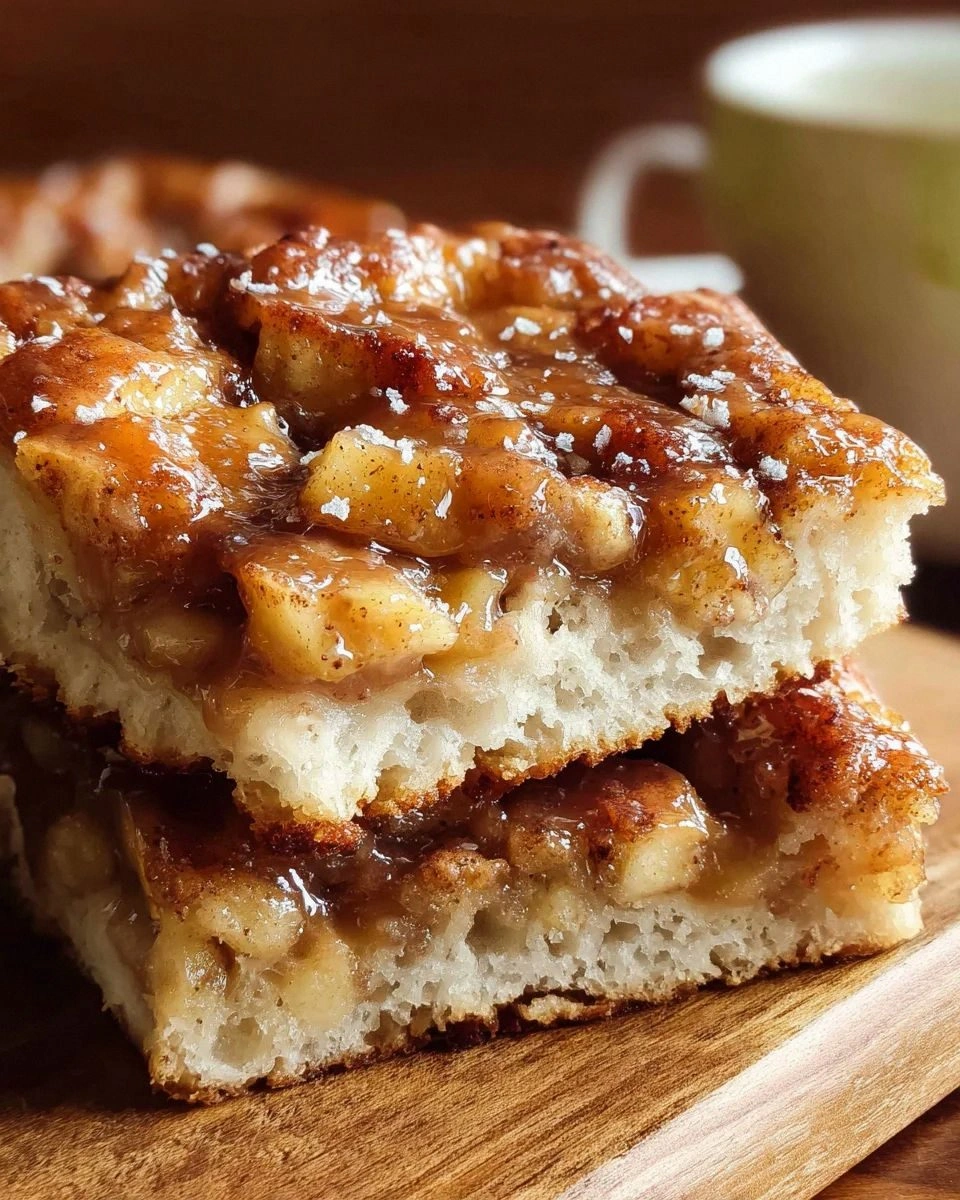
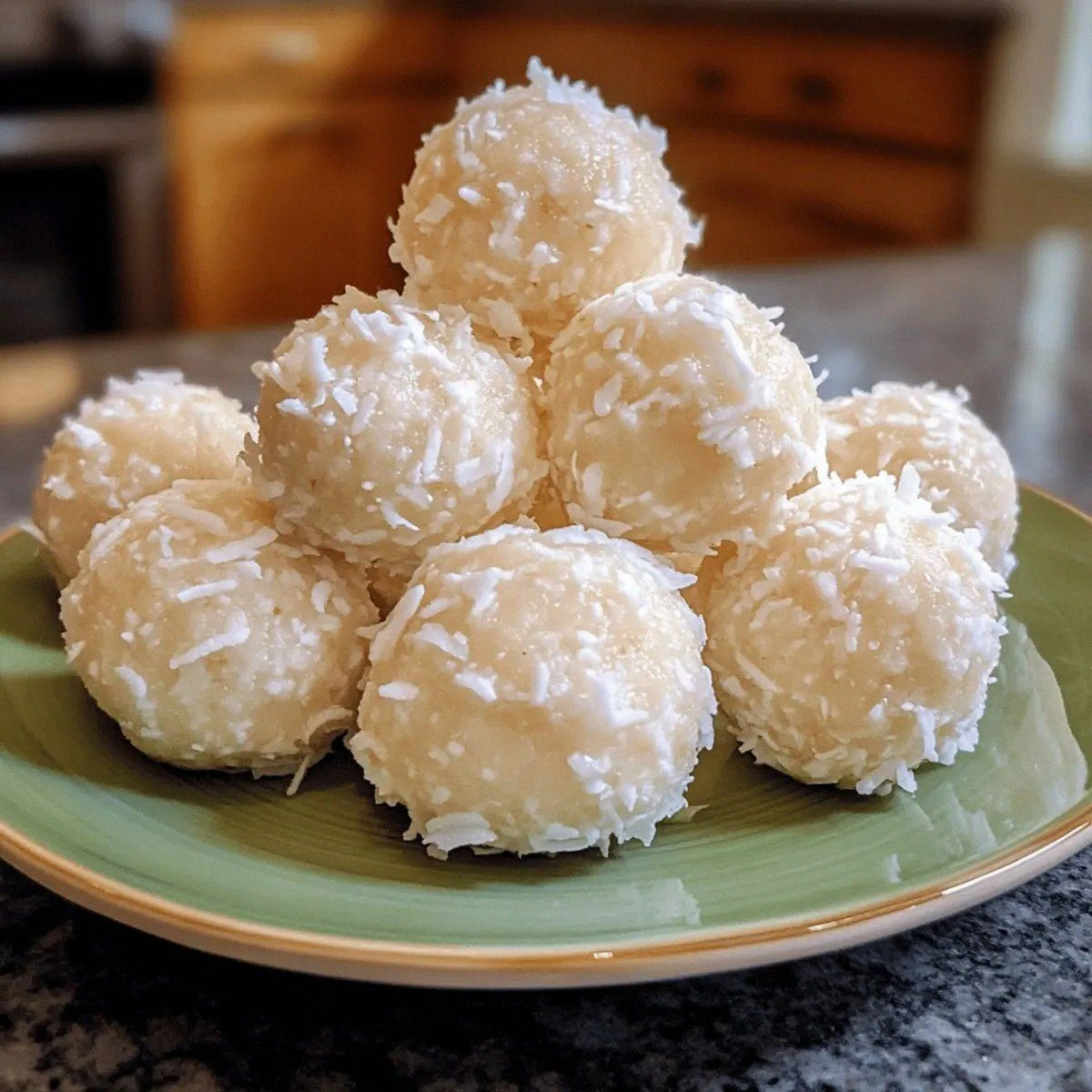
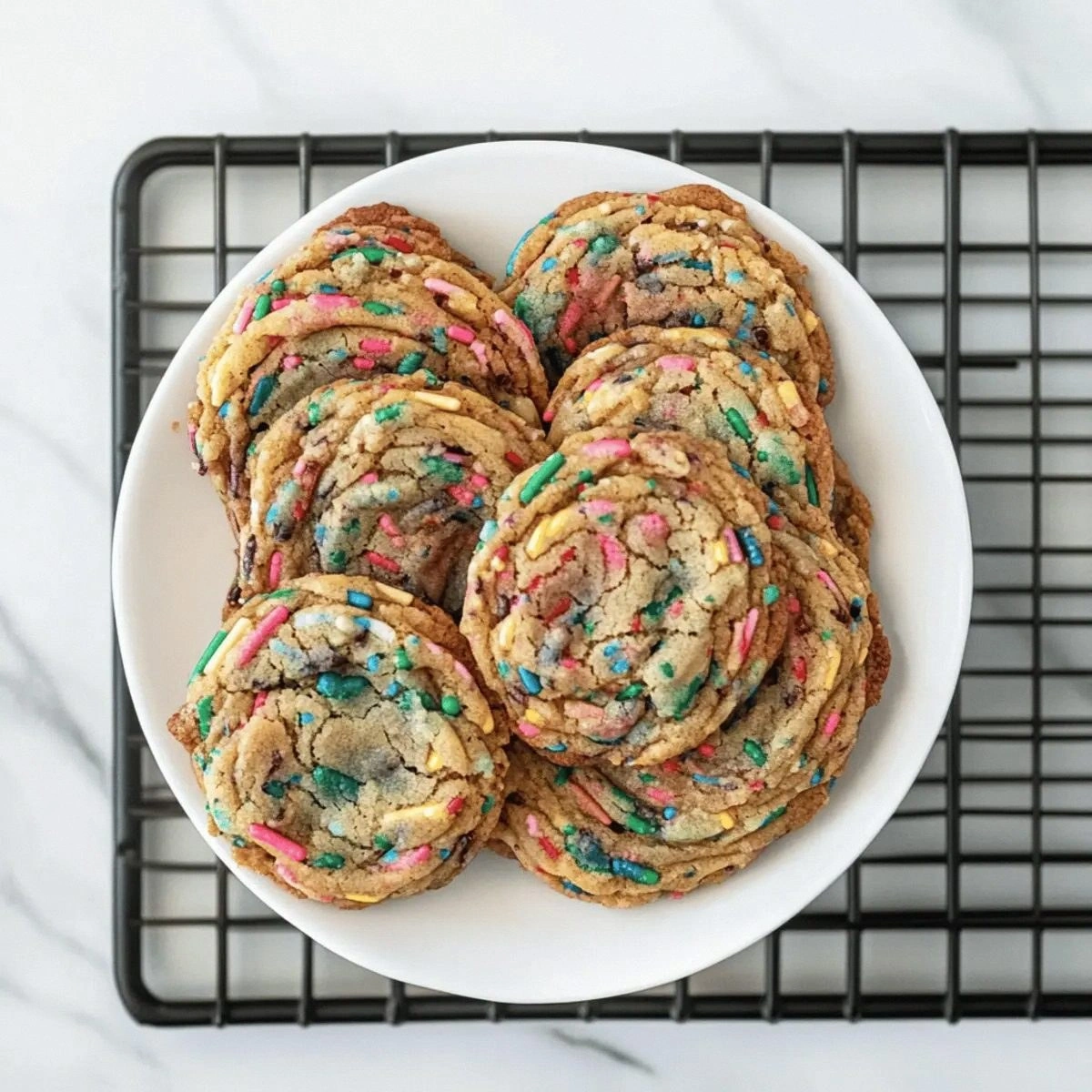
I was in a kitchen crisis that would have made even the most seasoned cooks sweat. I had just baked a batch of plain sugar cookies, and the dough had turned into a sticky, rubbery mess that looked like it belonged in a science lab rather than a dessert tray. My friends were watching, half amused, half horrified, as I tried to salvage the batch by adding more flour, only to end up with a dry, crumbly disappointment. That night, I googled “ricotta cookie” and stumbled on a recipe that promised a lighter, airier texture and a subtle tang that would dance on your tongue.
The moment I whisked the ricotta into the batter, the kitchen filled with a buttery aroma that felt like a warm hug. The ricotta’s creamy silkiness mingled with the golden butter, creating a dough that was smooth yet forgiving. As I scooped the first batch onto the tray, the cookies popped out like small, golden moons, and the sizzle that followed was pure music. I could almost hear the crunch of a perfect bite as the edges browned, turning a humble kitchen mishap into a culinary triumph.
What makes this version stand out is not just the airy texture but the deliberate layering of flavor and technique. I’m talking about the strategic use of ricotta, the subtle citrus lift, and a dash of baking powder that gives the cookies a gentle lift without compromising their dense, comforting bite. It’s a recipe that defies the usual expectations of ricotta—no heavy, dairy‑rich spread, no soggy crumbs, just a balanced, melt‑in‑your-mouth experience. And trust me, once you taste these, I dare you to not go back for seconds.
The secret to this cookie’s success is a single, unexpected ingredient: a splash of lemon zest that brightens the dough and adds a subtle zing that cuts through the richness. That small twist transforms a simple cookie into a memorable treat that feels both indulgent and refreshing. Picture yourself pulling a tray of warm, golden cookies from the oven, the air thick with vanilla and lemon, and knowing that each bite will melt into a silky, lightly crisp experience. Let me walk you through every single step — by the end, you’ll wonder how you ever made it any other way.
What Makes This Version Stand Out
- Texture: The ricotta introduces a moist, airy crumb that defies the usual dense, crumbly ricotta cookies, giving each bite a cloud‑like feel.
- Flavor: A generous splash of lemon zest lifts the richness, creating a bright, citrusy counterpoint that keeps the palate engaged.
- Balance: The careful ratio of butter to ricotta ensures a buttery mouthfeel without excess greasiness.
- Simplicity: The recipe uses only eight core ingredients, making it accessible for beginners while still delivering a sophisticated taste.
- Make‑ahead: The dough can be prepared a day in advance, allowing the flavors to meld and the cookies to rise slightly in the fridge.
- Versatility: Add chocolate chips, toasted nuts, or a drizzle of honey after baking for endless variations.
- Crowd Appeal: Friends rave about the airy texture and subtle lemon brightness, making these cookies a hit at gatherings.
- Ingredient Quality: Using a high‑fat ricotta and unsalted butter ensures a richer, more authentic Italian flavor profile.
Alright, let’s break down exactly what goes into this masterpiece…
Inside the Ingredient List
The Flavor Base
The foundation of these cookies is a blend of all‑purpose flour, baking powder, and a pinch of salt. The flour provides structure, the baking powder introduces a subtle lift, and the salt balances the sweetness. If you skip the baking powder, the cookies will be flat and heavy, lacking the desirable airy bite that makes them feel light. For a gluten‑free version, you can substitute an equal amount of a gluten‑free all‑purpose blend, but keep the ratio of baking powder the same to maintain the rise.
The Texture Crew
Butter and ricotta are the dynamic duo that defines the mouthfeel. The butter contributes a buttery richness that melts on the tongue, while the ricotta adds a creamy, almost custard‑like texture. Together, they create a dough that is smooth yet forgiving. If you replace the butter with margarine, you’ll lose the depth of flavor and the buttery aroma that elevates the cookie. A small tip: soften the butter to room temperature to ensure a smooth blend with the ricotta.
The Unexpected Star
Lemon zest is the ingredient that sets these cookies apart from ordinary ricotta treats. The zest’s bright, citrusy oils infuse the dough, cutting through the richness and adding a lively, fresh finish. Skipping the lemon zest will result in a cookie that is sweet and buttery but lacks that memorable zing. If you’re allergic to citrus, a small pinch of orange zest can provide a similar lift, though the flavor profile will shift slightly.
The Final Flourish
Optional additions like chocolate chips, toasted walnuts, or a drizzle of honey after baking can personalize these cookies to your taste. Chocolate chips add a sweet, melty contrast that pairs beautifully with the ricotta’s creaminess. Toasted walnuts introduce a crunchy texture and nutty undertone, while honey provides a caramelized finish. Each variation is a playground for creativity, allowing you to tailor the cookies to your mood or occasion.
Everything’s prepped? Good. Let’s get into the real action…

The Method — Step by Step
- Preheat your oven to 350°F (175°C). Line two baking sheets with parchment paper or silicone mats to prevent sticking. This pre‑baking step ensures a uniform rise and a golden finish. The oven temperature is critical; too hot and the edges will burn before the centers bake.
- In a large mixing bowl, whisk together 2 cups of all‑purpose flour, 1 tsp baking powder, and 1/2 tsp salt until evenly distributed. The dry mix should be smooth, with no lumps. This step prevents uneven baking and ensures a consistent rise across all cookies.
- In a separate bowl, beat 1/2 cup (1 stick) of softened unsalted butter with 1/2 cup granulated sugar and 1/4 cup brown sugar until the mixture is light and fluffy. The sugars should dissolve into the butter, creating a smooth base that will trap air when folded into the dough. Patience here pays off in the final texture.
- Add 1 large egg and 1 tsp vanilla extract to the butter mixture, beating until fully incorporated. The egg acts as a binder, while the vanilla adds depth and warmth. Overmixing can cause the dough to become tough; mix just until the egg is fully blended.
- Fold in 1 cup of ricotta cheese, 1 tbsp lemon zest, and 1 tsp baking powder. The ricotta should be at room temperature to mix smoothly. The lemon zest’s essential oils will brighten the dough, so don’t skip this step. The baking powder ensures the cookies have a gentle lift.
- Gradually stir in the dry flour mixture, mixing until just combined. Over‑mixing at this point can develop gluten, leading to a denser cookie. The dough should be soft and slightly sticky but manageable. If it’s too dry, add a tablespoon of milk to reach the right consistency.
- If you’re adding chocolate chips or nuts, fold them in now. This prevents them from sinking to the bottom of the dough during baking. The chips should be evenly distributed for a balanced flavor in every bite.
- Using a tablespoon or a small cookie scoop, drop dough onto the prepared baking sheets, spacing them 2 inches apart. Press each ball gently to flatten slightly; this helps them bake evenly and achieve that classic cookie shape.
- Bake for 12–15 minutes, or until the edges are golden brown and the centers are set. The cookies will look slightly undercooked on top, but they’ll firm up as they cool. Keep an eye on the oven; the temperature can fluctuate, especially if you’re baking multiple trays.
- Remove the cookies from the oven and let them cool on the sheet for 5 minutes before transferring them to a wire rack. This short rest allows the cookies to set and prevents them from breaking apart. The aroma of vanilla and lemon will fill your kitchen, creating a sensory feast.
That's it — you did it. But hold on, I've got a few more tricks that'll take this to another level…
Insider Tricks for Flawless Results
The Temperature Rule Nobody Follows
Many bakers believe that a hotter oven always yields better cookies, but that’s a myth. The key is a steady 350°F (175°C) that allows the cookies to rise slowly and develop a golden crust without burning the edges. If your oven runs hot, consider using a lower temperature or placing the baking sheet on a lower rack to give the cookies more time to bake evenly.
Why Your Nose Knows Best
Smell is an underrated sense in baking. As the cookies bake, the aroma of butter and lemon should become more pronounced. If you notice a sharp, metallic scent, the oven might be too hot. Trust your nose to guide you toward the perfect bake time and temperature.
The 5-Minute Rest That Changes Everything
Letting the cookies rest on the baking sheet for 5 minutes after removal from the oven is a game changer. During this brief pause, the cookies finish setting, making them easier to transfer to a wire rack without breaking. This step also allows the flavors to meld, giving the cookies a richer finish.
Use a Cookie Scoop for Consistency
A tablespoon or cookie scoop ensures that each cookie has the same size and shape, leading to uniform baking times. This consistency is especially important when you’re sharing the cookies or packaging them for gifts.
Don’t Skimp on the Butter
Butter adds both flavor and moisture. If you replace it with a lighter fat, the cookies will lose their buttery depth. Stick with unsalted butter for the best flavor profile, and remember to soften it to room temperature for easier mixing.
Keep the Dough Cool
If you’re baking a large batch, chill the dough for 30 minutes before scooping. Chilling tightens the butter, preventing the cookies from spreading too much and ensuring a consistent shape.
Creative Twists and Variations
This recipe is a playground. Here are some of my favorite ways to switch things up:
Chocolate Chip Delight
Fold in 1/2 cup dark chocolate chips just before baking. The chocolate adds a rich, bittersweet contrast that pairs beautifully with the lemon zest, creating a balanced flavor profile that satisfies both sweet and savory cravings.
Nutty Crunch
Add 1/3 cup toasted walnuts or pecans to the dough. The nuts provide a satisfying crunch and a subtle buttery flavor that enhances the ricotta’s creaminess, making each bite a multi‑sensory experience.
Honey Drizzle Finish
After baking, drizzle a thin layer of honey over the warm cookies. The honey’s natural sweetness and floral notes amplify the lemon zest, creating a luxurious finish that feels indulgent without being overpowering.
Almond Flour Swap
For a gluten‑free version, replace all‑purpose flour with an equal amount of almond flour. The cookies will have a slightly nutty flavor and a denser texture, but the ricotta will still provide the creamy base that keeps them from being too dry.
Spiced Variation
Add 1/2 tsp ground cinnamon or a pinch of nutmeg to the dry mix. The warm spices add depth and a comforting aroma that pairs well with the lemon zest, making these cookies perfect for cooler evenings.
Caramelized Banana Swirl
Fold in 1/2 cup mashed ripe banana into the dough for a natural sweetener. The banana adds a subtle fruitiness and a silky texture that complements the ricotta, creating a unique flavor profile that stands out from classic ricotta cookies.
Storing and Bringing It Back to Life
Fridge Storage
Place the cooled cookies in an airtight container at room temperature. They’ll stay fresh for up to 5 days. The airtight seal prevents the cookies from drying out while preserving the ricotta’s creamy interior.
Freezer Friendly
For longer storage, freeze the cookies in a single layer on parchment paper until solid, then transfer them to a freezer‑safe bag. They can be stored for up to 3 months. When ready to eat, let them thaw at room temperature for 20 minutes before serving.
Best Reheating Method
To revive frozen or stale cookies, preheat your oven to 325°F (165°C) and bake for 5–7 minutes. Add a splash of water to the baking sheet before placing the cookies; the steam helps restore moisture and crispness to the edges without drying out the interior.