I was halfway through a chaotic Easter brunch when the kitchen turned into a battleground of batter and confusion. My friends had challenged me to bake a Bundt cake that could outshine the traditional carrot cake, and I was determined to prove them wrong. I stared at the recipe I had found online, a recipe that promised a citrusy, coconut‑laden masterpiece that would leave everyone craving more. The moment I whisked the batter, the kitchen filled with the bright, zesty aroma of lemon and coconut, instantly turning the chaos into a fragrant promise of success. I dared myself to taste the batter before baking, and the burst of citrus and creamy coconut made me question whether this was a dessert or a revelation.
As the batter swirled, my senses were assaulted by the sweet scent of vanilla mingling with the sharp tang of lemon zest. The sound of the mixer humming was a steady drumbeat that kept me focused, while the silky texture of the mixture felt like a promise of velvet on the tongue. The heat from the oven was a gentle reminder that time was ticking, and the anticipation of that golden crust was almost a physical sensation. When I finally slid the Bundt into the preheated oven, the air filled with the comforting scent of toasted coconut, and the kitchen felt like a sanctuary of flavor. My heart beat faster, not just from the excitement of baking but from the knowledge that this cake would become a legend.
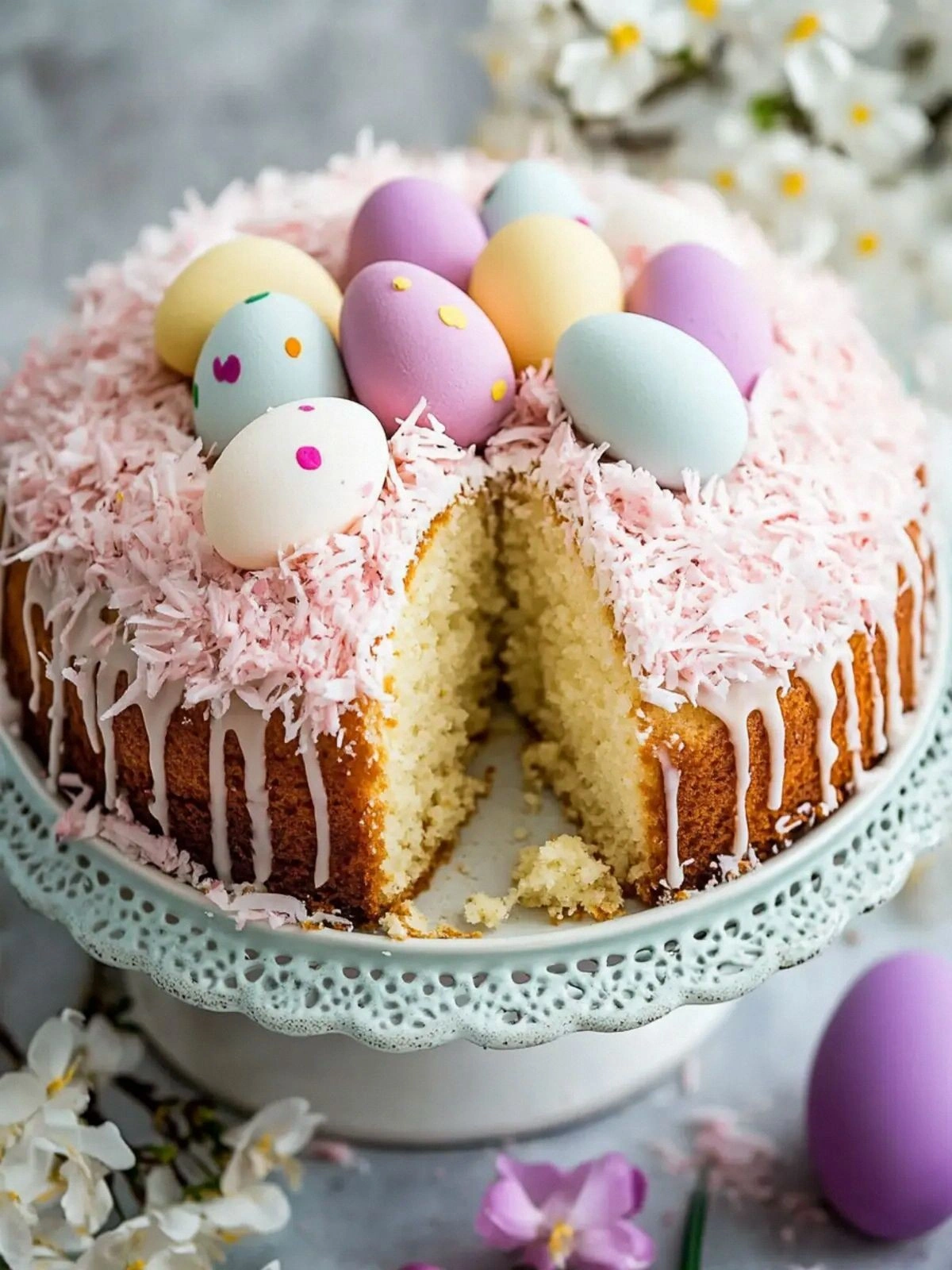
What makes this version stand out is not just the combination of lemon and coconut, but how each ingredient is orchestrated to create layers of flavor that dance on the palate. The batter is light yet moist, thanks to the subtle use of sour cream that keeps the crumb tender. The frosting, a silky blend of cream cheese and butter, provides a contrasting richness that balances the citrus brightness. The coconut topping adds a satisfying crunch that snaps like a crisp bite of summer. Most importantly, the cake is made with a simple, no‑fuss technique that anyone can master, even if you’ve only ever baked a mug cake.
What’s truly exciting is the hidden trick that turns a standard Bundt into a showstopper: a splash of coconut extract that amplifies the tropical vibe without overwhelming the lemon. This subtle addition is what separates this cake from the dozens of lemon Bundt recipes that crowd the internet. The result is a cake that feels like a holiday treat, even if you bake it on a regular Sunday. The aroma alone will have your guests lining up for a slice.
Let me walk you through every single step — by the end, you'll wonder how you ever made it any other way.
What Makes This Version Stand Out
- Taste: The harmonious blend of bright lemon and toasted coconut creates a flavor profile that is both refreshing and indulgent. It’s like a summer breeze wrapped in a sweet hug.
- Texture: The batter’s airy crumb pairs with a buttery frosting, while the coconut topping adds a delightful crunch that keeps every bite interesting.
- Ingredient Quality: Using full‑fat sour cream and real coconut extract elevates the cake from ordinary to extraordinary, delivering depth and authenticity.
- Ease of Preparation: The method is straightforward, with minimal steps and no need for advanced baking skills, making it ideal for beginners and pros alike.
- Make‑Ahead Friendly: The cake can be assembled a day ahead, and the frosting can be prepared separately, saving you precious time during the festivities.
- Visual Appeal: The golden crust, glossy frosting, and coconut crown create a showstopper that will impress even the most discerning dessert connoisseurs.
- Versatility: The recipe can be adapted for different occasions, from Easter brunches to holiday parties, making it a staple in your baking repertoire.
Inside the Ingredient List
The Flavor Base
At the core of this cake lies the citrusy foundation, built from fresh lemon zest and a generous splash of lemon juice. These ingredients infuse the batter with a bright, zesty punch that cuts through the sweetness of the sugar and butter. If you skip the zest, the cake will taste like a plain vanilla bundt, lacking that lively kick that makes it memorable. A good rule of thumb is to always use freshly grated zest; pre‑ground or bottled zest often lacks the aromatic oils that bring depth.
The Texture Crew
The combination of cake flour, baking powder, baking soda, and salt creates a delicate crumb that rises beautifully. Cake flour’s low protein content ensures a tender texture, while the leavening agents give the batter its lift. The inclusion of sour cream or yogurt introduces a slight acidity that reacts with the baking soda, producing a light, airy rise. Skipping the sour cream will result in a denser cake that feels heavy on the palate.
The Unexpected Star
It’s easy to overlook the role of coconut extract, but this single teaspoon is a game‑changer. It amplifies the coconut flavor without overpowering the lemon, giving the cake a subtle tropical undertone that feels sophisticated. If you can’t find coconut extract, a dash of toasted coconut flakes will do, but it won’t deliver the same depth. For an extra layer of coconut richness, fold in the shredded coconut at the end of the batter.
The Final Flourish
The frosting is the crowning glory, a silky blend of cream cheese, butter, and confectioners’ sugar that coats the cake in a luscious glaze. Lemon juice and vanilla extract in the frosting provide a bright contrast to the buttery base, while the coconut topping adds a textural crunch that snaps with each bite. The crushed chocolate eggs are an optional garnish that adds a playful, nostalgic touch reminiscent of Easter celebrations. If you’re vegan, substitute dairy butter with a plant‑based alternative and use a vegan cream cheese to keep the flavor profile intact.
The Method — Step by Step
- Preheat your oven to 350°F (175°C) and grease a 9x5 inch Bundt pan with butter, then dust it lightly with flour. The pan’s shape will give the cake its iconic spiral, and the butter will prevent sticking. Make sure the pan is clean; any leftover crumbs can cause uneven baking. This step is crucial for a smooth rise and a beautiful finish.
- In a medium bowl, whisk together the cake flour, baking powder, baking soda, and salt. This dry mix is the backbone of the cake, providing structure and lift. Keep the mixture dry; moisture will cause the batter to become heavy. Set this aside while you prepare the wet ingredients.
- In a large mixing bowl, cream the softened butter and granulated sugar until light and fluffy, about 3–4 minutes. The goal is to incorporate air, which will help the cake rise. As the mixture turns pale, you’ll notice a visible fluffiness that signals readiness. This step is where the batter begins to transform from ordinary to extraordinary.
- Beat in the eggs, one at a time, ensuring each is fully incorporated before adding the next. The batter should become slightly thicker after each egg. This gradual addition helps maintain an even consistency and prevents curdling. Once all eggs are in, the mixture should have a silky, glossy appearance.
- Add the lemon zest, vanilla extract, coconut extract, and vegetable oil, mixing until combined. The oil adds moisture, preventing the cake from drying out. The extracts infuse the batter with depth, while the zest provides a bright burst of citrus aroma. The mixture should look smooth and homogenous.
- Alternately add the dry ingredients and whole milk to the butter mixture, starting and ending with the dry mix. Stir just until the flour is incorporated; a few streaks are fine. This method ensures a light batter that rises evenly. The milk adds a subtle tang that balances the sweetness.
- Fold in the sour cream (or yogurt) and fresh lemon juice, then gently fold in the shredded coconut. The sour cream adds moisture and helps keep the crumb tender, while the lemon juice brightens the flavor profile. The coconut gives the batter a subtle crunch that will be felt in the final bite.
- Pour the batter into the prepared Bundt pan, smoothing the top with a spatula. The batter should fill the pan to the top of the rim. Bake for 45–50 minutes, or until a toothpick inserted in the center comes out clean. The cake should have a golden crust and a fragrant, citrusy aroma.
- While the cake is baking, prepare the frosting: beat the cream cheese, butter, confectioners’ sugar, lemon juice, and vanilla extract until smooth. The frosting should be glossy and pourable, yet firm enough to hold its shape. Once the cake is cooled completely, spread the frosting evenly over the top, then sprinkle the coconut topping and crushed chocolate eggs for a festive finish.
Insider Tricks for Flawless Results
The Temperature Rule Nobody Follows
Many bakers bake at a fixed temperature, but the ideal heat for a Bundt cake is a gentle 350°F. This allows the cake to rise slowly, preventing a dense center while ensuring a golden crust. If your oven runs hot, reduce the temperature by 10–15°F to avoid overbrowning.
Why Your Nose Knows Best
Before you open the oven, listen for that subtle scent of toasted coconut and citrus. When the aroma becomes pronounced, the cake is almost ready. Trusting your senses can save you from overbaking, which turns the cake dry and rubbery.
The 5-Minute Rest That Changes Everything
After removing the cake from the oven, let it rest in the pan for 5 minutes. This rest period allows the steam to redistribute, ensuring the cake doesn’t collapse when you remove it. A quick cool on a rack follows, preventing moisture from turning into steam that could soften the crust.
Keep the Frosting Cool
Chill the frosting in the refrigerator for at least 30 minutes before applying it. A chilled frosting spreads smoothly and holds its shape, giving the cake a polished finish. If the frosting becomes too soft, return it to the fridge for a few minutes.
Use a Bundt Pan with a Thick Base
A pan with a thick, heavy base distributes heat evenly, preventing the bottom from burning while the top remains undercooked. This is especially important if you’re baking on a lower‑end oven or using a self‑bake pan. A well‑insulated pan makes the difference between a golden masterpiece and a soggy mess.
Creative Twists and Variations
This recipe is a playground. Here are some of my favorite ways to switch things up:
Caramelized Banana Bundt
Fold in mashed ripe bananas and a touch of brown sugar into the batter for a sweet, tropical twist. Top with a drizzle of caramel sauce and a sprinkle of toasted pecans. The banana adds a natural sweetness that balances the citrus.
Lavender Lemon Bundt
Add 1 teaspoon of dried culinary lavender to the dry mix and a splash of lavender-infused syrup to the frosting. The floral notes elevate the lemon’s brightness, creating a fragrant, elegant dessert.
Chocolate Coconut Bundt
Replace half of the sweetened coconut with unsweetened shredded coconut and swirl in melted dark chocolate into the batter. Finish with a dusting of cocoa powder and a few chocolate shavings on top. The chocolate deepens the flavor while maintaining the tropical vibe.
Almond Joy Bundt
Stir in 1 cup of chopped almonds and ½ cup of shredded coconut into the batter, and replace the confectioners’ sugar in the frosting with coconut sugar. The crunch of almonds adds texture, while the coconut sugar provides a caramelized undertone.
Herb‑Infused Bundt
Infuse the butter with a handful of fresh thyme or rosemary before creaming it with sugar. The herbal notes pair beautifully with the lemon and coconut, offering a savory contrast that surprises the palate.
Gluten‑Free Variation
Swap the cake flour for a gluten‑free all‑purpose blend, and replace the whole milk with a dairy‑free alternative. The texture may be slightly denser, but the flavor profile remains intact. Add a pinch of xanthan gum to improve rise and structure.
Storing and Bringing It Back to Life
Fridge Storage
Store the cooled cake in an airtight container in the refrigerator for up to 4 days. The frosting will stay firm, and the cake’s moisture will be preserved. When you’re ready to serve, let it sit at room temperature for 30 minutes to soften slightly.
Freezer Friendly
Wrap the cake tightly in plastic wrap, then in aluminum foil, and freeze for up to 2 months. When ready to enjoy, thaw overnight in the refrigerator. A quick 10‑minute reheat in a 350°F oven will restore the cake’s warmth and aroma.
Best Reheating Method
Before reheating, add a tiny splash of water to the bottom of the Bundt pan to create steam. This steams the cake back to its original moisture level, preventing it from drying out. Cover the pan loosely with foil to keep the heat in while allowing steam to escape.