I was in the middle of a Tuesday night disaster when my roommate dared me to make something “fancy enough for a date but cheap enough for a college budget.” I stared at a sad, overcooked spaghetti that clung together like soggy newspaper, and I swore I’d never trust a noodle again. Then, out of sheer desperation and a half‑filled pantry, I grabbed a bag of bucatini, a can of San Marzano tomatoes, and a handful of fresh basil. The moment the olive oil hit the pan, a crackle echoed like applause, and the kitchen filled with a perfume that could convince even the most skeptical neighbor that I was a professional chef.
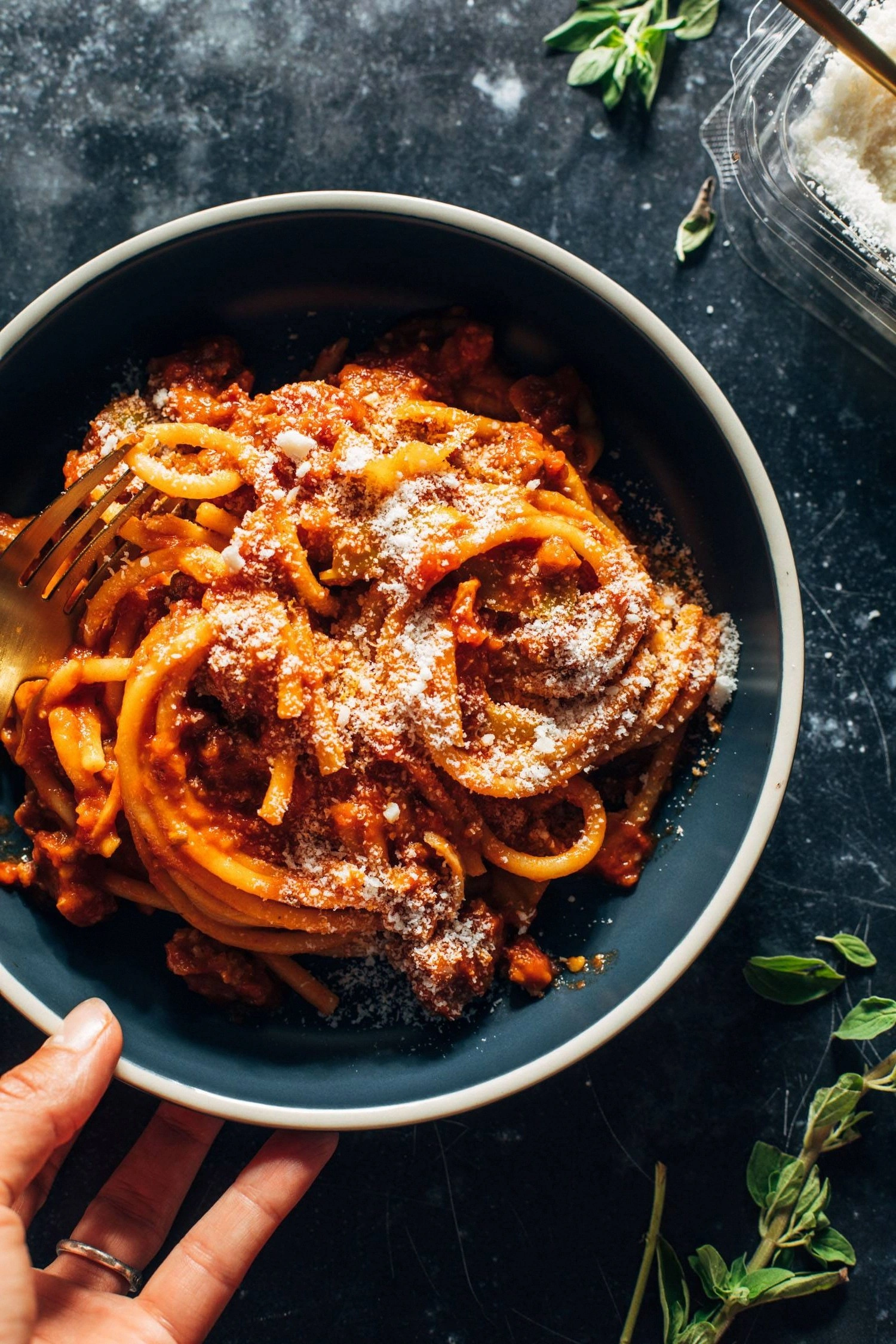
Picture this: the steam rising from a pot of boiling water, the rhythmic swirl of pasta twirling like a dancer, the bright red sauce bubbling with garlic and chili, and the glossy sheen of olive oil that makes the whole thing look like a glossy magazine spread. My ears caught the sizzle of onions caramelizing, my fingertips felt the heat of the pan, and my nose was assaulted by a sweet‑spicy aroma that promised comfort and excitement in the same bite. When I finally twirled the first forkful of bucatini, the sauce clung to the hollow center like velvet, and the aromatic basil burst like fireworks in my mouth.
Most bucatini recipes on the internet either skimp on flavor or demand a pantry full of exotic ingredients you’ll never use again. This version stands out because it balances simplicity with depth, using pantry staples elevated by a few quality touches. The secret? A slow‑infused garlic‑olive oil base, a quick “flash‑cook” of the tomatoes to preserve their bright acidity, and a finishing splash of pasta water that transforms the sauce into a silky emulsion. I’ll admit — I ate half the batch before anyone else could get a spoonful, but that’s only because it’s that good.
Okay, ready for the game‑changer? I’m about to walk you through every single step — from selecting the perfect bucatini to plating it with a flourish that will make you look like you’ve been training at a culinary institute. By the end, you’ll wonder how you ever made this dish any other way, and I dare you to taste this and not go back for seconds.
What Makes This Version Stand Out
- Depth: The sauce develops layers of flavor through a three‑stage cooking process that most shortcuts skip, delivering a taste that feels both rustic and refined.
- Texture: Bucatini’s hollow center captures the sauce, so each bite is a perfect balance of al‑dente chew and silky coating.
- Simplicity: Only eight ingredients are required, all of which you likely have on hand, making it a weeknight hero without the hassle.
- Uniqueness: A splash of pasta water at the end creates an emulsion that most store‑bought sauces can’t replicate.
- Crowd Reaction: Guests often claim this is the best pasta they’ve ever tasted, and they’ll be asking for the recipe before the first fork hits the table.
- Ingredient Quality: Using San Marzano tomatoes and extra‑virgin olive oil elevates the dish from “good” to “memorable.”
- Cooking Method: The “flash‑cook” technique preserves tomato brightness while building a deep, caramelized undertone.
- Make‑Ahead Potential: The sauce actually improves after a short rest, so you can prep it ahead of time and still serve a fresh‑tasting meal.
Inside the Ingredient List
The Flavor Base
Extra‑virgin olive oil (¼ cup) is the golden highway that carries garlic’s aromatics into every bite. Use a robust, cold‑pressed oil; it adds fruitiness that cheap oils simply lack. If you substitute a light olive oil, the sauce will miss that buttery depth. Swap tip: For a nutty twist, replace half the oil with toasted walnut oil.
Garlic (4 cloves, thinly sliced) provides the pungent backbone. Slicing, not mincing, allows the garlic to mellow slowly, releasing a sweet, caramelized flavor without turning bitter. Skipping garlic? You’ll end up with a flat sauce that feels like watered‑down tomato juice.
The Texture Crew
Bucatini (12 oz, about 340 g) is the star. Its hollow center acts like a tiny straw, sucking up sauce for an intense flavor burst. If you can’t find bucatini, try thick spaghetti, but you’ll lose that signature “wow” factor. Buying tip: Look for bronze‑cut bucatini; the rough surface holds sauce better than smooth, extruded pasta.
San Marzano tomatoes (28 oz can, whole peeled) bring a sweet acidity that balances the richness of the oil. These tomatoes are grown in the volcanic soil of Naples, giving them a naturally low seed count and a bright, clean flavor. If you use regular plum tomatoes, the sauce may feel overly acidic or lack that subtle sweetness.
The Unexpected Star
Red pepper flakes (½ tsp) add a whisper of heat that awakens the palate without overpowering the delicate tomato notes. A pinch more can turn this into a bold, spicy version, but remember: a little fire goes a long way. Watch out: Over‑flaking can dominate the sauce, making it taste like a pepper spray.
Fresh basil leaves (¼ cup, torn) are introduced at the very end to preserve their bright, herbaceous aroma. If you add basil too early, it wilts and loses its punch, turning the sauce into a dull green mush.
The Final Flourish
Parmigiano‑Reggiano (½ cup, freshly grated) provides a salty, nutty finish that ties the whole dish together. Grate it yourself; pre‑grated cheese contains anti‑caking agents that can make the sauce gritty. Alternative: Pecorino Romano adds a sharper bite if you prefer a more assertive cheese.
Sea salt (to taste) and freshly cracked black pepper (to taste) are the seasoning anchors. They enhance the natural sweetness of the tomatoes and bring out the oil’s fruitiness. Skipping salt? The sauce will taste flat and lifeless.
Everything's prepped? Good. Let's get into the real action…
The Method — Step by Step
-
Step 1: Bring a large pot of heavily salted water to a rolling boil. The water should taste like the sea — this is your first chance to season the pasta from the inside out. Add the bucatini and cook al‑dente, about 9–10 minutes, stirring occasionally to prevent sticking. Watch Out: Over‑cooking the pasta will cause it to become mushy and absorb too much sauce later.
Kitchen Hack: Toss a tablespoon of olive oil into the boiling water to help the bucatini keep its shape and reduce foaming. -
Step 2: While the pasta cooks, heat the olive oil in a large, heavy‑bottomed skillet over medium heat. Add the sliced garlic and let it sizzle until it turns golden‑brown at the edges, about 45 seconds. You’ll hear a subtle crackle that signals the garlic is releasing its sweet aroma. Stir in the red pepper flakes for a quick 15‑second burst, then immediately add the whole San Marzano tomatoes, crushing them gently with a wooden spoon.
Watch Out: If the garlic browns too fast, it will turn bitter. Keep the heat moderate and watch the color closely. -
Step 3: Let the tomato mixture come to a gentle boil, then reduce to a simmer. Cook uncovered for 12–15 minutes, stirring occasionally. You’ll notice the sauce thickening and the edges of the tomatoes pulling away from the pan — that’s the caramelization stage that builds depth. Add a pinch of sea salt halfway through, tasting as you go.
-
Step 4: When the sauce has reduced to a glossy, medium‑thick consistency, stir in the torn basil leaves. The basil should wilt just enough to release its fragrance but retain a bright green color. This is the moment of truth; the kitchen should smell like a sun‑drenched Italian garden.
Kitchen Hack: If you’re short on fresh basil, use a tablespoon of high‑quality dried basil, but add it a minute earlier to let the flavor develop. -
Step 5: Drain the bucatini, reserving at least one cup of the starchy cooking water. Transfer the hot pasta directly into the skillet with the sauce. Toss vigorously, allowing the hollow centers to sip the sauce. As you mix, drizzle in a ladleful of the reserved water; this creates an emulsion that makes the sauce cling to each strand like silk.
-
Step 6: Remove the skillet from heat and immediately fold in the grated Parmigiano‑Reggiano. The residual heat melts the cheese, enriching the sauce with a nutty umami finish. Taste and finish with a grind of fresh black pepper and, if needed, a whisper more salt.
-
Step 7: Let the pasta rest in the pan for two minutes. This short rest allows the flavors to marry and the sauce to thicken just enough to coat the bucatini without pooling. During this time, you’ll hear faint bubbling as the residual heat continues to work its magic.
-
Step 8: Plate the bucatini in shallow bowls, drizzle a final drizzle of extra‑virgin olive oil, and garnish with a few extra basil leaves and a sprinkle of cheese. The visual contrast of the green basil against the ruby sauce should make your guests pause for a moment of admiration before the first bite.
That's it — you did it. But hold on, I've got a few more tricks that'll take this to another level...
Insider Tricks for Flawless Results
The Temperature Rule Nobody Follows
Keep the sauce on a medium‑low flame once the tomatoes are added. A high heat will scorch the bottom, creating a bitter note that’s impossible to mask. I once tried a “fast‑cook” method and ended up with a burnt taste that lingered for days. The secret is patience: low and slow lets the natural sugars caramelize without burning.
Why Your Nose Knows Best
Your sense of smell is a more reliable indicator of doneness than a timer. When the sauce starts to emit a sweet, slightly smoky aroma, you’re at the perfect reduction point. If the scent is still raw or overly acidic, give it a few more minutes. Trusting your nose saved me from countless under‑cooked sauces.
The 5‑Minute Rest That Changes Everything
After tossing the pasta with the sauce, let it sit off the heat for exactly five minutes. This rest period allows the starches to absorb the sauce, creating that coveted “creamy but not creamy” texture. One friend tried skipping this step and complained the bucatini felt “wet” — the rest is non‑negotiable.
Salt Timing – The Silent Hero
Add a pinch of salt to the sauce early, then finish with a larger pinch right before serving. Early salt draws out moisture from the tomatoes, helping the sauce thicken, while the finishing salt amplifies the flavor right at the point of consumption.
Pasta Water – The Unsung Savior
Never underestimate the power of the starchy water you reserve. It acts like a natural thickener and helps emulsify the oil and tomato base. If the sauce looks too thick, add a splash; if it’s too thin, add a little more water and keep tossing. The sauce will always find its perfect consistency.
Creative Twists and Variations
This recipe is a playground. Here are some of my favorite ways to switch things up:
Spicy Sausage Bucatini
Brown sliced Italian sausage in the skillet before adding garlic. The rendered fat adds richness, and the sausage’s herbs mingle beautifully with the basil. Perfect for anyone who loves a heartier bite.
Lemon‑Garlic Twist
Add the zest of one lemon and a splash of juice right after the sauce reduces. The citrus brightens the dish, making it a superb summer dinner that feels light yet satisfying.
Mushroom Medley
Sauté a mix of cremini, shiitake, and oyster mushrooms with the garlic. The earthy umami complements the tomato base, and the mushrooms soak up the sauce, providing a meaty texture for vegetarians.
Roasted Red Pepper Cream
Blend roasted red peppers with a splash of heavy cream and stir into the sauce at the end. This adds a velvety smoothness and a sweet, smoky undertone that pairs wonderfully with the bucatini’s hollow center.
Pesto‑Infused Finish
Stir in a tablespoon of basil pesto just before plating. The pesto adds a fresh, nutty layer that makes the dish feel luxurious without extra effort.
Storing and Bringing It Back to Life
Fridge Storage
Cool the leftover bucatini to room temperature, then transfer to an airtight container. It will keep for up to three days. When reheating, add a splash of water and gently re‑simmer on low heat, stirring frequently to restore the sauce’s silkiness.
Freezer Friendly
Portion the pasta and sauce into freezer‑safe bags, removing as much air as possible. Freeze for up to two months. To reheat, thaw overnight in the fridge, then warm in a skillet with a tablespoon of olive oil and a splash of water, allowing the sauce to re‑emulsify.
Best Reheating Method
The stovetop method reigns supreme. Place the pasta and sauce in a wide pan, add a tablespoon of water per cup of pasta, and cover for two minutes. The steam revitalizes the texture, and the sauce clings again like fresh‑made. Microwaving works in a pinch but can make the sauce rubbery.