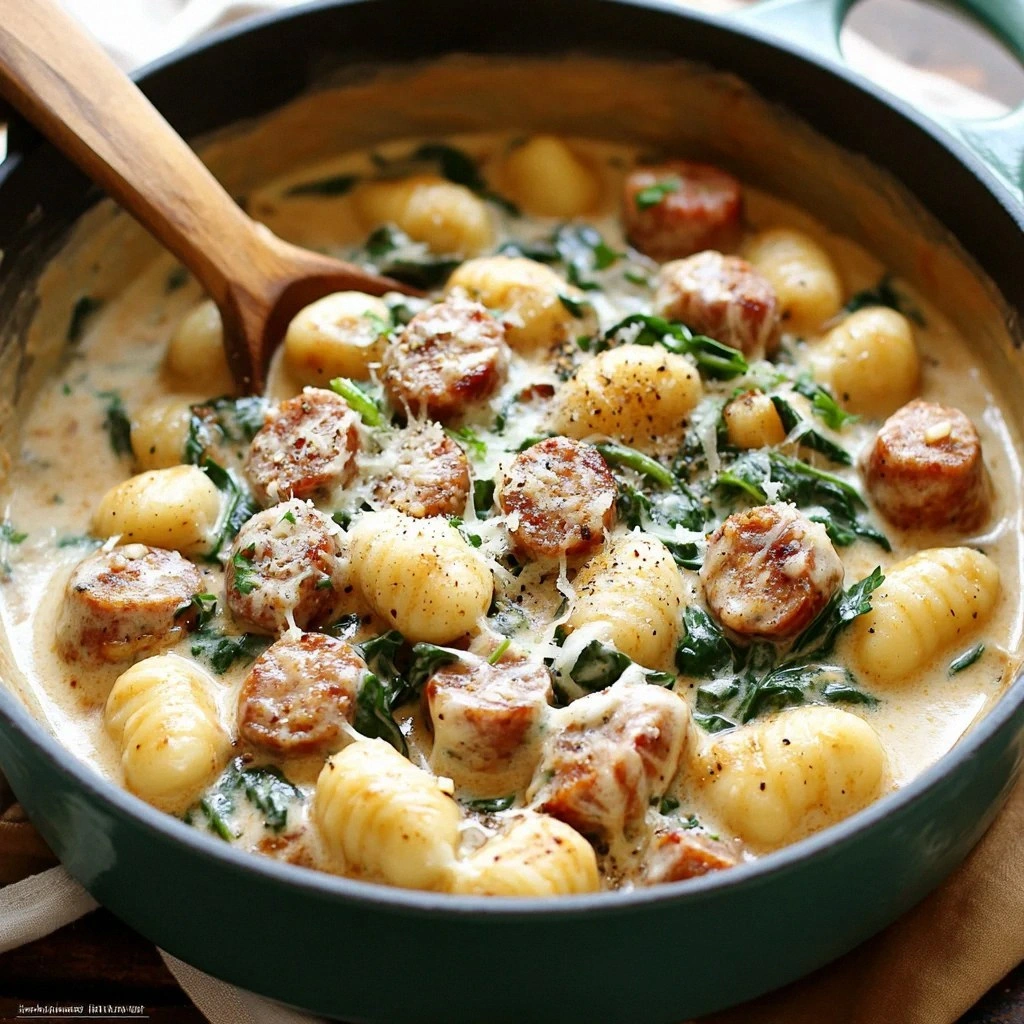
I still remember the night I ruined three pots of pasta trying to impress a first date with my "famous" gnocchi. The sauce split, the gnocchi disintegrated into potato-flavored clouds, and my smoke alarm serenaded us with its shrill anthem of failure. Fast forward through a lot of experimentation, a few more smoke-alarm solos, and one glorious epiphany at 2 a.m. with a leftover sausage link and half a carton of cream, and here we are: the silkiest, most comforting one-pot meal that has ever graced my stovetop. This is not the sad, gluey gnocchi you have endured at mediocre bistros. This is velvet-coated pillows cradling spicy sausage in a sauce so luxurious you will swear it took three pans and a culinary degree. Spoiler: it takes one pot and twenty-five minutes, and if you can stir, you can master it.
Picture this: a frosty Tuesday, the kind that makes your windows fog like they are auditioning for a horror film. You walk in, kick off shoes that have lost all loyalty to warmth, and within twenty-five minutes your kitchen smells like a trattoria tucked into a Roman alleyway. Garlic sizzles, cream burbles, and sausage fat renders into liquid gold that will haunt your dreams in the best way. The first bite is a warm blanket wrapped around your tongue—pillowy gnocchi, smoky meat, and a sauce that coats every ridge like it is apologizing for every lackluster cream sauce you have ever met. I dare you to taste this and not go back for seconds; I certainly failed that challenge, standing over the pot in my pajamas at midnight, swearing I was just "tasting for seasoning."
Most recipes get this completely wrong. They boil gnocchi separately (goodbye flavor), they add cream too early (hello grainy disaster), or they dump in raw spinach at the start (muddy color, squeaky texture). Here is what actually works: we render the sausage first, letting its spiced fat become the foundation of the sauce. We bloom garlic and red-pepper flakes in that same fat, creating a chili-oil effect that sneaks gentle heat into every bite. We add gnocchi straight into the cream so the starch released thickens the sauce naturally—no flour, no cornstarch, no last-minute panic. The spinach wilts at the very end, staying bright and perky, and the Parmesan melts into glossy strands that string like perfect mozzarella on a pizza commercial. If you have ever struggled with gluey, broken, or bland one-pot pastas, you are not alone—and I have got the fix.
Let me walk you through every single step—by the end, you will wonder how you ever made it any other way.
What Makes This Version Stand Out
- Velvet Science: Instead of a flour-thickened base, we rely on the natural starch from gnocchi and a careful heat sequence that keeps cream emulsified. The result is a sauce that coats the pasta like liquid satin without any pasty undertones.
- Sausage First, Last, Always: Browning the sausage until the edges caramelize creates fond (those sticky brown bits) that deglaze into the sauce, giving depth you cannot fake with broth alone.
- One Pot, Zero Drains: Traditional recipes cook gnocchi separately; we let them simmer directly in the cream, absorbing flavor and releasing starch that naturally thickens the sauce. Fewer dishes, more taste.
- Heat With Control: Optional red-pepper flakes bloom in oil, allowing you to calibrate the spice level precisely. Like it mild? Skip them. Want sinus-clearing joy? Double them. The heat hits at the back of the throat, never overwhelming the cream.
- Spinach Timing Magic: Tossing spinach in the final minute keeps the color jewel-bright and the texture silky. Overcooked spinach is a soggy apology; this version tastes like spring decided to join the party.
- Leftover Comeback: The sauce tightens in the fridge, transforming into a luscious next-day pasta that fries up beautifully in a skillet with a splash of water. Meal prep dreams do come true.
Alright, let us break down exactly what goes into this masterpiece, starting with the cast of characters that make every bite sing.
Inside the Ingredient List
The Flavor Base
Italian sausage is not just meat—it is a pre-seasoned flavor bomb. When the casing splits and the fat seeps out, it carries fennel, paprika, and garlic that perfume the oil. Choose spicy if you want a gentle tingle on your lips, or mild if you prefer a cozy hug. Do not even think about removing the fat; that liquid gold is the backbone of the sauce. If you must substitute, use ground pork plus one teaspoon each of salt, fennel seeds, and smoked paprika, but honestly, the grocery store sausage knows what it is doing.
The Texture Crew
Gnocchi are delicate little dumplings that walk the line between pasta and cloud. Store-bought shelf-stable gnocchi are perfectly acceptable—look for ones with "potato flakes" low on the ingredient list for better texture. If you are feeling ambitious, homemade ricotta gnocchi will make you weep happy tears, but that is a weekend project. The key is to avoid over-stirring once they hit the pot; treat them like introverts at a party—let them warm up gradually and they will reward you with pillowy tenderness.
The Unexpected Star
Heavy cream has a bad reputation for being heavy, but here it is the silk that carries flavor. Do not swap in half-and-half unless you enjoy watery disappointment. The fat content keeps the sauce stable, preventing that dreaded curdle when it hits the hot sausage. If dairy is a no-go, full-fat coconut milk works surprisingly well, lending a faint tropical note that plays nicely with the spice.
The Final Flourish
Fresh spinach wilts in seconds, adding color and a vegetal sweetness that cuts through richness. Baby spinach is tender, but mature leaves work if you remove the woody stems. No spinach? Arugula gives a peppery bite, kale delivers chew, and frozen peas burst with pop-candy joy. Parmesan must be freshly grated; the pre-shredded stuff contains cellulose that grits up the sauce. And please, do not buy the green can unless you enjoy eating sawdust.
Everything is prepped? Good. Let us get into the real action.
The Method — Step by Step
- Place a heavy-bottomed pot or deep sauté pan over medium heat. Add olive oil and let it shimmer—when it moves like water and smells faintly nutty, you are there. Crumble in the sausage, breaking it into bite-size nuggets with a wooden spoon. Resist the urge to stir constantly; let it sit for two full minutes so the edges caramelize into mahogany bits. Your kitchen will start smelling like a Roman street market, and that is your cue to continue.
- Scatter in the chopped onion and cook until it turns translucent and sweet, about four minutes. The moisture from the onion will loosen the fond stuck to the pan—use the spoon to scrape every speck. Add garlic, Italian seasoning, and red-pepper flakes if using. Stir for just thirty seconds; garlic burns faster than gossip spreads, and bitter garlic will sabotage the entire dish.
- Pour in chicken broth and bring to a lively simmer. Use the bubbling liquid to deglaze any remaining brown treasure on the bottom. This is the flavor backbone, so do not rush it. Let the broth reduce by half; you are concentrating savory depth and preparing the stage for cream.
- Lower heat to medium-low and pour in heavy cream. Stir gently to marry the cream with the broth—it will look like café au lait. Once tiny bubbles appear at the edges, slide in the gnocchi. Stir once, just enough to coat, then cover the pot. Set a timer for five minutes and walk away. Seriously, walk away. Lifting the lid releases steam and drops the temperature, extending cook time and risking mushy gnocchi.
- Remove lid and behold: the sauce has thickened, and the gnocchi have puffed slightly. They should feel tender when poked with a fork but still hold their shape. If you see any floating broken bits, your heat was too high—next time keep it lower. Stir in spinach a handful at a time; it wilts almost instantly and paints the sauce festive green. Simmer uncovered for one minute more.
- Kill the heat. Sprinkle Parmesan over the surface and let it sit for one undisturbed minute so the residual warmth melts the cheese into silken threads. Stir gently—the sauce will tighten and cling like a loving grandmother. Taste for salt and pepper; sausage and Parmesan are salty, so you may need none. Serve immediately, showered with parsley for color and a final whisper of freshness.
That is it—you did it. But hold on, I have got a few more tricks that will take this to another level.
Insider Tricks for Flawless Results
The Temperature Rule Nobody Follows
Medium-low is your best friend. High heat causes cream proteins to seize, creating a grainy texture reminiscent of cottage cheese. Picture yourself in a warm bath versus a scalding shower—gentle heat keeps everything relaxed. If you see rapid bubbling, yank the pot off the burner for ten seconds, then return to a lower setting. Your sauce will stay smooth enough to make a French chef nod approvingly.
Why Your Nose Knows Best
Garlic tells you when it is ready; it goes from raw and sharp to fragrant and nutty in under a minute. Stand over the pot and inhale—when the raw bite disappears and you think "I could bathe in this scent," it is time to add broth. Miss that window and garlic turns acrid, dominating every other flavor like a karaoke singer who does not know when to stop.
The Five-Minute Rest That Changes Everything
After stirring in Parmesan, cover the pot and let it rest off heat for five minutes. During this spa moment, starch molecules swell, flavors meld, and the sauce achieves its final luxurious texture. A friend tried skipping this step once—let us just say it ended up soup adjacent. Patience is a virtue, especially when dinner is at stake.
Cheese Grater Confession
I'll be honest—I ate half the batch before anyone else got to try it, and the culprit was freshly grated Parmesan. Pre-grated versions contain anti-caking agents that dull flavor and create a gritty mouthfeel. Buy a wedge and grate it yourself; your taste buds will write thank-you notes. Bonus: the rind can simmer in the broth for extra umami, a trick I learned from a nonna who swore by waste-not cooking.
Creative Twists and Variations
This recipe is a playground. Here are some of my favorite ways to switch things up:
Sun-Dried Tomato & Basil Boost
Stir in two tablespoons of chopped oil-packed sun-dried tomatoes with the spinach and swap parsley for fresh basil. The tomatoes give sweet-tart pops that contrast the cream, while basil perfumes each forkful like summer in Italy. If you have ever struggled to finish a jar of sun-dried tomatoes before they mold, this is their redemption arc.
Smoky Bacon & Kale Remix
Replace sausage with four strips of chopped bacon; cook until crispy, then proceed as directed. Swap spinach for ribbons of lacinato kale that simmer three minutes longer. The bacon fat brings campfire smokiness, and kale stands up to reheating without wilting into sadness. Future pacing: picture yourself pulling this out of the fridge, frying an egg on top, and calling it breakfast royalty.
Seafood Luxe Edition
Use mild Italian sausage, omit red-pepper flakes, and fold in eight ounces of peeled shrimp during the final three minutes. They turn coral-pink and infuse the sauce with ocean sweetness. A squeeze of lemon at the end brightens everything like culinary high-definition. Warning: this version causes involuntary table pounding and happy dances.
Mushroom Earthiness
Add eight ounces of sliced cremini mushrooms after browning the sausage. Let them absorb the spiced fat and release their earthy juices. The mushrooms mimic meaty texture, so you can halve the sausage for a lighter take without feeling deprived. Even mushroom skeptics have been known to convert after this umami bomb.
Butternut Squash Autumnal
Roast one cup of diced butternut squash at four hundred degrees for twenty minutes, then fold into the finished dish along with the spinach. The squash dissolves partially into the sauce, adding natural sweetness and a sunset hue. If you have ever wondered what fall would taste like if it took a warm bath in cream, this is your answer.
Storing and Bringing It Back to Life
Fridge Storage
Transfer leftovers to an airtight glass container and refrigerate up to three days. Glass prevents the sauce from absorbing funky fridge odors—believe me, cream is a gossip and will tell you everything it mingled with. Press plastic wrap directly onto the surface to block air, preventing that weird skin that looks like it belongs in a sci-fi film. When ready to reheat, add a tablespoon of water or broth per serving to loosen the sauce as it warms.
Freezer Friendly
This dish freezes beautifully for up to two months. Portion into freezer bags, squeeze out excess air, and lay flat to freeze—stack like delicious currency. Thaw overnight in the fridge, then reheat gently with a splash of water. The gnocchi will be softer, more dumpling-like, but the flavor remains swoon-worthy. Label the bag unless you enjoy surprise pasta archeology months later.
Best Reheating Method
Low and slow is the mantra. Place leftovers in a skillet with a splash of water, cover, and warm over medium-low heat, stirring occasionally. Microwaves murder texture; the skillet revives the cream sauce to its former glory. Add a fresh sprinkle of Parmesan and a crack of black pepper right before serving—it tastes almost as good as day one, which is saying something because day one was spectacular.