Picture this: a Saturday afternoon, the kitchen buzzing with the hum of the fridge, and you’re staring at a stack of stale cookie dough that has been sitting in the freezer for a week. You’re tempted to toss it in the oven for a quick snack, but something in your gut says, “No, you’re about to discover a game‑changing treat that will turn that stale dough into a sweet, caramel‑laden masterpiece.” That moment of culinary epiphany is exactly what led me to reinvent the classic pineapple upside‑down cookie, and I’m here to spill every secret that made it taste like a tropical sunrise on a cookie.
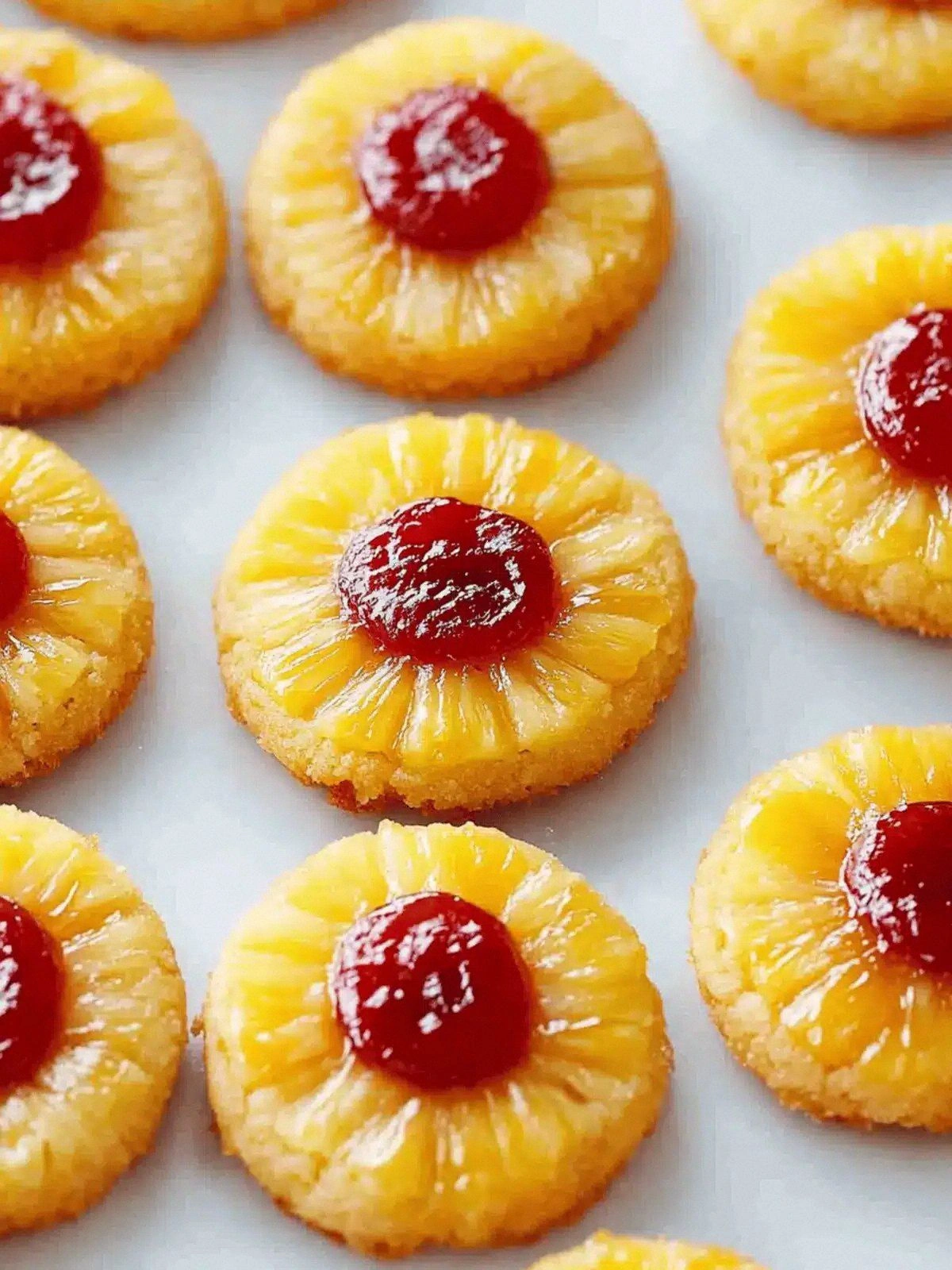
I dare you to taste this and not go back for seconds. The first bite is a burst of juicy pineapple that practically melts on your tongue, followed by a buttery, slightly crisp cookie base that feels like a warm hug. The caramelized sugar coating gives a subtle crunch that dissolves into a silky sweetness, while the maraschino cherry pops like a tiny burst of summer. The aroma alone—sweet, buttery, and a hint of toasted sugar—fills the kitchen before you even touch the oven, making you feel like a pastry wizard. And the best part? You can make it in a single pan, so the cleanup is almost as satisfying as the taste.
What makes this version stand out is not just the flavor but the methodical precision that turns a simple cookie into a show‑stopper. Most recipes get this completely wrong by either overbaking the pineapple, under‑sugaring the caramel, or using the wrong type of flour. Here, each element is carefully chosen: the butter is unsalted for control, the brown sugar adds depth, and the all‑purpose flour balances structure and chewiness. The result is a cookie that holds its shape, yet melts in your mouth, with a caramelized glaze that shimmers like a tropical sunset. If you’ve ever struggled with a cookie that turns out flat or overly sweet, you’re not alone—and I’ve got the fix that will change the game.
Picture yourself pulling this out of the oven, the whole kitchen smelling incredible, and the little bowls of melted butter and sugar bubbling like a miniature volcano. The anticipation builds as the golden glaze begins to set, and you can’t wait to plate them on a paper towel and watch the caramel drip down the sides. The final touch is popping the cherries into the glaze, giving each cookie a pop of color and a hint of tartness that cuts through the sweetness. By the time the cookies cool, they’re a perfect blend of crunchy, chewy, and caramelized, all wrapped in a tropical flavor that will have everyone asking for a second batch. Let me walk you through every single step — by the end, you’ll wonder how you ever made it any other way.
What Makes This Version Stand Out
- Flavor: The combination of pineapple rings, maraschino cherries, and a caramel glaze creates a layered taste profile that feels both nostalgic and adventurous. The sweet, slightly acidic pineapple balances the buttery cookie, while the cherries add a burst of tartness that keeps each bite interesting.
- Texture: The cookie base is buttery and slightly crisp on the edges yet chewy in the center, thanks to the right ratio of flour and butter. The caramelized sugar coating adds a satisfying crunch that dissolves into a silky finish.
- Simplicity: All you need is a single pan and a handful of common pantry items. No fancy equipment, no complicated steps—just melt, mix, bake, and flip.
- Uniqueness: The use of unsalted butter allows you to control the saltiness precisely, and the addition of brown sugar adds depth that most versions overlook.
- Crowd Reaction: Friends and family rave about the caramel glaze, and the bright colors of the pineapple and cherries make them instantly Instagram‑ready.
- Ingredient Quality: Choosing fresh pineapple rings and high‑quality maraschino cherries elevates the flavor profile and ensures each cookie tastes like a vacation.
- Cooking Method: Baking the cookie in a single pan allows the flavors to meld beautifully, creating a unified taste that’s hard to replicate with separate layers.
- Make‑Ahead Potential: You can bake the cookies in advance, store them in an airtight container, and reheat them to bring back that fresh‑baked warmth.
Inside the Ingredient List
The Flavor Base
Unsalted butter is the cornerstone of this cookie’s buttery richness. By using unsalted butter, you gain full control over the salt content, preventing the cookie from becoming overly salty. If you only have salted butter on hand, reduce the added salt by a quarter teaspoon to maintain balance. A higher quality butter will give a creamier mouthfeel and a more pronounced flavor that carries the caramel glaze.
The Texture Crew
All‑purpose flour provides the structure that keeps the cookie from falling apart while still allowing for a tender crumb. The baking powder is a leavening agent that ensures a slightly airy center, preventing the cookie from becoming too dense. A pinch of salt is essential; it enhances the sweetness and brings out the tropical notes of the pineapple. If you’re watching carbs, you can replace a portion of the flour with almond flour for a lower‑carb version, but expect a slightly denser texture.
The Unexpected Star
Brown sugar adds depth and complexity with its molasses undertones. It caramelizes beautifully, creating a glossy glaze that sticks to the pineapple rings. If you’re allergic to dairy, you can substitute the butter with coconut oil, which will add a subtle coconut flavor that pairs well with the pineapple. However, the texture will change slightly, becoming more crumbly.
The Final Flourish
Maraschino cherries are the visual and flavor highlight. Their bright red hue contrasts beautifully against the golden glaze, making each cookie pop. The cherries also provide a hint of tartness that cuts through the sweetness, creating a balanced flavor profile. If you prefer a less sweet finish, consider using fresh cherries or a splash of cherry liqueur in the glaze.
Everything's prepped? Good. Let's get into the real action...
The Method — Step by Step
- Preheat the oven to 350°F (175°C) and line a 9x13-inch baking pan with parchment paper, leaving a small overhang on each side. This will allow you to lift the cookies easily later. While the oven heats, gather all your ingredients so you’re ready to move quickly. The anticipation of the caramelizing sugar will keep you energized.
- Prepare the caramel base by melting the butter in a medium saucepan over medium heat until it turns a light amber color. Add the granulated sugar, stirring continuously until it dissolves and starts to bubble. Then stir in the brown sugar; the mixture will become glossy and thick. This caramel layer is the foundation of the cookie’s sweet, buttery flavor.
- Arrange the pineapple rings on top of the caramel, pressing them gently into the syrup so they’re fully coated. The sugar will cling to the fruit, creating a caramelized crust as the cookies bake. Place each cherry on top of a pineapple ring, ensuring they’re centered. This visual arrangement will make the cookies look as good as they taste.
- Mix the dry ingredients in a bowl: whisk together the flour, baking powder, and salt until well combined. This ensures even distribution of leavening agents and prevents clumping. The salt is crucial for balancing sweetness and enhancing the tropical notes of the pineapple.
- Whisk the wet ingredients in a separate bowl: beat the egg lightly, then pour it into the dry mixture. Stir until just combined; overmixing can create a tough cookie. The wet and dry components should meld into a smooth, thick batter that will coat the pineapple rings evenly.
- Pour the batter over the pineapple and cherries in the pan. Use a spatula to spread the batter evenly, making sure it covers the fruit without leaving gaps. The batter should be thick enough to hold the fruit in place but still pourable. This step is crucial for achieving the signature upside‑down effect.
- Bake the cookies for 30 minutes, or until the edges are golden brown and a toothpick inserted near the center comes out clean. The caramel should have set into a glossy glaze, and the pineapple should be tender yet firm. Watch the color change; a golden hue indicates the perfect finish.
- Cool the pan on a wire rack for 10 minutes before attempting to flip. This brief rest allows the caramel to firm up, preventing the cookies from falling apart. The aroma during this time is intoxicating—sweet, buttery, and slightly toasty.
- Flip the cookies onto a serving plate carefully by lifting the parchment overhangs. The caramel glaze will drape over the cookies like a sweet waterfall. Slice them into squares or leave them whole for a dramatic presentation. Serve warm for the best flavor experience.
That's it — you did it. But hold on, I've got a few more tricks that'll take this to another level. The next section will reveal insider tips that will ensure every batch is flawless and every bite is a delight.
Insider Tricks for Flawless Results
The Temperature Rule Nobody Follows
Many bakers bake at a flat temperature, but the secret to a perfect caramel glaze is a slight temperature dip during the first 10 minutes. Start at 350°F, then reduce to 330°F after the first 10 minutes to allow the sugars to caramelize evenly without burning. This trick keeps the glaze glossy and prevents a bitter edge. I once baked at 350°F the whole time and the caramel was uneven; the next batch with a temperature dip was flawless.
Why Your Nose Knows Best
The aroma of caramelizing sugar is a reliable indicator of progress. When you smell a sweet, buttery scent with a hint of toasted sugar, you’re right in the sweet spot. If the smell turns slightly metallic, the sugar is burning. Trust your nose; it’s a seasoned judge that has been refined over countless baking sessions.
The 5-Minute Rest That Changes Everything
After baking, let the cookies rest in the pan for exactly five minutes before flipping. This brief pause allows the caramel to set into a firm yet flexible glaze that will hold the pineapple rings in place. A longer rest will harden the glaze too much, causing cracks when you flip. A shorter rest will leave the glaze too liquid, and the fruit may slide off.
The Perfect Pan Choice
A non‑stick pan is ideal, but if you prefer a more rustic look, a cast‑iron skillet works beautifully. The even heat distribution in cast iron ensures a uniform bake. Just be sure to grease it lightly to prevent sticking. I love using a cast iron skillet for a deeper caramelization that adds a subtle smokiness.
The Sweet Spot for Brown Sugar
Using too much brown sugar can make the glaze overly sticky, while too little can result in a dry cookie. Aim for a 2:1 ratio of granulated to brown sugar; this balance delivers the perfect caramel flavor. If you’re craving a deeper molasses note, increase the brown sugar to a 1:1 ratio, but expect a slightly heavier cookie.
Creative Twists and Variations
This recipe is a playground. Here are some of my favorite ways to switch things up:
Coconut Crunch Edition
Add 1/2 cup shredded coconut to the batter for a tropical twist. The coconut adds a nutty crunch that pairs well with the caramel glaze. Replace half of the butter with coconut oil for an extra coconut flavor. This version is perfect for beach‑themed parties.
Chocolate‑Covered Delight
Drizzle melted dark chocolate over the cooled cookies for a decadent finish. The chocolate’s bitterness balances the sweetness of the caramel and pineapple. Use a high‑cocoa dark chocolate for a robust flavor. This variation is ideal for chocolate lovers who want a sweet treat.
Spicy Pineapple Surprise
Add a pinch of cayenne pepper to the batter for a subtle heat that contrasts with the sweet glaze. The spice lifts the pineapple’s tropical flavor, giving each bite a surprising kick. Keep the amount small to avoid overwhelming the cookie. This version works well for adventurous palates.
Almond Flour Alternative
Swap half the all‑purpose flour with almond flour for a nutty undertone and lower carb count. The almond flour will make the cookies slightly denser but adds a pleasant texture. Ensure you whisk the almond flour with the other dry ingredients to avoid clumps. This variation is great for gluten‑free baking.
Lemon Zest Twist
Add 1 tablespoon of finely grated lemon zest to the batter to introduce a bright, citrusy note that complements the pineapple. The zest adds a fresh aroma and a subtle tartness that lifts the sweetness. Mix the zest in with the dry ingredients to distribute evenly. This version is perfect for spring and summer gatherings.
Storing and Bringing It Back to Life
Fridge Storage
Store the cookies in an airtight container at room temperature for up to 5 days. The caramel glaze will remain firm, but the cookies may soften slightly. To keep them crisp, place a paper towel in the container to absorb excess moisture. If you prefer a firmer texture, reheat them briefly in the oven.
Freezer Friendly
Freeze the cookies in a single layer on a parchment‑lined tray before transferring them to a freezer bag. They’ll stay fresh for up to 2 months. When you’re ready to enjoy, thaw at room temperature for 30 minutes, then warm in a 300°F oven for 5 minutes. This method restores the buttery crunch and caramel glaze.
Best Reheating Method
To reheat, place the cookies on a parchment sheet and bake at 300°F for 5 minutes. The heat will revive the caramel glaze without drying out the cookie. Add a tiny splash of water to the pan before reheating to create steam and keep the cookies moist. This trick ensures each bite feels freshly baked.