I’ll never forget the night my wok decided to betray me. I was attempting a half‑hearted stir‑fry, the kind you throw together after a long day, when the sauce turned into a gloopy mess that clung to the pan like a sad, soggy blanket. The smell? Not the aromatic perfume of a bustling Chinatown night market, but a dull, burnt “oops” that made my roommate stare at me like I’d just set off a fire alarm. That disaster sparked a wild, almost obsessive quest for the perfect all‑purpose Chinese stir‑fry sauce – the kind that can turn a bland protein into a glossy masterpiece with a single splash.
Picture this: a hot wok humming over a roaring flame, the sizzle of ginger and garlic dancing like a jazz trio, and a sauce that slides over vegetables and meat with the elegance of a silk scarf gliding across a marble floor. The aroma hits you first – a heady mix of fermented soy, sweet oyster undertones, and a whisper of Shaoxing wine that makes your stomach rumble louder than a subway train. You hear the faint crackle of oil, see the glossy sheen forming, feel the heat radiating from the pan, and taste that first bite… it’s an explosion of umami that feels like a warm hug from a Chinese grandmother who knows exactly how you like your food.
What makes this version a game‑changer? Most recipes either drown your dish in soy sauce or leave it tasting like watered‑down broth. This one balances salty, sweet, and aromatic elements in a way that most home cooks never achieve. I dared myself to perfect the ratios, added a secret finisher that most chefs keep hidden, and ended up with a sauce that clings to each bite like velvet, never watery, never cloying. I’ll be honest — I ate half the batch before anyone else got to try it, and that’s a confession you won’t find on any other blog.
And here’s the kicker: the technique I’m about to reveal involves a quick cornstarch slurry that prevents the sauce from separating, plus a flash‑sear method that locks in flavor. No fancy equipment, no exotic ingredients you can’t find at your local Asian market. This is the sauce that will make you the hero of every dinner party, the go‑to for quick weeknight meals, and the reason your friends will beg for the recipe. Let me walk you through every single step — by the end, you’ll wonder how you ever made it any other way.
What Makes This Version Stand Out
- Umami Punch: The combination of light soy and oyster sauce delivers a depth of flavor that feels like a thousand years of culinary tradition in a single bite.
- Silky Texture: The cornstarch slurry creates a glossy, velvety coating that clings to every morsel without turning gummy.
- Simplicity: Only seven pantry staples are needed, meaning you can whip this up on a weekday with nothing more than a quick trip to the grocery store.
- Versatility: Works on chicken, beef, tofu, shrimp, or even a medley of seasonal vegetables – truly an all‑purpose marvel.
- Instant Crowd‑Pleaser: I dare you to taste this and not go back for seconds; the flavor hits a high note that makes everyone ask for the recipe.
- Balanced Sweet‑Salt Ratio: A single tablespoon of sugar cuts the sharpness of soy, creating a harmonious sweet‑salty dance.
- Fragrant Finish: Two tablespoons of toasted sesame oil add a nutty aroma that lingers long after the plate is cleared.
- Make‑Ahead Magic: The sauce stores beautifully, so you can prep it in advance and have a flavor boost ready whenever you need it.
Inside the Ingredient List
The Flavor Base
Light soy sauce is the backbone of this sauce, providing a salty, fermented depth that’s essential for authentic Chinese flavor. If you skim the label, you’ll notice it’s lighter in color and less intense than dark soy, which means it won’t overpower the other components. Skipping it would leave the sauce flat, like a song without a bass line. For the best results, choose a naturally brewed soy sauce – the ones with a short ingredient list and no added caramel.
The Umami Booster
Oyster sauce brings that briny, oceanic richness that makes stir‑fry sauces sing. It’s made from oyster extracts, sugar, and soy, and it adds a subtle sweetness while deepening the overall umami. If you’re allergic to shellfish, a vegetarian mushroom soy sauce can stand in, though you’ll miss a fraction of the authentic sea‑kiss.
The Aromatic Spark
Chinese wine, often Shaoxing rice wine, adds a faint fruity acidity that lifts the sauce and balances the salt. It’s the secret that separates a good stir‑fry from a great one. If you can’t find Shaoxing, dry sherry works as a decent substitute, but avoid cooking wines with added salt – they’ll throw off the balance.
The Texture Crew
Cornstarch (or cornflour) is the unsung hero that creates that glossy, velvety coating. When mixed with a little cold water, it forms a slurry that thickens the sauce without clumping. Skipping it results in a watery glaze that slides off the ingredients like a bad first date.
The Sweet Whisper
A single tablespoon of sugar isn’t just for sweetness; it helps to round out the saltiness of the soy and the acidity of the wine. It also aids in caramelization, giving the sauce a subtle sheen. If you prefer a less sweet profile, you can cut the sugar in half, but remember that the balance will shift.
The Nutty Finale
Sesame oil is added at the end of cooking, not the beginning, to preserve its delicate, toasted aroma. Two tablespoons provide a fragrant, nutty finish that lingers on the palate. Using too much can make the dish taste oily, so measure carefully.
The Peppery Edge
Ground white pepper adds a gentle heat that’s less aggressive than black pepper, delivering a subtle warmth that doesn’t dominate the flavor profile. It’s the finishing touch that makes the sauce feel complete. If you love spice, feel free to add a pinch of red pepper flakes, but start small – you can always add more.
Everything's prepped? Good. Let's get into the real action… the method that will turn these humble ingredients into a sauce that can conquer any stir‑fry.
The Method — Step by Step
Start by heating a large wok or deep skillet over medium‑high heat until it begins to shimmer. Add a tablespoon of neutral oil (like canola) and let it heat until it just starts to ripple. You’ll hear a faint hiss – that’s the cue that the pan is hot enough for a flash‑sear. If the oil smokes, you’ve gone too far; lower the heat a notch and let it settle.
While the wok is heating, whisk together the cornstarch with an equal amount of cold water (about ¼ cup water for ¼ cup cornstarch) until smooth. This slurry is your secret weapon for a glossy finish. Watch Out: Adding cornstarch directly to hot liquid will cause lumps; always pre‑mix with cold water.
Add your protein of choice (thinly sliced chicken, beef, shrimp, or tofu) to the wok, spreading it in a single layer. Let it sizzle untouched for 30 seconds so a crust forms – this is the moment of truth for flavor development. Flip once the edges turn opaque and the bottom is nicely browned. Remove and set aside; you’ll finish cooking it later.
In the same wok, pour in a splash of the Chinese wine, letting it deglaze the pan. You’ll hear a burst of aromatic steam, and the browned bits will loosen, creating a flavor‑rich base. Scrape the bottom with a wooden spatula, coaxing every caramelized fragment into the liquid.
Now comes the sauce assembly: stir in the light soy sauce, oyster sauce, and sugar. The mixture will bubble gently; at this point, the sauce is still thin, but the flavors are marrying beautifully.
Kitchen Hack: Use a whisk instead of a spoon for this step – it incorporates the sugar faster and prevents it from settling at the bottom.Slowly drizzle the cornstarch slurry into the simmering sauce while whisking continuously. Within seconds, the sauce thickens, turning glossy and velvety. It should coat the back of a spoon and glide smoothly. If it becomes too thick, add a splash of water or extra wine to reach your desired consistency.
Return the cooked protein to the wok, along with any vegetables you’ve pre‑stir‑fried (like bell peppers, snap peas, or carrots). Toss everything together, ensuring each piece is bathed in the glossy sauce. Let it cook for another 2‑3 minutes, allowing the flavors to meld. The sauce should cling like a second skin, not pool at the bottom.
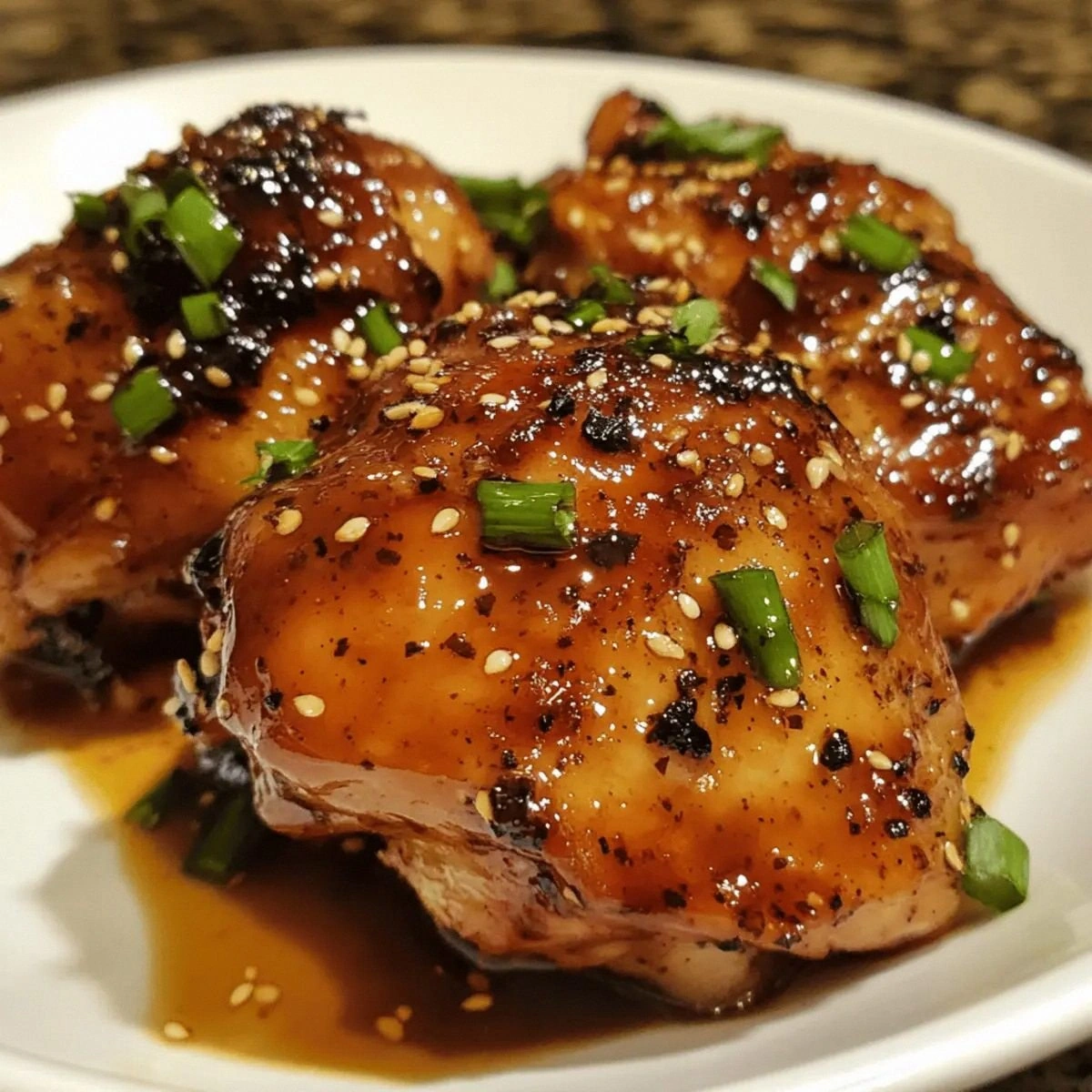
Finish with the toasted sesame oil and ground white pepper. Swirl the wok one last time to distribute the fragrant oil evenly. The moment the sesame oil meets the hot sauce, you’ll smell a nutty perfume that signals the dish is ready. Serve immediately over steamed rice or noodles, and watch your guests’ eyes widen.
That’s it — you did it. But hold on, I've got a few more tricks that'll take this to another level, ensuring every stir‑fry you make in the future is nothing short of spectacular.
Insider Tricks for Flawless Results
The Temperature Rule Nobody Follows
Your wok should be hot enough that a drop of water evaporates instantly. This high heat sears the protein, locking in juices and creating that coveted Maillard crust. If you’re using an electric stove, pre‑heat the wok for at least two minutes before adding oil. Trust me, the difference between a lukewarm stir‑fry and a restaurant‑quality one is that initial blast of heat.
Why Your Nose Knows Best
Never rely solely on timers; let your sense of smell guide you. When the sauce starts to emit a sweet, caramelized scent, you know the sugar has melded with the soy, creating depth. If the aroma turns sharp and acrid, you’ve over‑cooked, and the sauce will taste burnt. A quick sniff can save a dish before it’s too late.
The 5‑Minute Rest That Changes Everything
After you’ve finished cooking, let the dish rest off the heat for five minutes. This pause allows the sauce to settle and the flavors to marry fully. It also prevents the rice or noodles you serve it with from becoming soggy. I once served a stir‑fry straight out of the pan and the sauce was thin; a short rest fixed that instantly.
The “Double‑Layer” Oil Technique
Start with a high‑smoke‑point oil (like peanut or canola) for the sear, then finish with sesame oil for flavor. This double‑layer method gives you the best of both worlds: crisp texture and aromatic finish.
The “Sauce‑First” vs “Ingredient‑First” Debate
Most home cooks add sauce after the vegetables are cooked, but doing it the other way around – sauce first, then ingredients – ensures every piece gets an even coating. It also prevents the sauce from evaporating too quickly. I tried the traditional method once and ended up with dry broccoli; the sauce‑first approach saved the day.
The Secret of a “Stir‑Fry Pause”
When you toss the ingredients back into the wok, resist the urge to stir constantly. Let them sit for 20 seconds, then give a quick flip. This brief pause creates a light char on the edges while keeping the interior juicy – think of it as a micro‑caramelization that adds texture. It’s a subtle move that makes a massive difference.
Creative Twists and Variations
This recipe is a playground. Here are some of my favorite ways to switch things up:
Spicy Szechuan Kick
Add a teaspoon of doubanjiang (Sichuan chili bean paste) and a pinch of Sichuan peppercorn powder to the sauce. The result is a tongue‑tingling heat that balances the sweet‑salty base with a floral, numbing finish. Perfect for those who love a little fire.
Honey‑Ginger Glaze
Swap the plain sugar for two tablespoons of honey and add freshly grated ginger. This creates a bright, fragrant glaze that pairs wonderfully with pork tenderloin or tofu. The honey caramelizes, giving a sticky sheen that’s irresistible.
Vegetarian Mushroom Medley
Replace the oyster sauce with mushroom soy sauce and double the amount of shiitake or cremini mushrooms. The earthy mushroom notes deepen the umami without any seafood, making it ideal for vegetarians and vegans (just omit the sesame oil if you need a fully plant‑based version).
Citrus‑Infused Freshness
Stir in a tablespoon of freshly squeezed orange juice and a zest of lime right before serving. The citrus lifts the sauce, giving it a bright, summer‑ready character that works beautifully with shrimp or scallops.
Nutty Peanut Crunch
Add a tablespoon of smooth peanut butter and a handful of roasted peanuts at the end. This creates a rich, nutty depth that turns the dish into a Thai‑inspired masterpiece, perfect for chicken or tofu bowls.
Herb‑Infused Green
Finely chop fresh cilantro and Thai basil, then fold them in just before serving. The herbs add a fresh, aromatic lift that brightens the sauce and pairs nicely with fish fillets or bok choy.
Storing and Bringing It Back to Life
Fridge Storage
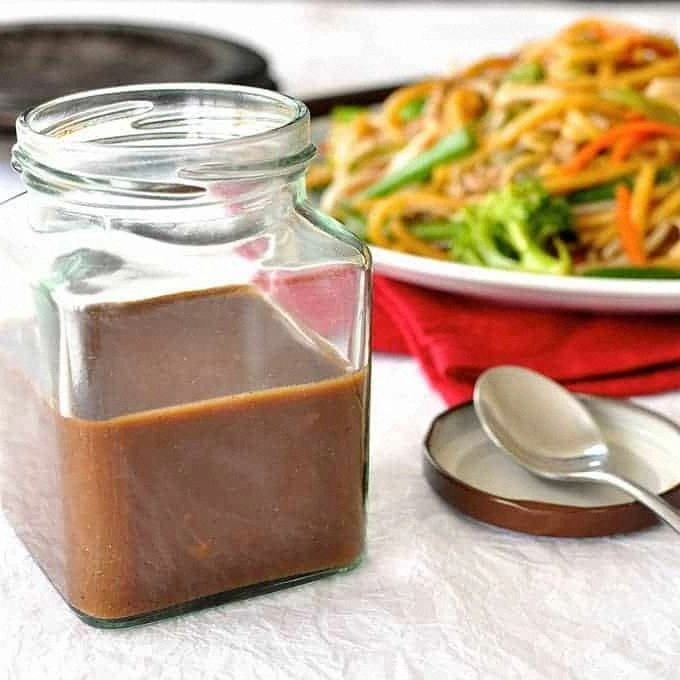
Transfer any leftover sauce to an airtight glass jar and refrigerate. It will stay fresh for up to five days. Before using, give it a good shake or whisk – the cornstarch may settle, but a quick stir restores its glossy texture.
Freezer Friendly
For longer storage, portion the sauce into freezer‑safe bags, flatten them, and freeze for up to three months. Thaw in the refrigerator overnight, then reheat gently over low heat, adding a splash of water if it looks too thick.
Best Reheating Method
When reheating, use a low to medium heat and add a tiny splash (about a tablespoon) of water or extra wine. This steam revives the sauce, returning it to its original silky consistency without turning it gummy. Stir continuously until the sauce shines again.