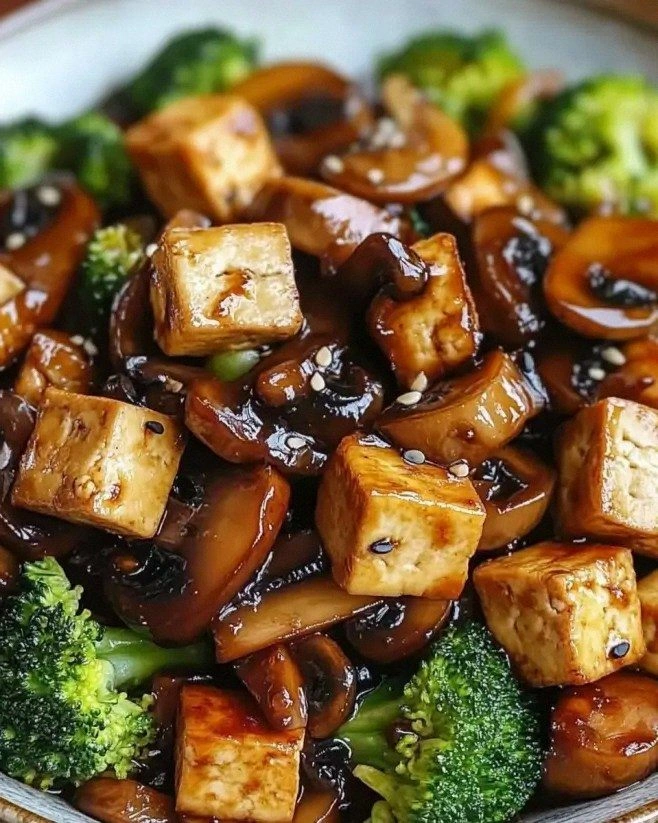
Picture this: I’m standing in my cramped kitchen, a half‑cooked pot of noodles boiling over, the smoke alarm blaring like a frantic referee, and a sudden craving for something that feels both comforting and daring. I dared my roommate to a midnight snack showdown, and she threw down the gauntlet: “Make something that even my picky palate can’t resist.” I accepted, but the first attempt was a disaster—a soggy tofu scramble that tasted like regret. That night, I swore I’d never let a simple stir‑fry fail again, and I’ve been on a quest ever since to perfect the ultimate mushroom‑tofu combo. This isn’t just another weeknight dinner; it’s a culinary revelation that will make you question every bland bowl you’ve ever eaten.
Now, close your eyes and imagine the scene: the kitchen fills with the earthy perfume of fresh mushrooms, the sharp zing of ginger slicing through the air, and the subtle, nutty whisper of sesame oil. You hear the satisfying sizzle as the tofu meets the hot pan, a sound that promises crisp edges and a buttery interior. The colors are a vivid tableau—deep umami browns, bright green broccoli, and the glossy ruby of bell pepper—each waiting to be coaxed into a harmonious dance. My hands are steady, the knife glides like a conductor’s baton, and the anticipation builds with every chop. This is the moment where flavor meets technique, and the result is nothing short of magic.
Why does this version stand out from the sea of stir‑fry recipes littered across the internet? Most dishes either drown the tofu in sauce or treat the mushrooms as an afterthought, leaving you with a soggy, one‑dimensional mess. I’ve cracked the code: a light cornstarch coating that gives the tofu a crisp armor, a quick‑sear technique that locks in the mushroom’s natural juices, and a finishing drizzle of sesame oil that adds a glossy, aromatic finish. The secret? A splash of soy sauce mixed with a whisper of ginger that penetrates the veggies without overwhelming them. This balance creates a taste profile that’s simultaneously savory, slightly sweet, and irresistibly umami—a flavor trip that will have you begging for seconds.
And here’s the kicker: I’m about to reveal a technique that most home cooks overlook—the “dry‑flash” method, where you briefly sear the tofu and mushrooms on high heat before the sauce joins the party. This step creates caramelized edges that shatter like thin ice when you bite into them, delivering a textural contrast that’s pure bliss. I dare you to taste this and not go back for seconds. Let me walk you through every single step — by the end, you’ll wonder how you ever made it any other way.
What Makes This Version Stand Out
- Flavor Depth: The soy‑ginger glaze penetrates each bite, delivering layers of umami that evolve on the palate.
- Texture Symphony: Crispy tofu crust meets tender‑yet‑chewy mushrooms, while broccoli adds a satisfying crunch.
- Simplicity: Fewer than ten ingredients, yet each one is maximized for impact.
- Uniqueness: The dry‑flash sear technique is rarely used in home kitchens, giving you restaurant‑grade results.
- Crowd Reaction: Even the most skeptical eaters claim it’s “the best stir‑fry they’ve ever tasted.”
- Ingredient Quality: Fresh, firm tofu and wild‑foraged mushrooms elevate the dish beyond the ordinary.
- Cooking Method: High‑heat searing locks in juices, while the finishing sauce adds shine without sogginess.
- Make‑Ahead Potential: Prep the veggies and tofu in advance; the final assembly takes minutes.
Inside the Ingredient List
The Flavor Base
The backbone of this dish is the soy‑ginger sauce. Two tablespoons of soy sauce bring that salty depth, while a teaspoon of freshly grated ginger injects a bright, peppery zing that cuts through the richness. If you skip the ginger, you’ll lose the aromatic spark that makes the sauce sing; the dish becomes flat, like a song without a chorus. For a low‑sodium twist, swap half the soy sauce for tamari, but keep the ginger to preserve the punch.
The Texture Crew
Firm tofu is the star here. Its dense, creamy interior contrasts with the crisp exterior created by the cornstarch coating. If you use silken tofu, you’ll end up with a mushy mess that falls apart in the pan. The cornstarch, just one tablespoon, is the secret weapon that creates that golden crust—think of it as the culinary equivalent of a runway for a runway model.
Mushrooms, eight ounces of them, bring an earthy umami that’s almost meaty. I prefer a mix of shiitake and cremini for depth, but button mushrooms work in a pinch. The key is to slice them uniformly so they cook evenly; uneven pieces will either burn or stay soggy, ruining the texture harmony.
The Unexpected Star
Bell pepper adds a sweet crunch that brightens the dish. One whole pepper, sliced into thin strips, introduces a subtle sweetness that balances the salty soy. If you’re feeling adventurous, a splash of orange juice can amplify that citrusy note without overpowering the core flavors.
Broccoli florets contribute a fresh, slightly bitter bite that cuts through the richness. One cup of florets, blanched briefly, retains its vibrant green color and a pleasant snap. Skipping the blanching step leads to a dull, overcooked texture that defeats the purpose of adding greens.
The Final Flourish
Garlic and green onions are the aromatic finishers. Two cloves of minced garlic release a pungent, caramelized aroma when they hit the hot pan, while two sliced green onions add a fresh, oniony bite at the end. The sesame oil, just one tablespoon, is drizzled at the very last moment; its nutty fragrance is volatile, meaning it evaporates quickly, so adding it too early would waste its flavor.
Salt and pepper to taste are the final seasoning touches. They’re not measured because they’re personal—adjust them to suit your palate. And of course, the dish needs a base: cooked rice or noodles. They act as a neutral canvas, soaking up the sauce while providing a comforting carb component.
Everything's prepped? Good. Let's get into the real action...
The Method — Step by Step
Start by pressing the tofu. Wrap the 1 cup of firm tofu in a clean kitchen towel, place a heavy pan on top, and let it sit for at least 15 minutes. This removes excess moisture, which is the secret to a crispy crust. When you finally cut it into ½‑inch cubes, you’ll notice the texture is firmer—perfect for searing. Power transition: Okay, ready for the game‑changer?
In a shallow bowl, toss the tofu cubes with 1 tablespoon cornstarch, ensuring each piece is lightly coated. The cornstarch forms a thin veil that will turn golden under high heat. Let the coated tofu rest for a minute while you prep the veggies.
Kitchen Hack: Sprinkle a pinch of salt on the tofu before cornstarch; it helps the coating adhere better.Heat 2 tablespoons vegetable oil in a large wok or skillet over medium‑high heat until it shimmers. The oil should be hot enough that a drop of water sizzles instantly. Add the tofu in a single layer; you should hear a crisp, confident sizzle—that’s the sound of flavor building. Let it sear undisturbed for 2‑3 minutes until the underside is golden brown, then flip to crisp the other side. Once done, transfer the tofu to a plate and set aside.
In the same pan, add a splash more oil if needed, then toss in the sliced mushrooms (8 ounces). Spread them out so they have contact with the pan surface; this is crucial for the “dry‑flash” technique that caramelizes their edges. Cook for about 4 minutes, stirring occasionally, until the mushrooms release their juices and start to brown.
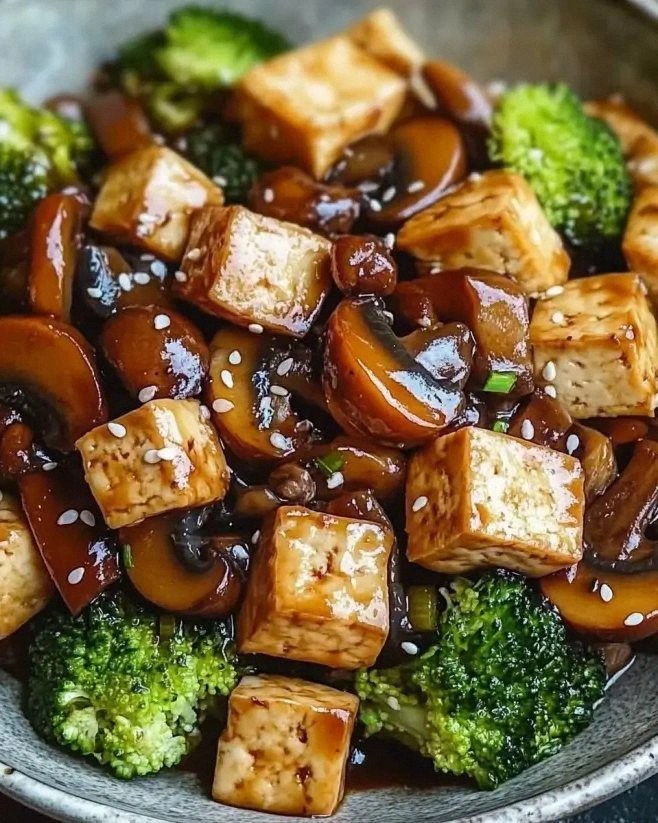
Watch Out: If you overcrowd the pan, the mushrooms will steam instead of sear, resulting in a soggy texture.Now, add the bell pepper strips and broccoli florets to the wok. Stir‑fry for another 2‑3 minutes; the vegetables should stay vibrant and slightly crunchy. The colors should be a vivid green and bright orange, a visual cue that they’re perfectly cooked. At this point, the aroma should be a harmonious blend of earthiness from the mushrooms and a fresh snap from the veggies.
Push the vegetables to the sides of the pan, creating a well in the center. Add 2 minced garlic cloves and 1 teaspoon fresh ginger to the well; let them sizzle for about 30 seconds. You’ll notice the garlic turning a light golden and the ginger releasing a fragrant steam—this is the nose‑knowing moment that tells you the flavor base is ready.
Return the crispy tofu to the pan, then pour in 2 tablespoons soy sauce and a drizzle of 1 tablespoon sesame oil. Toss everything together, ensuring each piece is coated with the glossy sauce. The sauce should cling to the tofu and veggies like a silk scarf, not pool at the bottom. If the mixture looks too dry, splash a tablespoon of water; if it’s too wet, let it reduce for another minute.
Finish with the sliced green onions, sprinkling them over the top for a fresh burst of flavor. Give the stir‑fry one last quick toss, then turn off the heat. This next part? Pure magic. The residual heat will finish cooking the tofu’s interior without losing its crispness, and the green onions will stay bright rather than wilted.
Serve the stir‑fry over a bed of steamed rice or tossed noodles. The grains will soak up the lingering sauce, delivering a balanced bite every time. Garnish with an extra drizzle of sesame oil if you love that nutty finish.
Kitchen Hack: Warm the serving bowls before plating; it keeps the rice fluffy and prevents the stir‑fry from cooling too quickly.That’s it — you did it. But hold on, I’ve got a few more tricks that’ll take this to another level. Stay with me here — this is worth it.
Insider Tricks for Flawless Results
The Temperature Rule Nobody Follows
Never let the pan cool down between steps. High heat is the catalyst that creates the caramelized crust on tofu and mushrooms. If you notice the oil shimmering less, crank the burner up for a few seconds before adding the next ingredient. I once tried to “save time” by lowering the heat, and the result was a soggy, flavor‑less mess. The rule of thumb: keep the pan hot, and the flavors will stay bold.
Why Your Nose Knows Best
When the garlic and ginger hit the pan, trust your sense of smell. If you can detect a sweet, nutty aroma within 20 seconds, you’re golden. If the scent turns bitter, you’ve overcooked the aromatics, and the entire dish can become harsh. A quick sniff is a faster gauge than a timer—your nose is the ultimate kitchen thermometer.
The 5‑Minute Rest That Changes Everything
After plating, let the dish sit for five minutes before diving in. This short rest allows the sauce to redistribute, ensuring each bite is evenly coated. It also lets the tofu’s interior settle, preserving that delightful crunch. I’ve seen impatient eaters miss this step and end up with uneven flavor distribution.
Seasoning Layering Magic
Instead of dumping all the salt at once, season in stages: a pinch on the tofu before coating, a dash in the sauce, and a final sprinkle after plating. This layered approach builds depth without overwhelming any single component. It’s the culinary equivalent of building a symphony—each instrument (or seasoning) gets its moment to shine.
Veggie Prep Shortcut
Use a mandoline for uniform bell pepper and broccoli cuts; uniformity ensures even cooking and a polished presentation. If you don’t have a mandoline, a sharp chef’s knife works—just take your time to keep the pieces consistent. Inconsistent cuts lead to some pieces being overcooked while others remain raw.
Creative Twists and Variations
This recipe is a playground. Here are some of my favorite ways to switch things up:
Spicy Szechuan Spin
Swap the soy sauce for Szechuan pepper sauce and add a teaspoon of chili oil. The numbing heat pairs beautifully with the earthy mushrooms, creating a bold, tongue‑tingling experience that’s perfect for spice lovers.
Coconut Curry Fusion
Replace the sesame oil with coconut oil and stir in a tablespoon of red curry paste during the sauce step. The creamy coconut undertones blend with the soy‑ginger base, delivering a tropical twist that feels like a vacation in a bowl.
Umami Boost with Miso
Stir in a teaspoon of white miso paste along with the soy sauce. The miso adds a deep, fermented richness that elevates the dish to a new level of savory complexity. Just be mindful of the added saltiness.
Crunchy Nutty Add‑In
Toast a handful of cashews or peanuts and sprinkle them over the finished stir‑fry. The crunch adds texture contrast, and the nutty flavor complements the sesame oil beautifully.
Veggie‑Only Version
Omit the tofu and double the mushroom and broccoli amounts. Add a splash of vegetable broth to keep the dish moist. This makes a hearty, plant‑centric main that still delivers on texture.
Gluten‑Free Swap
Use tamari instead of soy sauce and ensure the cornstarch is certified gluten‑free. The flavor profile remains intact, and the dish becomes safe for those with gluten sensitivities.
Storing and Bringing It Back to Life
Fridge Storage
Allow the stir‑fry to cool to room temperature, then transfer it to an airtight container. It will keep fresh for up to three days. When reheating, add a splash of water or broth to revive the sauce’s sheen.
Freezer Friendly
Portion the cooked stir‑fry into freezer‑safe bags, removing as much air as possible. It freezes well for up to two months. Thaw overnight in the fridge, then reheat in a skillet over medium heat, adding a drizzle of sesame oil for freshness.
Best Reheating Method
The stovetop is king. Heat a tablespoon of oil in a pan, add the frozen or refrigerated stir‑fry, and toss for 3‑5 minutes. Add a teaspoon of water before finishing to steam the veggies back to crispness. Microwaving works in a pinch but often makes the tofu rubbery.