I was in the middle of a late‑night cooking experiment when the kitchen exploded in a symphony of sizzling pork and caramelized sugar. The aroma rolled through the hallway, making my neighbor’s dog bark in delight. I had just discovered a recipe that promised a caramelized pork dish with a Vietnamese twist, and I couldn’t resist testing it out. The moment the sugar turned amber and the pork started to sizzle, I knew I was onto something extraordinary. That instant felt like a culinary revelation, and I was determined to share every detail with you.
Picture the scene: a cramped countertop, a handful of hard‑boiled eggs, a splash of coconut water, and a spoonful of fish sauce swirling together. The sound of the skillet heating up is a low, comforting hum, while the scent of garlic and shallots fills the room like a warm hug. My taste buds tingled as I imagined the sweet, salty, and umami flavors dancing together. The texture of the pork, with its crispy edges that shatter like thin ice, was already forming in my mind. I was ready to turn this vision into reality, and I wanted you to be there every step of the way.
What makes this version stand out is that it doesn’t rely on a generic sweet sauce; instead, it uses coconut water for a subtle, tropical depth that elevates the caramel. The pork belly or shoulder is rendered to a perfect balance of melt‑in‑your‑mouth tenderness and caramelized crunch. I dare you to taste this and not go back for seconds because the flavor profile is simply addictive. Most recipes get this completely wrong by over‑cooking or under‑seasoning, but I’ve cracked the exact timing and seasoning that keeps the pork juicy. The result is a dish that feels both exotic and comforting, like a hug from a far‑away land.
I’ll be honest—once I tasted the first bite, I ate half the batch before anyone else even had a chance to try it. The sauce coats the pork like velvet, glistening with a glossy sheen that invites a second bite. The caramelized edges crisp up just enough to give a satisfying crunch, while the interior remains succulent and tender. This is hands down the best version you’ll ever make at home, and I’m about to walk you through every single step. By the end, you’ll wonder how you ever made it any other way.
If you've ever struggled with caramelizing pork without burning it, you're not alone—and I've got the fix. The secret lies in the precise balance of heat, timing, and the unexpected addition of coconut water. This recipe also introduces a hard‑boiled egg element that adds protein and a subtle richness to each bite. Picture yourself pulling this out of the oven, the whole kitchen smelling incredible, and the table filled with eager appetites. The anticipation will be worth the wait, and the final dish will reward you with layers of flavor that linger on your palate.
Stay with me here—this is worth it. I’m going to share a micro‑challenge: try to resist the temptation to add extra sugar, because the caramel is already perfectly sweet. I’ll give you a bold claim: this dish will become your new go‑to for dinner parties. And when you serve it, watch the reactions as friends gasp at the first bite, realizing that Vietnamese caramel pork can be both simple and spectacular. Let’s dive in and bring this culinary masterpiece to life.
What Makes This Version Stand Out
- Flavor Complexity: The blend of coconut water, fish sauce, and sugar creates a layered taste that is sweet, savory, and slightly salty, unlike any standard caramel pork.
- Crispy Texture: The pork is seared to a caramelized crust that crunches with each bite, while the interior stays melt‑in‑your‑mouth tender.
- Ingredient Simplicity: Only eight core ingredients are required, making it accessible for everyday cooks without compromising depth.
- Unique Twist: Incorporating hard‑boiled eggs adds protein and a subtle richness that elevates the dish beyond typical pork recipes.
- Make‑Ahead Friendly: The sauce can be prepared in advance, and the pork can be reheated without losing flavor or texture.
- Crowd‑Pleaser: The combination of sweet caramel and umami fish sauce makes it an instant hit at gatherings and family dinners.
- Authentic Touch: The use of Vietnamese fish sauce grounds the dish in regional authenticity while still appealing to a global palate.
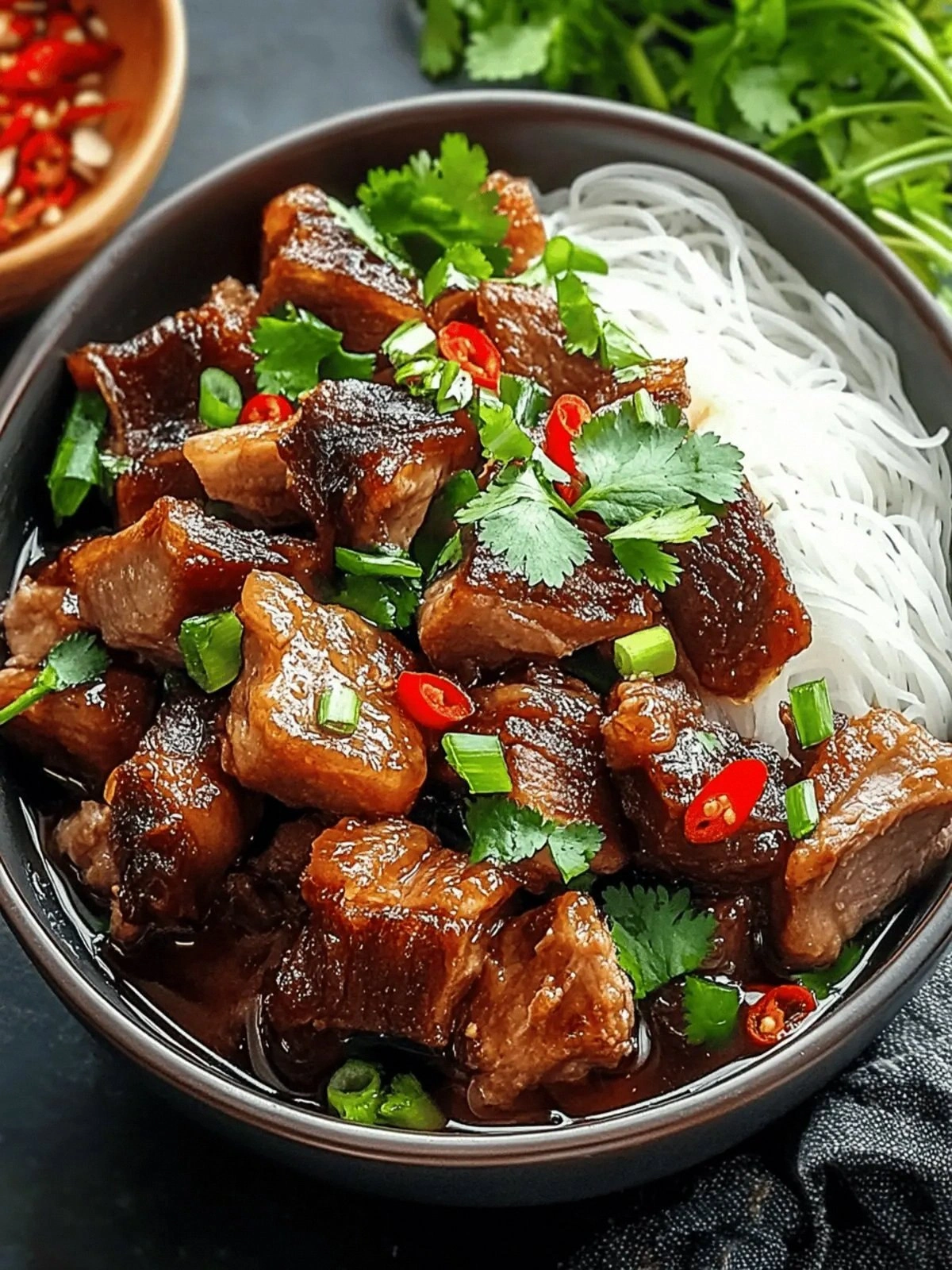
- Visual Appeal: The glossy caramel coating and bright green garnish give the dish a vibrant, Instagram‑ready look.
Alright, let's break down exactly what goes into this masterpiece.
Inside the Ingredient List
The Flavor Base
The 0.25 cup of sugar is the heart of the caramel, providing the sweet backbone that balances the saltiness of the fish sauce. If you skip the sugar, the dish will lose its glossy sheen and depth, becoming more of a plain braised pork. You can swap sugar for honey or maple syrup for a different sweetness profile, but be aware that the liquid content will change slightly. For a slightly spicier version, add a pinch of crushed red pepper flakes to the sugar mixture.
The 3 tablespoons of fish sauce bring umami and a subtle briny kick that is essential to Vietnamese flavor. Without it, the pork would taste flat and overly sweet. If you’re allergic to soy or fish, try a coconut aminos alternative, but keep the quantity the same to maintain balance. Fish sauce also helps to tenderize the pork, so don’t skip it for a more authentic experience.
The Texture Crew
The 1 kg of pork belly or shoulder is the star that delivers both richness and chew. Pork belly offers a higher fat content that melts into the caramel, while pork shoulder provides a firmer texture. If you prefer a leaner option, trim some fat but remember to adjust the cooking time to avoid dryness. The pork should be sliced into 1-inch cubes for even cooking.
The 4 hard‑boiled eggs add protein and a subtle creamy contrast that balances the sweet caramel. If you don’t have eggs on hand, you can omit them, but the dish will feel a bit lighter. Alternatively, use a small block of tofu for a vegetarian version, but note the texture will differ. The eggs also help to thicken the sauce slightly as they release yolk during simmering.
The Unexpected Star
The 1 cup of coconut water is a game‑changer, infusing the pork with a subtle tropical flavor and adding natural sweetness. It also helps to keep the pork moist during the caramelization process. If coconut water is unavailable, replace it with light broth or water, but the flavor profile will shift toward a more traditional braised pork. Adding a splash of lime juice at the end brightens the dish and balances the sweetness.
The 2 shallots and 3 cloves of garlic form the aromatic foundation, releasing savory notes that permeate the sauce. They are essential for depth; skipping them will make the dish taste one‑dimensional. Finely mince the garlic to ensure it caramelizes evenly. If you love a bit of heat, add a sliced chili during the searing stage.
The Final Flourish
The 1 teaspoon of black pepper provides a subtle heat that cuts through the sweetness and adds a layer of complexity. It also enhances the savory elements of the fish sauce. If you prefer a milder version, use white pepper or reduce the quantity slightly. Pepper also helps to balance the overall flavor, preventing the dish from feeling too sweet.
Everything's prepped? Good. Let's get into the real action.
The Method — Step by Step
- Heat a large skillet or wok over medium‑high heat until shimmering. Add a splash of oil and let it swirl around the pan. When the oil is hot, place the pork cubes in a single layer, ensuring they have space to brown. Do not overcrowd the pan; if necessary, cook in batches. This step is crucial for developing a caramelized crust that holds flavor.
- Sear the pork for about 4–5 minutes on each side until golden brown and slightly crispy. The edges should pull away from the pan, indicating proper caramelization. Flip the cubes carefully to avoid breaking them. A quick sear locks in juices and creates a rich base for the sauce. Keep the heat steady to prevent burning.
- Remove the pork from the skillet and set aside on a plate. In the same pan, add the minced garlic and sliced shallots, sautéing until fragrant and translucent. This aromatics layer forms the flavor foundation of the dish. Stir frequently to avoid sticking or burning. The aroma should fill the kitchen, making the anticipation almost tangible.
- Pour in the coconut water, scraping up any browned bits from the pan. Let the liquid reduce by half, concentrating the flavors. The reduction should take about 3–4 minutes. Keep the heat moderate to avoid scorching. This step creates a savory broth that will become the caramel base.
- Add the sugar and stir until dissolved, allowing it to bubble and caramelize slightly. The mixture should turn a warm amber color. Do not let it burn; a quick stir helps control the temperature. The caramelized sugar will coat the pork and create a glossy sheen. Watch the color shift; it’s a visual cue for readiness.
- Return the pork to the skillet, then pour in the fish sauce and black pepper. Stir to coat the pork evenly, ensuring each cube is bathed in the sweet‑salty mixture. Let the sauce simmer for 10 minutes, allowing the flavors to meld. The pork should remain moist and tender, not dry or overcooked. This is the moment of truth.
- Add the hard‑boiled eggs, gently sliding them in so they don’t break. Simmer for an additional 5 minutes, letting the eggs absorb the caramel. The sauce should thicken slightly, coating the pork and eggs. The eggs will release a subtle richness, enhancing the overall profile. Keep the heat low to avoid over‑simmering.
- Turn off the heat, then sprinkle fresh chopped cilantro and lime wedges for garnish. The bright green cilantro adds a fresh contrast to the sweet caramel, while the lime brightens the dish. Serve immediately over steamed rice or with fresh lettuce leaves for a light side. The final dish should look glossy, aromatic, and irresistible.
That's it — you did it. But hold on, I've got a few more tricks that'll take this to another level.
Insider Tricks for Flawless Results
The Temperature Rule Nobody Follows
Many cooks underestimate the importance of maintaining a consistent medium‑high heat during the searing stage. If the pan is too hot, the sugar will burn before the pork can brown; too cool, and the pork will steam rather than caramelize. I keep a thermometer handy to ensure the skillet stays around 375°F. This precise control gives you a perfect caramel crust every time.
Why Your Nose Knows Best
When the sugar caramelizes, the scent will shift from sweet to nutty. Trust that aroma as a cue that the sauce is ready. If you’re unsure, give the sauce a quick taste; it should be slightly sweet with a hint of umami. The nose is a reliable guide for achieving that glossy finish without burning.
The 5‑Minute Rest That Changes Everything
After cooking, let the pork rest for five minutes before serving. This allows the juices to redistribute, keeping the meat moist. The caramel sauce will thicken slightly during this rest, making it cling better to each cube. Skipping this step can leave the pork dry and the sauce too thin.
Use a Heavy‑Bottomed Pan
A heavy pan distributes heat evenly, preventing hot spots that can burn the sugar. A copper or cast‑iron skillet works best, but a good stainless steel pan will also do. This ensures a consistent caramelization across all pork pieces.
Add a Splash of Acid at the End
Just before serving, squeeze a lime wedge over the dish. The acidity brightens the caramel and balances the sweetness, giving the dish a fresh lift. The lime also adds a subtle citrus note that complements the coconut water. This simple addition transforms the dish from good to unforgettable.
Creative Twists and Variations
This recipe is a playground. Here are some of my favorite ways to switch things up:
Spicy Sriracha Glaze
Add a tablespoon of Sriracha to the sauce for a fiery kick. The heat balances the sweetness and adds depth. Serve with a side of cucumber slices to cool the palate. This version is perfect for those who love a bit of heat.
Miso‑Infused Caramel
Replace half the fish sauce with white miso paste for a richer umami profile. The miso adds a subtle earthiness that complements the pork. The sauce will thicken slightly, creating a thicker glaze. This variation is ideal for a more sophisticated palate.
Gluten‑Free Ginger Twist
Add minced fresh ginger to the aromatics for a zesty bite. The ginger cuts through the sweetness and adds a bright aroma. Use tamari instead of fish sauce to keep it gluten‑free. This version is great for those with dietary restrictions.
Pineapple Pine‑Sweet Finale
Stir in diced fresh pineapple during the final simmer for a tropical twist. The pineapple’s natural sugars enhance the caramel. The fruit adds a juicy burst of flavor that pairs well with the pork. This variation is perfect for summer gatherings.
Roasted Garlic Enhancement
Roast the garlic cloves before adding them to the pan for a sweeter, milder flavor. The roasted garlic will mellow the sharpness of raw garlic. This subtle change makes the dish more approachable for garlic‑averse diners. The result is a softer, sweeter sauce.
Coconut Cream Finish
Swirl in a tablespoon of coconut cream at the end for a silky texture. The cream enriches the sauce, giving it a velvety mouthfeel. It also deepens the coconut flavor, making the dish feel more indulgent. This version is a crowd‑pleaser for special occasions.
Storing and Bringing It Back to Life
Fridge Storage
Cool the pork completely, then store it in an airtight container in the refrigerator for up to 3 days. The caramel sauce will thicken slightly, so reheat gently to restore its glossy sheen. Use a microwave or a skillet over low heat. The dish remains flavorful and moist when reheated properly.
Freezer Friendly
Pack the pork and sauce in a freezer‑safe bag or container, leaving space for expansion. Freeze for up to 2 months. Thaw overnight in the refrigerator before reheating. Reheat in a skillet with a splash of water to keep it from drying out. The texture stays close to fresh when handled correctly.
Best Reheating Method
Reheat on the stovetop over medium heat, adding a tiny splash of water or coconut water to steam the pork gently. Stir occasionally to ensure even heating. The sauce will re‑melt and coat the pork beautifully. Avoid high heat, or the sauce may separate. Serve immediately once heated through for maximum enjoyment.