Introduction
I remember the night my roommate tried to make a quick dinner after a long shift, and the kitchen smelled like a failed attempt at a Korean barbecue. He tossed chicken thighs into a pan with a handful of sauces, and the result was a soggy mess that left us craving something with depth and texture. That disaster became the catalyst for my obsession with mastering a sheet‑pan gochujang chicken thigh that turns a humble kitchen into a flavor laboratory. I spent hours experimenting, tweaking ratios, and finally landing on a sauce that clings to the meat like a velvet blanket while the cauliflower crowns the plate with a caramelized crunch.
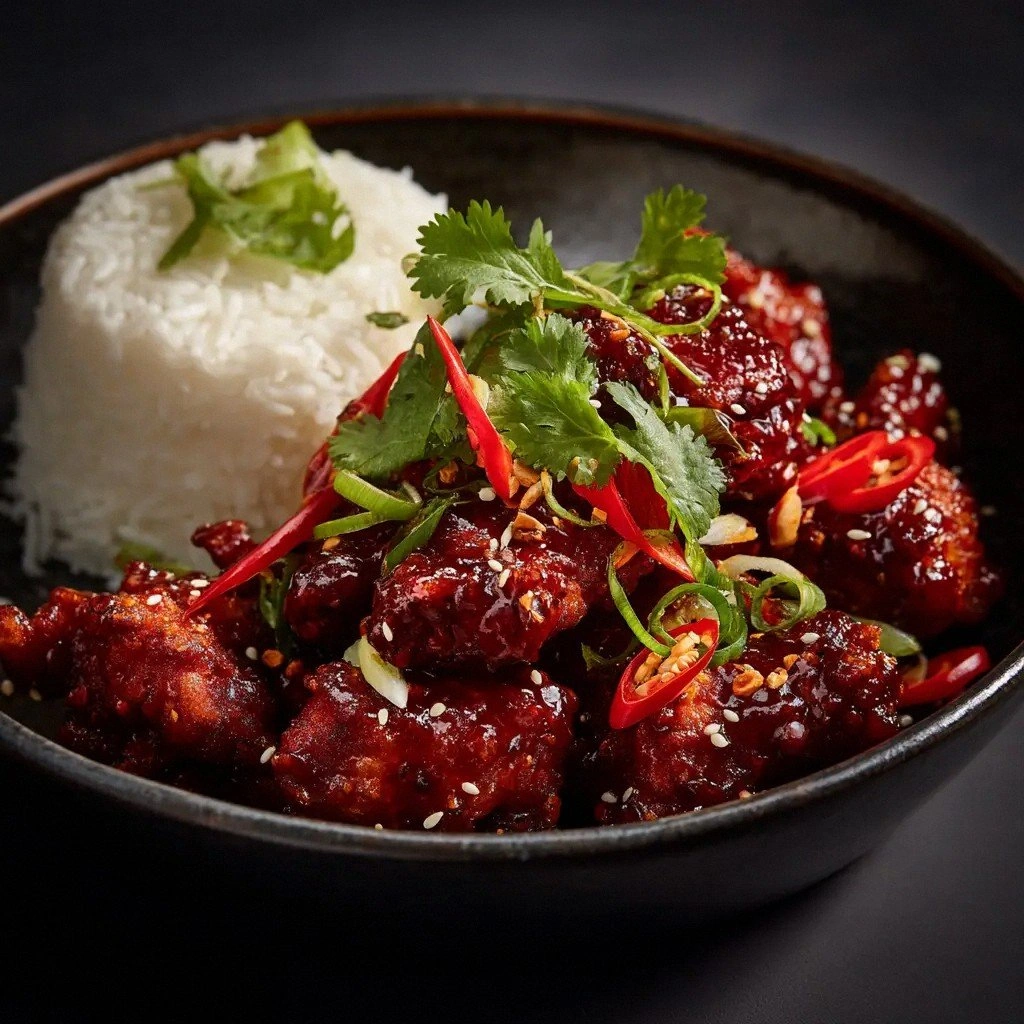
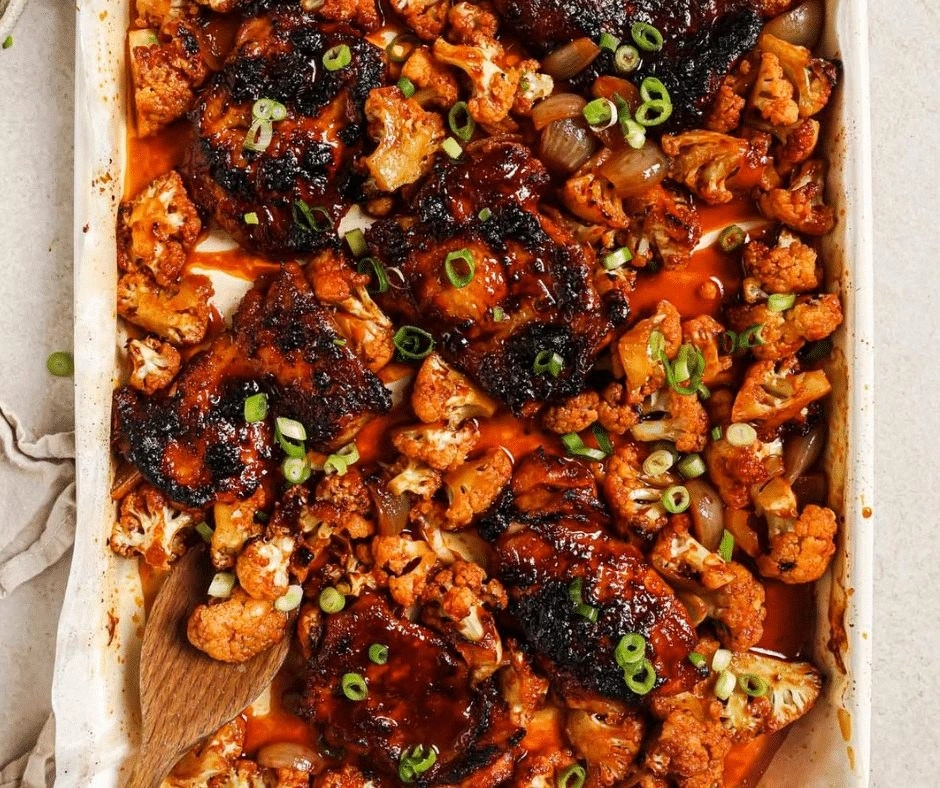
Picture this: the sizzle as the chicken hits the hot pan, the aroma of toasted sesame oil mingling with the sweet heat of hot honey, and the visual cue of edges turning a deep amber that promises a crispy finish. The moment you lift a piece, the glaze glistens like a glossy lacquer, and the first bite delivers a balanced punch—sweet, umami, and a kick that lingers without overwhelming. It’s a dish that feels like a warm hug, yet it’s daring enough to be the star of a dinner party or a comforting weeknight dinner.
What makes this version stand out is not just the flavor profile but the simplicity of the method and the versatility of the ingredients. I’ve stripped away unnecessary steps, replaced fancy techniques with straightforward sheet‑pan cooking, and introduced a unique hot honey glaze that adds a caramelized edge. If you’ve ever settled for bland chicken or overcooked cauliflower, this recipe flips the script and delivers a mouth‑watering experience that will make you question why you ever cooked anything else.
I dare you to taste this and not go back for seconds. Picture yourself pulling this out of the oven, the whole kitchen smelling incredible, and your guests asking for the recipe. By the end of this post, you’ll wonder how you ever made it any other way. Let me walk you through every single step — by the end, you’ll wonder how you ever made it any other way.
What Makes This Version Stand Out
- Bold Flavor: The gochujang paste provides a deep, fermented umami that cuts through the richness of the chicken and the sweetness of the honey. The combination creates a complex flavor that feels both comforting and adventurous.
- Texture Contrast: The cauliflower florets roast to a caramelized, slightly crispy exterior while remaining tender inside, offering a satisfying bite that complements the juicy thighs.
- Time Efficiency: All the work happens on one sheet pan. No separate sauce pan, no constant stirring, and no multiple dishes to clean up.
- Ingredient Quality: Using fresh, high‑quality boneless thighs and a reputable gochujang brand ensures the sauce’s depth, while the toasted sesame oil adds a nutty finish that elevates the dish.
- Crowd‑Pleaser: The sweet heat is approachable; even those who are hesitant about spicy food will find the balance inviting.
- Make‑Ahead Friendly: You can assemble the sheet pan and refrigerate it for up to 24 hours before baking, making it a great option for meal prep or last‑minute dinner plans.
- Visual Appeal: The vibrant reds of the sauce and the golden edges of the cauliflower create a plate that looks as good as it tastes.
Alright, let's break down exactly what goes into this masterpiece…
Inside the Ingredient List
The Flavor Base
Gochujang paste is the heart of this dish. Its fermented soybean foundation delivers a savory depth that is almost impossible to replicate with other sauces. When combined with hot honey, the sweetness balances the heat, creating a glaze that clings to the chicken without overpowering it. If you can’t find gochujang, a mix of Korean chili paste and a touch of miso can approximate the umami, but the flavor will differ.
The Texture Crew
Cauliflower head is chosen for its ability to absorb flavors while maintaining a firm bite. When roasted, the florets develop a caramelized crust that contrasts beautifully with the tender chicken thighs. If you’re looking for a lower‑carb alternative, try broccoli or Brussels sprouts—both will absorb the sauce and develop a satisfying crunch.
The Unexpected Star
Hot honey is the secret weapon that adds a glossy sheen and a caramelized finish. The honey’s viscosity ensures it coats the meat evenly, while the heat from the honey’s chili infusion gives a subtle kick. If you’re allergic to honey, a drizzle of maple syrup with a pinch of cayenne can work as a substitute, though the flavor profile will shift slightly.
The Final Flourish
Scallions and toasted sesame oil finish the dish with a burst of freshness and a nutty aroma that ties all the components together. The scallions add a bright, green contrast to the rich sauce, while the sesame oil brings a toasted note that elevates the overall taste. If you’re out of scallions, green onions or even a splash of rice vinegar can provide a similar bright contrast.
Everything's prepped? Good. Let's get into the real action…
The Method — Step by Step
- Preheat the Oven: Set your oven to 425°F (220°C) and let it reach the desired temperature while you prep the ingredients. A hot oven ensures the chicken thighs develop a crisp exterior and the cauliflower caramelizes evenly. The high heat also helps the glaze set quickly, preventing it from becoming too runny. While the oven is heating, move on to the next step.
- Prepare the Cauliflower: Cut the cauliflower into bite‑sized florets, ensuring they’re roughly the same size for even cooking. Toss them in a bowl with 2 tablespoons of olive oil, a pinch of kosher salt, and a sprinkle of pepper. This simple seasoning will enhance the natural sweetness of the cauliflower as it roasts. Spread the florets in a single layer on the sheet pan, leaving space for the chicken thighs.
- Mix the Glaze: In a small bowl, combine 3/4 cup of gochujang paste, 4 tablespoons of hot honey, 3 tablespoons of soy sauce, 4 tablespoons of olive oil, and 1 tablespoon of toasted sesame oil. Whisk until the mixture is smooth and slightly glossy. If the glaze feels too thick, add a splash of water or soy sauce to reach the desired consistency. This glaze will be the star that binds the dish together.
- Season the Chicken: Pat the boneless chicken thighs dry with paper towels. Drizzle a small amount of the glaze over each thigh, letting the sauce coat both sides. The glaze not only adds flavor but also helps the chicken stay juicy during baking. Place the seasoned thighs on top of the cauliflower, spacing them out so the juices can circulate.
- Add Shallots: Slice four large shallots into thick rounds and scatter them around the chicken and cauliflower. The shallots soften and caramelize, adding a subtle sweetness that complements the spicy glaze. They also create a natural barrier that prevents the chicken from sticking directly to the pan.
- Bake: Slide the sheet pan into the preheated oven. Bake for 25–30 minutes, flipping the chicken halfway through. The thighs should reach an internal temperature of 165°F (74°C) and the edges should start pulling away from the pan. The cauliflower will be golden brown and slightly crispy. Keep an eye on the glaze—if it starts to burn, reduce the oven temperature slightly.
- Finish with Scallions: While the dish is still hot, sprinkle a handful of sliced scallions over the top. The fresh green contrast not only brightens the plate visually but also adds a crisp, aromatic finish that cuts through the richness.
- Serve: Transfer the entire sheet pan to a serving platter, allowing the glaze to pool at the bottom. Serve hot, optionally with steamed rice or a side of kimchi for an authentic Korean touch. The dish is best enjoyed immediately, but leftovers hold up well in the fridge.
- Enjoy: Take a moment to appreciate the aroma, the glossy glaze, and the harmonious blend of sweet, spicy, and savory flavors. This is the moment of truth—your plate looks like a masterpiece, and the first bite confirms it. That sizzle when it hits the pan? Absolute perfection.
That's it — you did it. But hold on, I've got a few more tricks that'll take this to another level…
Insider Tricks for Flawless Results
The Temperature Rule Nobody Follows
Many cooks assume a lower oven temperature is safer, but it actually slows down caramelization and can leave the chicken soggy. Baking at 425°F ensures the exterior crisps up quickly while the interior stays juicy. If you’re using a convection oven, reduce the temperature by 25°F to avoid over‑browning.
Why Your Nose Knows Best
Trust your senses: when the glaze starts to smoke lightly and the cauliflower edges turn a deep amber, you’re almost there. A burnt smell is a red flag—pull the pan out and let it cool before serving. The aroma of toasted sesame oil combined with the sweet heat of the honey is the hallmark of a job well done.
The 5‑Minute Rest That Changes Everything
Letting the chicken rest for five minutes after baking allows the juices to redistribute, preventing them from spilling onto the plate. This simple pause also lets the glaze set, making it easier to serve without sticky messes. A friend once skipped this step and ended up with a dry, unevenly flavored dish.
Keep the Pan Clean, Keep the Flavor
After the first batch, rinse the pan with warm soapy water and a gentle scrub brush. The leftover glaze can become sticky and tough, ruining the next batch. A quick rinse also keeps the pan from absorbing odors that could taint future dishes.
Use Fresh Herbs for a Burst of Color
Adding a handful of fresh cilantro or Thai basil right before serving can elevate the dish’s visual appeal and add a bright, herbal note that balances the richness. These herbs are optional but highly recommended for a gourmet touch.
Make‑Ahead Tip
If you’re preparing the dish in advance, assemble the sheet pan, cover with foil, and refrigerate for up to 24 hours. When ready to bake, let the chicken come to room temperature for 15 minutes, then bake at 425°F for 20–25 minutes. The flavors will intensify, giving you a restaurant‑quality meal in minutes.
Creative Twists and Variations
This recipe is a playground. Here are some of my favorite ways to switch things up:
Spicy Garlic Twist
Add 2 minced garlic cloves to the glaze for an aromatic depth that pairs wonderfully with the honey. Garlic’s pungency complements the sweet heat, creating a more complex flavor profile. Great for those who love a bold, savory kick.
Sweet Pineapple Variation
Replace the hot honey with a mixture of pineapple juice and brown sugar for a tropical twist. The natural acidity of pineapple cuts through the richness, while the sugar caramelizes into a glossy finish. Pair with a side of coconut rice for a beach‑inspired meal.
Vegetarian Version
Swap the chicken thighs for thick-cut tofu or tempeh. Marinate the protein in the same glaze for 20 minutes before baking. The tofu will absorb the sauce, delivering a plant‑based version that’s just as satisfying.
Gluten‑Free Alternative
Use a gluten‑free soy sauce or tamari in the glaze to keep the dish free of wheat. The flavor remains robust, and the glaze still adheres perfectly to the chicken and cauliflower. Perfect for those with dietary restrictions.
Breakfast Edition
Serve the dish with a side of fluffy scrambled eggs and a slice of toasted sourdough. The savory glaze adds a spicy kick to the breakfast plate, while the eggs provide a creamy counterpoint. A unique way to start the day with a burst of flavor.
Asian Fusion Bowl
Slice the baked chicken and serve over a bed of jasmine rice, topped with the roasted cauliflower, scallions, and a drizzle of sesame oil. Add a side of pickled daikon for an extra tang. This bowl is perfect for a quick, balanced lunch or dinner.
Storing and Bringing It Back to Life
Fridge Storage
Store leftovers in an airtight container in the refrigerator for up to 3 days. The glaze will thicken slightly, so before reheating, add a splash of water or soy sauce to restore its glossy sheen. Reheat in the oven at 350°F for 10–12 minutes, or until heated through.
Freezer Friendly
Wrap the sheet pan tightly in foil, then place in a freezer bag. Freeze for up to 2 months. When ready to eat, thaw overnight in the refrigerator and bake at 375°F for 20 minutes. The texture remains crisp and the flavors stay vibrant.
Best Reheating Method
The oven is the best option for reheating because it preserves the crispness of the chicken and cauliflower. If you’re short on time, microwave the dish for 1–2 minutes, then finish under a broiler for 1 minute to restore the glaze’s shine. Avoid reheating in a skillet, as it can make the chicken soggy.