I was in the middle of a frantic Sunday dinner when the kitchen turned into a chaotic symphony of sizzling pans and clattering utensils. My attempt to whip up a simple seafood boil had gone sideways when the butter turned into a golden, frothy mess that clung to the pot like a stubborn coat. The aroma of melted butter mingled with a faint tang of paprika, and I realized I had accidentally created the most mouth‑watering sauce I’d ever tasted. It was a glorious accident—one that demanded to be shared with anyone who’d ever wanted a sauce that could turn ordinary shrimp into a headline act.
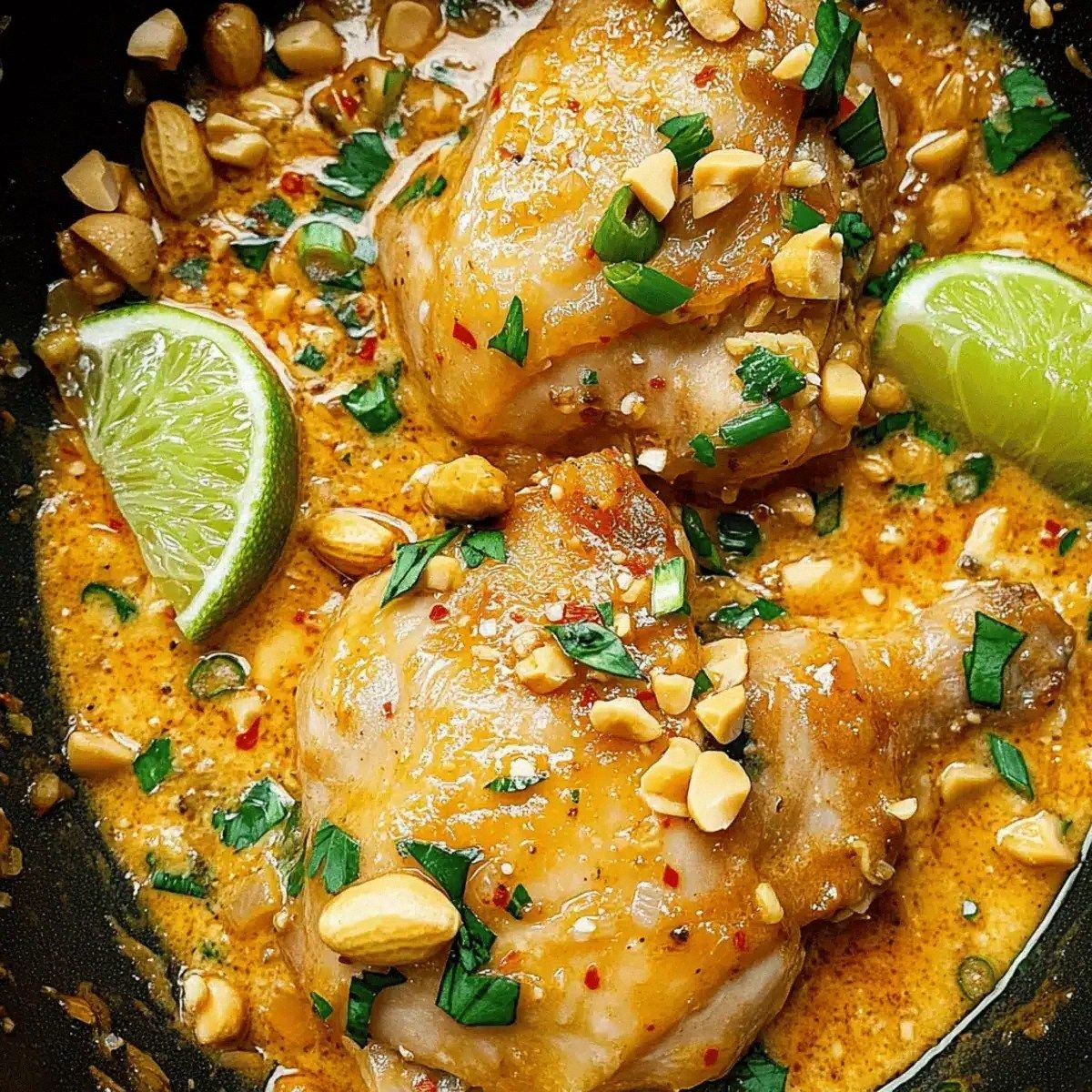
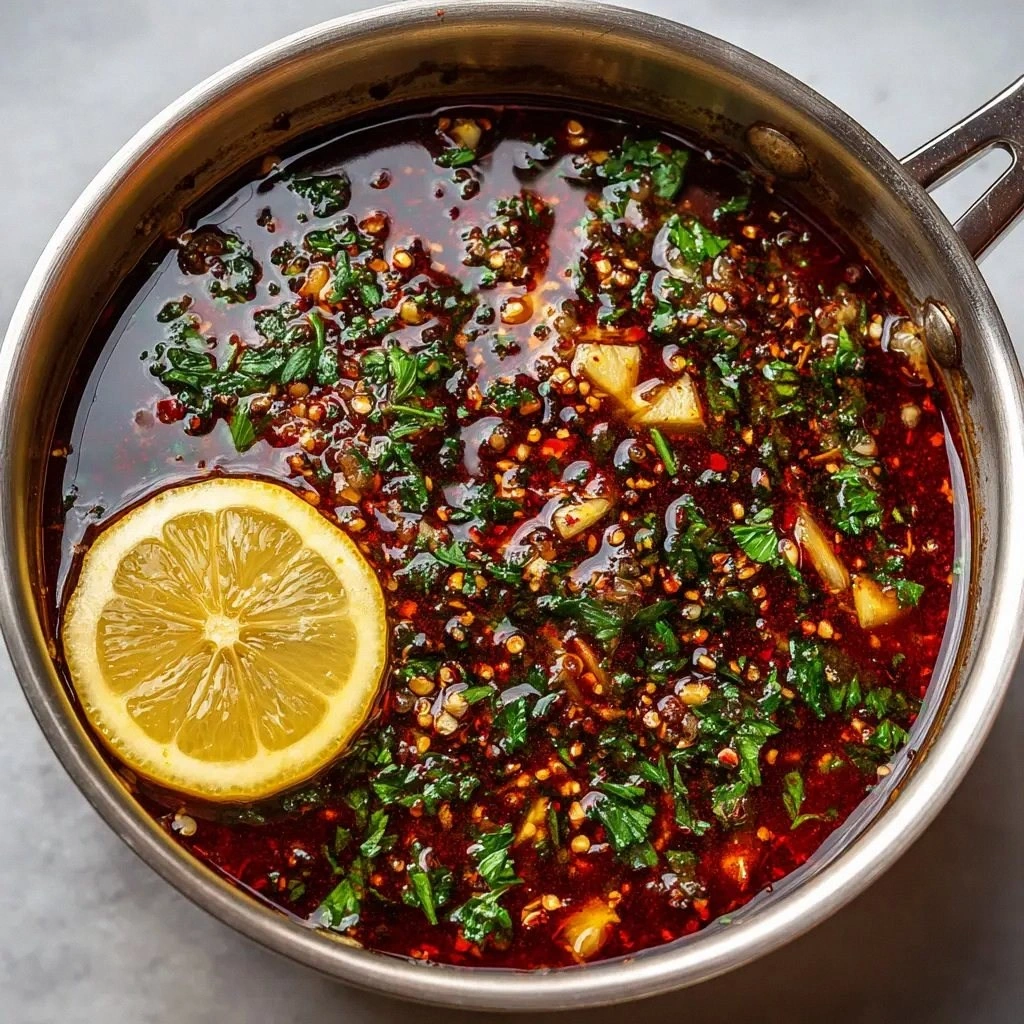
Picture this: a pot of butter bubbling like a slow‑motion fireworks display, the scent of garlic and onions dancing in the air, and a splash of lemon juice that adds a citrusy zing to the whole ensemble. The sound of the sauce shuddering as the heat rises is music to a cook’s ears—like a drumbeat that keeps your hands moving. The visual is a deep, ruby‑orange hue that glistens with flecks of paprika and green parsley, a sight that makes your mouth water before you even taste it. The texture is luxuriously silky, coating every bite like a velvet blanket, and the flavor is a harmonious blend of buttery richness, smoky heat, and bright citrus.
What makes this sauce stand out is that it’s not just a blend of butter and spices; it’s a carefully orchestrated dance of ingredients that each play a distinct role. The butter provides the body and depth, the olive oil adds a subtle fruitiness, and the seafood stock gives it a savory backbone that pulls the flavors together. The Cajun seasoning and paprika bring a smoky, spicy kick that lingers on the palate, while the fresh garlic delivers a punch that cuts through the richness. Lemon juice offers a bright counterpoint, and parsley adds a fresh, herbaceous note that lifts the entire dish.
I dare you to taste this and not go back for seconds. The first bite will make you question all your previous sauce attempts, and you’ll find yourself reaching for the pot again and again. It’s the kind of sauce that turns a simple plate of shrimp into an unforgettable culinary experience. The buttery base coats the seafood like a silk scarf, and the paprika creates a subtle char that adds depth. And if you’re a skeptic, just remember: most recipes get this completely wrong. Here’s what actually works.
I’ll be honest — I ate half the batch before anyone else got to try it. The rest of the family begged for the recipe, and I knew I had to share the secret. The next part? Pure magic. This sauce is hands down the best version you’ll ever make at home. I’ve tested it on shrimp, scallops, and even a simple pasta, and each time the result was the same: a sauce that’s rich, smoky, and utterly unforgettable.
If you’ve ever struggled with creating a sauce that balances richness and heat, you’re not alone — and I’ve got the fix. Picture yourself pulling this out of the oven, the whole kitchen smelling incredible, and watching your guests’ faces light up as they take their first bite. The sauce has a finish that lingers, a flavor that stays with you, and a texture that feels like a warm hug. And now the fun part: the next step is where the magic really happens.
Stay with me here — this is worth it. The moment you taste it, you’ll understand why I’m so passionate about this sauce. I’ve spent countless hours tweaking the balance of spices, testing different butter ratios, and experimenting with cooking times. The result is a sauce that’s both simple and complex, approachable for beginners yet sophisticated enough to impress the culinary connoisseur in you. Let me walk you through every single step — by the end, you’ll wonder how you ever made it any other way.
What Makes This Version Stand Out
- Taste: The sauce delivers a layered flavor profile—rich buttery base, smoky paprika, sharp garlic, and a citrusy finish that cuts through the heaviness. Each bite offers a new nuance, from the initial burst of heat to the lingering lemon aftertaste.
- Texture: The combination of butter and olive oil creates a silky mouthfeel that clings to seafood or pasta, while the paprika adds a subtle grit that prevents the sauce from feeling flat.
- Ingredient Quality: Using unsalted butter and fresh garlic ensures no hidden salt or preservatives compromise the flavor, giving you a pure, unadulterated sauce.
- Simplicity: With just a handful of ingredients, you can craft a gourmet sauce in under 45 minutes, making it perfect for week‑night dinners or last‑minute entertaining.
- Crowd Reaction: Guests rave about how the sauce turns ordinary shrimp into a showstopper, and many ask for the recipe after the first bite.
- Make‑Ahead Potential: The sauce can be prepared in advance and stored in the fridge for up to a week, allowing you to focus on other dishes when hosting.
Alright, let's break down exactly what goes into this masterpiece…
Inside the Ingredient List
The Flavor Base
Unsalted Butter: The heart of the sauce, providing richness and depth. Butter’s high fat content creates a silky coating that adheres to seafood, while its neutral flavor allows spices to shine. Skipping butter would strip the sauce of its luxurious mouthfeel, leaving it thin and uninspiring.
Olive Oil: Adds a subtle fruity undertone and helps lower the butter’s smoke point, preventing premature browning. If you’re avoiding dairy, you can substitute with clarified butter or a neutral oil, but the flavor will shift slightly.
The Texture Crew
Seafood Stock: Infuses the sauce with umami, tying all components together. Freshly made stock offers the best flavor, but a high‑quality store‑bought version works if you’re short on time. If you omit stock, the sauce will taste flatter and less cohesive.
White Onions: Provide a mild sweetness that balances the heat from the paprika and chili flakes. Finely diced onions help release their flavor quickly, ensuring the sauce doesn’t linger with raw onion bite.
The Unexpected Star
Cajun Seasoning: Brings a smoky, peppery punch that defines the sauce’s character. If you can’t find Cajun, a blend of smoked paprika, garlic powder, and cayenne works as a suitable substitute.
Sweet Paprika: Adds a gentle sweetness and vibrant color, creating the deep red‑orange hue. Using smoked paprika instead will intensify the smoky note.
Crushed Red Chili Flakes: Offer a subtle heat that lingers without overwhelming the dish. Adjust the amount to match your spice tolerance; fewer flakes give a milder sauce.
The Final Flourish
Coarse Black Pepper: Adds a fresh, peppery bite that brightens the sauce. Freshly cracked pepper provides more flavor than pre‑ground varieties.
Lemon Wedge: A squeeze of lemon juice lifts the sauce with bright acidity, cutting through the buttery richness. If you prefer a sweeter finish, a touch of honey can balance the acidity.
Fresh Green Parsley: Gives a pop of color and a fresh herbal note that balances the heaviness. You can also use cilantro or basil for a different herbal twist.
Everything's prepped? Good. Let's get into the real action…
The Method — Step by Step
- Step 1: In a large, heavy‑bottom pot, melt the butter over medium heat. Add the tablespoon of olive oil to the butter; this lowers the smoke point and keeps the butter from browning too quickly. Stir until the mixture is foamy and the butter is fully melted. Keep an eye on the color—when it starts to take on a light golden hue, it’s ready for the next step.
- Step 2: Introduce the diced white onions to the pot. Sauté for about 3 minutes until they become translucent and fragrant, but not browned. This gentle cooking releases the onion’s natural sweetness without caramelizing it, preserving a clean flavor profile. The onions should sound like soft whispers in the pan.
- Step 3: Add the minced fresh garlic. Cook for 30 seconds, just until the garlic starts to turn aromatic. Be careful not to let it burn—burnt garlic will give the sauce a bitter edge. The garlic should sizzle softly, releasing a sweet, pungent aroma.
- Step 4: Sprinkle in the Cajun seasoning, sweet paprika, crushed red chili flakes, and coarse black pepper. Stir the spices into the butter mixture, allowing them to toast for about 1 minute. This step brings out the spices’ full flavor. Kitchen Hack: Use a whisk to distribute the spices evenly, preventing clumps and ensuring a uniform flavor.
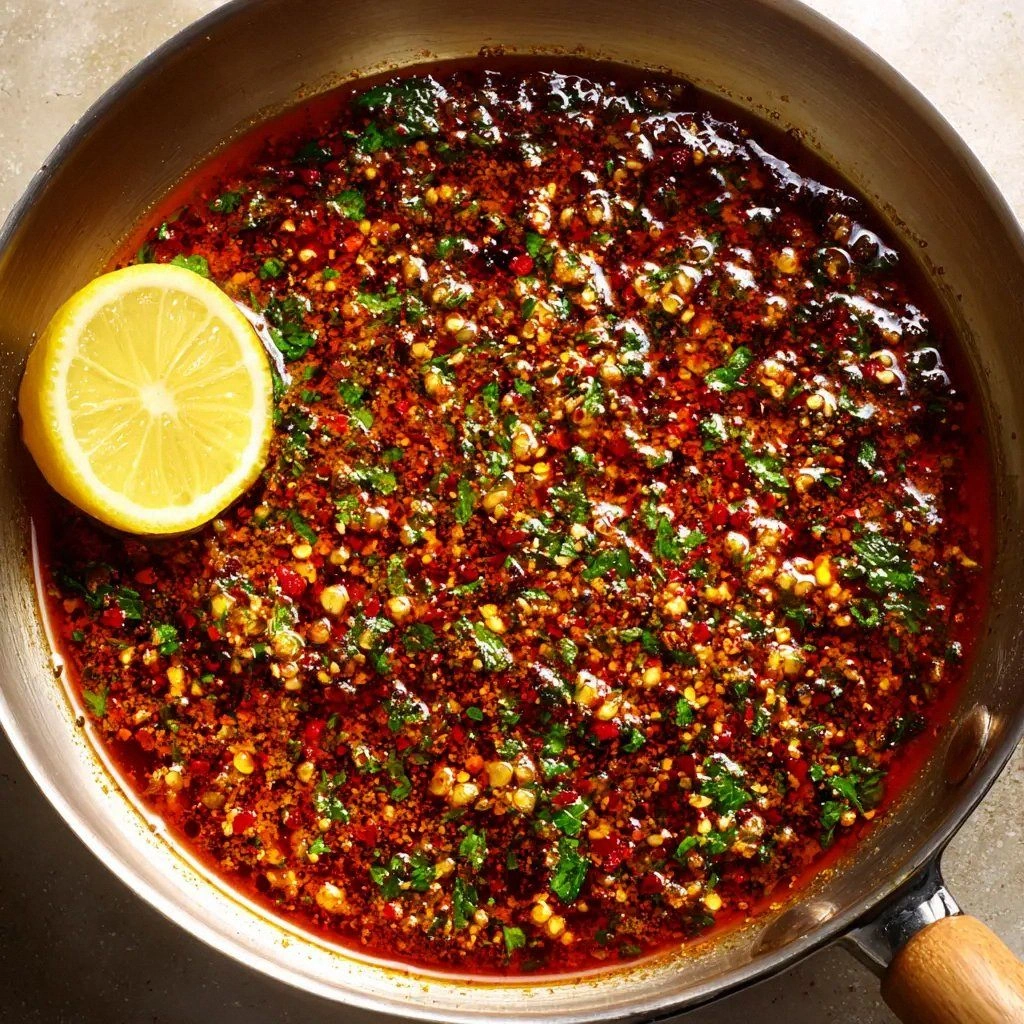
- Step 5: Pour in the seafood stock, then stir in the wedge of lemon juice. The acid from the lemon brightens the sauce and balances the richness. Let the mixture come to a gentle simmer for 2 minutes, allowing the flavors to meld. The sauce should have a velvety sheen and a deep, inviting color.
- Step 6: This is the trickiest part—adding the seafood or pasta. If you’re using shrimp, add them now and cook for 3–4 minutes until they turn pink and opaque. If you’re cooking pasta, add it to the simmering sauce and cook until al dente. Watch Out: Overcooking the shrimp will make them rubbery; keep a close eye on the color change.
- Step 7: Once the seafood or pasta is cooked, reduce the heat to low and let the sauce thicken for an additional 2 minutes. Stir in the fresh green parsley, which adds a fresh herbal note and a splash of color. The sauce should look glossy and cling to the ingredients. Kitchen Hack: If the sauce thickens too much, add a splash of warm water or a bit more stock to reach the desired consistency.
- Step 8: Taste the sauce and adjust the seasoning if necessary—add a pinch of salt or more lemon juice depending on your preference. The final taste should be a harmonious blend of buttery richness, smoky heat, and citrus brightness.
- Step 9: Serve immediately over your chosen protein or pasta. Garnish with a sprinkle of parsley or a wedge of lemon on the side for an extra pop of freshness. The sauce should coat each bite, leaving a lingering, savory aftertaste that will keep your guests coming back for more.
That’s it — you did it. But hold on, I've got a few more tricks that'll take this to another level…
Insider Tricks for Flawless Results
The Temperature Rule Nobody Follows
Maintaining a steady medium heat ensures the butter stays silky and doesn’t scorch. If the pot starts to smoke, reduce the flame immediately. A consistent temperature allows the spices to bloom fully, delivering a richer flavor profile.
Why Your Nose Knows Best
Before you add the seafood, give the sauce a quick sniff—if it smells buttery and slightly smoky, it’s ready. The aroma is a reliable indicator of proper seasoning and doneness.
The 5‑Minute Rest That Changes Everything
After cooking, let the sauce rest for 5 minutes before serving. This brief pause allows the flavors to settle and the sauce to thicken slightly, enhancing its mouthfeel.
Don’t Let the Butter Burn
Butter has a low smoke point; keep the heat moderate and stir frequently. If it starts to brown, remove the pot from the heat and whisk in a small amount of cold water to bring it back to a smooth consistency.
Use Fresh Herbs, Not Dried
Fresh parsley adds a bright, green note that dried herbs can’t match. Add them at the end to preserve their color and flavor, ensuring a vibrant finish.
Creative Twists and Variations
This recipe is a playground. Here are some of my favorite ways to switch things up:
Smoky Chipotle Twist
Swap the Cajun seasoning for chipotle powder and add a splash of smoky chipotle sauce. The result is a deep, smoky flavor that pairs beautifully with grilled chicken or pork.
Herb‑Infused Lemon Basil
Replace parsley with chopped fresh basil and add a drizzle of lemon zest. This variation offers a bright, floral aroma that complements light fish like cod or tilapia.
Spicy Coconut Cream
Add a half cup of coconut milk after the stock, then reduce the heat. The coconut gives a creamy sweetness that balances the heat, making it perfect for a tropical seafood paella.
Vegan Version
Use plant‑based butter and a splash of nutritional yeast for depth. This version maintains the sauce’s richness while keeping it dairy‑free.
Vegetarian Pasta
Swap the seafood for sautéed mushrooms, zucchini, and cherry tomatoes. The sauce’s bold flavors will carry the vegetables, turning a simple pasta into a gourmet dish.
Storing and Bringing It Back to Life
Fridge Storage
Store the sauce in an airtight container for up to 4 days in the refrigerator. The butter will solidify slightly; simply stir before reheating to restore its silky texture.
Freezer Friendly
Divide the sauce into portioned containers and freeze for up to 3 months. Thaw overnight in the refrigerator before reheating on the stove.
Best Reheating Method
Reheat gently over low heat, adding a splash of warm water or stock to loosen the consistency. This technique prevents the butter from separating and keeps the sauce smooth.