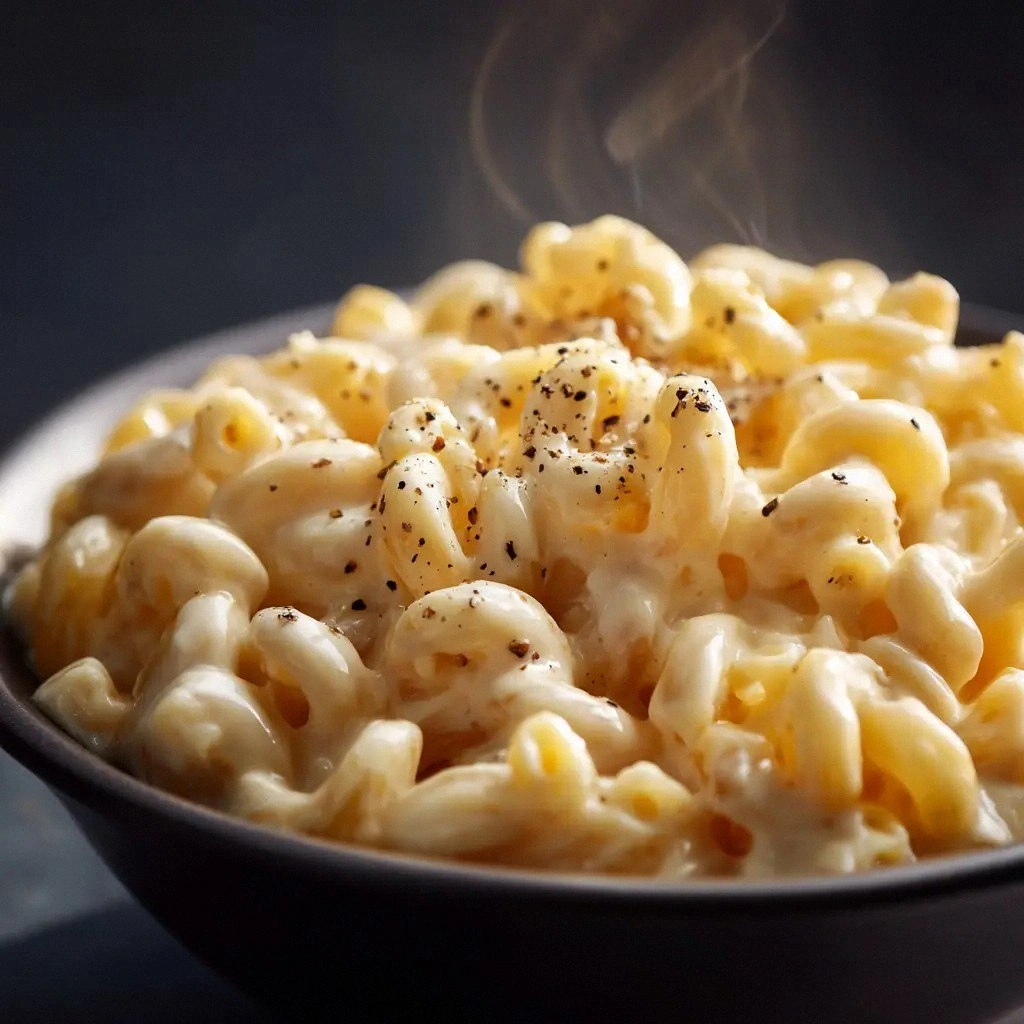
White Cheddar Mac and Cheese: I was in a culinary crisis that night. My friend dared me to make the most indulgent mac and cheese in under an hour, and I had to deliver. I pulled out a pot, a handful of cheeses, and a dash of daring. The kitchen smelled like melted butter and ambition. That moment of pressure turned into a revelation: a recipe that would outshine every other comfort dish I've ever tasted.
Picture this: a pot of al dente elbow macaroni, a golden roux swirling in a pan, the aroma of sharp cheddar mingling with nutmeg and cayenne. The sound of the sauce thickening is like a drumbeat, building anticipation. The texture of the finished dish—velvet‑smooth inside, crisp, buttery crust on top—makes your taste buds sing. I’ve tasted mac and cheese from fast‑food chains, from fancy restaurants, even homemade ones that missed the mark, but none of them have this depth of flavor or the mouth‑watering crunch I’ve achieved. This version is hands down the best you’ll ever make at home.
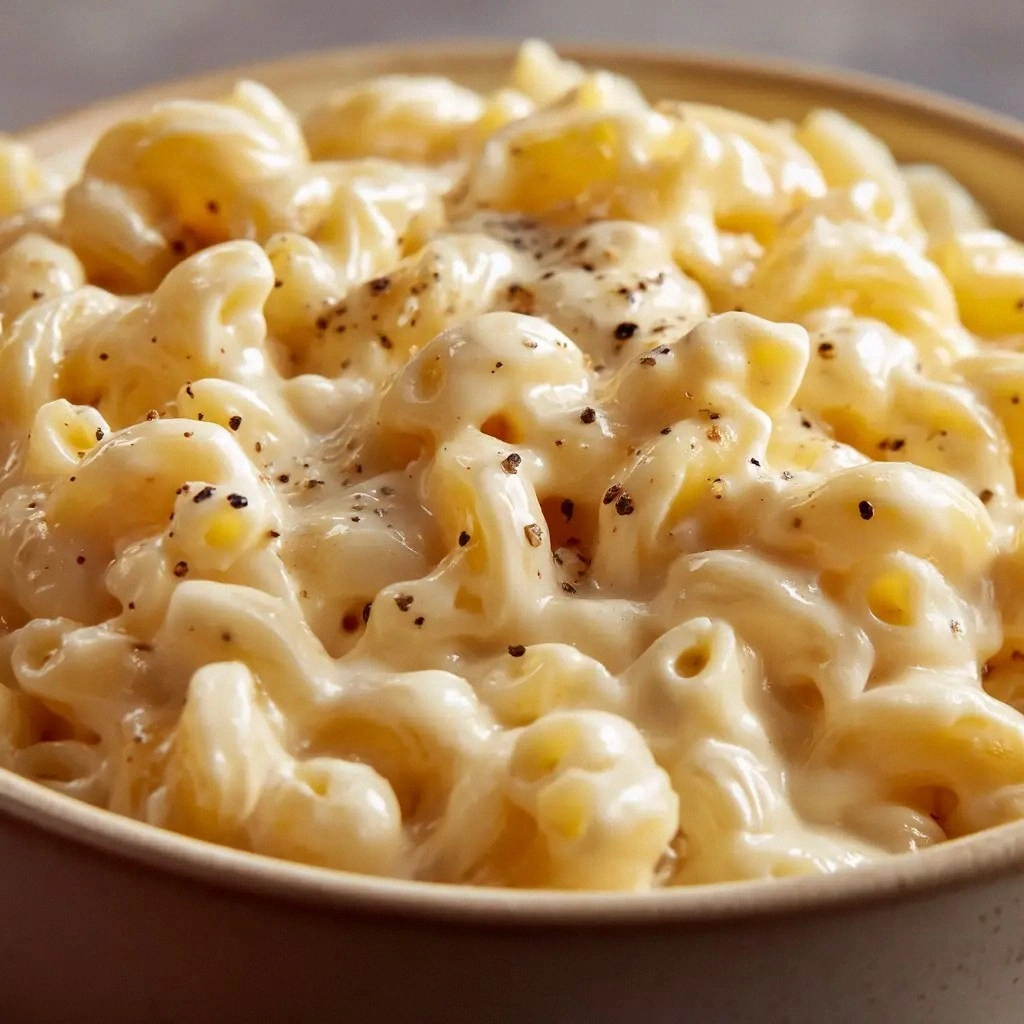
What sets this apart is the harmony of ingredients and the technique that locks in every drop of flavor. The white cheddar is sharp, the Gruyère adds a nutty depth, and the subtle spices create a layered profile that feels both familiar and adventurous. The sauce coats the pasta like velvet, and when you lift a forkful, the golden crust shatters like thin ice, releasing a burst of savory aroma. I dare you to taste this and not go back for seconds. If you’ve ever struggled with bland mac and cheese, you’re not alone—and I’ve got the fix.
Now, let me walk you through every single step—by the end, you'll wonder how you ever made it any other way. Picture yourself pulling this out of the oven, the whole kitchen smelling incredible, and the first bite sending a wave of comfort through your body. The anticipation is real, and the payoff is unforgettable. This isn’t just a recipe; it’s a culinary adventure that starts with a simple pot of pasta and ends with a masterpiece that will become a family favorite.
What Makes This Version Stand Out
- Taste: The combination of sharp white cheddar and nutty Gruyère creates a flavor profile that is both bold and nuanced. The subtle heat from cayenne and the warmth of nutmeg give the dish depth without overpowering the cheese.
- Texture: The sauce’s silky, velvety consistency coats each noodle, while the golden crust adds a satisfying crunch that contrasts beautifully with the creamy interior.
- Simplicity: Despite its gourmet taste, the recipe uses only a handful of ingredients, making it accessible for any kitchen.
- Uniqueness: The inclusion of Dijon mustard and a dash of cayenne sets this recipe apart from traditional mac and cheese, adding a savory kick that’s rarely seen.
- Crowd Reaction: Friends who have tried this version rave about the melt‑away texture and the irresistible crust; it’s a guaranteed hit at gatherings.
- Ingredient Quality: Using fresh, high‑quality cheeses and whole milk elevates the dish, ensuring each bite is rich and satisfying.
- Cooking Method: The roux technique creates a stable, lump‑free sauce that thickens beautifully, preventing the dreaded "cheesy sludge" that plagues many recipes.
- Make‑Ahead Potential: Assemble and bake ahead of time; the dish reheats wonderfully, making it ideal for busy weeknights.
Inside the Ingredient List
The Flavor Base
Whole Milk: The base of any creamy sauce, whole milk provides richness and a silky mouthfeel. If you’re watching calories, skim milk will work, but the flavor and texture will be noticeably lighter. Skipping milk entirely will leave the roux dry and result in a gritty sauce.
Unsalted Butter: Butter adds depth and a buttery finish that balances the sharpness of the cheeses. Use unsalted to control sodium levels. A small amount of olive oil can be added for a subtle fruity note, but avoid overdoing it or the sauce will become oily.
All-Purpose Flour: Flour is the thickening agent that turns liquid into a luscious sauce. It also helps the sauce set as it cools, preventing a runny texture. If you’re gluten‑sensitive, you can substitute a gluten‑free flour blend, but keep the ratio the same.
Dijon Mustard: Mustard is the secret to a bright, tangy lift that cuts through the richness. It also helps emulsify the sauce. If you’re not a fan of mustard, a splash of white wine or a teaspoon of lemon juice can provide a similar brightness.
Seasonings (Salt, Pepper, Cayenne, Nutmeg): These spices add layers of flavor. Salt is essential for bringing out the cheeses’ natural sweetness. Black pepper provides subtle heat, while cayenne gives a quick kick. Nutmeg, though small, contributes a warm, nutty aroma that elevates the dish. Skipping any of these will flatten the flavor profile.
The Texture Crew
Elbow Macaroni: The shape of elbow pasta holds onto the sauce, delivering a creamy bite in every forkful. If you prefer a different shape, try shells or penne; just adjust cooking time accordingly. Avoid overcooking the pasta; it should be al dente to maintain firmness.
The Unexpected Star
Gruyère Cheese: This Swiss cheese brings a nutty, slightly sweet undertone that pairs perfectly with sharp cheddar. It melts smoothly, creating a silky base for the cheese sauce. If you’re in a pinch, a blend of Emmental and Gruyère works well, but the unique flavor profile will change slightly.
The Final Flourish
Sharp White Cheddar: The star of the show, sharp cheddar delivers a robust, tangy bite that balances the richness of the sauce. Choosing a high‑quality, aged cheddar will give you a more pronounced flavor. If you prefer a milder taste, opt for a medium cheddar, but be prepared for a less intense finish.
Everything's prepped? Good. Let's get into the real action…
The Method — Step by Step
- Bring a large pot of salted water to a rolling boil. Add the elbow macaroni and cook until al dente, about 8 minutes. Drain and set aside, reserving a cup of pasta water for later.
- In a separate saucepan, melt the butter over medium heat. Sprinkle the flour over the butter and whisk constantly for 1–2 minutes until the mixture turns a pale golden color and smells nutty, forming the roux. This is the backbone of the sauce.
- Gradually pour in the whole milk while whisking to prevent lumps. Continue whisking until the sauce thickens and coats the back of a spoon, about 3–4 minutes. The aroma should become warm and inviting, signaling that the sauce is ready.
- Stir in the Dijon mustard, salt, pepper, cayenne, and nutmeg. The sauce should have a subtle, warm aroma. Taste a small amount; the spices should complement, not overpower, the cheese.
- Reduce heat to low and add the shredded Gruyère cheese, stirring until melted and silky. The cheese should melt smoothly without clumping. If the sauce starts to look too thick, add a splash of reserved pasta water.
- Finally, fold in the sharp white cheddar cheese until fully incorporated. The sauce should be thick, glossy, and coat each pasta piece like velvet. This is the moment of truth.
- Transfer the cheesy pasta to a greased 9x13 baking dish, smoothing the top with a spatula. Sprinkle the remaining cheese over the top and bake at 375°F (190°C) for 20–25 minutes, or until the crust is golden brown and bubbling.
- Let the mac and cheese rest for 5 minutes before serving to allow the flavors to settle and the sauce to thicken slightly. This resting period also lets the crust firm up for that perfect bite.
That's it — you did it. But hold on, I've got a few more tricks that'll take this to another level. These insider tips will help you perfect the dish, whether you’re a first‑time maker or a seasoned pro.
Insider Tricks for Flawless Results
The Temperature Rule Nobody Follows
Many people bake mac and cheese at too high a temperature, resulting in a dry top. Keep the oven at 375°F (190°C) and bake until the crust is just golden. This lower heat allows the cheese to melt evenly and the sauce to stay creamy.
Why Your Nose Knows Best
Smell the sauce as it thickens. A buttery, nutty scent indicates a proper roux. If the sauce smells raw or floury, it needs more cooking time. Trust your nose; it’s your best quality control tool.
The 5‑Minute Rest That Changes Everything
Letting the mac and cheese rest after baking is crucial. It allows the sauce to set, making it easier to serve without it sliding off the plate. It also lets the flavors meld together, giving you a more cohesive taste experience.
Don’t Skimp on the Butter
Butter is the glue that holds the sauce together. Skipping it or using a lower quality butter will result in a watery sauce. Use a good butter for that rich, silky finish.
Add a Splash of Wine
A splash of dry white wine added to the sauce before the cheese can deepen the flavor profile. It also helps the cheese melt more evenly. Just remember to let the alcohol evaporate fully.
The Secret to a Crispy Crust
Finish the bake with a quick burst of broil for 1–2 minutes. Keep a close eye on the dish; you want a golden crust, not a burnt one. The broil adds a satisfying crunch that pairs beautifully with the creamy interior.
Creative Twists and Variations
This recipe is a playground. Here are some of my favorite ways to switch things up:
Spicy Jalapeño Kick
Add diced jalapeños or a tablespoon of chipotle mayo to the sauce for a smoky heat. This variation is perfect for those who love a fiery bite. The jalapeños also add a subtle green color that brightens the dish.
Bacon & Chive Delight
Fold in crispy bacon bits and chopped fresh chives before baking. The bacon provides a savory crunch, while the chives add a fresh, herbal note. This combo turns the dish into a hearty, brunch‑ready meal.
Mushroom & Thyme Fusion
Sauté sliced mushrooms with thyme and garlic before mixing with the pasta. The earthy mushroom flavor complements the sharp cheeses, creating a depth of flavor that feels gourmet.
Vegan Cheese Alternative
Use a plant‑based cheese blend that melts well, such as a cashew‑based cheddar. Replace the whole milk with oat milk for a creamy, dairy‑free sauce. This version retains the comfort factor while being vegan.
Sausage & Broccoli Boost
Add cooked sausage slices and steamed broccoli florets to the pasta before baking. The sausage adds protein, and the broccoli provides a pop of color and nutrients. This variation makes the dish a complete meal.
Lemon‑Zest Finish
Grate a bit of lemon zest into the sauce for a bright, citrusy finish. The lemon balances the richness and adds a refreshing twist. It’s especially refreshing on hot summer evenings.
Storing and Bringing It Back to Life
Fridge Storage
Cool the mac and cheese completely, then cover tightly with plastic wrap or an airtight container. Store in the refrigerator for up to 3 days. The sauce may thicken slightly; a quick stir before serving will restore its silky texture.
Freezer Friendly
Divide the cooled dish into freezer‑safe portions. Wrap each portion tightly and place in a freezer bag or container. Freeze for up to 2 months. When ready to eat, thaw overnight in the refrigerator.
Best Reheating Method
Reheat in the oven at 350°F (175°C) for 15–20 minutes, or until warmed through. Add a splash of water or milk before reheating to prevent the sauce from drying out. This steamy technique restores the original creaminess.