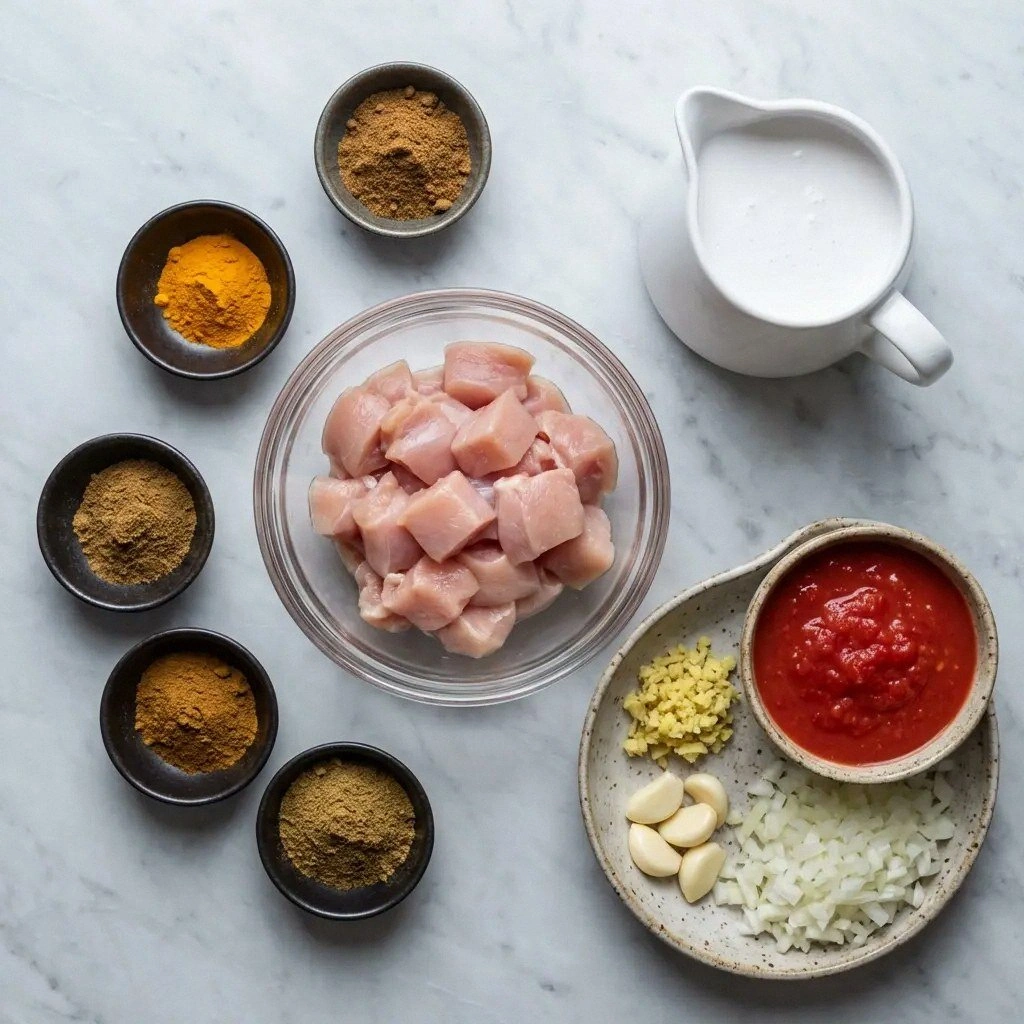
I was standing in my kitchen, staring at a pile of vegetables that looked like a color palette from a painter’s sketchbook, when the idea hit me: why not turn this humble assortment into a warm, golden hug in a bowl? The moment was the same as that time I tried to impress a friend with a quick stir‑fry, only to end up with a soggy mess that tasted like disappointment. That disaster taught me that the secret to a great vegetable dish isn’t in the quantity of ingredients but in how you coax each one into harmony. And that’s exactly what I discovered with this Easy Golden Turmeric Vegetable.
Picture the kitchen: the scent of sizzling olive oil mingles with the earthy aroma of fresh turmeric, a faint citrus tang from ginger, and the comforting perfume of garlic as it browns. Your ears catch the gentle crackle of onions caramelizing, the rhythmic clatter of a wooden spoon against the pot, and the soft whisper of simmering broth. When you finally taste it, the vegetables are tender yet still retain a bite, the broth is rich, and a subtle peppery warmth lingers on the palate. The texture feels like a gentle hug—soft, comforting, and utterly satisfying.
What sets this version apart is that it doesn’t rely on fancy techniques or obscure spices. Instead, it leverages the natural brightness of turmeric and the depth of a well‑seasoned broth to create a dish that feels both exotic and familiar. I dare you to taste this and not go back for seconds. The sauce coats the veggies like velvet, each bite releasing a burst of golden sunshine. It’s hands down the best version you’ll ever make at home, and it’s so simple that even a novice can pull it off.
I’ll be honest— I ate half the batch before anyone else got a chance. But the moment you see the pot bubbling, the aroma filling the kitchen, and the colors shifting from muted to radiant, you’ll understand why this recipe feels like a culinary revelation. Stay with me here— this is worth it. Let me walk you through every single step, and by the end, you’ll wonder how you ever made it any other way.
What Makes This Version Stand Out
- Taste: The subtle sweetness of caramelized onions pairs with the earthy depth of turmeric, creating a flavor profile that feels both comforting and adventurous.
- Texture: Each vegetable retains its own bite, while the broth envelops them in a silky, cohesive embrace.
- Ingredient Quality: Fresh, high‑quality produce and spices elevate the dish beyond a typical soup.
- Simplicity: No complicated prep, no special equipment—just a few basic steps that anyone can follow.
- Crowd Reaction: Friends who are picky eaters or veg‑enthusiasts rave about how it feels like a “comfort food” without the heaviness.
- Make‑Ahead Potential: The flavors deepen overnight, making it a perfect option for busy weeknights.
- Versatility: It works as a main, a side, or a base for proteins, and it’s fully customizable.
- Health Profile: Packed with antioxidants, fiber, and plant‑based protein from the yogurt or coconut cream.
Alright, let's break down exactly what goes into this masterpiece...
Inside the Ingredient List
The Flavor Base
Olive oil and garlic form the aromatic foundation that pulls every other ingredient together. Olive oil adds a fruity undertone, while garlic offers a sharp, savory kick that mellows into sweetness as it cooks. If you’re watching calories, you can swap olive oil for avocado oil or a light vegetable oil; the flavor will remain robust.
If you skip garlic, the dish will feel flat and lacking depth. Garlic also helps to release the aroma of turmeric, making the golden hue pop. For a vegan twist, use a garlic‑infused oil instead of fresh cloves.
The Texture Crew
Carrots, celery, and potatoes provide a hearty backbone. Their natural starches thicken the broth slightly, giving the dish a comforting body. Cauliflower florets add a subtle nuttiness, while spinach or kale offers a burst of green that balances the earthiness.
If you’re looking for a lower-carb version, replace potatoes with additional cauliflower or zucchini. Just remember that the starch from potatoes helps to thicken the soup; removing it may require a small amount of cornstarch or a splash of almond milk to achieve the same mouthfeel.
The Unexpected Star
Turmeric isn’t just a color agent; it’s a powerhouse of curcumin, an antioxidant that offers anti‑inflammatory benefits. Fresh turmeric root gives a bright, peppery flavor, whereas ground turmeric offers convenience and a more concentrated taste. The ginger adds a subtle heat and a citrusy brightness that lifts the overall profile.
If you can’t find fresh turmeric, a tablespoon of ground turmeric will do. For an extra zing, add a splash of fresh lime juice at the end—it’s a classic pairing that brightens the dish.
The Final Flourish
Greek yogurt or coconut cream adds a creamy richness that balances the earthiness and bright spices. It also gives the dish a silky mouthfeel that feels indulgent without the heaviness of cream. Fresh cilantro or parsley adds a fresh, herbaceous note, while toasted pumpkin seeds contribute crunch and a nutty finish.
If you’re vegan, coconut cream is a perfect substitute for yogurt. For a dairy‑free option that still delivers protein, consider a plant‑based yogurt with a creamy texture. The seeds can be swapped for sunflower or pumpkin seeds, depending on what you have on hand.
Everything's prepped? Good. Let's get into the real action...
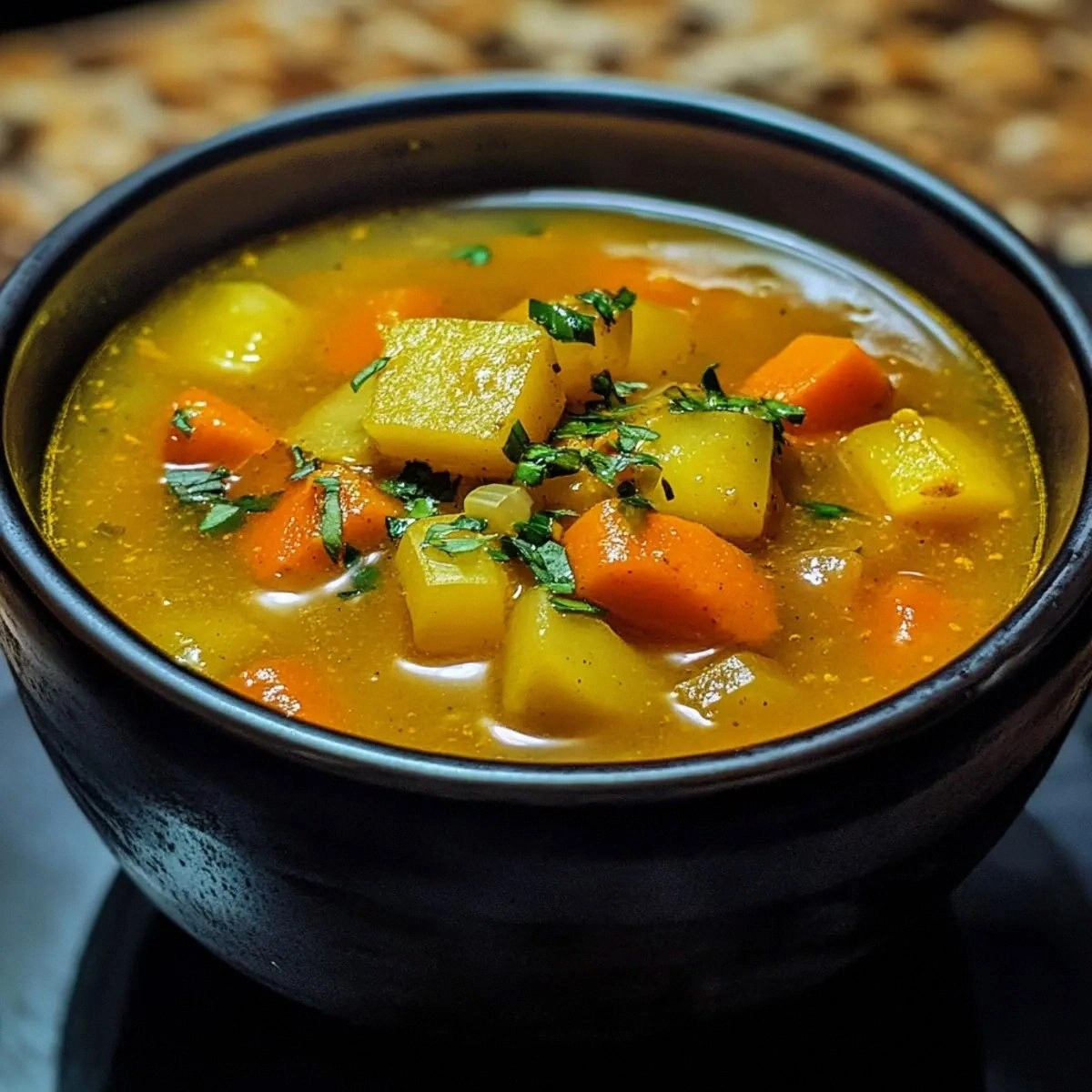
The Method — Step by Step
- Heat the olive oil in a large pot over medium heat until it shimmers. Add the finely diced onion and sauté until translucent and lightly golden, about 5 minutes. The onions should be soft enough to read through, not browned to the point of bitterness. I dare you to taste the onions at this point— they should feel like a sweet whisper.
- Add the minced garlic and grated ginger, stirring constantly for 30 seconds. The aroma should become instantly more complex, with a subtle citrusy note from the ginger. This is the moment of truth; do not let the garlic burn, or the soup will taste bitter.
- Stir in the turmeric and ground black pepper. Let the spices toast for 1 minute, just until fragrant. The pot should emit a warm, earthy scent that makes you feel like you’re standing in a spice market. Watch the color shift to a deeper gold; that’s the sign that turmeric is activated.
- Add the diced carrots, celery, and potatoes. Toss everything together so the vegetables are coated in the spice mixture. Cook for 3 minutes, allowing the vegetables to take on the golden hue of the broth. This step builds the foundation of the dish’s texture.
- Pour in the vegetable broth, bring to a gentle boil, then reduce to a simmer. Cover the pot with a lid that leaves a small gap for steam to escape. Simmer for 15 minutes, or until the carrots and potatoes are just tender. The broth should thicken slightly, forming a comforting base.
- Add the cauliflower florets and spinach or kale. Stir until the greens are wilted and the cauliflower is tender, about 5 more minutes. The greens should retain a vibrant green color, and the cauliflower should be soft but still hold its shape.
- Season with salt to taste, and adjust the pepper if needed. Remember, the yogurt or coconut cream will mellow the heat, so you can be a bit generous with the salt. Taste the broth; it should be savory with a subtle peppery warmth.
- Stir in the dollop of Greek yogurt or coconut cream, swirling it into the soup until it’s fully incorporated. The sauce should coat the vegetables like a silky glaze, giving the dish a luxurious finish. Let it heat through for 2 minutes, but avoid boiling after adding the dairy to prevent curdling.
- Sprinkle the toasted pumpkin seeds and chopped cilantro or parsley over the top. The seeds add a delightful crunch, while the herbs bring a fresh, bright note that cuts through the richness. This finishing touch makes the dish feel complete.
That’s it — you did it. But hold on, I've got a few more tricks that'll take this to another level. These insider tips will help you master the dish every single time.
Insider Tricks for Flawless Results
The Temperature Rule Nobody Follows
Many cooks think that a quick, high‑heat simmer is best, but the truth is that a gentle, steady simmer preserves the delicate flavors of turmeric and ginger. Keep the heat low after adding the broth, and let the soup develop a slow, even warmth. This technique prevents the spices from burning and ensures a smooth, consistent texture.
Why Your Nose Knows Best
Smell the soup at each stage. If it smells too raw, it’s not cooked enough; if it smells burnt, the heat is too high. Your nose is an excellent guide for timing. Trust that sensory cue, and you’ll avoid the common pitfalls of over‑cooking or under‑seasoning.
The 5‑Minute Rest That Changes Everything
Once the soup is done, let it rest for five minutes before serving. This short pause allows the flavors to meld, the spices to settle, and the vegetables to finish cooking in their own steam. The result is a richer, more cohesive dish.
Use Fresh Herbs, Not Dried
Fresh cilantro or parsley brightens the soup and adds a fresh burst of color. Dried herbs, while convenient, lose their potency and can impart a bitter taste. If you’re short on fresh herbs, a pinch of dried can be added at the end, but keep it minimal.
Keep the Seeds Toasted
Toasted pumpkin seeds add crunch and a nutty flavor that contrasts beautifully with the creamy broth. Toast them in a dry skillet over medium heat until golden and fragrant, then let them cool before adding. This simple step elevates the dish’s texture profile.
Creative Twists and Variations
This recipe is a playground. Here are some of my favorite ways to switch things up:
Spicy Sriracha Kick
Add a tablespoon of sriracha or chili paste during step 5 to introduce a fiery undertone. The heat balances the sweetness of the carrots and the creaminess of the yogurt, creating a complex flavor profile that’s perfect for heat lovers.
Coconut Curry Twist
Replace the vegetable broth with coconut milk and add a teaspoon of curry powder. The result is a fragrant, tropical soup that feels like a bowl of comfort from another continent.
Mediterranean Flair
Swap the spinach for arugula and add a splash of lemon zest. Top with crumbled feta cheese instead of yogurt for a tangy, salty finish that transports you to the Mediterranean coast.
Roasted Veggie Boost
Roast the carrots, celery, and potatoes in the oven with a drizzle of olive oil and a pinch of thyme before adding them to the pot. The caramelized edges add depth and a subtle smoky flavor that elevates the dish.
Protein‑Packed Power
Stir in a scoop of cooked quinoa or brown rice during the final simmer. This addition transforms the soup into a filling meal that’s perfect for a post‑workout recovery snack.
Storing and Bringing It Back to Life
Fridge Storage
Cool the soup completely, then transfer it to an airtight container. Store in the refrigerator for up to 4 days. The flavors will deepen, making it even more delicious the next day.
Freezer Friendly
Divide the soup into individual portions in freezer‑safe containers or zip‑lock bags. Freeze for up to 3 months. When ready, thaw overnight in the refrigerator and reheat gently on the stove.
Best Reheating Method
Reheat the soup on low heat, adding a splash of water or broth to restore moisture. Stir frequently to prevent sticking. Once it’s steaming, add a fresh handful of spinach or kale to brighten the dish before serving.