I still remember the first time I made garlic butter baked shrimp for a dinner party. I was so confident, so smug, thinking I could just throw some shrimp in a pan with garlic and butter and call it a day. What emerged from my oven twenty minutes later was a rubbery, overcooked disaster that tasted like someone had soaked seafood in dish soap. My guests politely picked at their plates while I died inside. But here's the thing — that spectacular failure sent me on a mission to create the ultimate garlic butter baked shrimp recipe, one that would make people weep with joy instead of sympathy. After months of testing, tweaking, and eating more shrimp than a coastal town during tourist season, I finally cracked the code. This isn't just another shrimp recipe; this is the one that'll make you the legend of your friend group, the hero of your family gatherings, the person who gets invited to potlucks just because everyone hopes you'll bring this dish.
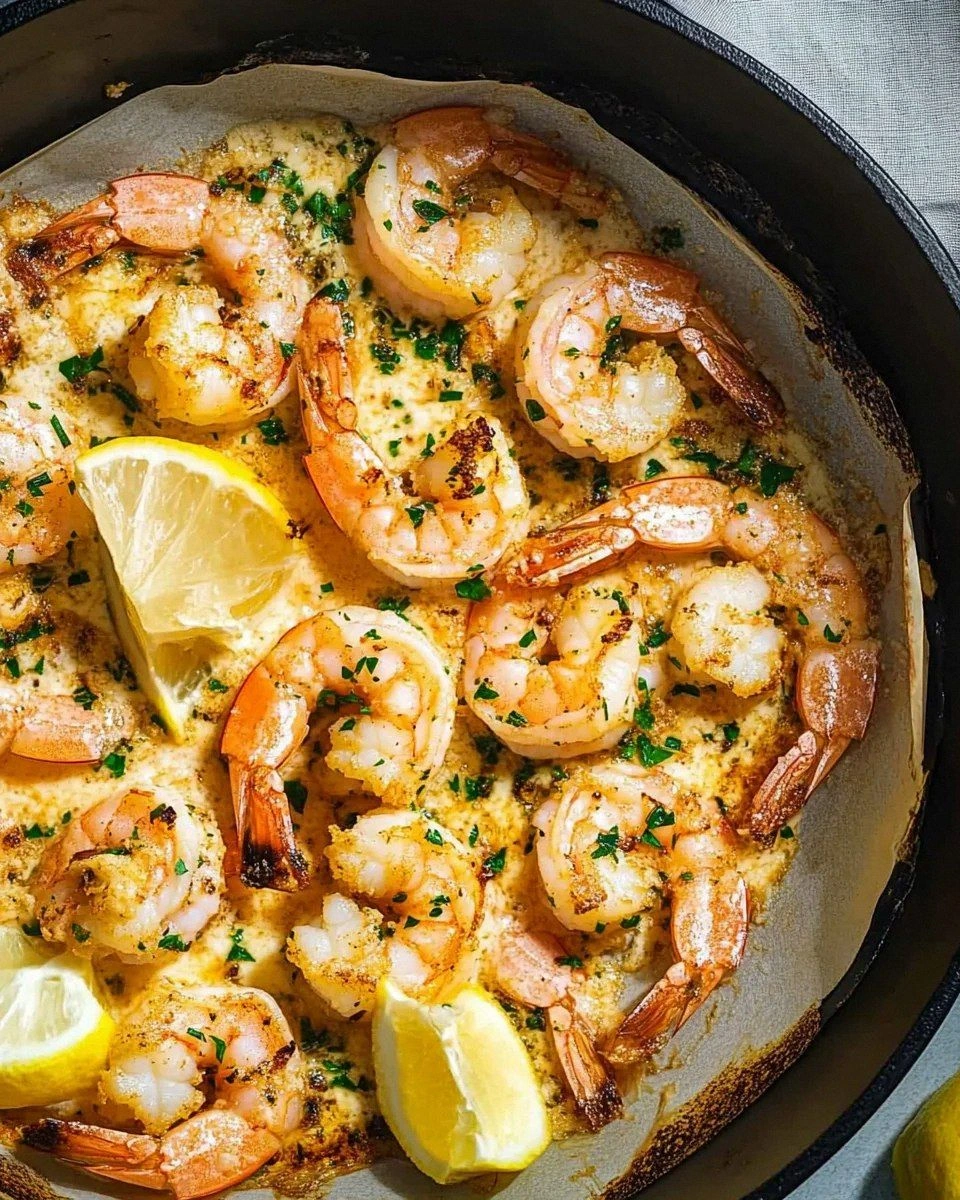
Picture this: plump, juicy shrimp that snap with freshness, swimming in a sauce so rich and garlicky that you'll be tempted to drink it straight from the baking dish. The butter mingles with white wine and lemon juice, creating a flavor so complex you'll swear there's a secret ingredient. The edges of the shrimp get those gorgeous caramelized bits that taste like the ocean decided to throw a party in your mouth. And the aroma? Oh, the aroma will have your neighbors knocking on your door, claiming they smell something amazing and just wanted to check if you're okay. I dare you to taste this and not go back for seconds — actually, I double dog dare you, because I know you'll fail spectacularly at showing restraint.
What makes this version different from the thousands of garlic butter shrimp recipes floating around the internet? Simple: we're treating the shrimp with the respect they deserve, building layers of flavor that would make a French chef weep, and using techniques that ensure every single bite is perfect. Most recipes get this completely wrong — they either drown the shrimp in so much butter that you can't taste the seafood, or they bake them until they curl up tighter than a scared armadillo. I'll be honest — I ate half the batch before anyone else got to try it during my last test run, and I don't even feel guilty about it. That's how good this is.
Okay, ready for the game-changer? We're going to use a method that locks in moisture while creating those crispy, garlicky edges that'll have you fighting your dining companions for the last shrimp. The secret lies in how we prepare our baking dish and the temperature dance we do in the oven. Stay with me here — this is worth it. By the end of this recipe, you'll wonder how you ever made it any other way.
What Makes This Version Stand Out
Buttery Perfection: Unlike those sad, dry shrimp that taste like they've been sitting under a heat lamp at a buffet, these beauties stay succulent and tender. The butter doesn't just sit on top — it penetrates every crevice, carrying garlic and herbs deep into the shrimp while maintaining that perfect snap when you bite into them.
Garlic That Actually Tastes Like Garlic: Most recipes murder the garlic, turning it bitter and acrid. We treat it like the star it is, adding it at just the right moment so it infuses the butter with sweet, nutty flavor without any of that nasty burnt aftertaste that ruins so many seafood dishes.
The Texture Game: We're talking shrimp with crispy edges that shatter like thin ice, revealing meat so tender it practically melts on your tongue. The contrast between those caramelized bits and the juicy interior is what separates amateur hour from restaurant-quality results.
Stupidly Simple Elegance: Despite tasting like it came from a Michelin-starred kitchen, this recipe requires zero fancy techniques. If you can melt butter and set a timer, you can nail this dish. Your dinner guests will think you attended culinary school in secret.
Make-Ahead Magic: The entire dish can be prepped hours ahead, making it perfect for entertaining. Just pop it in the oven when guests arrive, and you'll have a hot, impressive appetizer ready in minutes without any last-minute stress.
Ingredient Flexibility: Got frozen shrimp? Works perfectly. Prefer to use fresh herbs from your garden? Go for it. Want to make it dairy-free? I've got a hack that'll blow your mind. This recipe bends but never breaks.
The Crowd Reaction: I've served this at everything from fancy dinner parties to casual game nights, and the response is always the same: complete silence for the first few bites, followed by a chorus of "Oh my god, what is in this?" and "Can I have the recipe?" It's that good.
Alright, let's break down exactly what goes into this masterpiece...
Inside the Ingredient List
The Flavor Base
Let's start with the foundation that'll make or break your dish: the butter. Don't you dare reach for that sad, pale stick that's been lurking in your fridge since Thanksgiving. We're talking about the good stuff here — European-style butter with 82% fat content that tastes like it came straight from a contented cow in Normandy. The higher fat content means it won't break when we heat it, creating a silky sauce that coats each shrimp like velvet. If you can only find regular butter, add an extra tablespoon to compensate, but trust me when I say the upgrade is worth every penny.
Garlic is the next crucial player, and here's where most recipes go wrong. They either use those pre-minced jars of sadness that taste like chemicals and disappointment, or they add their garlic too early and end up with bitter, brown bits floating in their sauce. We want fresh, firm garlic cloves that still have that papery skin clinging to them. Smash them first to release the oils, then mince them just before you're ready to use them. That moment when the garlic hits the warm butter and releases its perfume throughout your kitchen? Absolute perfection.
The Texture Crew
Now, let's talk about the star of the show — the shrimp themselves. Size matters here, friends. Those tiny salad shrimp will overcook before you can blink, while the massive U-10s need different handling. I use 16-20 count shrimp because they're substantial enough to stay juicy but not so large that they become unwieldy eating. The shells should be slightly translucent with a grayish-pink hue, never black spots or yellowing. When you pick them up, they should feel firm and cold, not slimy or fishy-smelling. And here's the kicker — even if you're using frozen shrimp (which is totally fine), they should smell like the ocean, not like fish.
The Unexpected Star
This is where we separate the amateurs from the pros: white wine. Not cooking wine (that salted abomination should be banned from kitchens), but something you'd actually enjoy drinking. A crisp Sauvignon Blanc or Pinot Grigio adds acidity that cuts through the richness of the butter while the alcohol helps carry flavors and creates those gorgeous caramelized edges we crave. Don't worry about the alcohol content — it mostly cooks off, leaving behind complex flavors that make people ask what your secret ingredient is.
The Final Flourish
Fresh lemon juice brightens everything up, but timing is everything here. Add it too early and it turns bitter; too late and it tastes harsh. We're using both juice and zest because they provide different types of lemon flavor — the juice adds brightness while the zest contributes those floral, citrusy notes that make the whole dish sing. A pinch of red pepper flakes gives just enough heat to make things interesting without overwhelming the delicate shrimp, and fresh parsley adds color and a grassy freshness that makes everything taste more expensive than it is.
Everything's prepped? Good. Let's get into the real action...
The Method — Step by Step
- Preheat your oven to 425°F (220°C) and position a rack in the upper third. This high heat is crucial for getting those caramelized edges while keeping the inside tender. While the oven heats, take your shrimp out of the fridge — cold shrimp going into a hot oven is a recipe for rubbery disaster. Let them sit at room temperature for about 15 minutes. During this time, you can prep your garlic and herbs, but don't get ahead of yourself and start cooking anything yet. Patience, my friend, is what separates good cooks from great ones.
- Grab a baking dish that'll fit your shrimp in a single layer with a little room to spare — I use a 9x13-inch ceramic dish because it retains heat beautifully. Melt 4 tablespoons of butter in the microwave or on the stovetop until it's just liquid but not hot. Tilt the baking dish and pour the melted butter in, swirling to coat the bottom completely. This butter layer prevents sticking and starts building our sauce foundation. The dish should look glossy and inviting, like it's ready for its close-up.
- Now for the fun part: arrange your shrimp in the buttered dish, making sure they're all lying flat and not piled on top of each other. If you've got some overachievers trying to stack, save them for a second batch — overcrowding leads to steaming instead of roasting, and we want those crispy edges. The shrimp should look like little soldiers lined up for inspection, each one ready to absorb all that buttery goodness. Take a moment to appreciate how pretty they look — this is going to be Instagram gold.
- In a small bowl, whisk together your remaining 4 tablespoons of softened butter with the minced garlic, lemon zest, red pepper flakes, salt, and black pepper. The mixture should be like a fragrant, spicy butter paste that makes you want to spread it on everything in sight. Using a small spoon (or honestly, your fingers work better), dollop this garlic butter mixture over each shrimp. Don't worry about being perfect — the heat will melt it and distribute it as it bakes. Just make sure each shrimp gets a little love.
- Pour the white wine and lemon juice around the shrimp, not over them. You want the liquid to pool in the bottom where it'll create steam and keep everything moist, but you don't want to wash off all that precious garlic butter. The liquid should come about halfway up the sides of the shrimp — if it looks like they're swimming, you've added too much. Give the pan a gentle shake to distribute the liquids without disturbing your carefully placed butter dollops.
- Slide your dish into the preheated oven and set your timer for 8 minutes. This is the moment of truth where all your prep work pays off. The high heat will cause the butter to bubble and foam, creating little pockets of garlic that infuse the shrimp while the wine steams everything from below. You'll start to smell the most incredible aroma wafting through your kitchen — resist the urge to open the oven door. Every peek releases heat and extends cooking time, which is how you end up with sad, overcooked seafood.
- After 8 minutes, quickly open the oven and scatter the chopped parsley over the top. This isn't just for color — the heat will wilt the parsley just enough to release its oils without turning it into sad, brown flecks. Close the door immediately and let it bake for another 2-3 minutes. The shrimp are done when they've turned pink and opaque, with the tails curled into a gentle C shape. If they're tightly curled into an O, you've gone too far — but don't panic, they'll still taste amazing.
- Remove the dish from the oven and let it rest for exactly 2 minutes. I know you're starving and everything smells incredible, but this rest allows the juices to redistribute and the sauce to thicken slightly. During this time, the residual heat will finish cooking any slightly underdone shrimp, and the sauce will transform from thin liquid to silky, garlicky perfection. Use this time to grab some crusty bread for sopping up every last drop of that liquid gold.
- Serve immediately in the baking dish with lemon wedges on the side. The shrimp should be glistening with butter, the sauce bubbling gently, and the whole thing should look so inviting that people can't help but dig right in. Provide plenty of napkins because eating these is a gloriously messy affair — peeling the shrimp releases aromatic steam and gets everyone's fingers deliciously coated in garlic butter. This is finger food at its finest, where the journey is just as enjoyable as the destination.
That's it — you did it. But hold on, I've got a few more tricks that'll take this to another level...
Insider Tricks for Flawless Results
The Temperature Rule Nobody Follows
Here's something that'll change your shrimp game forever: room temperature seafood cooks more evenly than cold. I know, I know — everyone's terrified of leaving seafood out, but 15-20 minutes on the counter won't hurt anyone and makes a massive difference in texture. Cold shrimp hitting hot butter causes the proteins to seize up, creating that rubbery texture we all dread. Think of it like stretching before exercise — your shrimp need to warm up before their big performance. Just cover them with a clean kitchen towel so they don't dry out, and never leave them out for more than 30 minutes.
Why Your Nose Knows Best
Your sense of smell is the most underutilized tool in cooking, especially with seafood. Fresh shrimp should smell like the ocean on a good day — briny and clean, never fishy or ammonia-like. When you're buying shrimp, give them a sniff through the plastic wrap. If anything smells off, walk away immediately because no amount of garlic butter can save bad seafood. During cooking, that aroma should transform from ocean-fresh to sweet and buttery with hints of garlic. If you smell anything sharp or bitter, your garlic is burning and you need to lower the heat stat.
The 5-Minute Rest That Changes Everything
I cannot stress this enough — let your shrimp rest after cooking. I know they're calling to you, those pink, buttery morsels of deliciousness, but patience pays off here. During the resting period, the proteins relax and reabsorb some of the juices, while the sauce thickens slightly. This isn't just restaurant nonsense — it's science. The difference between shrimp served immediately versus those rested for just 3-5 minutes is dramatic. The rested ones are juicier, more tender, and the sauce actually clings to them instead of running off onto the plate.
The Butter Quality Secret
Not all butter is created equal, and this recipe is where you want to pull out the good stuff. European butter has a higher fat content and lower water content, which means it doesn't break when heated and creates a silkier sauce. If you're using regular American butter, add an extra tablespoon to compensate and reduce the wine by a tablespoon to account for the higher water content. And please, for the love of all that is holy, use unsalted butter. Salted butter varies wildly in salt content between brands, and you want to control the seasoning yourself. A friend tried skipping this step once — let's just say it didn't end well for her dinner party reputation.
The Timing Sweet Spot
Here's where most people mess up: they think shrimp need to be cooked until they're pink all the way through. Wrong! Shrimp continue cooking from residual heat, so you want to pull them when they're just barely opaque with a small gray line running down the back. They'll finish cooking during the resting period, giving you perfectly tender results instead of rubbery disappointment. Think of it like medium-rare steak — you're accounting for carryover cooking. And now the fun part...
Creative Twists and Variations
This recipe is a playground. Here are some of my favorite ways to switch things up:
The Mediterranean Escape
Swap the white wine for dry vermouth and add a handful of halved cherry tomatoes and sliced Kalamata olives to the baking dish. The tomatoes burst and create a light sauce while the olives add briny depth. Throw in some fresh oregano along with the parsley, and serve with crusty bread for sopping up the tomato-garlic juices. This version transports you straight to a seaside taverna, even if you're in a studio apartment in the middle of the city.
The Spicy Asian Fusion
Replace the butter with a mix of butter and sesame oil, swap the white wine for sake, and add a tablespoon of sriracha to the garlic mixture. Toss in some julienned ginger and replace the parsley with cilantro and green onions. The result is a fiery, umami-packed dish that pairs perfectly with cold beer. I serve this version over rice noodles with extra sriracha on the side for heat seekers.
The Spanish-Inspired Version
Add smoked paprika and a pinch of saffron to the butter mixture, replace the white wine with dry sherry, and throw in some diced Spanish chorizo. The smoky, slightly spicy flavors mingle with the garlic and create something truly special. This variation needs nothing more than some crusty bread and maybe a simple green salad to become a complete meal that'll transport you to Barcelona.
The Lemon-Herb Explosion
Double the lemon zest and add fresh thyme, rosemary, and tarragon to the butter mixture. Use a mix of lemon juice and white wine, and finish with fresh chives along with the parsley. This herby version tastes like spring in every bite and pairs beautifully with asparagus or sugar snap peas on the side.
The Coconut Curry Twist
Replace half the butter with coconut oil, add a teaspoon of curry powder and a splash of fish sauce to the garlic mixture, and use coconut milk instead of white wine. The result is a fusion dish that tastes like Thailand meets the Mediterranean. Serve over jasmine rice with extra lime wedges for squeezing.
The Surf and Turf Upgrade
Add some diced pancetta or bacon to the baking dish before the shrimp — let it render while the oven preheats, then proceed with the recipe as written. The smoky pork fat mingles with the butter and creates an incredibly rich sauce. This version is pure indulgence and perfect for special occasions when you want to impress without any extra effort.
Storing and Bringing It Back to Life
Fridge Storage
If you somehow end up with leftovers (I don't understand you, but I respect your self-control), let the shrimp cool completely before transferring to an airtight container. They'll keep in the refrigerator for up to 3 days, though the texture is best within the first 48 hours. Store them in the sauce — it'll help keep them moist and flavorful. Pro tip: separate the shrimp into individual portions before refrigerating, so you're not reheating the whole batch every time you want a quick snack.
Freezer Friendly
Here's where things get interesting: you can freeze the raw, prepped shrimp in the butter mixture for up to 2 months. Just assemble everything in a freezer-safe baking dish, wrap tightly with plastic wrap and foil, and freeze. When you're ready to cook, thaw overnight in the refrigerator and bake as directed, adding an extra 5-10 minutes to account for the cold starting temperature. I always keep a batch in my freezer for emergency entertaining — it's like having a restaurant-quality meal on standby.
Best Reheating Method
The microwave is your enemy here — it'll turn your beautiful shrimp into rubber faster than you can say "leftovers." Instead, gently reheat them in a covered skillet over low heat with a splash of water or white wine. Add a tiny splash of water before reheating — it steams back to perfection. Cover the pan and let them warm slowly, just until heated through. This gentle method preserves the texture and brings back that silky sauce. If you're reheating from frozen, thaw first using the refrigerator method, never at room temperature.